Teak Oil vs Tung Oil for Outdoor Wood
For outdoor wood, Teak Oil is a short-term maintenance coat for teak and other dense hardwoods, while Tung Oil is only worth using if you want a hand-rubbed look and accept frequent recoats; for decks and exposed lumber, neither is a durable all-weather finish. Standing water, strong sun, and seasonal wood movement wear both finishes. Bad finish choices peel, turn blotchy, and force yearly sanding and re-oiling. This guide explains when each oil works, when it fails, and when bare wood is the better choice.
| Decision factor | Teak Oil | Tung Oil | Winner |
|---|---|---|---|
| Speed of application | Usually faster to wipe on; formulas are often built for routine upkeep. | Slower because a practical finish usually needs three to five thin coats. | Teak Oil |
| Maintenance burden outdoors | Often needs reapplication every few months in exposed conditions. | Lasts longer than a simple wipe-on blend in some settings, but still needs regular upkeep. | Teak Oil for quick upkeep; Tung Oil for fewer full refinishes |
| UV resistance | Limited unless the formula includes UV additives. | Limited unless additives are included. | Tie |
| Moisture resistance after cure | Varies by formula. | Can improve water resistance after curing. | Tung Oil |
| Best fit for bare exterior wood | Useful for upkeep on certain hardwood furniture, not a permanent coating. | Better when you want a drying oil build on furniture or sheltered pieces. | Tung Oil |
What the finishes actually
Pure tung oil and drying-oil behavior
Pure tung oil is a drying oil. It cures by reacting with air, which is why it should be applied in thin coats rather than flooded on. For a practical furniture finish, it usually needs three to five thin coats, and after the first coat, drying time is at least 24 to 48 hours in warm, dry, ventilated conditions.
That cure behavior matters outdoors. If the film is too thick, or if the wood is damp, the surface can stay tacky much longer than expected. Tung oil can improve water resistance after curing, but it has limited UV protection unless additives are included.
Teak oil as a marketing term
Teak oil is not a standardized formula. It is a marketing term for a blend that may include oils, solvents, and sometimes resin. That means one can label may wipe on easily while another leaves a different sheen, drying time, or durability profile.
This is why teak oil varies so much by brand. One formula may be useful for a quick maintenance pass, while another behaves more like a wiping varnish. The label alone does not tell you how the finish will age outside.
Why blend chemistry changes results
Blend chemistry changes drying, softness, and repair behavior. A pure drying oil cures one way; a blended product can dry faster, smell stronger, or form a different surface film depending on its solvent and resin content. That variability is the main reason teak oil is better treated as a maintenance category than as a fixed product type.
Both finishes can deepen color and add sheen. Neither creates a maintenance-free outdoor coating. Sun, standing water, and seasonal movement wear either one.
📊 Teak’s average dried weight is about 40.9 lbs/ft³. Source: Wood-database.
Teak oil vs tung oil at a glance
Teak Oil fits quick upkeep and frequent refresh cycles. Tung Oil fits a slower, more deliberate finish schedule on wood that you want to keep looking hand-rubbed, provided you are willing to clean, dry, and recoat properly. For teak furniture, cedar seating, and similar pieces, the better choice depends more on species and exposure than on the name on the can.
When is pure tung oil the better choice?
Pure tung oil is the better choice when you want a true drying-oil finish, are working on furniture rather than decking, and can tolerate a longer schedule of thin coats and drying time. It suits covered or lightly exposed outdoor pieces better than full-sun, rain-exposed surfaces.
Best use cases for exterior wood
Use pure tung oil on outdoor furniture, small architectural parts, and pieces where you want a warmer look without committing to a heavy surface film. It is a better fit when the goal is water resistance and a hand-rubbed appearance, not long-term UV defense.
Drying time, coat count, and cure conditions
Plan on three to five thin coats. After the first coat, allow about 24 to 48 hours between coats in warm, dry, ventilated conditions. If the wood still feels cool, damp, or oily in a way that smears onto a rag, wait longer.
Limits on UV protection and sheen retention
Pure tung oil does not stop gray weathering by itself. UV exposure breaks down the surface over time, and full sun shortens the recoat interval. If the wood sits in direct sun all day, the finish schedule gets shorter and the color will fade faster.
Picture a cedar side table on a covered patio. Tung oil can be a reasonable choice there because rain is limited and you can maintain the finish without chasing weather damage after every storm. Move that same table into full sun, and the maintenance window shrinks.
When is teak oil the better choice?
Teak oil is the better choice when you want a faster wipe-on maintenance coat, especially on teak furniture or other dense hardwood pieces that get regular attention. It is a practical choice for routine upkeep, but the tradeoff is more frequent reapplication outdoors.
Why it is faster to apply
Many teak-oil jobs can be completed in one afternoon. That speed comes from the way the product is formulated for wipe-on maintenance. You are usually refreshing the surface rather than building a more deliberate cured finish.
Where frequent recoat schedules make sense
Teak furniture in exposed conditions may need re-oiling every few months. That can make sense for chairs, tables, and similar pieces where the owner accepts regular maintenance in exchange for a richer tone and immediate water beading. It makes less sense on decks and rain-soaked lumber.
What failures to watch for in mixed formulas
Because teak oil is a non-standard blend, failures vary. Tacky coats, uneven drying, and peeling in resin-heavy formulas are common trouble spots. Oiling over damp wood makes those problems more likely, and it can lock in blotchiness instead of fixing it.
Suppose a teak bench sits under a pergola but still gets windblown rain. A teak-oil refresh may look good after cleaning and drying, yet the same bench will need much more frequent attention than a bench on a fully covered porch. Exposure level changes the maintenance math fast.
Teak wood finish decision matrix
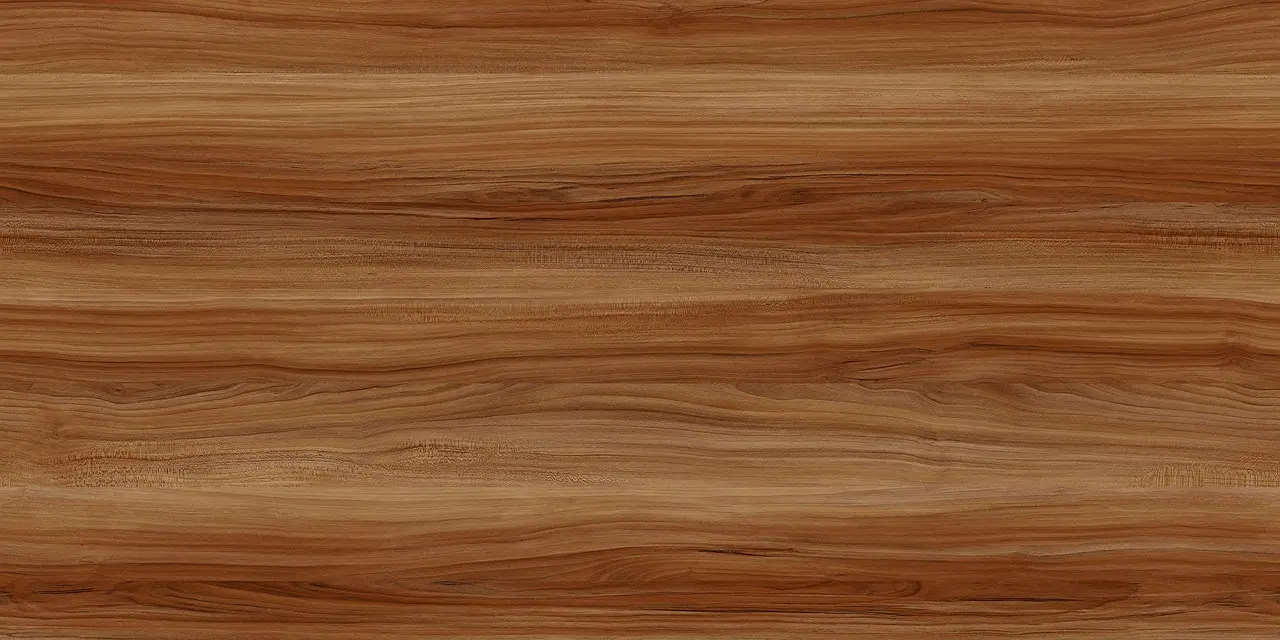
Teak is a different case from cedar, oak, pine, and ipe because its heartwood is very durable, its average dried weight is about 40.9 lbs/ft³, and its Janka hardness is about 1,070 lbf. It is commonly used for exterior construction, and its raw surface can feel slightly oily or greasy, so solvent wipe-down may be needed before finishing or gluing. (Wood-database)
| Wood species | Covered patio | Full sun | Rain-exposed |
|---|---|---|---|
| Teak | Teak Oil; recoat every 3-6 months; failure risk: uneven absorption if surface oils were not cleaned first. | Leave unfinished unless you accept frequent upkeep; if oiled, Teak Oil only; recoat every 2-4 months; failure risk: fast graying and blotchy wear. | Leave unfinished; recoat is impractical; failure risk: wash-off, gray weathering, and maintenance churn. |
| Cedar | Tung Oil; recoat every 6-12 months; failure risk: limited UV defense if the coat is too thin. | Leave unfinished unless you want active maintenance; if oiled, Tung Oil; recoat every 3-6 months; failure risk: rapid fade and surface wear. | Leave unfinished; recoat only for short-term appearance upkeep; failure risk: water wear and uneven weathering. |
| Oak | Tung Oil; recoat every 6-12 months; failure risk: end grain can drink finish and look patchy. | Tung Oil; recoat every 3-6 months; failure risk: UV breakdown and seasonal checking. | Leave unfinished unless protected overhead; failure risk: swelling, dulling, and repeated maintenance cycles. |
| Pine | Leave unfinished for low-maintenance use; if appearance matters, Tung Oil; recoat every 3-6 months; failure risk: blotching and soft-wood wear. | Leave unfinished; if oiled, Tung Oil; recoat every 2-4 months; failure risk: fast degradation and uneven color. | Leave unfinished; failure risk: finish failure is likely faster than the maintenance payoff. |
| Ipe | Leave unfinished unless you want a temporary color boost; if oiled, Teak Oil; recoat every 3-6 months; failure risk: weak penetration into dense wood. | Leave unfinished is usually the clearest call; if oiled, Teak Oil or Tung Oil will need frequent renewal; failure risk: poor uptake and quick surface fade. | Leave unfinished; failure risk: low return on finish work and persistent maintenance burden. |
How the matrix should be read
Dense teak can accept maintenance oil differently from softer woods because it already resists decay well. Cedar, oak, and pine are more exposed to movement and weathering, so the main question is whether the finish schedule is worth the upkeep. Ipe is so dense that oil often gives only a short-lived cosmetic change.
That is why unfinished wood is sometimes the best answer. If the goal is silver-gray weathering, or if the piece lives in rain and full sun, leaving the wood bare can be the clearest maintenance decision. Oiling a surface that you do not intend to maintain usually creates more work than value.
How should you prep and recoat outdoor wood?
Clean the wood first, let it dry fully, and only then apply finish. Scuff sanding between coats helps when the surface has raised grain or slick areas. Recoating too early traps solvents and moisture, which leads to tacky spots and weak film formation.
Cleaning and drying before application
Wash off dust, mildew, and old grime, then let the wood dry completely. Teak often needs a solvent wipe-down before finishing because its surface can be slightly oily or greasy. If the wood still feels damp, skip the finish until it is ready.
Scuff sanding between coats when needed
Light scuff sanding improves grip between coats when the surface has gone glossy or uneven. That matters more with thicker or resin-containing blends than with pure tung oil, which builds through multiple thin applications. Do not sand aggressively enough to cut through the base coat.
Signs the wood is ready for another coat
The surface should look dry, feel dry, and stop grabbing dust in a greasy way. If a rag picks up wet pigment or the finish stays soft after the expected dry window, wait longer. Warm, dry, ventilated conditions help both oils cure more predictably.
- Remove dirt, mildew, and loose finish.
- Let the wood dry fully before any oil goes on.
- Apply a thin coat and wipe away excess.
- Wait the proper dry time before recoating.
- Scuff sand lightly only if the surface needs it.
- Recoat on schedule based on exposure, not on appearance alone.
Choose Teak Oil if… / Choose Tung Oil if…
Choose Teak Oil if you want fast upkeep on teak furniture, do not mind re-oiling every few months outdoors, and are treating the finish as a maintenance coat rather than a long-term coating. Choose Tung Oil if you want a true drying-oil finish, can wait through multiple thin coats, and are working on a piece with lighter exposure.
Choose teak oil if the goal is a quick refresh on a covered patio chair, a teak bench, or another piece you will clean and recoat on schedule. Choose tung oil if you want a more deliberate hand-rubbed result on cedar, oak, or a similar outdoor piece that is not taking direct weather all day. Choose unfinished wood if the real goal is silver-gray weathering and low maintenance.


Frequently asked questions
Teak oil vs tung oil
Teak oil is usually the faster maintenance choice, while pure tung oil is the slower drying-oil choice that needs more coats and longer cure time. Teak oil varies by formula, so the result depends on the blend. Tung oil gives you a more predictable drying-oil path, but it still needs regular exterior upkeep.
Teak vs tung oil
For teak furniture, teak oil is often the practical maintenance coat when you want a quick refresh. For other exterior wood, tung oil can be the better fit if you want a hand-rubbed look and can manage three to five thin coats. Neither option is a permanent outdoor coating.
Is tung oil good for exterior wood?
Yes, but only for the right kind of exterior wood and the right level of exposure. Pure tung oil can improve water resistance after curing, yet it has limited UV protection unless additives are included. It works best on furniture, covered pieces, and surfaces you are willing to recoat.
Is teak oil good for teak wood?
Yes, teak oil can be a practical choice for routine upkeep on teak wood, especially when you want a quick wipe-on refresh. Teak heartwood is already very durable, so the oil is mostly about appearance and maintenance. In exposed conditions, expect re-oiling every few months.
Tung oil vs mineral oil for wood
Tung oil cures into a drying finish; mineral oil does not. That makes mineral oil a poor match for outdoor wood, where rain and UV quickly shorten its useful life. If the piece is outside, mineral oil is the wrong category for the job.
How often do you need to reapply teak oil outdoors?
In exposed conditions, teak furniture may need re-oiling every few months. A typical teak-oil maintenance job can be completed in one afternoon, but the interval depends on sun, rain, and how clean the surface stays. Full sun shortens the schedule further.
Does tung oil protect outdoor wood from UV?
Only to a limited degree. Pure tung oil has limited UV protection unless additives are included, so it should not be treated as a sun-proof coating. In full sun, gray weathering and finish breakdown still happen, and you will need to maintain the surface more often.
Should you oil teak furniture or leave it unfinished?
Leave teak unfinished if you want the wood to weather to a silver-gray look and you do not want recurring maintenance. Oil it only if you want to preserve a warmer tone and accept regular upkeep. Teak already has very durable heartwood, so oil is optional, not required for survival.
Sponsored / affiliate links. As an Amazon Associate I earn from qualifying purchases. I may earn additional commission from eligible campaigns.