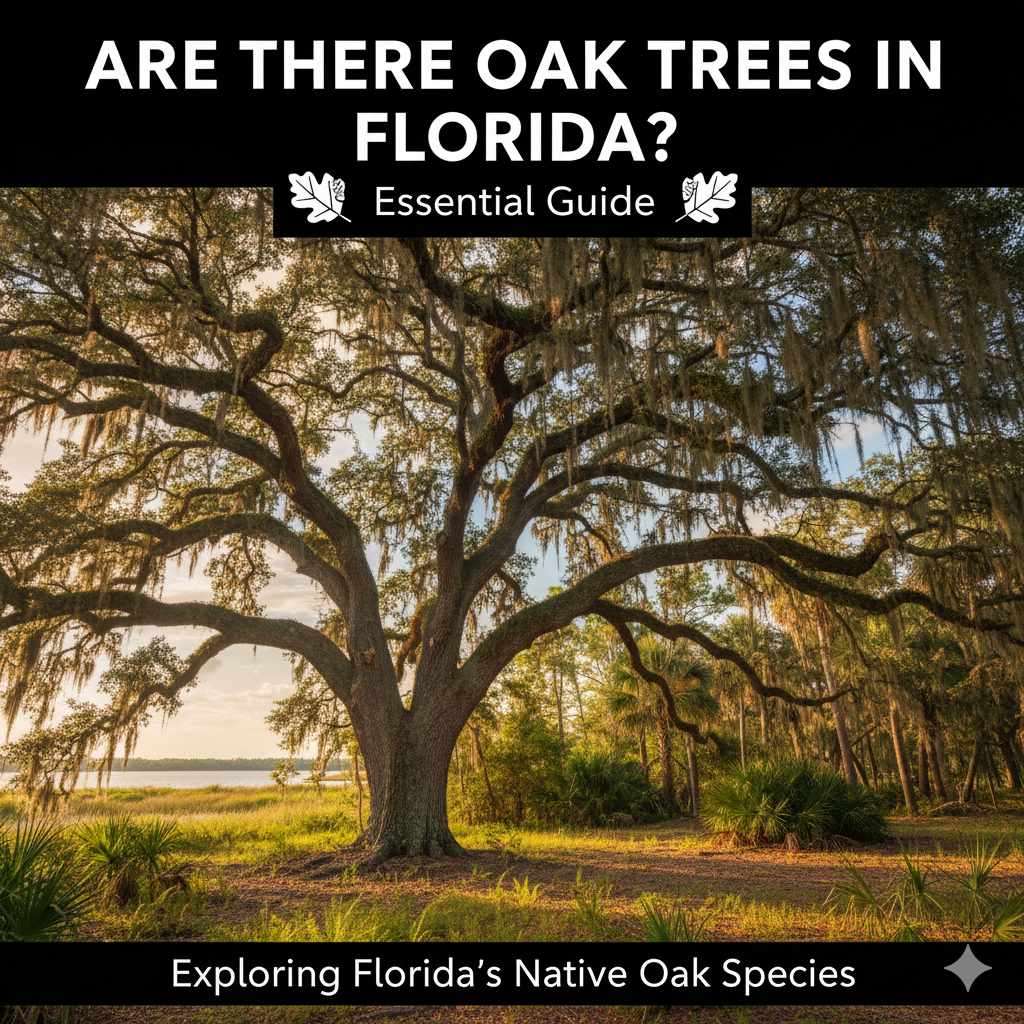
Are There Oak Trees In Florida? Essential Guide
Yes, Florida is home to a variety of magnificent oak trees. From the iconic Live Oak to the robust Water Oak, you’ll find several species thriving across the Sunshine State, contributing to its unique landscapes and offering valuable wood for various projects.
When you picture Florida, palm trees might be the first thing that comes to mind. But did you know that mighty oaks also call Florida home? It’s a common question, especially for folks new to the state or those curious about its natural resources. Many people wonder if the classic, sturdy oak tree can really grow in Florida’s warm climate. The good news is, absolutely! Florida boasts a wonderful diversity of oak species, each with its own charm and usefulness. Understanding which oaks grow where and what makes them special can be a fun exploration, whether you’re a nature lover, a gardener, or even a budding woodworker. Let’s dive in and discover the oaks of Florida!
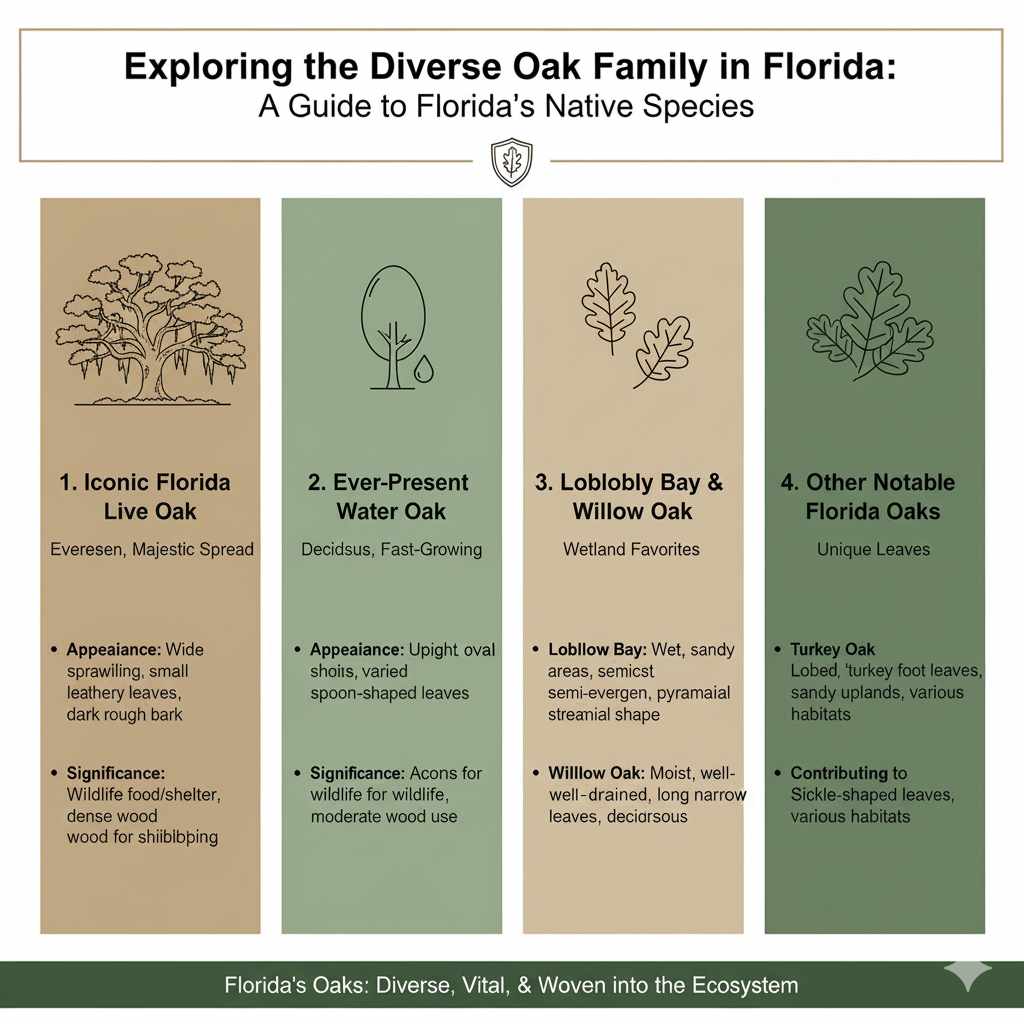
Exploring the Diverse Oak Family in Florida
Florida’s climate, with its southern warmth and varied moisture levels, provides a perfect habitat for several distinct types of oak trees. These trees aren’t just beautiful; they play a crucial role in the state’s ecosystems and have a rich history intertwined with its development. When we talk about oaks in Florida, we’re not talking about just one tree, but a whole family of them!
The Iconic Florida Live Oak (Quercus virginiana)
If there’s one oak that truly represents Florida, it’s the Southern Live Oak. Often draped with Spanish moss, these trees are symbols of the Old South and are a common, breathtaking sight across the state. They are evergreen, meaning they keep their leaves year-round, which is quite unusual for oaks!
Appearance: Live Oaks are known for their tremendous spread, often wider than they are tall. Their branches twist and turn, creating a sprawling, picturesque silhouette. The bark is dark and rough, and the leaves are small, leathery, and dark green.
Habitat: They thrive in well-drained soils and are quite tolerant of salty conditions, which is why you’ll find them along coastlines and in sandy areas. They are hardy and can live for centuries, becoming impressive landmarks.
Significance: Beyond their beauty, Live Oaks are crucial to wildlife, providing food and shelter. Their wood is incredibly dense and strong, making it historically valuable for shipbuilding and heavy construction.
The Ever-Present Water Oak (Quercus nigra)
The Water Oak is another common sight, often found in wetter areas, as its name suggests. It’s a deciduous oak, meaning it sheds its leaves in the fall, but sometimes keeps some through the winter, especially in milder climates.
Appearance: This oak has a more upright, oval shape compared to the Live Oak’s sprawling form. Its leaves are varied, often spoon-shaped, and can be quite different from one leaf to another on the same tree.
Habitat: As the name implies, Water Oaks love moist to wet soils and are frequently found in bottomlands, along streams, or in poorly drained areas. They are fast growers and adapt well to different soil types.
Significance: They are important for wildlife, especially for providing acorns to birds and mammals. While its wood is not as dense as Live Oak, it’s still strong enough for moderate use in things like crates or pallets.
Loblolly Bay (Quercus laurifolia) and Willow Oak (Quercus phellos)
These two are often grouped because their leaves can resemble each other for beginners, and they share some similar habitat preferences.
Loblolly Bay: Often seen in wet, sandy areas and coastal plains. It’s a beautiful tree with a pyramidal shape and leaves that are somewhat variable, often somewhat narrow. It’s semi-evergreen, meaning it may hold its leaves through winter.
Willow Oak: Easily identified by its long, narrow leaves that resemble those of a willow tree. This oak prefers moist, well-drained soils and can be found in a variety of settings. It’s a deciduous tree, offering lovely fall color.
Other Notable Florida Oaks
Florida is also home to oaks like the Turkey Oak (Quercus laevis), with its lobed leaves reminiscent of a turkey’s foot, and the Spanish Oak (Quercus falcata), known for its sickle-shaped leaves. Each adds to the rich tapestry of Florida’s woodlands.
Identifying Oak Trees in Florida: A Beginner’s Guide
Learning to identify trees can feel like a challenge at first, but with oaks, it’s mostly about looking closely at a few key features. Don’t worry about being an expert right away; we’ll keep it simple! The most helpful clues are the leaves, the bark, and the acorns.
1. The Leaves Tell a Story
Oak leaves come in many shapes, and this is often the easiest way to start identifying them.
Lobed Leaves: Many oaks, like the classic Live Oak or the Water Oak, have leaves with rounded lobes. These are wavy or bumpy edges. Imagine a gentle, rounded pattern.
Toothed Leaves: Some oaks have leaves with tiny teeth along the edges.
Simple/Narrow Leaves: The Willow Oak is famous for its long, slender leaves, like a willow. The Loblolly Bay also has relatively narrow leaves.
Evergreen vs. Deciduous: Remember that Live Oaks are evergreen, meaning they keep their leaves all year. Most other Florida oaks are deciduous, meaning they lose their leaves in the cooler months. This is a big clue!
2. Acorns: The Oak’s Signature Fruit
All oak trees produce acorns, but they vary in size, shape, and how much of the acorn cap covers the nut.
Size and Shape: Are the acorns tiny or the size of a small marble? Are they round or more elongated?
Cap: Is the cap smooth, scaly, or fringed? Does it cover a third of the acorn, or almost all of it?
3. The Bark: A Tree’s Outer Skin
While bark can change as a tree ages, it still offers clues.
Texture: Is it smooth, deeply grooved, or broken into blocks? Live Oaks often have darker, rougher bark that becomes deeply furrowed with age. Water Oaks can have smoother, grayish bark when younger, becoming rougher over time.
4. Overall Shape and Growth Habit
Spreading vs. Upright: Live Oaks are known for their wide, spreading branches. Other oaks might grow more upright and oval.
Quick Identification Tips Table
Here’s a simple table to help you get started. You don’t need to memorize it, just use it as a reference when you venture out!
| Oak Species | Leaf Description | Acorn Description | Habit/Notes |
|---|---|---|---|
| Southern Live Oak | Small, leathery, dark green, usually without lobes (smooth edges) | Small, cap covers about 1/4 of the nut, often reddish-brown | Evergreen, massive spreading branches, iconic Florida tree |
| Water Oak | Variable, often spoon-shaped or wedge-shaped, may have shallow lobes | Small, cap covers about 1/3 of the nut, often with concentric rings | Deciduous (sometimes semi-evergreen), upright to oval shape, prefers wet areas |
| Willow Oak | Long, narrow, willow-like leaves, smooth edges | Small, cap covers only the base of the nut | Deciduous, upright, pyramidal shape, often found in moist soils |
| Turkey Oak | Distinctly lobed, often resembling a turkey’s foot | Medium-sized, cap is rough and warty, covers about 1/3 of the nut | Deciduous, very distinctive leaf shape, often found in sandy uplands |
Why Oak Wood is Great for Woodworking in Florida
Oak is a favorite among woodworkers for good reason. Its strength, durability, and beautiful grain make it a top choice for everything from furniture to flooring and cabinets. While Florida may not be the primary source of bulk oak lumber like some other regions, finding locally sourced oak can be a rewarding endeavor for projects.
Key Properties of Oak Wood
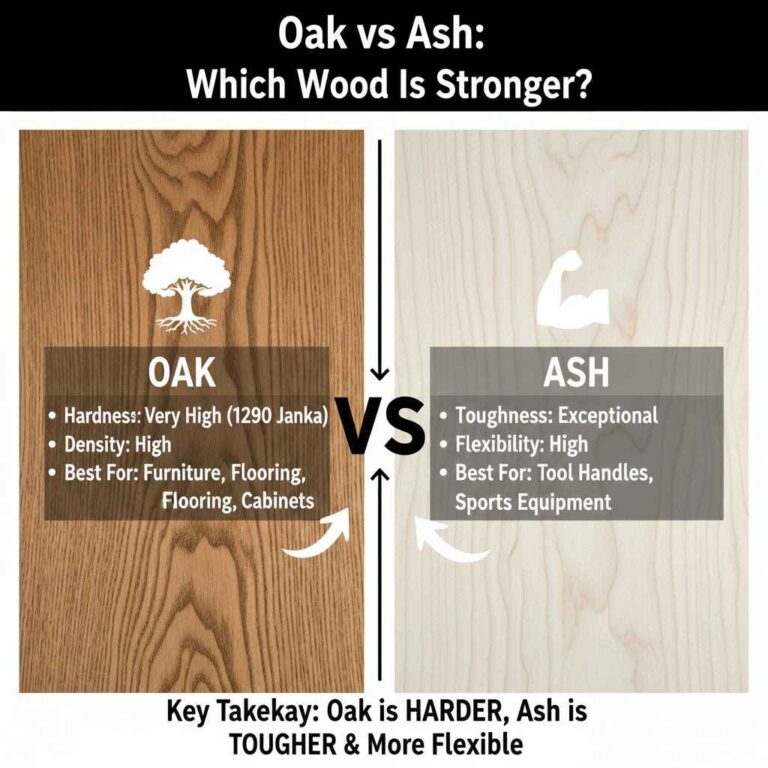
Hardness and Durability: Oak is a very hard and dense wood. This means it resists dents, scratches, and wear exceptionally well, making it ideal for high-traffic areas or items that need to last. The Forest Products Laboratory from the U.S. Department of Agriculture provides extensive data on wood properties, confirming oak’s impressive hardness.
Strength: Oak has excellent bending strength and stiffness. It can support weight and withstand pressure, making it suitable for structural elements like table legs or chair frames.
Grain Pattern: Oak exhibits a beautiful, prominent grain, especially when quarter-sawn. This can create attractive “rays” or flecks that add character and visual interest to finished projects. Red Oak typically has a more open, coarser grain, while White Oak has a tighter, often more striking ray fleck.
Workability: While its hardness can make it a bit challenging to cut and shape compared to softer woods, oak is generally predictable and machines well if you use sharp tools. It takes stain, glue, and finishes very well, allowing for a wide range of aesthetic possibilities.
Resistance to Decay: White Oak, in particular, has excellent resistance to decay and moisture due to its closed cell structure (tyloses). This makes it a good choice for outdoor projects or areas where moisture might be an issue.
Common Uses for Florida Oak in Projects
When you can get your hands on local Florida oak, consider these project ideas:
Furniture: From sturdy farmhouse tables to elegant chairs, oak provides the structure and classic look that endures.
Cabinetry: Kitchen cabinets and bookshelves made from oak are attractive and built to last.
Flooring: Oak flooring is a timeless choice, known for its beauty and resilience in homes.
Decorative Items: Smaller projects like cutting boards, picture frames, or decorative boxes can showcase the beautiful grain of oak.
Outdoor Projects: For those who can source especially well-seasoned and treated oak (especially White Oak), it can even be used for durable outdoor benches or small structures.
Where to Find Oak Wood in Florida
Local Sawmills: Search for smaller, independent sawmills in your area. They might mill local lumber, including oak.
Woodworking Supply Stores: Larger lumber yards and specialty woodworking stores often carry a selection of hardwoods, including red and white oak.
Reclaimed Lumber: Keep an eye out for architectural salvage yards or businesses that specialize in reclaimed wood. Old barns or buildings may contain oak timbers.
Private Landowners: Sometimes, individuals with large properties might have fallen oak trees they are willing to sell or give away for milling. This often requires you to arrange for milling and transport.
Working with Florida Oaks: Safety and Tips for Beginners
As a woodworking mentor, my top priority is always safety and helping you achieve successful results. Working with oak, especially if you’re new to hardwoods, is a fantastic learning experience.
Essential Safety Precautions
Eye Protection: Always wear safety glasses. Sawdust, especially from hardwoods like oak, can be irritating to your eyes. Flying chips are a real danger.
Hearing Protection: Saws and power tools can be loud. Protect your hearing with earplugs or earmuffs, especially during extended use.
Dust Mask/Respirator: Oak dust can be harmful if inhaled. Use a good quality dust mask or respirator to protect your lungs, particularly when sanding or cutting.
Tool Safety: Always read your tool manuals. Make sure your saw blades are sharp and set correctly. Never force a tool; let it do the work. Keep your work area clean and free of clutter.
Proper Lifting: Oak lumber can be heavy. Lift with your legs, not your back, and get help if a piece is too much for you to handle alone.
Tips for Beginners Working with Oak
Start with Smaller Projects: Don’t tackle a massive dining table for your first oak project. Begin with something manageable like a simple box, a cutting board, or a small shelf. This helps you get a feel for the wood without overwhelming yourself.
Sharp Tools are Key: This is crucial for any woodworking, but especially with hardwoods like oak. Dull blades will tear the wood, produce fuzzy cuts, and make your job much harder and more dangerous. Invest in good quality saw blades and regularly sharpen your tools.
Pre-Drill Screw Holes: When screwing oak, always pre-drill pilot holes. Oak will split if you try to drive a screw directly into it, especially near the end of a board. The pilot hole should be slightly smaller than the screw shank.
Choose the Right Finish: Oak takes finishes beautifully. For a natural look, a clear polyurethane or a durable oil finish works well. If you want to change the color, oak accepts stains quite readily, but be aware that the prominent grain can make stain absorption uneven. Consider using a pre-stain wood conditioner to help achieve a more uniform color.
Acclimatize Your Wood: Before you start your project, let your oak lumber sit in your workshop for a few days (or even a week). This allows the wood to adjust to your workshop’s temperature and humidity levels, reducing the risk of your project expanding or contracting excessively after you’ve built it.
Embrace the Grain: The natural grain of oak is one of its most attractive features. Learn to work with it. If you’re building something like a tabletop, arrange your boards so the grain patterns complement each other.
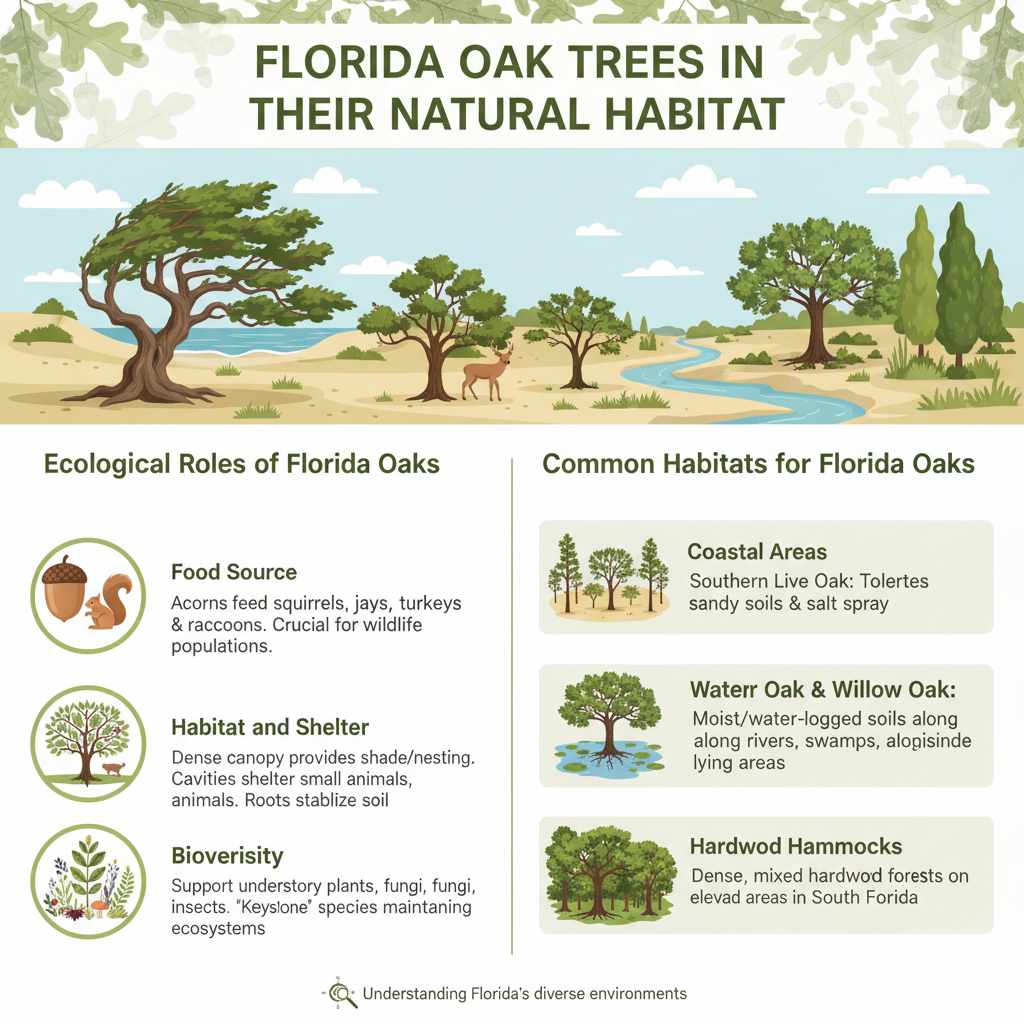
Florida Oak Trees in Their Natural Habitat
Understanding where oak trees thrive in Florida can help you appreciate their ecological importance and how they contribute to the state’s diverse environments. You’ll find them in various settings, from coastal dunes to humid swamps.
Ecological Roles of Florida Oaks
Food Source: Acorns are a vital food source for a wide range of wildlife, including squirrels, jays, deer, turkeys, and raccoons. The timing of acorn production and abundance can significantly impact local wildlife populations.
Habitat and Shelter: The dense canopy of oaks provides shade and shelter for countless species. Their branches offer nesting sites for birds, while cavities in older trees can shelter small mammals and reptiles. The extensive root systems help stabilize soil and prevent erosion.
Biodiversity: Oak forests support a rich array of understory plants, fungi, insects, and other invertebrates, forming complex and resilient ecosystems. They are considered “keystone” species in many habitats, meaning they are fundamental to maintaining the structure and function of their environments.
Common Habitats for Florida Oaks
Coastal Areas: The resilient Southern Live Oak is a master of the coastal environment, tolerating sandy soils and salt spray.
Upland Forests: Oaks like the Turkey Oak and some species of Post Oak are common in the sandy uplands of North and Central Florida, often growing alongside pines.
Wetlands and Riverbanks: Water Oaks and Willow Oaks thrive in areas with consistently moist or even water-logged soils, such as along rivers, swamps, and low-lying areas throughout the state.
Hardwood Hammocks: These are dense, mixed hardwood forests, often found on slightly elevated areas in South Florida, where various oak species can be found alongside other tropical and subtropical trees.
The presence of these oaks contributes to Florida’s unique beauty, offering shade, character, and a home to much of the state’s wildlife.
Frequently Asked Questions About Oak Trees in Florida
1. Can oak trees really grow in Florida’s climate?
Absolutely! Florida is home to several species of oak trees that are perfectly adapted to its warm climate and varied environments. The Southern Live Oak is perhaps the most iconic, thriving across the state, but many other types, like the Water Oak and Willow Oak, also flourish.
2. Are all Florida oak trees evergreen?
No, not all of them are. The Southern Live Oak is famously evergreen, keeping its leaves year-round. However, many other Florida oaks, such as the Water Oak, Willow Oak, and Turkey Oak, are deciduous, meaning they lose their leaves seasonally, typically in the cooler months of late fall and winter.