Ash vs Maple Wood Bats: A Head-to-Head Wood Bat Comparison
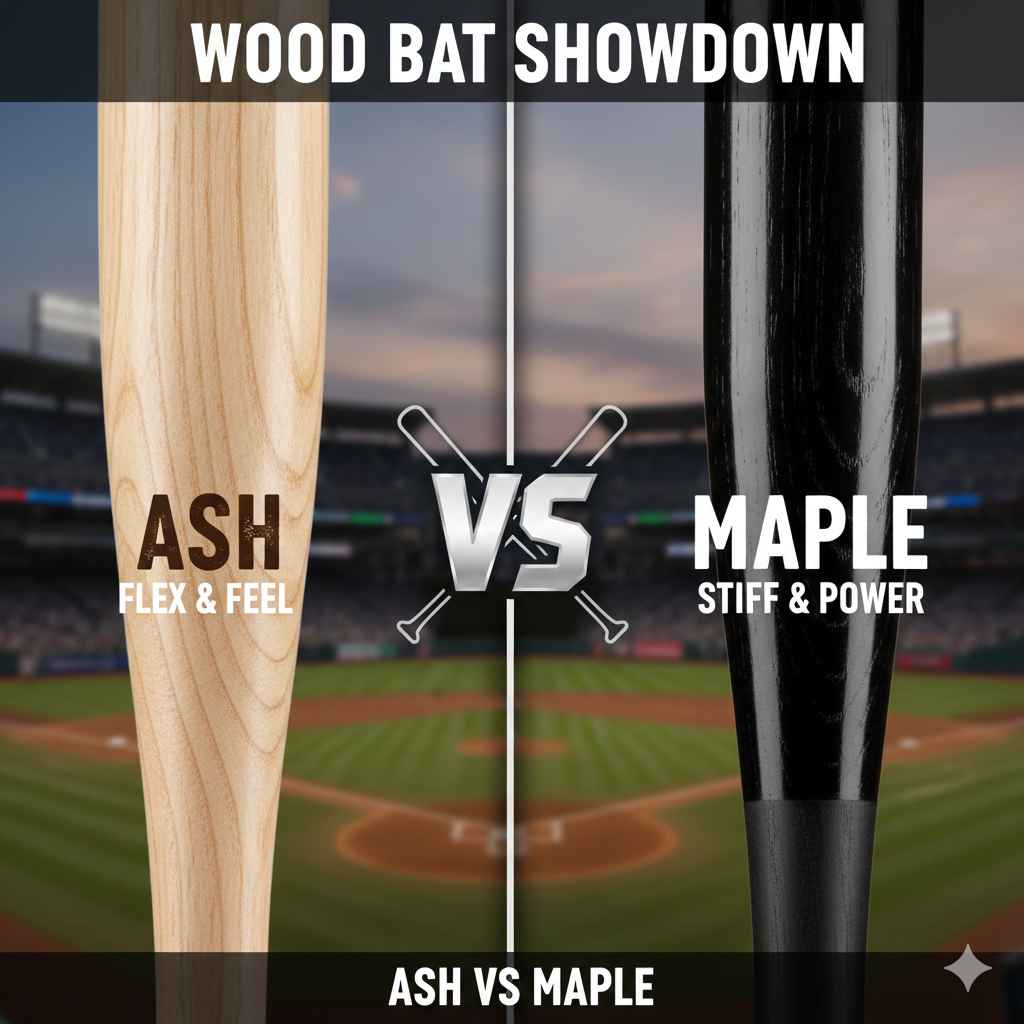
Choosing a wood bat can feel tough, especially when you’re just starting. The question of Ash vs Maple Wood Bats: Which Performs Better? is a common one for new baseball or softball players. There’s a lot of information, and it can be hard to know where to start. Don’t worry, we’ll break it down into simple parts. You’ll soon see which bat could be best for you. We’ll explore the main differences and help you pick the right one.
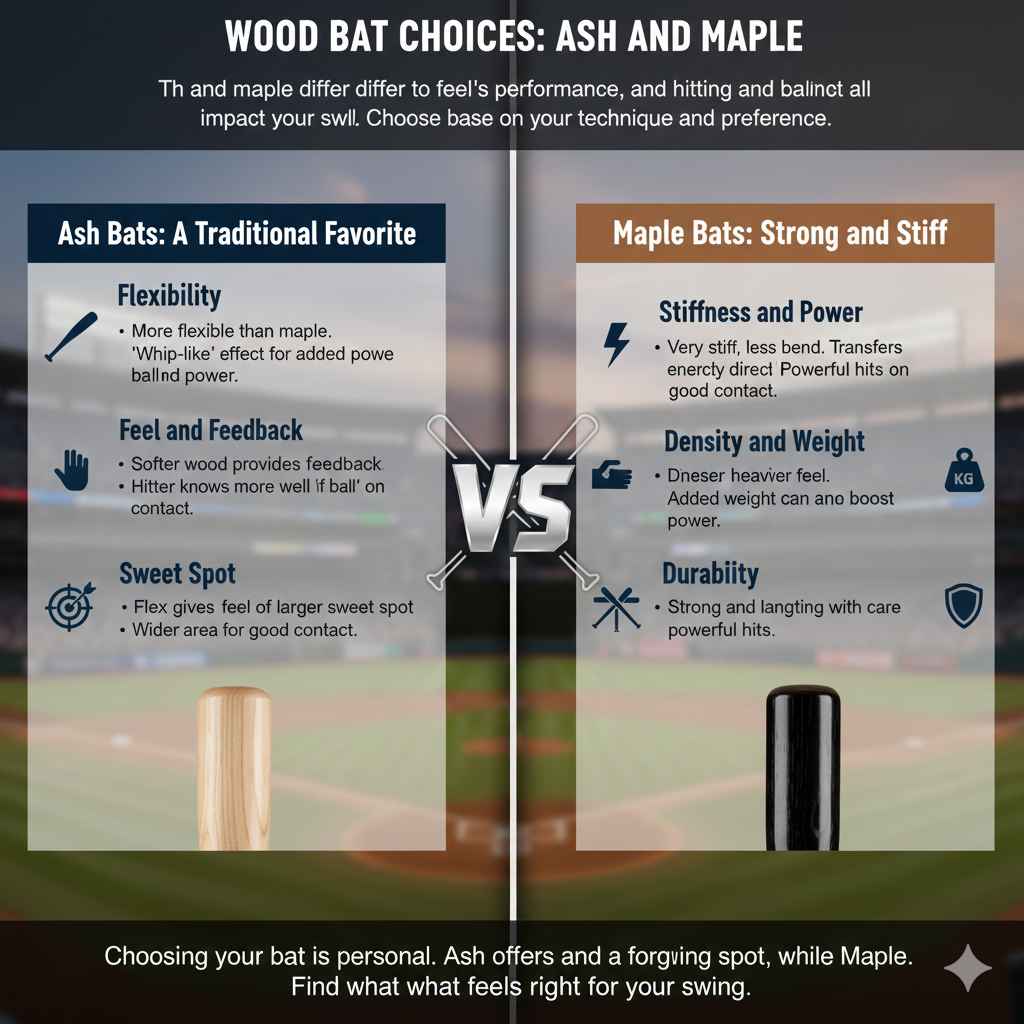
Wood Bat Choices: Ash and Maple
When you’re shopping for a wood bat, you’ll mainly see two types: ash and maple. They look and feel different. They also affect how the ball comes off the bat. The type of wood affects the “sweet spot,” where you want to hit the ball. The wood’s “grain,” or the lines you see, matters. Grain affects the bat’s strength and flexibility. The weight and balance of each bat also makes a difference. Picking between ash and maple comes down to your hitting style and what feels right.
Ash Bats: A Traditional Favorite
Ash has been used in baseball for a long time. It’s a classic choice. Ash bats are known for being flexible. This means they bend a little when you hit the ball. This can help with what feels like a bigger sweet spot. Ash wood has a more open grain. This allows the bat to flex. Ash bats often have a lighter feel. This can help with bat speed. It’s a favorite among some hitters because it’s easier to control.
Flexibility Ash bats are generally more flexible than maple bats. This flex can add a whip-like effect at the point of contact, leading to increased power and distance.
The flex of the bat at the point of impact gives a “whip” effect. This can add power and distance to your hits. The flexibility provides more “feel” when hitting the ball.
Feel and Feedback Ash provides more feedback to the hitter. When you connect with the ball, you can feel it better.
The softer nature of ash provides more feedback. This lets the hitter immediately know how well they hit the ball.
Sweet Spot Because of the flex, ash bats often provide the feel of a larger sweet spot. This means the area where you can hit the ball and still get a good result is bigger.
The flexibility gives the feeling of a larger sweet spot. This means the area where you get good contact is a little wider.
Maple Bats: Strong and Stiff
Maple bats are different from ash. They’re very popular. They are very hard and stiff. They don’t bend as much when hitting the ball. This stiffness transfers more energy to the ball. Maple bats often have a narrower sweet spot. Maple bats can be very strong. Many professional baseball players use them. These bats are known for their power, but it takes good technique to use them effectively. Maple also tends to be very dense.
Stiffness and Power Maple bats are very stiff. This means they don’t bend much when they hit the ball. This stiffness means energy from the swing goes right into the ball, making for a powerful hit.
Maple’s stiffness sends the energy of your swing directly into the ball. This often leads to more powerful hits when you connect well.
Density and Weight Maple bats tend to be denser than ash. This adds weight to the bat. Some hitters find the extra weight helps them hit the ball harder.
The dense nature of maple gives a heavier feel to the bat. Some players find the added weight boosts their hitting power.
Durability Properly cared-for maple bats can last a long time. They’re known for being strong.
If you take care of your maple bat, it can last through many games. Their strength means they can withstand the hits.
The Impact of Grain on Bat Performance
The grain of the wood plays a major part in how a bat works. The grain refers to the lines you see on the bat’s surface. These lines show the direction the wood fibers run. Good grain is key for a bat that performs well and can last. The type of wood and how it is cut affect the grain. Understanding grain helps you pick the right bat and know how to care for it.
Understanding Wood Grain
Wood grain isn’t just about looks. It greatly affects a bat’s strength and performance. For example, straight grain is better because the fibers run evenly. It makes the bat more resistant to breaking. Angled grain, or grain that curves or is uneven, is usually weaker. It’s more likely to split or break on impact. How close together the grains are can also affect performance. Close grains generally mean denser wood.
Straight Grain is Superior Bats with straight grain are more durable. The force of the ball hitting is spread out evenly.
The parallel lines of straight grain allow the force to distribute more evenly during contact. This lessens the chance of breakage.
Density and Grain The closeness of the grain can reveal density. Denser wood generally means the bat can hit the ball farther.
The density of the wood, influenced by grain tightness, contributes to the transfer of energy.
Impact on Breakage Wood with uneven grain is more likely to break. The irregular grain pattern creates weak points.
Uneven grain can create weak areas that can cause a bat to break or splinter more quickly.
Grain Considerations for Ash
Ash bats often have more open grain than maple. This grain structure gives ash its flexibility. While flexibility is an advantage, it means you must choose ash bats carefully. Look for bats with clear, consistent grain. Avoid bats where the grain looks rough or is widely spaced. Good grain will increase the ash bat’s life and performance.
Open Grain and Flex Ash’s more open grain helps give it that flex. This can add power to your hits.
The flexibility of ash is a plus for many players. It adds “whip” to the swing, contributing to greater distance.
Grain Spacing Watch for the distance between the grain lines. More closely spaced lines are often better.
Close grain spacing often implies a higher-quality ash bat.
The Look of Grain Look for clean, straight grain. Avoid bats with knots or irregular patterns.
Even grain ensures even distribution of force when hitting, increasing the bat’s life and performance.
Grain Considerations for Maple
Maple bats are known for having tight grain. Tight grain gives maple its hardness and power. Look for bats with very close grain lines. Avoid bats with any visible defects in the grain. Good maple bats are strong and durable. It’s important to inspect the grain. The best maple bats have a consistent pattern. They transfer energy very efficiently to the ball.
Tight Grain, High Power The tight grain of maple helps transfer energy to the ball. This can lead to powerful hits.
The close grain lines allow the energy from the swing to efficiently transfer to the ball.
Checking for Defects Look closely for knots or irregularities. Any flaws can weaken the bat.
Checking for any defects is important to ensure the bat’s durability and performance.
Grain Direction The direction of the grain is key. Straight grain offers the best performance and durability.
Straight grain maximizes both hitting power and the bat’s lifespan.
Choosing the Right Bat for You
Choosing the right wood bat is a personal process. Think about your batting style, strength, and experience level. Ash and maple have unique traits. You might prefer one over the other. Taking your time, and being patient, is a good way to find the perfect bat. Consider your hitting style and goals. Thinking about these things will help you make a wise choice.
Assessing Your Batting Style
The bat you select should fit how you hit. Do you focus on hitting for power? Or do you prioritize getting on base with solid hits? A power hitter might like a maple bat because of its stiffness. A hitter focused on contact might prefer ash’s flexibility. Your natural swing can help you decide. Think about the results you are usually getting when you hit the ball. The best choice is the bat that feels comfortable.
Power Hitters and Maple If you swing hard and aim for distance, maple might be a good fit.
Maple’s stiffness can give more power when you make contact.
Contact Hitters and Ash Contact hitters often prefer ash for its feel and flex.
The flexible feel of ash may help when you are focused on putting the ball in play.
Experimenting is Key Try out different bats before you decide. See which feels best.
The best bat is the one that fits your style and lets you make consistent, effective contact.
Understanding Bat Weight and Balance
The weight and balance of a bat can hugely change how it feels when you swing it. “Weight” is how much the bat weighs. “Balance” is how the weight is distributed. A balanced bat feels like the weight is spread throughout. A bat with an end-loaded balance has more weight towards the barrel. Lighter bats are easy to swing. Heavier bats can add power to your hits. Experimenting is key.
Weight for Beginners Beginners often start with lighter bats.
Lighter bats are easier to swing and help with hand-eye coordination.
Balanced vs. End-Loaded A balanced bat is good for quick swings and more control. An end-loaded bat adds more power.
A balanced bat is better for all-around hitting. End-loaded bats suit power hitters.
Testing the Feel Pick up bats with different weights and balances. Find the feel that you like.
Try different bats and find the one that feels best for your swing and style.
Care and Maintenance for Wood Bats
No matter which type of wood bat you choose, you have to take care of it. Keeping your bat in good shape will make it last longer. Proper care can also improve its performance. Clean and store your bat in a dry place. Avoid hitting the bat on the ground or in the dirt. Following these easy steps will protect your wood bat.
Cleaning Your Bat After each use, wipe off dirt and grime. This is crucial for keeping your bat in good shape.
Clean your bat carefully after playing. This simple step helps it last longer.
Storage Store the bat in a cool, dry place when it’s not in use. Avoid extreme temperatures and direct sunlight.
Keep your bat in a safe place when you’re not using it. Proper storage protects the wood.
Avoid Bat Abuse Do not slam your bat on the ground. Never hit the bat on the cleats, bases, or other objects.
Respect your bat. Avoid any action that might damage it, like hitting it on hard surfaces.
Performance and Durability Compared
When you’re comparing ash and maple bats, it’s key to look at how they perform. Different factors influence a bat’s performance. The “exit velocity” of the ball is key. This is how fast the ball leaves the bat. Durability also matters, which impacts the lifespan of your bat. While maple bats often give greater exit velocity, ash bats are known for a longer life. The best wood bat depends on your style of hitting. Let’s explore these factors in detail.
Exit Velocity
Exit velocity refers to how fast the baseball comes off the bat. Maple bats often have a higher exit velocity than ash bats. This is because maple is stiffer. When the ball hits a maple bat, much of the swing’s energy transfers to the ball. Ash bats, being more flexible, absorb some of the energy. This often results in a slightly lower exit velocity. The right choice depends on your hitting style. A small difference in exit velocity can result in the ball traveling a greater distance.
Maple and Exit Velocity Maple bats often result in higher exit velocities.
Maple’s stiffness sends more energy into the ball at contact.
Ash and Exit Velocity Ash’s flexibility may lead to slightly lower exit velocities.
The flexibility of the ash bat absorbs some of the energy during the swing.
The Impact of Technique Bat speed and the quality of the swing play a large role.
The speed of your swing and how you hit the ball will matter most.
Durability and Breakage
The durability of a wood bat is a key thing to think about. How long your bat lasts depends on the wood type and how you care for it. Maple is known for its strength. However, it can crack or break if you don’t hit the ball in the “sweet spot”. Ash is usually a bit more flexible and forgiving. It might last longer. The way you care for your bat matters a lot. Always store your bat safely. Also avoid hitting it on the ground or on other hard surfaces. Your care practices strongly impact a bat’s longevity.
Maple’s Strength Maple bats tend to be very durable, but they can break if they are not hit correctly.
Maple’s density and hardness make it strong. Improper use can lead to cracking or breaking.
Ash’s Forgiveness Ash is often more forgiving because of its flex.
The flexibility of ash can prevent breakage and can extend its life if used correctly.
Care and Longevity The way you care for your bat matters most. Proper care is key.
Care like cleaning, correct storage, and avoiding misuse prolong the life of any bat.
Real-World Examples and Case Studies
Real examples help you understand the differences between ash and maple bats. We’ll look at the experiences of both professional players. We’ll also look at what data says about their usage. This gives practical ideas of how different wood types affect performance. You can apply these examples when you decide what’s best for you. These show that a bat choice can have a clear impact on how well someone plays.
The Power Hitter’s Choice Many power hitters in Major League Baseball prefer maple bats. Consider the case of a player known for hitting home runs. He consistently chooses maple. His batting average shows a rise. The balls he hits travel farther. This reveals how the stiffness of maple can help a power hitter.
One famous slugger uses a maple bat to increase his power. The bat’s stiffness transmits more energy to the ball, resulting in more home runs.
The Contact Hitter’s Strategy A player with a focus on hitting singles and getting on base uses ash. He hits for a higher average and fewer strikeouts. This strategy highlights the flexibility of ash. It lets the hitter achieve better contact.
A contact hitter with the ash bat has a higher batting average. The bat’s flex helps with the “sweet spot” of contact.
Analyzing League-Wide Stats Over several seasons, statistical data shows a slight difference in exit velocity. League data consistently shows maple bats having slightly higher average exit velocities. These statistics reflect how different bats are used.
League-wide statistics reveal maple bats contribute slightly more exit velocity, showing their impact on power hitting.
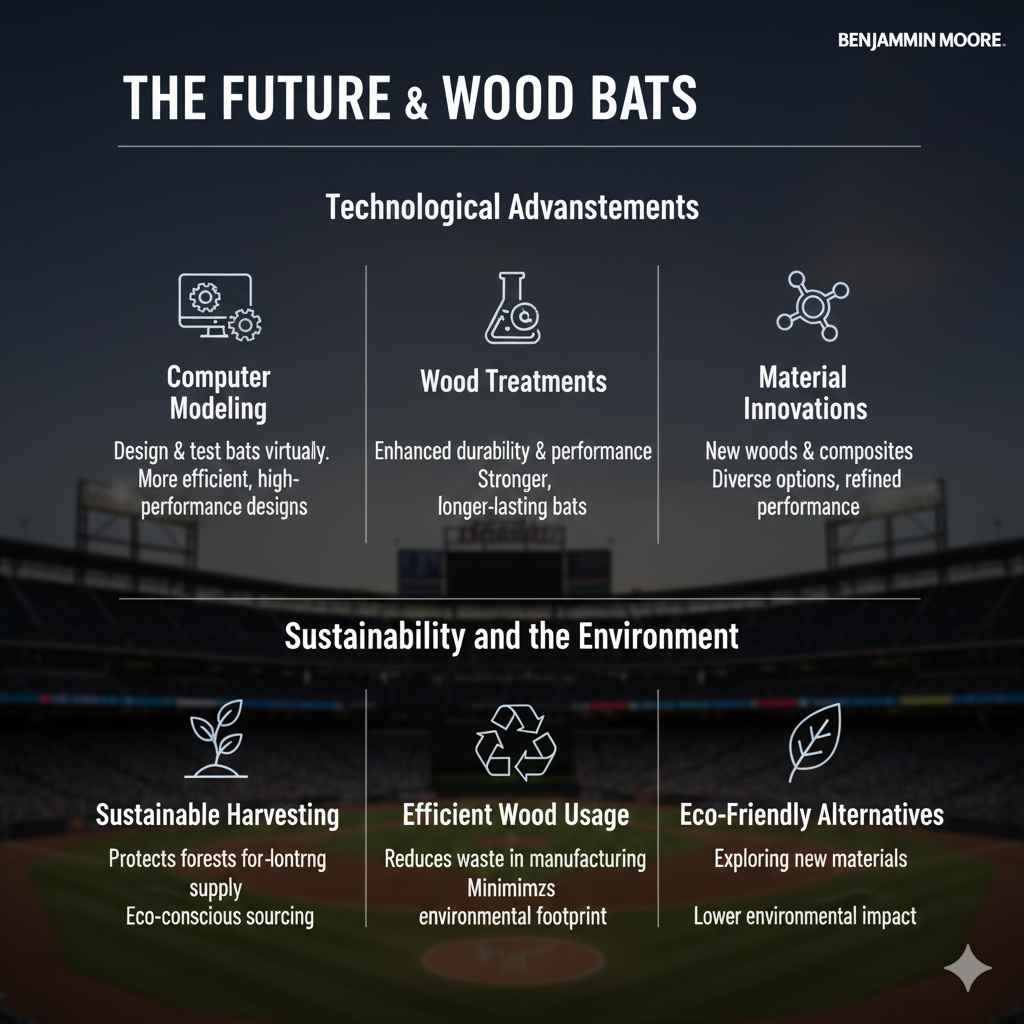
The Future of Wood Bats
The world of wood bats is always changing. As science evolves, so does the way bats are made. Technology also plays a larger role. You can see improvements in wood selection and production techniques. The goal is to make bats that give players better performance and last longer. The improvements give players more options. You can expect to see continuing developments in this space.
Technological Advancements
New technologies are changing wood bat manufacturing. Computer modeling allows bat makers to design bats. They test them before production. This technology can make bats more efficient. Another area is the use of wood treatments. These are ways to make the wood stronger and more durable. Some companies are looking at new types of wood or wood composites. These can offer different performance features. Such improvements can help to refine the way wood bats are made. The improvements in materials science are changing the game.
Computer Modeling Computer designs let bat makers test bats before making them.
Computer models help bat makers create bats with better performance characteristics.
Wood Treatment Wood treatments increase durability and performance.
The way wood is treated can significantly improve how long a bat lasts.
Material Innovations Researching new woods and wood composites creates new options for the future.
The innovations in wood composite materials lead to better-performing bats.
Sustainability and the Environment
The wood bat industry is also thinking about the environment. People are looking at sustainable harvesting practices. The idea is to make sure forests are healthy. There’s a demand for sustainably sourced wood. Another area is figuring out ways to use wood more efficiently. This will reduce waste. This helps the environment and helps the industry. These efforts reflect the importance of caring for the environment.
Sustainable Harvesting Sustainable harvesting ensures a reliable supply of wood and supports forest health.
Sustainable harvesting reduces harm to forests and helps to secure the future of wood bat production.
Efficient Wood Usage Reducing waste is important. Efficient usage minimizes the environmental footprint.
Making efficient use of wood helps reduce resource waste and supports sustainability efforts.
Eco-Friendly Alternatives Some companies are investigating environmentally friendly bat materials.
Companies are researching alternative materials to reduce environmental impact.
Frequently Asked Questions
Question: What is the main difference between ash and maple bats?
Answer: The main difference is the wood’s density and flexibility. Maple is denser and stiffer, while ash is more flexible.
Question: Which bat type is better for power hitting?
Answer: Maple bats are often preferred for power hitting because they tend to have higher exit velocities.
Question: What about contact hitting?
Answer: Ash is often preferred by contact hitters because of the added flex, giving a larger “sweet spot.”
Question: How important is bat weight?
Answer: Bat weight is important. The right weight can improve your swing. The weight affects both swing speed and power.
Question: How can I make my wood bat last?
Answer: Protect your bat, store it well, and avoid hitting on hard surfaces.
Final Thoughts
Picking between Ash vs Maple Wood Bats: Which Performs Better? depends on your style of play and what you want in a bat. Ash bats are a classic choice. They offer a flexible feel and feedback. This makes them a great option for hitters who prioritize contact. Maple bats are known for power. They offer a stiffer feel. They are often the choice of hitters who are swinging for the fences. The grain of the wood plays a part, too. A close, straight grain is best. To decide, try out different bats and find the one that feels right. By considering these points, you can pick a wood bat that fits your hitting goals. With the right bat, you will be on your way to success!