Ash Wood Benefits: Proven, Essential Uses
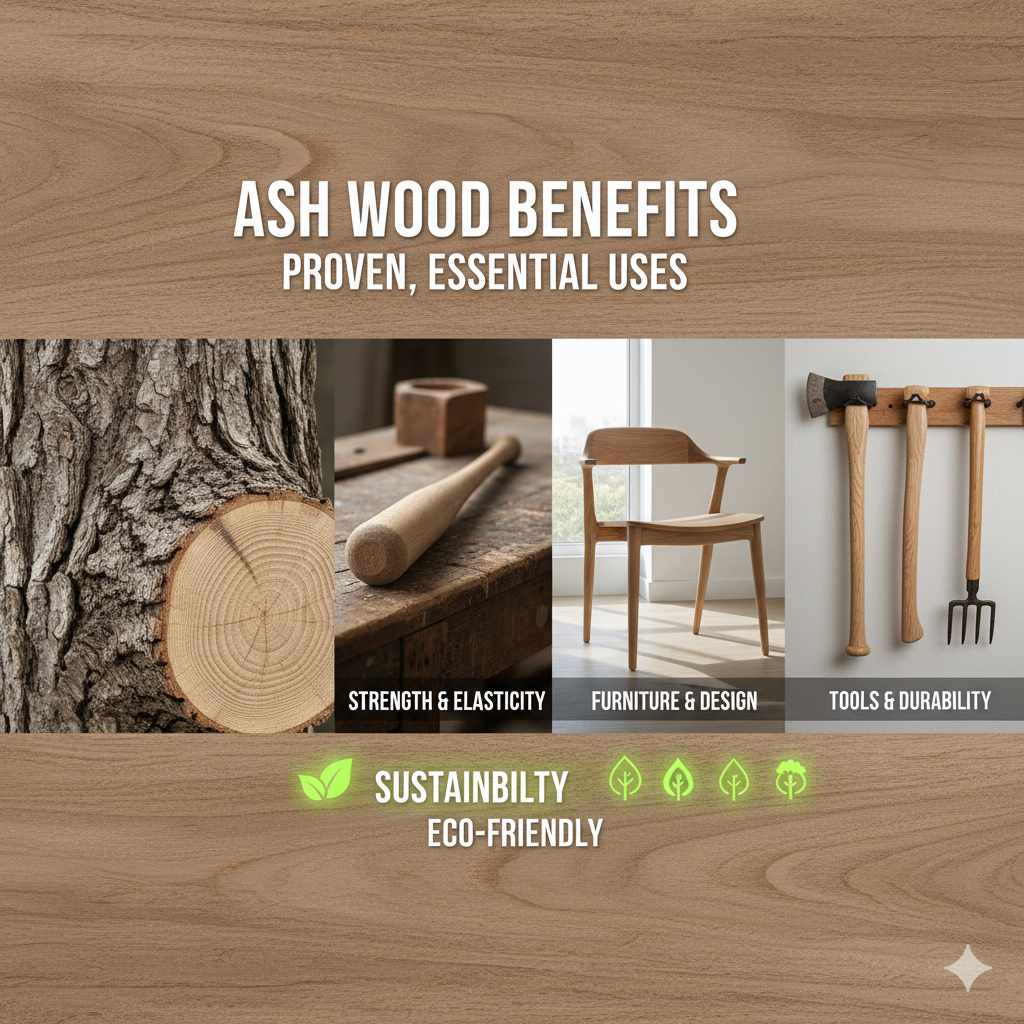
Ash wood offers impressive strength, shock resistance, and a beautiful grain, making it ideal for furniture, tool handles, sports equipment, and flooring. Its versatility and affordability provide excellent value for DIY projects and woodworking enthusiasts.
Hey there, woodworking adventurers! Ever looked at a piece of furniture or a sturdy tool handle and wondered what makes it so tough and good-looking? Often, the secret ingredient is a humble yet mighty hardwood called ash. If you’re just starting out, picking the right wood can feel overwhelming. But guess what? Ash is a fantastic choice for beginners, offering a great balance of workability, durability, and beauty without breaking the bank. We’re about to dive into why ash wood is a workshop favorite and explore its amazing uses. Let’s get crafting!
What is Ash Wood? A Beginner’s Guide
Ash wood comes from ash trees, primarily species like White Ash (Fraxinus americana) and Green Ash (Fraxinus pennsylvanica). These trees are native to North America and Europe and are known for their strength and distinctive grain patterns. When we talk about ash wood in woodworking, we’re usually referring to the wood from these species.
For someone new to woodworking, ash might look similar to oak at first glance. However, ash typically has a straighter, more uniform grain and is generally lighter in color, ranging from creamy white to light brown. It’s also known for its excellent shock-absorbing qualities, which is a key reason it’s used in demanding applications.
The Beauty of Ash Wood’s Grain
One of the things that makes ash wood so appealing is its grain. It’s often characterized by prominent, straight lines, giving it a clean and elegant look. This straight grain makes it relatively easy to work with, whether you’re cutting, sanding, or finishing. You can achieve a smooth, beautiful surface. The distinct pattern is also a big plus for furniture and decorative items where aesthetics matter.
Here’s a quick look at some visual characteristics:
- Grain Pattern: Typically straight and prominent.
- Color: Ranges from creamy white to light brown, sometimes with darker streaks.
- Texture: Medium to coarse texture with large pores, which can be filled for a smoother finish if desired.
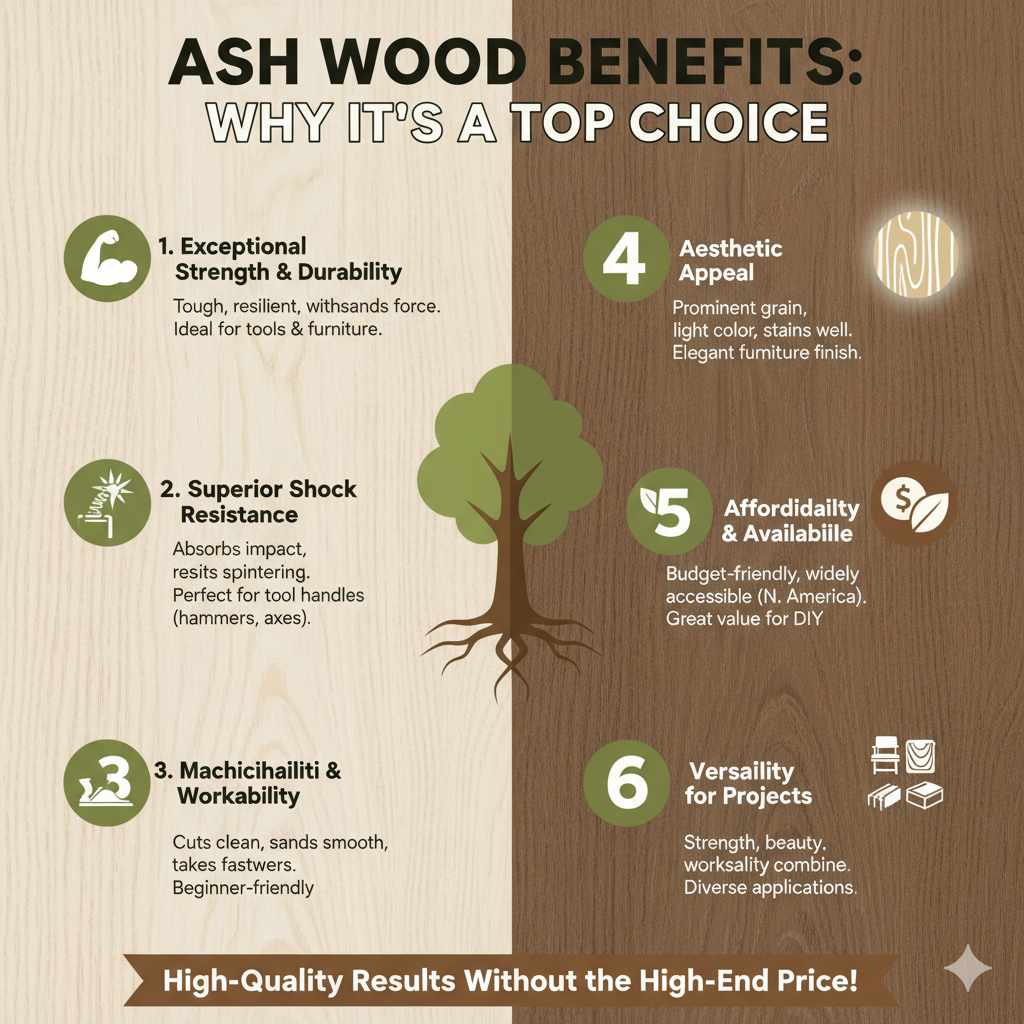
Ash Wood Benefits: Why It’s a Top Choice
So, what makes ash wood so special? It’s not just one thing; it’s a combination of fantastic qualities that make it a go-to material for many projects. Let’s break down the key benefits that make ash wood a winner for both experienced woodworkers and enthusiastic beginners.
1. Exceptional Strength and Durability
Ash is renowned for its incredible strength-to-weight ratio. It’s a hardwood that’s tough and resilient, meaning it can withstand significant force without breaking or denting easily. This makes it perfect for items that need to be strong and last a long time.
Think about it: tools that get hammered, baseball bats that get swung hard, or chairs that get sat on daily. Ash can handle it. This durability means your ash wood projects will stand up to wear and tear, making them a wise investment.
2. Superior Shock Resistance
This is where ash truly shines! It has excellent shock-absorbing properties, making it ideal for applications that involve repeated impacts or vibrations. This is why ash has been the traditional wood of choice for tool handles, like hammers, axes, and shovels, for generations.
When a hammer strikes a nail, the handle needs to absorb that shock without splintering or cracking. Ash does this remarkably well. For DIY projects, this means your creations will be more robust and less prone to damage from everyday use.
3. Machinability and Workability
As a beginner, you want wood that’s easy to work with. Ash is generally straightforward to machine and work by hand. It cuts cleanly, sands smoothly, and takes fasteners (like screws and nails) well. While its hardness means you might need slightly sharper tools, it doesn’t typically split or chip excessively, which can be a frustration with softer woods.
Whether you’re using power tools like a saw or router, or working with hand tools, ash is cooperative. Its generally straight grain also means it peels less when planing and is less likely to tear out when routing, leading to cleaner edges and surfaces right from the start. This makes for a more rewarding building experience!
4. Aesthetic Appeal
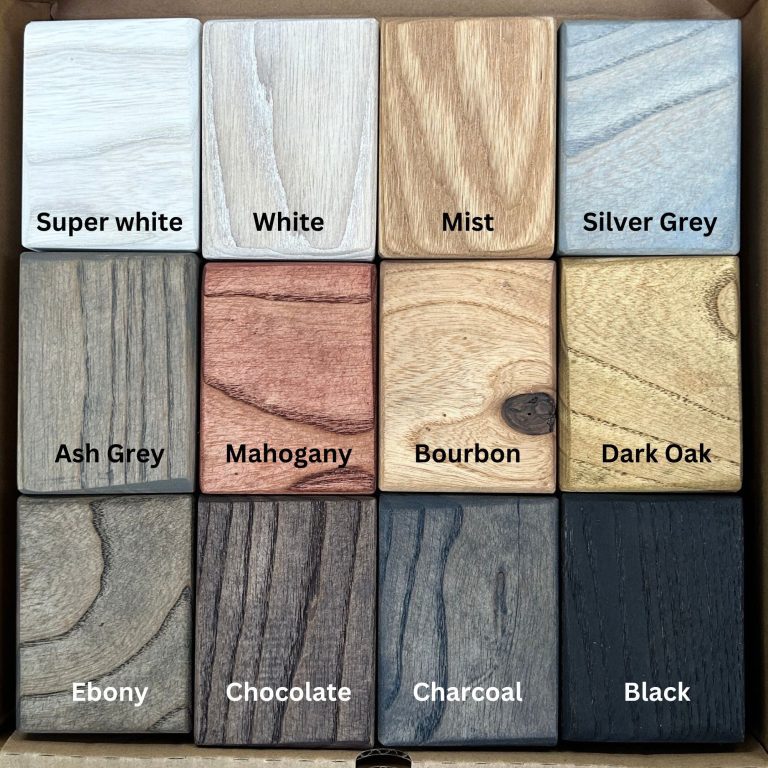
Beyond its practical strengths, ash wood has a beautiful appearance. Its prominent grain lines and light, creamy color create a natural elegance. It takes stains well, allowing you to achieve various looks, from a light, natural finish to a deeper, richer tone. When finished, ash can have a lovely luster that highlights its unique grain patterns.
This makes ash a versatile choice for furniture. Whether you’re building a simple coffee table, a set of chairs, or even a decorative wall panel, ash can provide a sophisticated finish that enhances any room.
5. Affordability and Availability
Compared to some other premium hardwoods like walnut or cherry, ash is often more budget-friendly. It’s widely available, especially in North America, making it accessible for DIYers and hobbyists. This combination of quality and cost-effectiveness makes ash an excellent value proposition for your projects.
For beginners who might be experimenting and learning, using a more affordable material like ash means you can practice your woodworking skills without the worry of ruining expensive lumber. You get a high-quality result without the high-end price tag.
6. Versatility for a Wide Range of Projects
The combination of strength, shock resistance, beauty, and workability means ash can be used for an impressive array of woodworking projects. It’s not limited to just one or two applications. This versatility is a huge benefit when you’re just starting out and want to tackle different kinds of creations.
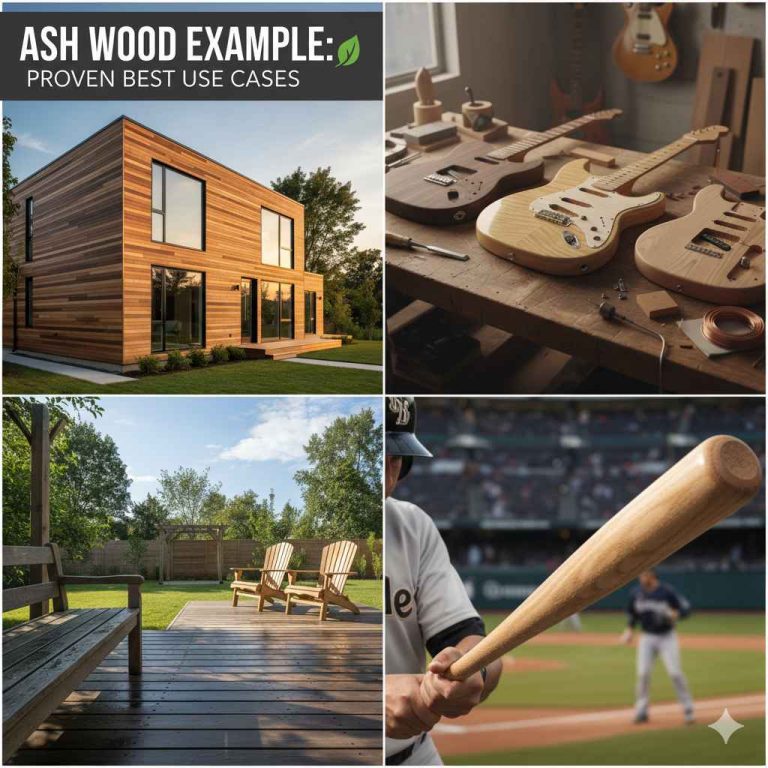
Proven, Essential Uses of Ash Wood
Now that we understand why ash wood is so great, let’s look at the specific ways it’s used. These are tried-and-true applications where ash wood truly excels, proving its worth time and time again.
1. Furniture Making
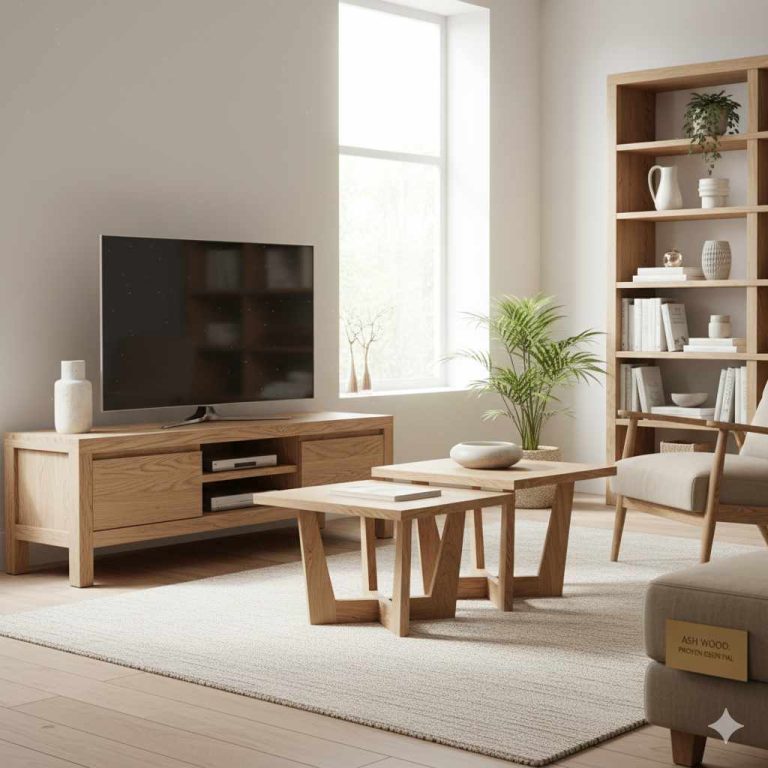
Ash is a classic choice for furniture. Its strength means it’s perfect for structural components like legs, frames, and tabletops. Its appealing grain makes it beautiful for visible parts of chairs, tables, cabinets, and beds. It offers durability for pieces that get a lot of daily use.
- Chairs: The strength and slight flexibility of ash make it ideal for chair frames and legs.
- Tables: Tabletops and bases benefit from ash’s durability and attractive grain.
- Cabinets and Shelving: Provides sturdy construction that can hold weight and look good.
- Beds: Used for bed frames and headboards due to its strength.
2. Tool Handles
As mentioned, this is perhaps one of ash’s most iconic uses. The shock-absorbing quality is paramount here. A well-made ash handle will:
- Reduce vibration transmitted to the user’s hands.
- Withstand the impact of striking or prying.
- Offer a comfortable grip.
You’ll find ash handles on everything from hammers and mallets to shovels, axes, and even firearms stocks. For DIY tool makers or restorers, using ash for handles is a natural choice.
3. Sports Equipment
The combination of strength, shock resistance, and lightness makes ash wood a popular material for various sporting goods. It needs to be tough enough to withstand the forces involved in sports but also relatively light for good performance.
Examples include:
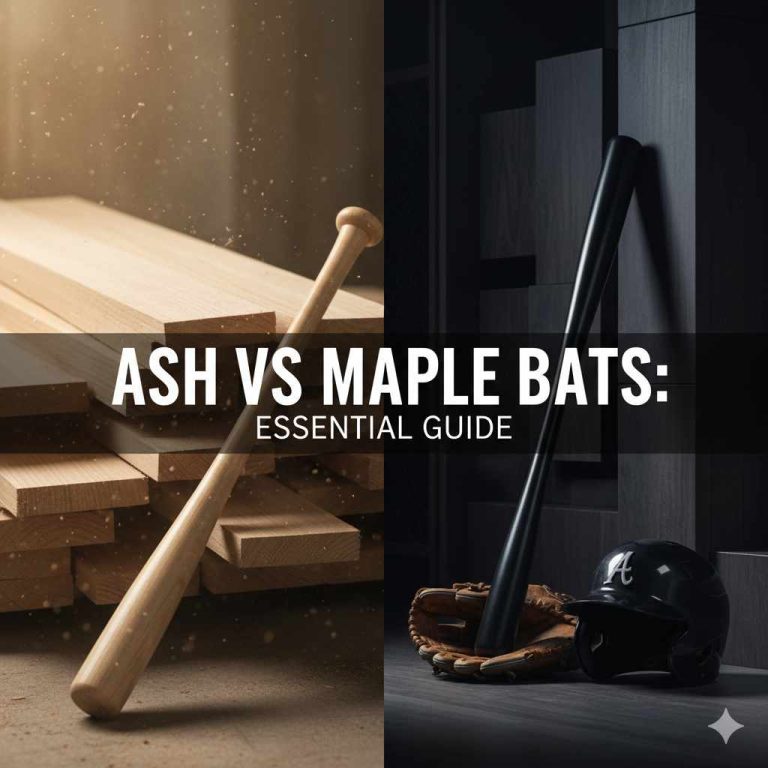
- Baseball Bats: Ash was the traditional material for baseball bats before aluminum and composite materials became prevalent. Its ability to absorb the impact of a baseball and its strength are key. (Professional baseball still sees some ash bats used).
- Hockey Sticks: Historically, ash has been used for hockey stick blades and shafts, prized for its durability and responsiveness.
- Ski Poles: Some traditional or custom ski poles utilize ash for its strength and shock absorption.
4. Flooring
Ash wood flooring is a popular choice for homes and commercial spaces. Its hardness and durability mean it can withstand foot traffic well. The lighter color and prominent grain can also add a bright, natural look to an interior space.
When used for flooring, ash is typically finished with a protective coating to enhance its longevity and resistance to scratches and moisture. The straight grain can create a seamless, elegant look across a room.
5. Musical Instruments
In the world of musical instruments, the tonal properties of wood are crucial. Ash is sometimes used in the construction of electric guitar bodies, basses, and drums. Its density and resonant qualities can contribute to clear and sustained tones.
Different types of ash can offer slightly different sonic characteristics, but generally, it provides a good balance of brightness and sustain valued by musicians and instrument makers.
6. Cabinetry and Millwork
Beyond freestanding furniture, ash is an excellent material for built-in cabinetry, doors, and decorative millwork. Its stability, attractive grain, and ability to take finishes make it a versatile option for custom interior details. Whether it’s kitchen cabinets or wainscoting, ash can add a touch of natural beauty and lasting quality to your home.
7. Ash vs. Oak: A Quick Comparison for Beginners
Many beginners face the choice between ash and oak, as they share some similarities. Understanding their differences can guide your wood selection. Here’s a simple comparison:
| Feature | Ash Wood | Oak Wood (Red/White) |
|---|---|---|
| Strength | Very high; excellent shock resistance. | High; very durable and hard. |
| Grain Pattern | Generally straighter, more open, and prominent. | More varied; can be straight or wavy, often with a more pronounced ray fleck (cathedral patterns). |
| Color | Light creamy white to light brown. | Can range from reddish-brown (Red Oak) to light brown with grayish hues (White Oak). |
| Workability | Good; cuts and shapes well, smooth finish. Lighter than oak. | Good; can be slightly harder to work than ash, may have more tear-out. Heavier than ash. |
| Pores | Large pores, open-grained. | Large pores, open-grained (especially Red Oak). |
| Cost | Generally more affordable than oak. | Slightly more expensive than ash. |
| Typical Uses | Tool handles, furniture, sports equipment, flooring, cabinetry. | Furniture, flooring, cabinetry, boat building, barrels (White Oak). |
As you can see, both are fantastic hardwoods. Ash often wins out for applications needing high shock resistance and a lighter appearance, while oak is a workhorse for general furniture and construction where its density and varied grain appeal.
Working with Ash Wood: Tips for Beginners
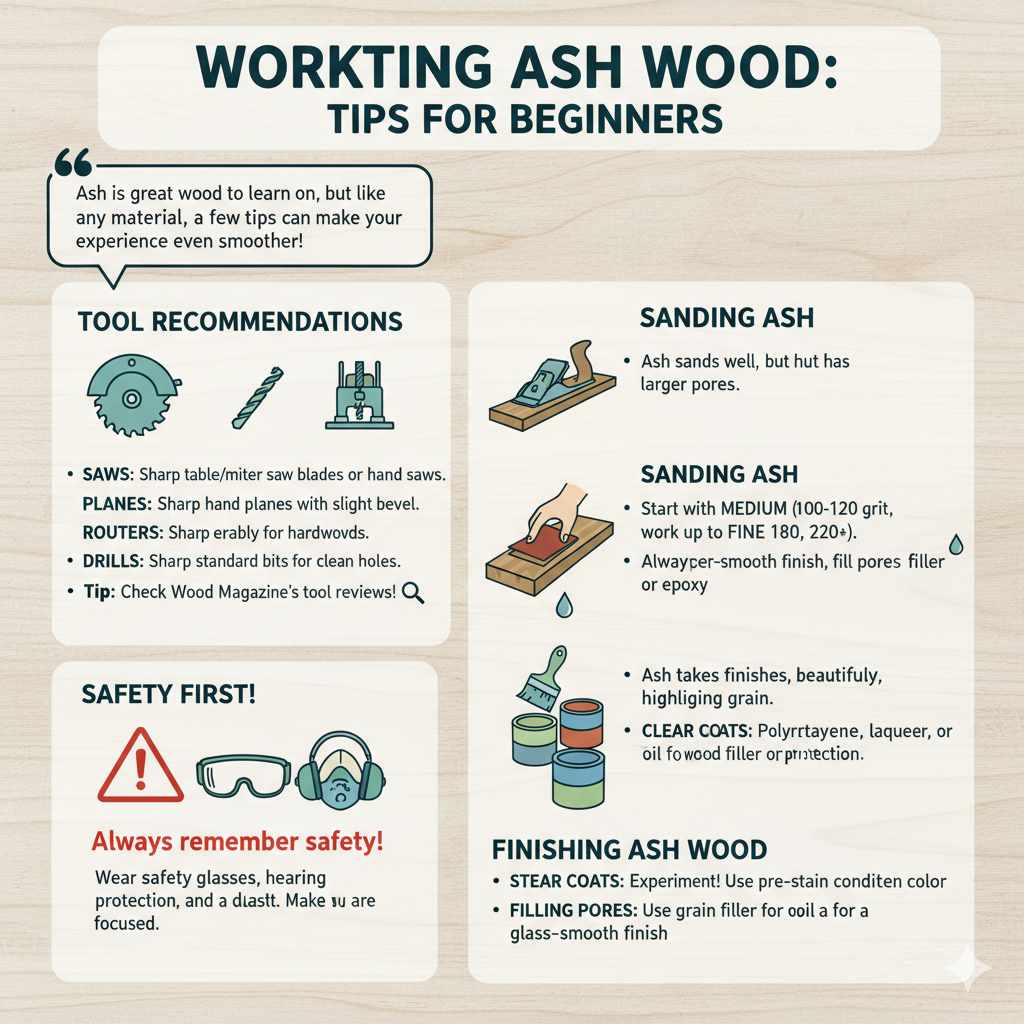
Ash is a great wood to learn on, but like any material, a few tips can make your experience even smoother. You don’t need to be a master craftsman to get great results!
Tool Recommendations
For cutting and shaping ash, you’ll want tools that are sharp. This is true for all hardwoods, but especially for those with prominent grain like ash.
- Saws: A sharp table saw blade or miter saw blade will cut ash cleanly. For hand saws, ensure they are well-sharpened.
- Planes: Sharp hand planes will work well. A slight bevel on the plane blade can help prevent tear-out.
- Routers: Router bits should be sharp and specifically designed for hardwoods if possible.
- Drills: Standard drill bits work, but ensure they are sharp for clean holes.
You can find reliable woodworking tools from reputable retailers like Wood Magazine’s tool reviews, which often provide insights into which tools perform best on different types of wood.
Sanding Ash
Ash sands well, but remember it has larger pores. For a super-smooth finish, you might want to fill these pores. You can use a wood filler or an epoxy designed for wood pores.
Start with a medium grit sandpaper (like 100 or 120 grit) and work your way up to finer grits (180, 220, and even higher if needed). Always sand in the direction of the grain to avoid visible scratches.
Finishing Ash Wood
Ash takes finishes beautifully. Because of its prominent grain, you can highlight it with various stains and topcoats.
- Staining: Ash accepts stain well. Experiment with different colors. A pre-stain conditioner can help achieve a more even color, especially if you’re new to staining.
- Clear Coats: Polyurethane, lacquer, or oil finishes can protect the wood and bring out its natural beauty. For furniture or high-traffic items, a durable polyurethane is a great choice.
- Filling Pores: If you want a glass-smooth finish, using a grain filler before applying your final coating is recommended. This fills in the larger pores of the ash.
Safety First!
Always remember safety. When working with power tools, wear safety glasses, hearing protection, and a dust mask. Make sure you are familiar with how to use each tool safely. The Occupational Safety and Health Administration (OSHA) provides excellent resources on workshop safety.
Frequently Asked Questions (FAQ) About Ash Wood
Here are some common questions beginners have about ash wood:
What is the main benefit of ash wood?
The main benefit of ash wood is its exceptional strength and shock resistance, making it very durable and ideal for demanding applications like tool handles and sports equipment.
Is ash wood good for beginners?
Yes, ash wood is excellent for beginners. It’s relatively easy to work with using both hand and power tools, takes finishes well, and is more affordable than some other hardwoods, making it a great material to practice on.
How does ash wood compare to pine for furniture?
Ash is a hardwood, making it significantly stronger, more durable, and more resistant to dents and scratches than pine (a softwood). Pine is easier to cut and cheaper, but ash will last much longer and withstand more abuse.
Will ash wood splinter easily? Is it hard to cut?
Ash is a hardwood, so it’s tougher than softwoods. It doesn’t typically splinter easily due to its strength and straight grain. While it’s harder than pine, it cuts and shapes well with sharp tools, making it manageable for beginners.
Can you use ash wood outdoors?
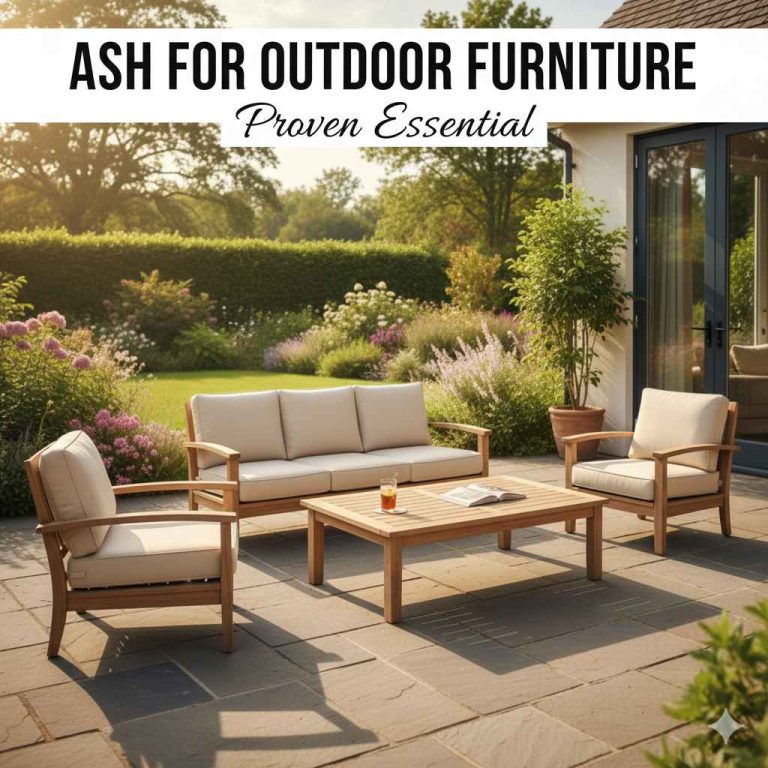
Ash wood can be used outdoors, but it requires proper sealing and finishing to protect it from moisture, UV rays, and insects. Woods like White Oak or Cedar are generally more naturally resistant to decay for long-term outdoor exposure without constant maintenance.
What is ash wood commonly used for?
Ash wood is commonly used for furniture (chairs, tables), tool handles, baseball bats, flooring, musical instruments (like guitar bodies), and cabinetry due to its strength, shock resistance, and attractive grain.
Does ash wood have prominent pores that affect finishing?
Yes, ash wood has large, prominent pores, giving it an open grain. This can be a desirable aesthetic, highlighting the grain. However, for a perfectly smooth, glass-like finish, you may need to use a grain filler to fill these pores before applying your topcoat.
Conclusion: Your Next Project Awaits with Ash Wood!
As you can see, ash wood isn’t just another type of lumber; it’s a workhorse with a beautiful personality. Its impressive blend of strength, flexibility, and stunning grain makes it a favorite for good reason. For those just stepping into the world of woodworking, ash offers a forgiving yet rewarding experience. Whether you’re dreaming of crafting durable furniture, building ergonomic tool handles, or even creating your own sports equipment, ash wood provides the performance and beauty you need.
Remember its key benefits: amazing durability, fantastic shock absorption, and a pleasant workability that doesn’t demand expert-level skills. Plus, its affordability means you can dive in and start creating without a huge financial commitment. So, next time you’re at the lumberyard or browsing online, don’t hesitate to pick up some ash. With a little guidance, a sharp tool, and a safety-conscious approach, you’ll be amazed at the beautiful and functional projects you can bring to life. Happy woodworking!