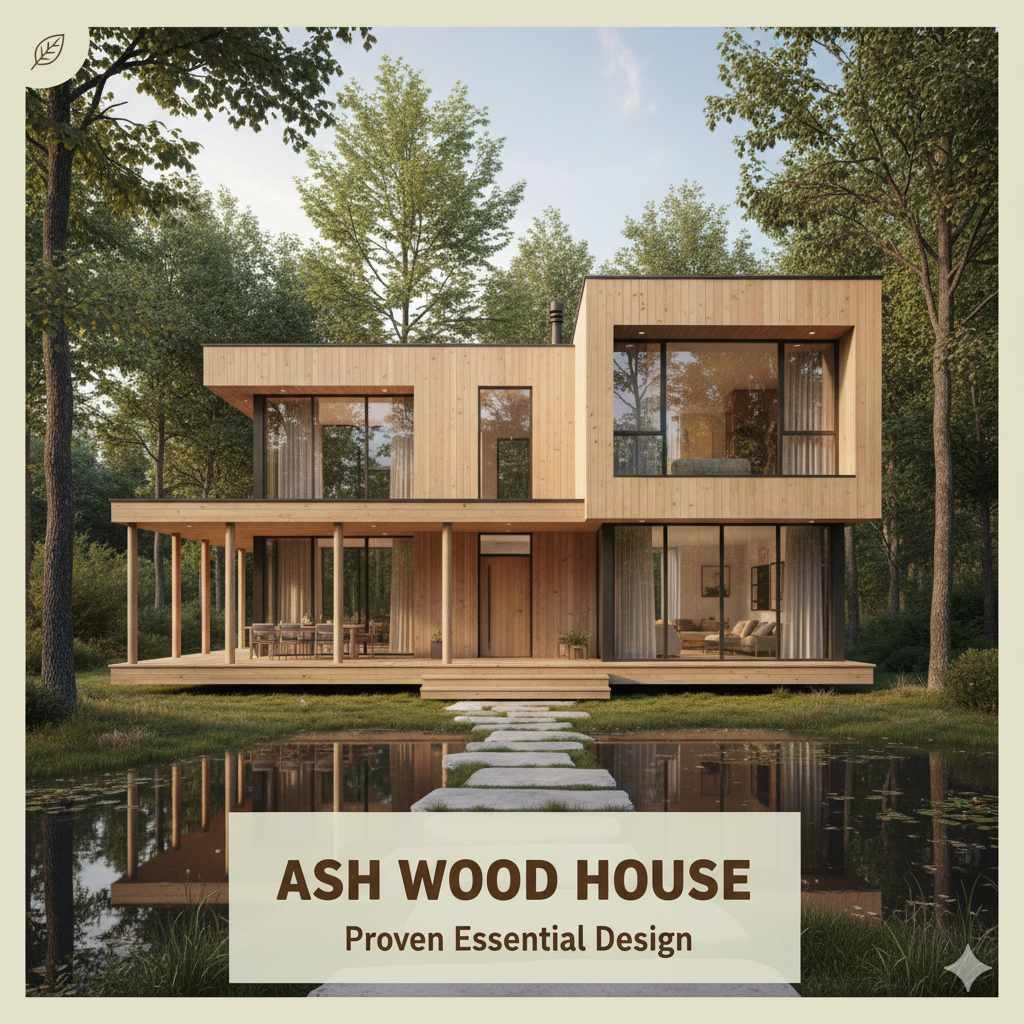
Ash Wood House: Proven Essential Design
Build a beautiful and lasting “ash wood house” with these essential, beginner-friendly design principles. Learn why ash is a fantastic choice and discover proven methods for incorporating it effectively into your home, ensuring durability, style, and a welcoming atmosphere. This guide covers everything you need to know to get started, making your dream ash wood home achievable.
Ever dreamed of a home that feels both strong and naturally beautiful? Many folks are drawn to the idea of a house built with natural materials, and wood is a top choice. But with so many types of wood out there, picking the right one can feel a bit overwhelming. You want something that looks great, lasts a long time, and is also a good value. If you’re curious about building with wood, especially a material that offers excellent strength and a lovely look, you’re in the right place. We’re going to explore why ash wood is a fantastic option for your home’s design and how to use it wisely. Get ready to discover simple, proven ways to bring an ash wood house to life!
Why Choose Ash Wood for Your Dream Home?
When thinking about building a home, the type of wood you choose is super important. It affects how your house looks, how strong it is, and even how much it costs. Ash wood is a fantastic contender, and for good reason! It’s a hardwood known for its impressive strength, flexibility, and a beautiful, often straight grain pattern that can give your home a clean, classic look. Let’s dive into why ash is such a smart choice for homeowners and DIYers.
The Incredible Strength and Durability of Ash
Ash wood is often compared to oak for its toughness. It’s incredibly strong and resistant to breaking, making it a reliable material for structural elements in a house. This means walls, beams, and even flooring made from ash can stand the test of time and daily wear and tear. For a home, durability is key. You want something that can handle everything from changing weather to the hustle and bustle of family life. Ash delivers on this promise, offering peace of mind for years to come.
Did you know that ash was traditionally used for tool handles and baseball bats? This tells you something about its natural shock resistance and ability to withstand impact. When applied to home design, this translates to a sturdy and resilient structure.
Aesthetic Appeal: The Look of Ash Wood
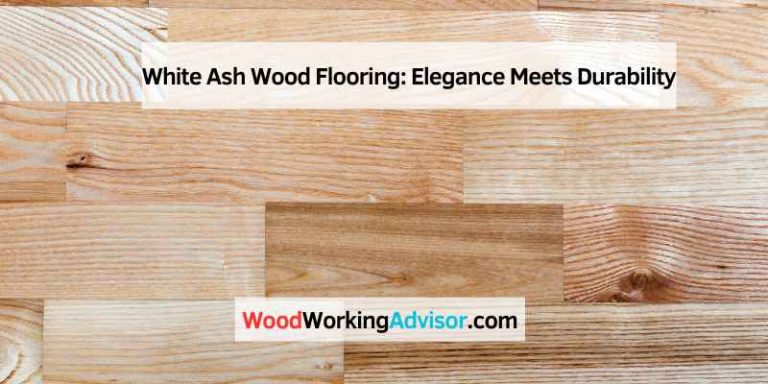
Beyond its strength, ash wood boasts a natural beauty that many find appealing. Its color typically ranges from creamy white to light brown, sometimes with pinkish hues. The grain is usually straight and can have a lovely, even texture. This makes it versatile for different design styles – from modern and minimalist to cozy and rustic. Whether you’re using it for wall paneling, trim, cabinetry, or even exterior siding, ash adds a touch of natural elegance that’s hard to beat.
The grain pattern can also feature prominent rays, which add a subtle decorative element. When finished, ash can take on a beautiful sheen, highlighting its natural character without overpowering the space.
Versatility in Design and Application
Ash wood isn’t just for big structural parts. Its versatility means you can use it in many ways throughout your home. Think about beautiful hardwood floors that invite you in, custom kitchen cabinets that are both stylish and tough, or elegant stair railings that feel smooth and solid under your hand. Even smaller details like window frames or decorative beams can make a big difference. This adaptability allows you to create a cohesive look and feel throughout your entire ash wood house.
Sustainability and Availability
When choosing building materials, it’s also good to consider where they come from. Ash trees are common in many parts of North America and Europe. When sourced responsibly, ash wood can be a sustainable choice for home building. Many lumber suppliers are committed to sustainable forestry practices. Checking with your local lumberyard or mill about the origin of their ash wood is always a good idea. Resources from organizations like the Forest Stewardship Council (FSC) can help you understand sustainable wood sourcing.
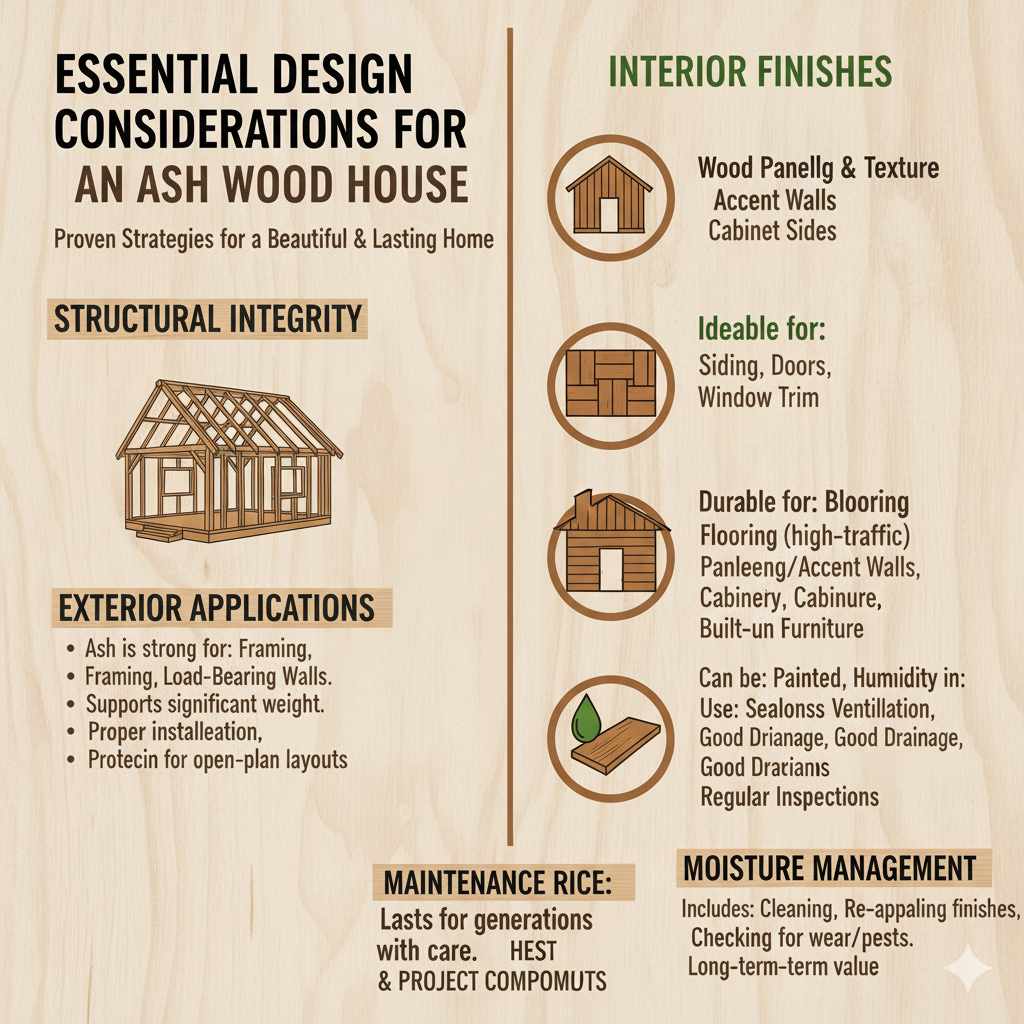
Essential Design Considerations for an Ash Wood House
Designing a house is exciting, and an ash wood house offers a unique canvas. To make sure your home is not only beautiful but also functional and long-lasting, there are a few key design points to keep in mind. These are proven strategies that help you make the most of ash wood’’s properties and create a space you’ll love.
Structural Integrity: Using Ash for Strength
The primary advantage of ash is its strength. When designing the core structure of your home – the framing, beams, and load-bearing walls – ash is an excellent choice. It can support significant weight, which is crucial for a safe and stable house. Work with your architect or builder to ensure that the dimensions and placement of ash structural elements meet all local building codes and engineering requirements.
Using ash for posts and beams can create a rustic, open-plan feel, especially in areas like the living room or kitchen. Its natural strength means you might be able to span longer distances, leading to more flexible interior layouts.
Exterior Applications: Protection and Aesthetics
Can ash wood be used on the outside of your house? Absolutely! Ash can be a durable option for exterior siding, doors, and window trim. However, it’s vital to protect it from the elements. This means using high-quality exterior finishes, regular maintenance, and proper installation techniques to prevent moisture from getting into the wood. Properly treated and finished ash siding can offer a warm, inviting exterior that’s also very robust.
For exterior use, choosing wood treated for outdoor conditions or applying multiple layers of protective sealants and paints is a must. Consider the local climate – areas with high humidity or heavy rainfall will require more diligent protection.
Interior Finishes: Bringing Warmth and Style
Inside, ash wood truly shines. Its natural color variations and grain can create stunning visual appeal. For flooring, ash offers a durable surface that’s suitable for high-traffic areas. Its light color can also make rooms feel brighter and more spacious.
When it comes to interior paneling or accent walls, ash can introduce a natural, calming element. Imagine a living room accent wall clad in ash planks, or a dining room with ash wainscoting. It adds texture and warmth that synthetic materials can’t replicate.
For cabinetry and built-in furniture, ash provides a sturdy and aesthetically pleasing option. Its smooth surface is ideal for painting or staining, allowing you to customize the look to match your decor. A natural clear coat can also beautifully showcase ash’s inherent grain.
Moisture Management: A Crucial Step
Like all natural wood, ash needs to be protected from excessive moisture. This is especially true if you’re using it in areas prone to humidity, like bathrooms or kitchens, or for exterior applications. Proper sealing, ventilation, and regular inspections are key. Using moisture-resistant finishes and ensuring good drainage around the exterior of your home will help protect your ash wood elements.
For interior applications, consider using a high-quality sealant or varnish, especially in kitchens and bathrooms. Proper ventilation, such as exhaust fans, will also help manage humidity levels.
Maintenance and Longevity
An ash wood house, when cared for properly, can last for generations. Regular maintenance will keep your wood looking its best and protect it from damage. This can include cleaning, re-applying protective finishes every few years, and checking for any signs of wear or pest damage. The initial investment in quality materials and good design will pay off in the long run with a beautiful and enduring home.
Step-by-Step Guide: Designing Your Ash Wood House Elements
Ready to get hands-on with designing your ash wood house? Whether you’re working with professionals or planning some DIY projects, it’s helpful to understand the basic steps involved. We’ll break down how to approach designing key elements using ash wood, keeping it simple and actionable for beginners.
Step 1: Planning and Material Selection
Before you buy a single plank, you need a solid plan. Decide which parts of your house you want to be made of ash. Will it be the main structure, just the interior finishes, or a mix? Based on your design choices, you’ll need to determine the quantity and type of ash lumber required. Look for reputable lumber suppliers who can provide high-quality, kiln-dried ash. Kiln-drying helps stabilize the wood and reduce the risk of warping or cracking.
Consider the moisture content of the wood. For indoor use, wood should typically have a moisture content of 6-12%. For outdoor use, it might require different treatment. Tools like a moisture meter can be very helpful for DIYers.
Step 2: Structural Design (If Applicable)
If you’re using ash for structural components like beams or framing, this step involves detailed architectural and engineering plans. You’ll need to specify the size and grade of the ash lumber needed. This is where working with a qualified architect or structural engineer is essential. They will ensure that your design meets all safety standards and building codes.
For example, a load-bearing beam made of ash will have specific dimensions calculated based on the span it needs to cover and the load it will carry. Don’t guess on structural elements; always rely on professional guidance.
Step 3: Designing Interior Finishes
This is where you can let your creativity flow! For ash wood floors, think about the plank width and finish. Wider planks often give a more modern feel, while narrower planks can suit a traditional look. For walls, decide on paneling, shiplap, or even just accent pieces. For ash cabinetry, sketch out the style – shaker, slab, or raised panel doors, and consider the hardware.
You can create mood boards with images of ash wood interiors to help visualize your desired look. Websites like Houzz and Pinterest are great for inspiration.
Step 4: Choosing Protective Finishes
Selecting the right finish is crucial for both the look and longevity of your ash wood. For floors, a durable polyurethane or a hardwax oil is recommended. For walls and cabinetry, you have more options like natural oils, varnishes, lacquers, or paints. If you want the natural look of ash to shine through, choose clear coats or light stains.
For exterior applications, a high-quality exterior-grade stain or paint with UV protection is a must. Always test finishes on a scrap piece of ash wood first to see how they look and perform.
Step 5: Installation and Sealing
Proper installation is key to preventing future problems. Ensure that wood is acclimated to the environment it will be installed in before cutting and fitting. When installing floors, leave expansion gaps around the perimeter. For siding, proper overlap and flashing are critical for water resistance. After installation, apply your chosen finishes according to the manufacturer’s instructions. This often involves sanding between coats for a smooth finish.
Pay close attention to detail during installation, as even small gaps or misalignments can lead to issues down the road, especially regarding moisture. For DIYers, watching installation videos specific to the product you’re using can be incredibly helpful.
Step 6: Ongoing Maintenance
Once your ash wood elements are installed and finished, plan for ongoing care. This might include sweeping or vacuuming floors regularly, wiping down surfaces with a damp cloth, and inspecting exterior finishes annually. Reapplying clear coats or stains every few years to exterior wood, or as needed for high-traffic interior areas, will keep your ash wood looking pristine and protected.
Ash Wood vs. Other Woods: A Comparison
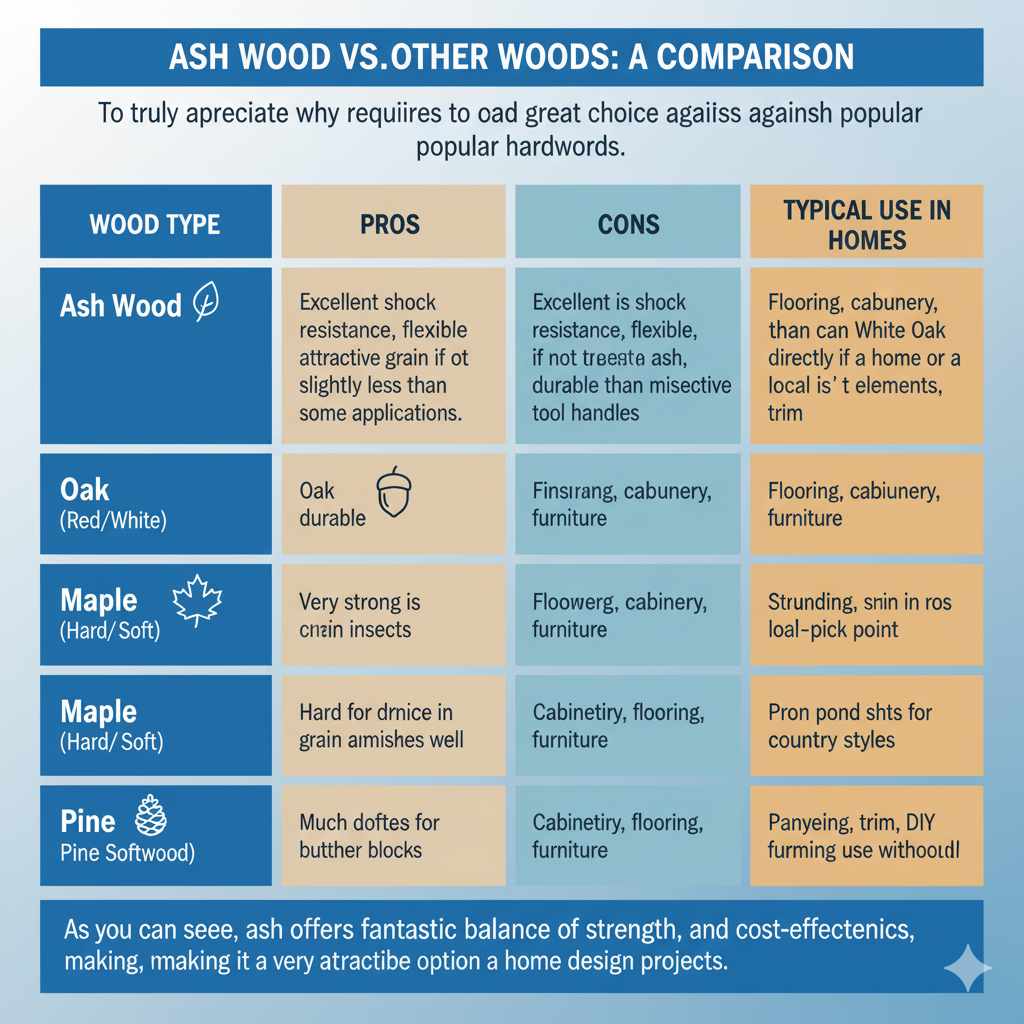
To truly appreciate why ash wood is a great choice, it helps to see how it stacks up against other popular hardwoods used in home construction. Each wood has its own unique pros and cons. Here’s a quick look:
| Wood Type | Pros | Cons | Typical Use in Homes |
|---|---|---|---|
| Ash Wood | Excellent shock resistance, strong, flexible, attractive grain, good value. | Can be susceptible to certain insects if not treated, slightly less durable than White Oak for some applications. | Flooring, cabinetry, furniture, tool handles, structural elements, trim. |
| Oak (Red/White) | Very strong, durable, resistant to rot and insects (White Oak), distinctive grain patterns. | Can be more expensive than ash, heavier, can sometimes be challenging to work with. | Flooring, cabinetry, furniture, structural beams, trim. |
| Maple (Hard/Soft) | Hard Maple is very dense and durable, smooth, fine grain, takes finishes well. | Can be more expensive, less forgiving for mistakes due to hardness, can have a plain appearance if grain isn’t interesting. | Cabinetry, flooring, furniture, butcher blocks. |
| Pine (Softwood) | Affordable, lightweight, easy to work with, a common choice for rustic or country styles. | Much softer than hardwoods, prone to dents and scratches, less durable for high-traffic areas or structural use without specific grading. | Paneling, trim, DIY furniture projects, some framing. |
As you can see, ash offers a fantastic balance of strength, beauty, and cost-effectiveness, making it a very attractive option for a wide range of home design projects. For homeowners looking for durability without the premium price tag of some other hardwoods, ash is often a sweet spot.
FAQ: Your Beginner Questions About Ash Wood Houses Answered
It’s completely normal to have questions when embarking on a project like building a home or incorporating new materials. Here are some common questions beginner homeowners and DIYers ask about ash wood houses.
Q1: Is ash wood good for outdoor use?
A: Ash wood can be used outdoors, but it requires careful preparation and regular maintenance. It’s not as naturally resistant to rot and insects as some other woods like cedar or redwood. If using ash for exterior applications like siding or decking, ensure it’s pressure-treated or coated with high-quality exterior-grade sealants and finishes. Proper installation with good drainage and ventilation is also critical to prevent moisture damage.
Q3: How does ash wood hold up to wear and tear in a house?
A: Ash is a hardwood and is known for its excellent durability and strength. It stands up very well to everyday wear and tear, making it ideal for high-traffic areas like flooring and staircases. It’s more resistant to dents and scratches than softer woods like pine. With proper finishing and care, ash wood surfaces in your home will last a long time.
Q4: What is the cost of ash wood compared to other hardwoods?
A: Generally, ash wood falls into a mid-range price point among hardwoods. It is often more affordable than oak or maple, but more expensive than softwoods like pine. This makes it a great value for homeowners who want the look and durability of a hardwood without the highest cost. Prices can vary based on lumber grade, location, and current market demand.
Q5: Can I paint or stain ash wood?
A: Yes, ash wood takes both paint and stain very well! Its light color provides a neutral base for almost any paint color, and its grain can be highlighted beautifully with stains. If you prefer a natural wood look, a clear coat will showcase its subtle beauty. For a painted finish, ensure the wood is properly primed. For stains, make sure the wood surface is smooth and clean before application.
Q6: Are there any common pests that target ash wood?
A: Like many hardwoods, ash wood can be susceptible to certain wood-boring insects, such as the emerald ash borer (EAB) which devastates ash trees in North America. However, once the ash logs are milled into lumber and properly dried (kiln-dried is best), they are far less vulnerable. For added protection, especially for exterior applications, using insect-repellent finishes or treatments can provide an extra layer of defense.
Q7: Where can I buy ash wood for building or DIY projects?
A: You can typically purchase ash wood from local lumberyards, specialty lumber suppliers, and some larger home improvement stores. For larger projects, it’s often best to work with a dedicated lumber mill or supplier who can source specific grades and quantities. Always ask about the wood’s origin and how it was dried. Reputable suppliers can guide you on the best types of ash for your specific project needs.
Conclusion: Building Confidence with Ash Wood Design
Designing and building a house is a significant undertaking, but it doesn’t have to be intimidating. By understanding the proven strengths and beautiful aesthetics of ash wood, you’ve taken a big step toward creating a home that’s both enduring and inviting. We’ve explored why ash is a solid choice due to its strength, appearance, and versatility, and you’ve seen how to approach its use in structural elements, interior design, and even exterior applications. The key is careful planning, a focus on quality materials, and diligent protection against moisture.
Remember, whether you’re working with professionals or tackling some DIY projects yourself, breaking down the process into manageable steps makes it much easier.