Atlas 912 Bandsaw: Specs, History & Is It Worth Restoring?
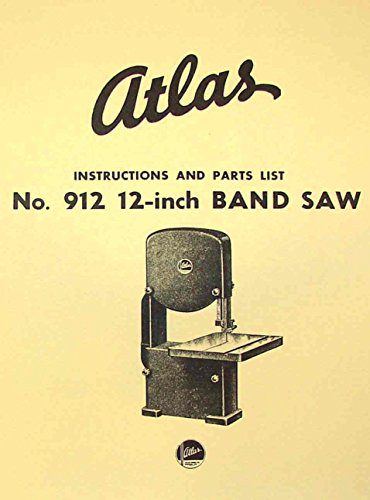
The Atlas 912 is a 12-inch band saw built by the Atlas Press Company of Kalamazoo, Michigan around 1950 — it cuts stock up to 6.25 inches thick, which rivals many modern 14-inch saws, but it was sold without a motor. Original urethane tires crack after 70+ years and are the most common failure point. This guide covers real specs, what parts actually fit it, and whether restoring one is worth the effort.
Quick Answer
Yes — woodworkers who own one consistently call the Atlas 912 “overbuilt for its size,” and restoration is generally worth it if the casting is intact and it can be had cheap. Budget for new urethane tires, guide block cleanup, and a motor (it was never sold with one).
What Is the Atlas 912 Bandsaw?
Best Atlas 912 Restoration Part
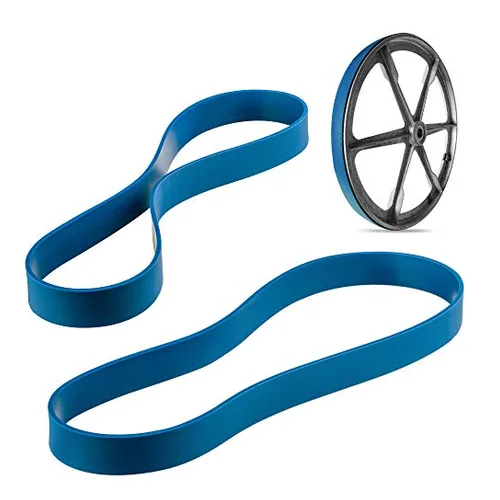
Urethane Band Saw Tires — Atlas Press Co 912 (2-Pack)
Purpose-fit replacement tires for the 912’s 12” wheels — the single most common repair on a decades-old saw.
- Best for: replacing cracked or hardened original tires
- Why we picked it: confirmed fit for the 912’s 12” wheel — not a generic “14-inch fits most” part
- Main drawback: no adhesive needed, but wheels must be cleaned of old rubber residue first
Compare more Atlas 912 restoration options
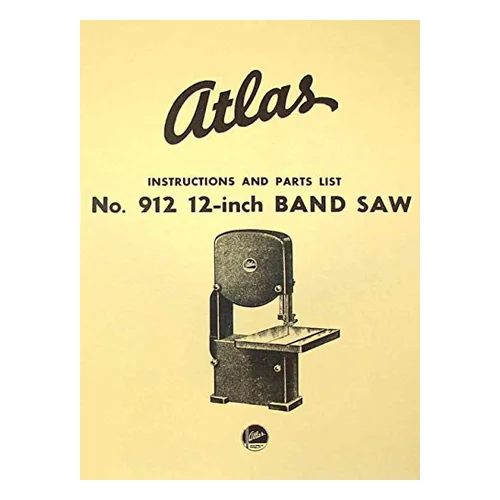 Option 1 Atlas 912 Operator & Parts Manual
|
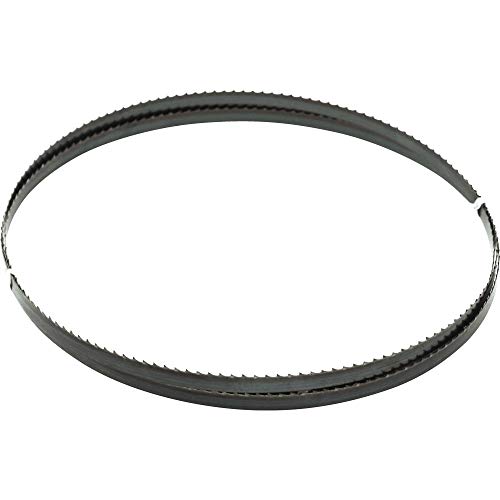
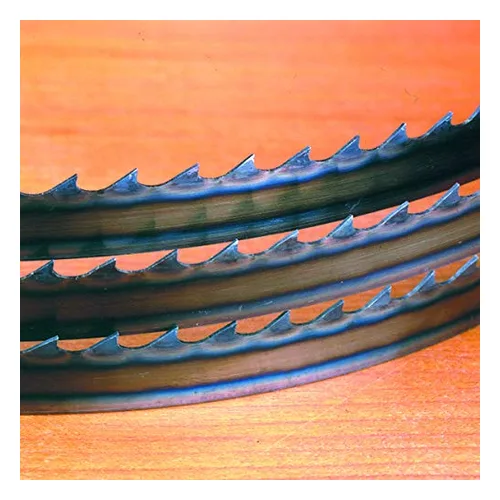 Option 2 3/8” General-Purpose Bandsaw Blade
|
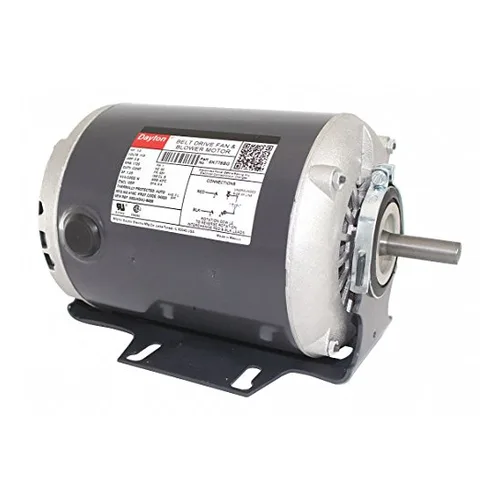 Option 3 1/3 HP Single-Phase Motor
|
As an Amazon Associate we earn from qualifying purchases.
The Atlas 912 is a 12-inch vertical band saw manufactured by the Atlas Press Company, founded in 1911 in Kalamazoo, Michigan. Atlas was one of the primary OEM suppliers for Sears Craftsman-branded machines through the mid-20th century, and the 912 dates to around 1950 — the design traces back to Power King, a bandsaw maker Atlas acquired in the late 1940s and continued selling largely as-is under its own name.
Atlas shifted away from woodworking machinery through the 1960s and rebranded as Clausing Industrial by the end of the decade, moving into metalworking tools. The Atlas name disappeared from new products after that, but the 912 and its siblings remain common finds at estate sales, auctions, and on vintage-machinery forums.
Atlas 912 Specifications
Documented specs pulled from surviving operator manuals and machine registries (VintageMachinery.org’s photo archive lists a dated example with serial documentation):
| Spec | Value |
|---|---|
| Wheel diameter | 12 inches |
| Cutting capacity (throat-to-blade) | ~6.25”–6.5” thick stock |
| Motor | Not included — 1/3 to 1/2 HP typical |
| Weight | ~125 lbs |
| Guide blocks | 1/2” square, oilite bronze, micrometer-adjustable |
| Thrust bearings | Ball-bearing, upper & lower |
| Main casting | Two-piece — accepts a riser block for taller resaw cuts |
| Manufactured | ~1948–1950s (Power King design, continued by Atlas) |
A restorer who logged a free example on VintageMachinery.org’s registry measured its cut capacity directly against a 14-inch Delta: “it’ll cut 6.25″ thick — about the same as a 14″ Delta. In fact, other than the smaller wheels, it’s fairly similar to the Delta.” That’s the core appeal of the 912 — a compact footprint with cutting capacity that punches above its wheel size.
📊 Atlas Press Co. was founded in 1911 and remained a primary OEM supplier for Sears Craftsman tools through the mid-20th century — Source: Old Woodworking Machines, company history archive
Is the Atlas 912 Worth Restoring?
Generally, yes — if the casting and wheels are intact and the price is low. Woodworking and machinist forums (LumberJocks, The Garage Journal, Sawmill Creek) consistently describe the 912 and its Atlas/Power King siblings as some of the strongest small bandsaws ever built, calling them “overbuilt for a saw of that size.” The catch is that it was never sold with a motor, so budget for one (1/3–1/2 HP is typical) on top of the saw itself.
What Usually Needs Replacing on a Restored 912
- Urethane tires — the original rubber tires crack and harden after 70+ years; this is the single most common repair.
- Wheel bearings and guide blocks — oilite bronze guides wear over decades of use; cleaning up the adjustment threads with a tap often restores smooth operation. After replacing tires or blades, always check and adjust blade tracking before making a cut.
- Thrust bearings — check both upper and lower for play before running the saw.
- Motor — none was included originally; any 1/3–1/2 HP single-phase motor with the correct pulley ratio works.
“The tires are cracked, but still pliable. I’ll get some new tires ordered tomorrow… for a freebie, it’s not too shabby!”
Frequently Asked Questions
Do 14-inch bandsaw parts fit the Atlas 912?
No. The Atlas 912 has 12-inch wheels, and parts marketed for 14-inch saws (including trunnions and some tire kits) will not fit correctly. Always confirm a part is listed specifically for the “Atlas 912” or “Atlas Press Co 912,” not a generic 14-inch fitment.
Did the Atlas 912 come with a motor?
No. It was sold as a bare saw; owners supplied their own motor, typically in the 1/3 to 1/2 HP range at 1750 RPM.
How thick can the Atlas 912 cut?
Around 6.25 to 6.5 inches of stock thickness — comparable to many 14-inch saws, since the two-piece casting accepts a riser block.
Are Atlas 912 tires and tires for the Atlas 4510 the same?
No. The 4510 is a different Atlas model. Tires sold for the 4510 are not confirmed to fit the 912 — order tires specifically listed for the “912” model.
The Atlas 912 earns its reputation among restorers: a 12-inch saw with cut capacity closer to a 14-inch machine, built on cast iron that has already survived 70+ years. Budget for tires, a motor, and guide cleanup, confirm every replacement part is listed for the 912 specifically (not a 14-inch or 4510 part), and it’s a genuinely capable shop saw once restored.
Sponsored / affiliate links. As an Amazon Associate I earn from qualifying purchases. I may earn additional commission from eligible campaigns.