Austin Firewood In Austin Tx: Best Local Suppliers Near You
Finding good firewood in Austin, Texas, can sometimes feel like searching for a hidden gem. You want that perfect crackle and warmth for a cool evening or a cozy gathering. But where do you start?
It’s easy to feel a bit overwhelmed with all the options. Many folks just grab the first bag they see and hope for the best.
This guide is here to make that process much simpler. We’ll walk you through finding the best firewood suppliers right here in Austin. We’ll also share tips on what makes firewood great.
You’ll learn how to store it so it burns well. Get ready to enjoy many wonderful fires.
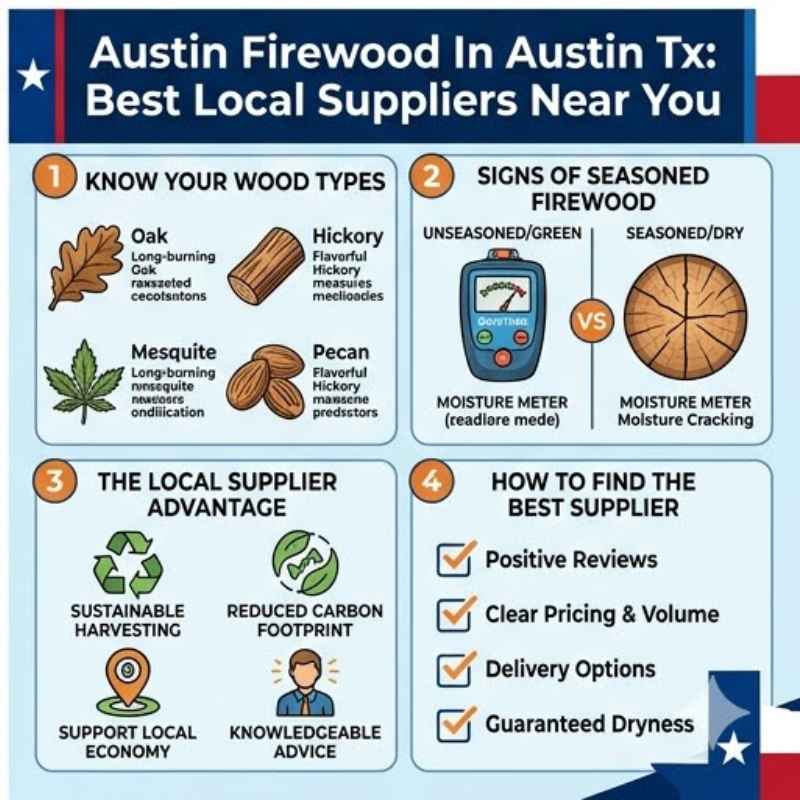
Finding quality firewood in Austin, TX, involves knowing local suppliers, understanding wood types, and proper storage. This guide helps you locate the best options in Austin for a great fire experience.
Understanding Your Firewood Needs in Austin
When you think about firewood, it’s more than just dried wood. Different types of wood burn differently. Some give off more heat.
Others last longer. Some even smell better. For us here in Austin, we have unique weather patterns.
This can affect how wood burns and needs to be stored.
Think about what you’ll use the fire for. Is it for a main heat source? Or just for ambiance on a patio?
This helps decide what kind of wood you need. Hardwoods are usually best for heat. They burn longer and hotter.
Softwoods can start a fire faster. But they burn up quicker.
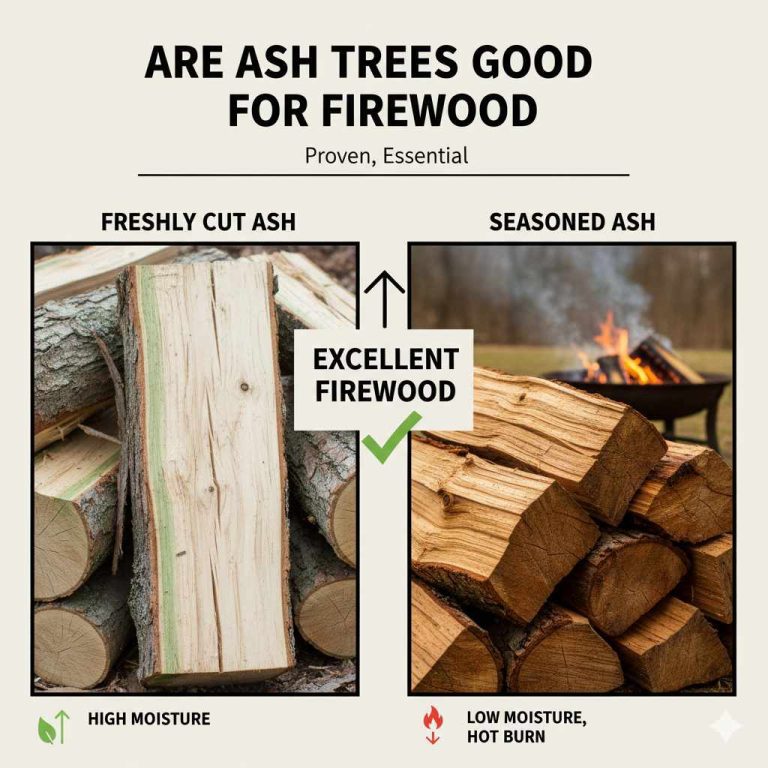
The moisture level in firewood is super important. Wood needs to be dry. This is called seasoned wood.
Wet wood is hard to light. It smokes a lot. It doesn’t produce much heat.
Finding seasoned wood is key to a good fire. We’ll talk more about spotting good wood later.
Austin’s climate can be humid. This means wood needs good airflow to stay dry. If you store wood poorly, it can get damp again.
This is true even if it was seasoned well. So, knowing where to buy and how to store it are big parts of the puzzle.
We also need to think about the type of fireplace or fire pit you have. Some wood types might create more ash. This can be a hassle to clean.
Others might spark more. This is something to consider for safety.
So, before we even look for a seller, consider your fire pit, your needs, and your space. This will help you ask the right questions when you talk to suppliers in Austin.

Finding Top Austin Firewood Suppliers
Austin is a big city. Luckily, there are many places that sell firewood. Finding the best one often comes down to a few things.
You want a supplier who knows their wood. They should offer good quality. And they should be reliable.
Many local businesses in Austin take pride in this.
Some suppliers focus on specific types of wood. Others offer a mix. It’s good to know what’s available.
You can often find firewood sold by the cord, half-cord, or by the bundle. A cord is a big stack of wood. It’s usually the most cost-effective if you need a lot.
Online searches are a good start. Look for terms like “firewood Austin TX” or “best firewood delivery Austin.” You’ll see many names pop up. Don’t just pick the first one.
Do a little digging.
What do other customers say? Look for reviews. Are people happy with the wood quality?
Is it delivered on time? Are the prices fair? Good reviews are a strong sign of a reputable seller.
Poor reviews might mean it’s best to look elsewhere.
Some suppliers deliver right to your door. This is a huge convenience. Especially if you don’t have a way to haul a lot of wood.
Ask about delivery fees. Is there a minimum order? Many Austin homeowners love the ease of delivery.
Local garden centers or hardware stores sometimes sell firewood. This can be convenient for smaller amounts. But they might not always have the best selection or the most seasoned wood.
They are good for a quick fix though.
Farmers’ markets can also be a source. Some local farmers sell wood they’ve cleared from their land. This can be a great way to support local businesses and get good wood.
Think about who you’re buying from. Are they a small local business? Or a larger distributor?
Small businesses often have more personalized service. They might be more willing to answer your questions about the wood.
Here are a few types of places to check out in the Austin area:
Where to Find Firewood in Austin
- Specialty Firewood Companies: These businesses focus solely on firewood. They often have the best selection and most knowledgeable staff. They usually offer delivery.
- Landscapers & Tree Services: Some companies that trim trees or clear land will sell the wood they remove. This can be a great source of local wood.
- Farmers’ Markets: You might find local farmers selling seasoned firewood. It’s a good way to get wood and support local agriculture.
- Local Nurseries & Garden Centers: These places often have bundles of firewood for sale. Good for small amounts or quick needs.
- Online Marketplaces: Websites like Craigslist or Facebook Marketplace can list local sellers. Use caution and check reviews if possible.
When you find a potential seller, don’t be afraid to ask questions. Ask them what kind of wood they sell. Ask if it’s seasoned.
Ask about their delivery options. A good seller will be happy to help you. They want you to have a good experience.
The Best Wood Types for Austin Fires
Austin’s weather can be unpredictable. We have warm spells followed by chilly evenings. The best firewood for your needs will depend on what you’re looking for.
Some woods burn hot and fast. Others burn slow and steady. For our Texas climate, hardwoods are often the top choice for sustained heat.
Oak is king in Texas. Post Oak and Live Oak are abundant here. They are dense hardwoods.
This means they burn long and produce a lot of heat. They have a nice, steady flame. They also produce good coals.
Oak is excellent for heating your home or for long evenings by the fire pit.
Another great hardwood is Mesquite. It’s very dense. It burns hot and long.
Mesquite has a distinct, pleasant aroma. It’s very popular for grilling and smoking too. Just be aware it can spark a bit more than oak.
So, use it in a safe fire pit or fireplace.
Pecan is also a good choice. It’s a hardwood that burns well. It gives off good heat and has a nice smell.
It’s often used for cooking but makes a fine firewood too.
What about softer woods? Cedar can be used. It lights easily.
It burns with a pleasant scent. But it burns very fast. It’s not ideal for a main heat source.
It can be good for starting a fire. Or for short bursts of flame.
Pine is another softwood. It lights very quickly. It gives a bright flame.
But it burns up fast and produces a lot of creosote. Creosote is a black, sticky substance. It can build up in your chimney.
This can be a fire hazard. So, pine is generally not recommended for fireplaces. It’s okay for a quick outdoor fire.
When you buy firewood, ask the supplier what type of wood it is. If they don’t know, that might be a red flag. Knowing the wood type helps you understand how it will burn.
And if it’s right for your fire pit or fireplace.
Many Austin suppliers will sell mixed hardwoods. This can be a good way to get a variety of burning characteristics. You might get some oak for a long burn and some mesquite for its aroma.
The key is to look for seasoned hardwoods. They will give you the best heat and the longest burn time. Especially when those unexpected cool fronts hit Austin.
What is Seasoned Firewood and Why It Matters
This is perhaps the most important thing to understand about buying firewood. Seasoned firewood is wood that has been dried out properly. This means it has lost most of its moisture.
It’s usually left to dry for at least six months. Some wood needs even longer.
Why is this so critical? Freshly cut wood, called green wood, is full of water. When you try to burn green wood, the fire has to fight to evaporate the water first.
This takes a lot of energy. The result is a fire that is hard to start. It produces weak flames.
And it smokes a lot. You’ll get a lot of steam instead of heat.
Seasoned wood, on the other hand, has had its water content reduced. Typically, seasoned firewood has a moisture content of less than 20%. When you burn dry wood, the energy goes into creating heat and flames.
Not into boiling water.
Here’s what seasoned wood looks and feels like:
Signs of Seasoned Firewood
- Color: It often looks faded. The bark might be loose or peeling. The ends of the logs may look lighter or have cracks.
- Weight: Seasoned wood is lighter than green wood. Because much of the water has evaporated.
- Sound: When you knock two pieces of seasoned wood together, they make a clear, hollow clunk. Green wood makes a dull thud.
- Smell: It usually has a dry, woody smell. Not the fresh, damp smell of a cut tree.
- Cracks: You might see cracks or checks on the ends of the logs. This is a sign of drying.
When you buy firewood in Austin, always ask if it is seasoned. A good supplier will tell you. They might even tell you how long it has been drying.
If a seller seems unsure, or tries to sell you wood that looks and feels wet, it’s best to walk away.
Burning unseasoned wood is frustrating. It’s also not good for your fireplace or chimney. The excess moisture can lead to more creosote buildup.
This increases the risk of a chimney fire. So, paying for seasoned wood is always worth it.
It takes time and effort for suppliers to season wood. They have to cut it, split it, and stack it. Then they have to wait for it to dry.
This is why seasoned wood costs more than green wood. But the performance difference is huge.
Proper Firewood Storage for Austin Homes
You’ve found a great Austin supplier. You’ve got some nice seasoned oak. Now, how do you keep it in good shape?
Proper storage is vital. Especially in a place like Austin where humidity can creep in.
The main goal of storing firewood is to keep it dry. And to allow air to circulate around it. This prevents moisture buildup.
It also helps to deter pests.
Here are the best ways to store your firewood:
Firewood Storage Tips
- Stack it off the ground: Never stack wood directly on the soil. This can draw moisture into the wood. Use pallets, bricks, or a dedicated firewood rack.
- Allow airflow: Make sure air can move freely around the wood. Don’t pack it too tightly. A well-stacked pile is airy.
- Cover the top, not the sides: Protect the wood from rain and snow. Use a tarp or a waterproof cover. But make sure the sides are open. This lets the wood breathe and dry. If you cover the sides, the wood can get moldy.
- Choose the right location: Find a spot that gets sun if possible. Avoid damp, shady areas. Keep it away from your house if you can. This helps prevent pests from getting into your home.
- Stack it neatly: Stack logs in a crisscross pattern or in rows. This helps keep the pile stable. It also makes it easier to access the wood you need.
Many people in Austin stack their wood against the side of their house. While this can be convenient, it’s not always the best idea. It can attract insects and rodents.
It can also trap moisture against your home. A dedicated firewood rack is a good investment.
If you stack wood on the ground, even a little bit of elevation makes a difference. Think a few inches. Pallets are often free.
You can find them at many businesses. Just ask nicely.
The cover is important. A simple tarp works well. Make sure it overhangs the sides a bit.
This deflects rain. But leave the ends open. You can also buy specialized firewood covers.
They are designed to keep rain out while allowing air in.
Think about the quantity you buy too. If you buy a full cord, you’ll need a good amount of space. Smaller bundles or half-cords might be easier to store.
Especially if you have a small yard in Austin.
Seasoned wood can still absorb moisture from humid air. This is why ongoing good storage is crucial. It keeps your wood ready to burn.
And ensures you get the best heat from it. It prevents that frustrating smoky fire on a chilly night.
Consider using a moisture meter. You can buy them online or at hardware stores. They are simple to use.
Stick the prongs into a piece of wood. It will tell you the moisture content. This is the surest way to know if your wood is ready to burn.
Aim for under 20%.
Real-World Scenarios: My Own Firewood Fiasco
I remember one winter in Austin. It got colder than usual. I decided to have a big bonfire for some friends.
I went to a place I hadn’t bought from before. They had a great deal on a half-cord. The wood looked okay, I thought.
It was stacked nicely.
That evening, I went to start the fire. I stacked the logs in the fire pit. I lit the kindling.
It caught okay. But then the logs just sputtered. They smoked like crazy.
The flames were weak and pathetic. My friends were getting cold. I was so embarrassed.
I kept trying to force it. I added more kindling. I fanned the flames.
Nothing worked well. The wood was just damp. It wasn’t properly seasoned.
Even though it looked dry on the outside. The inside was still holding too much water.
It turned out the seller wasn’t careful about seasoning. They likely cut it and sold it too soon. I ended up having to drive around late at night to find a different place that sold small bundles of actual seasoned wood.
It cost me more and ruined the start of the evening.
That was a hard lesson. It taught me how vital it is to know your wood. And to trust reputable sources.
Ever since then, I always ask about seasoning. I look for the cracks. I listen for the sound.
And I only buy from places that can confirm their wood is properly dried.
It’s easy to get caught up in a good price. But a bad fire can be more costly in frustration and wasted time. For those cozy Austin nights, you want wood that lights easily and burns bright.
Not wood that fights you every step of the way.
Since that night, I also invested in a good firewood rack. And I learned to stack it properly. Keeping the wood off the ground and covered on top but open on the sides makes a huge difference.
Even if we get a rainy spell here in Austin.
Understanding Firewood Pricing and Value
The cost of firewood can vary quite a bit. Several factors influence the price. Knowing these can help you get the best value for your money.
Especially when buying in Austin.
First, wood type matters. Hardwoods like oak and mesquite are denser. They burn longer and hotter.
They are generally more expensive than softwoods like pine or cedar. This is because they provide more heat for the volume.
Second, seasoning is a major cost factor. Properly seasoned wood takes time and effort to dry. This labor and time is built into the price.
Green wood is cheaper but provides a poor burning experience.
Third, quantity affects the price per unit. Buying firewood by the cord is usually the most economical. A cord is a stacked volume of wood.
It’s typically 4x4x8 feet. Smaller quantities like bundles or half-cords will have a higher price per volume.
Fourth, delivery can add to the cost. If you need it brought to your home, most suppliers will charge a delivery fee. This fee can depend on your location within Austin and the size of your order.
Fifth, sourcing plays a role. Firewood harvested locally from sustainable sources might command a different price than wood trucked in from far away. Supporting local Austin businesses often means fair pricing.
What is good value? It’s not always the cheapest option. Good value means you get quality wood that burns well. It means you get what you pay for.
A cord of properly seasoned oak that burns hot and long is better value than two cords of wet pine.
When comparing prices, make sure you’re comparing apples to apples. Ask: Is it seasoned? What type of wood is it?
How much wood am I actually getting?
Some suppliers will sell firewood by the “rick” or “face cord.” This is a stack of wood that is 8 feet long and 4 feet high, but only 16 inches deep. This is less wood than a full cord. Always clarify the measurement.
For Austin residents, consider the season. Prices might be higher in the fall as demand increases. Buying in the spring or summer can sometimes lead to better deals.
You’ll also have more time to ensure it’s properly seasoned if you buy it early.
Don’t be afraid to call a few different suppliers in the Austin area. Get quotes. Ask about their policies.
This research will pay off in a better fire and a happier wallet.
Quick Value Check for Firewood
- Seasoning: Always prioritize seasoned wood.
- Hardwood vs. Softwood: Hardwoods offer more heat and longer burns.
- Quantity: Buying larger amounts (like a cord) is usually cheaper per volume.
- Delivery: Factor in delivery costs if you can’t pick it up.
- Local Sourcing: Often means fresher, more appropriate wood for the region.
Remember that a full cord is a lot of wood. Make sure you have adequate storage space before ordering. A good supplier will help you estimate how much you need based on your usage.
What This Means for Your Austin Fire Experience
So, what’s the takeaway for enjoying fires in Austin? It’s all about making informed choices.
When it’s normal: It’s normal to have excellent fires with good heat and a nice ambiance. It’s normal to find local Austin businesses that sell quality firewood. It’s normal for your wood to burn steadily if it’s seasoned and stored well.
When to worry: You should worry if the wood you buy is constantly smoky, hard to light, and produces very little heat. This usually means it’s not seasoned properly. You should also worry if your supplier is vague about the wood’s dryness or type.
Or if they have consistently bad reviews.
Simple checks: Before you buy, give the wood a quick look. Does it have cracks on the ends? Does the bark look loose?
Does it sound hollow when tapped? If you buy a load, try burning a piece. Does it light easily?
Does it burn with a good flame?
Understanding firewood isn’t complicated. It’s about knowing the basics: type of wood, moisture content, and how to store it. This knowledge will transform your fires from frustrating to fantastic.
For us in Austin, this means more enjoyable evenings. Whether you’re gathered around a fire pit on the patio or using a fireplace to take the chill off. You’ll have the confidence knowing you’re using good fuel.
Think about the satisfaction of a roaring fire on a cool Texas night. It’s a simple pleasure. And it’s one that’s easily achievable with the right firewood.
Don’t let poor quality wood or bad storage spoil the experience. A little knowledge goes a long way.
Your fire pit or fi
Quick Tips for Better Fires in Austin
Here are some quick tips to make sure every fire you light in Austin is a good one:
Fire Starting & Burning Tips
- Use dry kindling: Small, dry twigs or wood shavings catch fire easily and help light larger logs.
- Build a good base: Start with kindling, then add small pieces of split wood, gradually increasing the size.
- Don’t smother the flame: Give your fire air. Avoid packing too much wood in at once.
- Use a moisture meter: Check your wood’s moisture content if you’re unsure. Aim for under 20%.
- Clean your chimney: Regular chimney cleaning prevents creosote buildup and reduces fire risk.
- Burn it, don’t just let it smolder: A good hot fire burns cleaner and more efficiently.
One common mistake people make is trying to light too much wood at once. Fire needs oxygen. When you put too many large logs on too soon, you can choke the flames.
Let the fire get established with smaller pieces first.
Also, remember that even seasoned wood can absorb moisture from the air if stored improperly. If your wood has been sitting out uncovered for a while during a humid spell, it might need a day or two in a dry spot before burning.
Always prioritize safety. Make sure your fire pit or fireplace is in good condition. Keep water or a fire extinguisher nearby.
Never leave a fire unattended.
These simple tips can help you get the most out of your firewood. And ensure a safe, enjoyable fire every time you light one up here in Austin.
Frequently Asked Questions About Austin Firewood
What is the best type of firewood to buy in Austin, TX?
The best firewood in Austin is typically seasoned hardwood. Oak (like Post Oak and Live Oak) and Mesquite are excellent choices. They burn hot and long, providing good heat and a pleasant fire.
Pecan is also a good option.
How do I know if firewood is properly seasoned?
Seasoned firewood is dry. It will look faded, feel lighter, and make a hollow clunking sound when tapped. The ends of the logs often have cracks.
Green (unseasoned) wood is heavy, smells damp, and makes a dull thud.
Where can I buy firewood in Austin?
You can find firewood from specialty firewood companies, local landscapers, tree services, farmers’ markets, and some garden centers in Austin. Online searches for “firewood Austin TX” will also yield many local suppliers.
How should I store firewood in Austin?
Store firewood off the ground in a well-ventilated area. Cover the top to protect from rain, but keep the sides open for airflow. Avoid storing it directly against your house.
A dedicated firewood rack is ideal.
Is it okay to burn pine or cedar in my Austin fireplace?
Pine and cedar are softwoods that burn fast. Pine can create a lot of creosote, which is a fire hazard in chimneys. Cedar burns quickly with a nice scent but doesn’t last long.
Hardwoods are generally better for fireplaces and long burns.
How much does firewood cost in Austin?
Firewood prices vary based on wood type, seasoning, quantity, and delivery. Seasoned hardwood is typically more expensive than green softwood. Buying by the cord is usually the most cost-effective way to purchase larger quantities.
What is a cord of firewood?
A cord of firewood is a standard unit of measurement. It is a stack of wood that measures 4 feet high, 8 feet long, and 4 feet wide (4’x8’x4′). This equals 128 cubic feet of stacked wood.
Conclusion: Your Guide to Warm Austin Nights
Finding and using great firewood in Austin, Texas, doesn’t have to be a mystery. By understanding wood types, ensuring your wood is properly seasoned, and storing it correctly, you’re setting yourself up for success. You’ll enjoy warmer, more efficient, and more pleasant fires.
Remember to support local Austin suppliers. Ask questions. And always prioritize quality.
With this guide, you’re ready to light up your nights. Enjoy the glow and warmth!