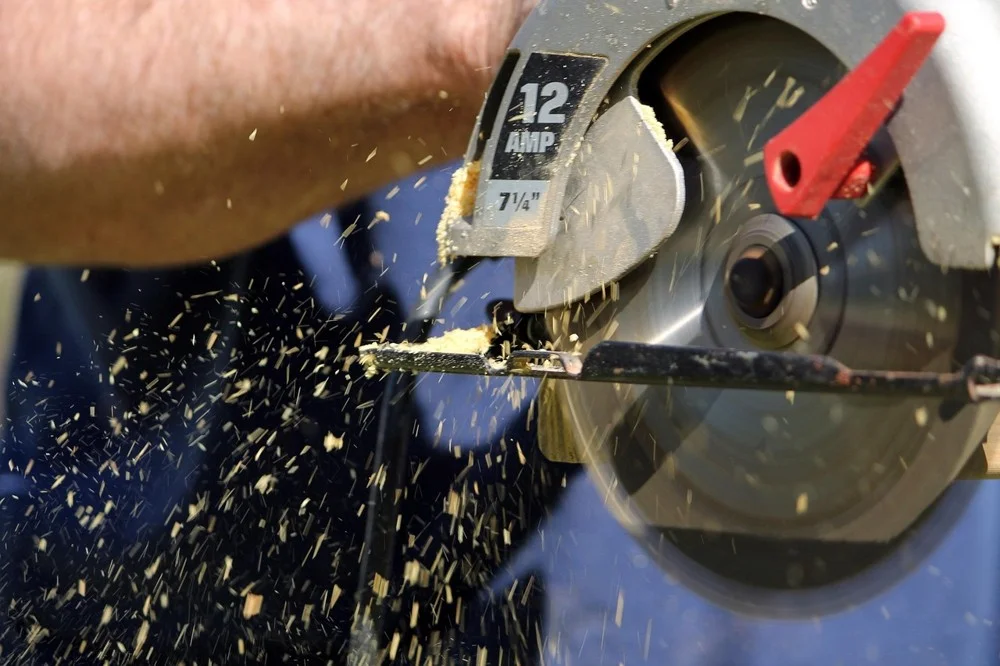
Black and Decker Hand Saw: Current Models Worth Buying (2026 Guide)
Black and Decker offers a range of hand saws, from basic manual models to powerful electric versions. Choosing the right one depends on your project needs, budget, and preference for corded or cordless power. Consider factors like cutting capacity, ease of use, and safety features to make an informed decision for your DIY tasks.
Understanding Black and Decker Hand Saws
Modern PHS550B Replacement
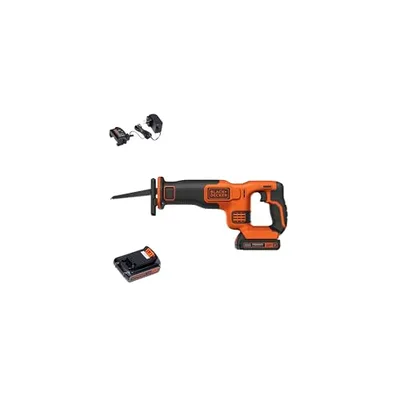 |
BLACK+DECKER 20V MAX Cordless Reciprocating Saw Kit – $79.00 The classic corded model most people search for is discontinued — this is Black+Decker’s current equivalent.
|
Black and Decker is a well-known name in tools. They make tools for everyone, from beginners to experienced DIYers. When you think of a hand saw, you might picture the old-fashioned kind.
But today, “hand saw” can also mean electric saws you hold in your hand. Black and Decker has both. They focus on making tools easy to use and affordable.
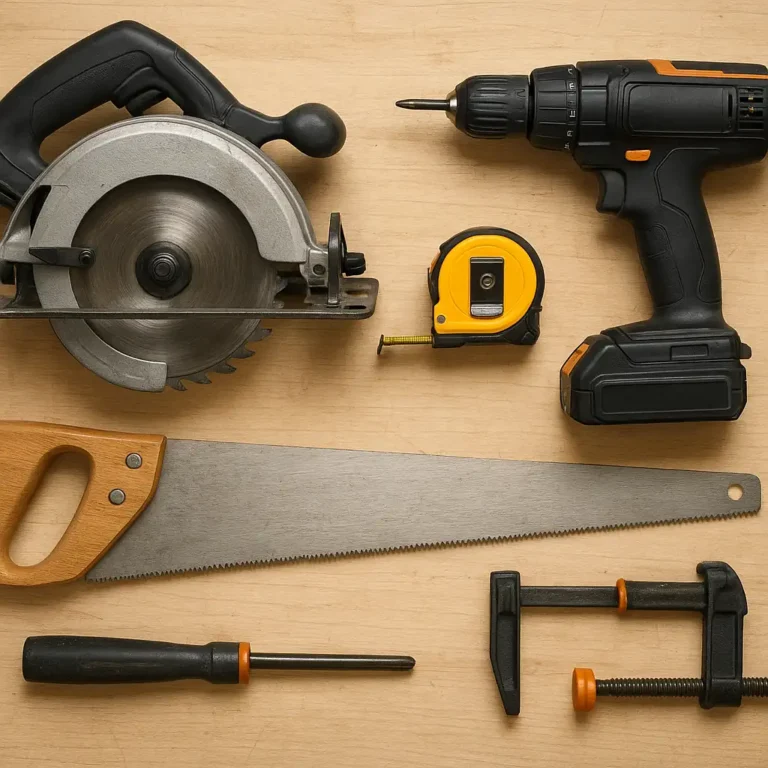
Their manual saws are simple and effective. They are good for small cuts or when you don’t need a lot of power. Electric saws, like jigsaws or circular saws, offer more speed and cutting power.
They are better for bigger jobs or harder materials. Black and Decker aims to give you options for many different tasks around your home.
The company understands that not everyone is a professional carpenter. So, they design their tools with the home user in mind. This means features like comfortable grips and simple controls are common.
They want you to feel confident using their products. This guide will help you sort through the choices.
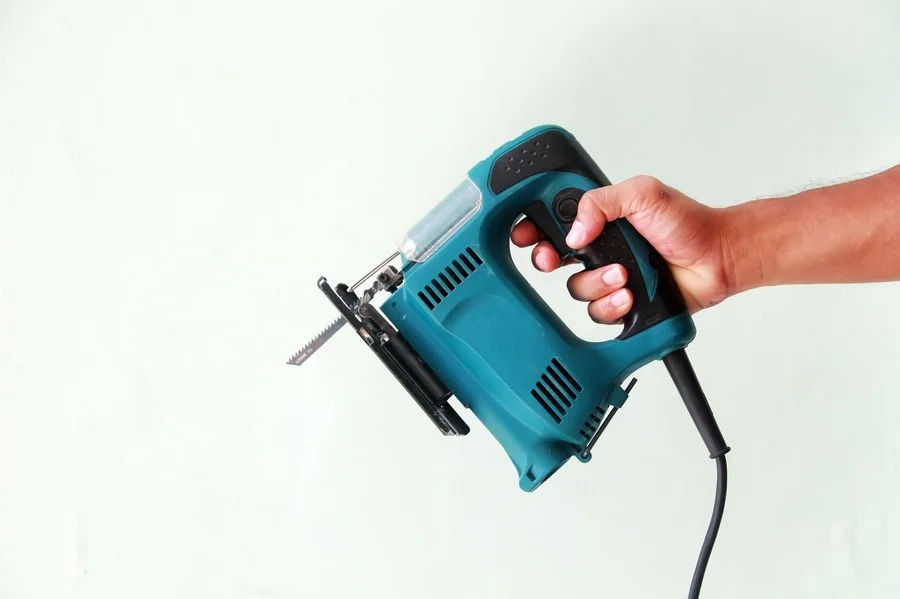
Why a Cheap Blade Ruins the Cutting Experience
A toolkit-bundled hand saw with a thin, flexible blade is the most common reason a first saw feels unusable: the blade flexes mid-cut, the line wanders, and a simple cut turns into a fight. That is a blade-stiffness problem more often than a skill problem.
Stepping up to a saw built around a stiffer blade and a properly weighted handle — what the Black and Decker models below are built around — fixes the flex issue directly instead of just requiring more patience.
Also worth knowing: the classic corded PHS550B “powered handsaw” that made Black and Decker’s name in this category is now discontinued — every listing for it currently shows out of stock. The current equivalents are the cordless 20V MAX jigsaw, circular saw, and reciprocating saw lines covered below.
Black and Decker Saw Types at a Glance
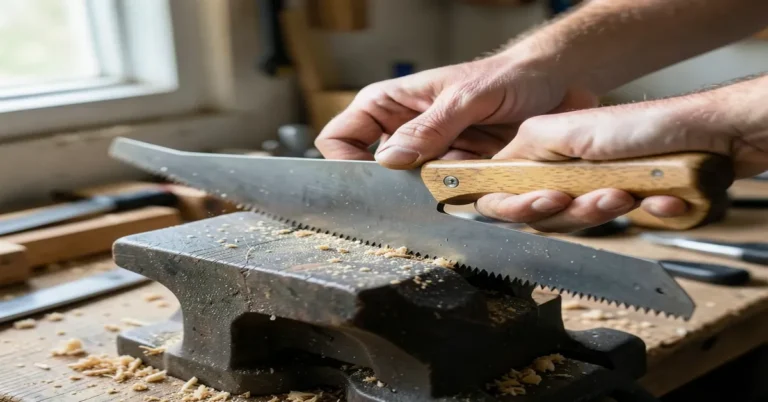
Manual Hand Saws: Basic, no power needed. Great for small jobs and precision. Think of them for trimming or detail work.
They come in different tooth patterns for wood or plastic.
Jigsaws: Electric. Uses a thin, reciprocating blade. Perfect for curved cuts and intricate shapes.
You can cut wood, metal, and plastic with the right blade.
Circular Saws: Electric. Has a spinning, toothed blade. Best for straight cuts through wood.
Excellent for larger projects like cutting plywood or framing.
Reciprocating Saws: Electric. Powerful, with a back-and-forth blade motion. Good for rough cuts, demolition, or cutting branches.
They can handle tough materials.
Choosing the Right Type of Saw
The first big choice is manual or electric. Manual hand saws are the classic tools. They are simple.
They don’t need batteries or power cords. For small tasks like trimming a piece of molding or cutting a dowel, a manual saw is fine. They are also very quiet.
You can use them anywhere.
Electric saws offer more power and speed. A Black and Decker hand saw in the electric category can be a jigsaw, circular saw, or reciprocating saw. Jigsaws are versatile.
They let you cut curves. This is great for making shelves with decorative edges. Circular saws are powerhouses for straight, long cuts.
Think cutting large sheets of wood for furniture or home repair. Reciprocating saws are for more demanding jobs. They can cut through nails in old wood or trim tree limbs.
Your project will guide you. If you need to cut a straight line through a 2×4, a circular saw is best. If you want to cut a circle out of a piece of plywood, a jigsaw is your tool.
If you’re doing demolition, a reciprocating saw is the one to grab. For simple tasks, a well-made manual saw might be all you need.
Consider the materials you’ll be cutting. Most Black and Decker saws come with blades for wood. But you can buy special blades for metal, plastic, or even tile.
Always check the saw’s specifications to see what materials it can handle. The right blade makes a huge difference in cutting performance and safety.
Saw Blade Basics
Tooth Count (TPI): Fewer teeth mean faster cuts but a rougher edge. More teeth mean slower cuts but a smoother finish. For general wood cutting, 6-10 TPI is common.
Tooth Shape: Different shapes are good for different materials. Aggressive teeth for fast wood cutting, finer teeth for smooth finishes or metal.
Blade Material: High-speed steel (HSS) is common. Carbide-tipped blades last longer and cut harder materials.
Popular Black and Decker Manual Hand Saws
Black and Decker offers a few key manual hand saws. These are for those who prefer simplicity or need a tool for quick fixes. The most common type is a general-purpose saw.
These saws typically have a blade around 15 to 20 inches long.
You’ll find saws with different tooth counts. A saw with fewer, larger teeth is for faster ripping cuts. This means cutting along the grain of the wood.
A saw with more, smaller teeth is for cross-cutting. This means cutting across the grain. Some saws are designed for both, offering a good balance.
Look for features like a comfortable handle. A handle made of rubber or a soft grip can prevent blisters. The blade should be made of hardened steel for durability.
Some models might have a measuring scale printed on the blade. This can be handy for quick measurements without a separate ruler.
For example, the Black and Decker 15-Inch Hand Saw is a popular choice. It’s often praised for its value. It’s good for light-duty tasks around the house.
Homeowners use it for small woodworking projects. It’s also useful for cutting branches or garden stakes. It’s not a saw for heavy construction, but it’s a solid choice for basic needs.
Another option might be a smaller utility saw. These are often shorter, maybe 10-12 inches. They are great for tight spaces.
They are also good for cutting materials like plastic pipes or small lumber pieces. The key is matching the saw to the task. Don’t try to cut a big sheet of plywood with a small hand saw.
It will be slow and frustrating.
Quick Scan: Manual Saw Features
Blade Length: 15-20 inches (general purpose), shorter (utility)
Teeth Per Inch (TPI): 6-10 (general), higher for fine cuts, lower for fast cuts
Handle Grip: Soft grip, ergonomic design for comfort
Blade Material: Hardened steel for lasting sharpness
Extra Features: Measuring scale, hanging hole
Exploring Black and Decker Electric Saws
When you need more power, Black and Decker’s electric saws are the way to go. They offer a range of models, each suited for different kinds of cutting. Let’s break down the most common types you’ll find.
Black and Decker Jigsaws
Jigsaws are incredibly versatile. They use a thin blade that moves up and down. This allows for precise control.
You can make straight cuts, curved cuts, and even cut-outs. Black and Decker jigsaws are known for being lightweight and easy to handle.
Many models feature variable speed control. This means you can adjust the speed of the blade. For delicate work, you’ll use a slower speed.
For faster cuts through thicker wood, you’ll use a higher speed. This feature helps prevent burning the wood or damaging the blade.
Look for a shoe plate that is adjustable. This plate rests on the material you’re cutting. Being able to adjust its angle allows you to make bevel cuts.
These are angled cuts, often used for trim work. Dust collection is another important feature. Many jigsaws have a port where you can attach a vacuum.
This keeps your work area cleaner and improves visibility.
Some Black and Decker jigsaws are corded, while others are cordless. Cordless models use rechargeable batteries. They offer freedom of movement.
Corded models provide consistent power. The choice often comes down to the size of your projects and your workspace. For small, quick jobs, a cordless jigsaw is very convenient.
A typical model might be the Black and Decker JS2050 5-Amp Jigsaw. It offers good power for its size. It can handle most home projects.
It often comes with a few different blades to get you started. Users often praise its comfortable grip. It makes it easier to guide the saw accurately.
Jigsaw Features to Consider
Amperage/Voltage: Higher numbers mean more power (for corded/cordless respectively).
Variable Speed: Allows control for different materials and cuts.
Orbital Action: Some jigsaws have a slight forward-and-back motion. This makes cuts faster but rougher. Great for wood, but often turned off for delicate work.
Dust Blower/Port: Keeps the cutting line clear of sawdust.
Tool-Free Blade Change: Makes swapping blades quick and easy.
Black and Decker Circular Saws
Circular saws are designed for making straight, fast cuts. They have a large, spinning blade. These saws are essential for framing walls, cutting plywood, and doing any large-scale woodworking.
Black and Decker offers both compact and full-size circular saws.
Compact circular saws, sometimes called “mini” circular saws, are lighter. They are easier to handle, especially for one-handed use. They are great for cutting smaller lumber pieces or when space is tight.
Full-size circular saws offer more power and a larger cutting depth. They are better for big sheets of material or thicker lumber.
Key features include the blade guard. This is a safety feature that covers the blade when it’s not cutting. It retracts as you push the saw through the material.
Adjustable bevel settings are also important. This lets you make angled cuts, typically up to 45 degrees. A rip fence can help you make parallel cuts at a consistent distance from an edge.
Look at the saw’s power rating, usually measured in amps for corded models. Higher amperage means more cutting power. For cordless models, voltage (e.g., 18V, 20V) is the measure of power.
Battery life is also crucial for cordless saws. Consider how long you’ll be working and if you’ll need extra or replacement batteries.
The Black and Decker 7-1/4-Inch Circular Saw is a common model. It’s a solid performer for home use. It has enough power for most DIY projects.
It usually includes a dust port to help manage sawdust. Users often appreciate its comfortable grip. It feels secure even during longer cutting sessions.
Circular Saw Essentials
Blade Size: Common sizes are 5-1/2 inch, 6-1/2 inch, and 7-1/4 inch. Larger blades cut deeper.
Depth of Cut: This is how deep the blade can cut. It depends on the blade size and saw design.
Bevel Capacity: The maximum angle the saw can tilt for angled cuts.
Spindle Lock: Makes changing the blade easier and safer.
Ergonomics: How comfortable and balanced the saw feels in your hands.
Black and Decker Reciprocating Saws
Reciprocating saws, often called “recip saws” or “Sawzalls” (a brand name that became generic), are powerhouses. They have a blade that moves back and forth rapidly. These are often used for demolition, cutting through nails, or trimming tree branches.
Black and Decker’s reciprocating saws are designed to be robust yet manageable. They typically have a variable speed trigger. This allows you to control the cutting speed.
You can start cuts slowly and precisely. Then, you can speed up for faster material removal.
A key feature is the pivoting shoe. This is the part that rests against the material. It can often pivot to maintain contact with the surface being cut.
This helps maintain stability. Look for a saw with a comfortable, anti-vibration grip. Recip saws can vibrate a lot, and this feature reduces fatigue.
Blade clamp systems are important for quick blade changes. Some saws have tool-free blade clamps, which make swapping blades very fast. You can switch from a wood-cutting blade to a metal-cutting blade in seconds.
The Black and Decker 6.5 Amp Reciprocating Saw is a common example. It offers a good balance of power and price. It’s capable of handling tough jobs around the house.
It’s excellent for DIYers who need a versatile demolition tool. Remember that this type of saw is for rough cuts. It’s not meant for fine, detailed work.
Reciprocating Saw Specs to Note
Amperage: Higher amps mean more power for tough materials.
Strokes Per Minute (SPM): This is how fast the blade moves. Higher SPM usually means faster cutting.
Blade Stroke Length: A longer stroke can cut through thicker materials more easily.
Anti-Vibration System: Reduces user fatigue.
Pivoting Shoe: Helps maintain contact and stability during cuts.
Reviews and What Users Say
When looking at Black and Decker hand saw reviews, you’ll see common themes. For their manual saws, users often mention their affordability and usefulness for light tasks. People appreciate having a basic saw for quick fixes.
Some reviews might note that the blade isn’t as sharp out of the box as a premium brand. But for the price, they are seen as a good value.
For their electric jigsaws, many reviews highlight their ease of use and comfortable grip. Beginners often find them easy to learn on. The variable speed feature is frequently praised.
It allows for better control. Some users might mention that for very heavy-duty or prolonged use, a more professional-grade saw might be better. But for typical home projects, they perform well.
Circular saw reviews often focus on their power for the price. Users like that they can tackle projects like building simple decks or cutting shelves. The weight and balance are also commonly discussed.
Some find them a bit lighter than other brands, which is good for extended use. Battery life is a key factor for cordless models, and reviews often reflect satisfaction if it meets expectations for the task.
Reciprocating saw reviews tend to emphasize their power for demolition or pruning. People are often surprised by how much they can do for a tool in this price range. Durability is a common topic.
Users report using them for tough jobs without issues. The vibration can be a point of discussion, but many find the anti-vibration features helpful.
Across all types, the common sentiment is that Black and Decker tools offer good performance for the price. They are excellent choices for homeowners and DIY enthusiasts. They might not be the top pick for professional contractors who use tools all day, every day.
But for the average person, they provide reliable performance for a wide range of tasks.
User Experience Highlights
Affordability: Black and Decker is consistently praised for its value.
Ease of Use: Many users find the tools intuitive and easy to handle.
Good for DIY: Ideal for home improvement projects and occasional use.
Performance for Price: Delivers solid results for the cost.
Comfort: Ergonomic designs are often mentioned positively.
Real-World Context: When You’ll Use These Saws
Imagine you’ve just bought a new TV stand that needs assembly. You need to cut a small piece of wood to act as a support. A Black and Decker hand saw, the manual kind, would be perfect for this.
It’s quick to grab and use. No need to plug anything in.
Now, picture this: you want to build a custom cabinet for your kitchen. You need to cut several shelves from a large piece of plywood. This is where a Black and Decker circular saw shines.
You can set it up with a guide and make long, straight cuts quickly and accurately. The power makes sure you don’t bog down.
Let’s say you’re redoing your garden. You need to cut a tree branch that’s a bit too thick for pruners. A Black and Decker reciprocating saw is the tool for that job. If you want to compare it against purpose-built cordless options, see our guide to battery hand saws for cutting branches.
You can easily reach the branch and cut through it. Or, perhaps you’re removing old kitchen cabinets and need to cut through some old nails embedded in the wood. A recip saw makes short work of that.
And for those creative projects, like making a unique picture frame or cutting out a decorative shape for a craft project, a Black and Decker jigsaw is the answer. You can guide it precisely to create smooth curves and intricate designs. It gives you the freedom to be artistic.
These saws are designed for the everyday tasks that pop up in a home. From simple repairs to more involved DIY projects, Black and Decker offers a tool that fits the need. The context of your project—the material, the size of the cut, the required precision—will tell you which saw is the right fit.
What This Means for Your Projects
Knowing about the different types of saws helps you make smarter choices. If you only do very small tasks, a basic manual hand saw might be all you need to buy. This saves you money.
It also means less storage space is needed.
For homeowners who do a mix of projects, investing in a good electric saw is wise. A jigsaw is often a great first electric saw because of its versatility. You can use it for many different things.
If you do a lot of building or cutting large sheets of wood, a circular saw is essential. It will save you a lot of time and effort compared to a manual saw.
Don’t underestimate the power of having the right tool. Using a saw that’s too small or underpowered for the job can be dangerous. It can also lead to poor results.
A well-chosen Black and Decker saw will make your projects easier, safer, and more enjoyable. It means you can tackle more ambitious DIY plans with confidence.
Consider your skill level, too. Black and Decker tools are generally user-friendly. This makes them a good choice for people who are new to DIY.
They help you build your skills and confidence. As you take on more projects, you might find yourself needing different types of saws, or perhaps upgrading to a more powerful model. But starting with a reliable Black and Decker tool is a solid step.
Project Suitability
Small Repairs & Trimming: Manual Hand Saw
Curved Cuts & Inlays: Jigsaw
Straight Cuts on Large Panels/Lumber: Circular Saw
Demolition & Rough Cuts: Reciprocating Saw
Detail Work & Small Craft Projects: Utility Hand Saw or Jigsaw with fine blade
Quick Fixes and Tips for Using Black and Decker Saws
No matter which Black and Decker hand saw you choose, a few tips can improve your experience. For manual saws, always keep the blade clean and sharp. A dull blade requires more effort and can lead to a rough cut.
For electric saws, ensure you’re using the correct blade for the material you’re cutting.
Safety is paramount. Always wear safety glasses. For electric saws, consider ear protection.
Make sure the material you are cutting is securely clamped or supported. This prevents it from moving during the cut. Never force a saw.
Let the tool do the work. If it feels like you’re struggling, check your technique or the blade.
For jigsaws and circular saws, dust collection is helpful. If your saw has a dust port, connect a vacuum cleaner. This keeps the cut line clear.
It also reduces the amount of dust in your workspace.
When making a cut, start slowly. For electric saws, let the blade reach full speed before contacting the material. Guide the saw smoothly along your marked line.
Don’t try to rush the cut. A steady pace produces better results and is safer.
If you’re cutting a long piece of wood with a circular saw, ensure the offcut piece is supported. If it falls before the cut is finished, it can bind the blade. This can cause kickback, which is dangerous.
Use sawhorses or another form of support.
Finally, read the manual that comes with your saw. Black and Decker provides important safety information and operating tips specific to each tool. Understanding your saw’s features will help you use it more effectively and safely.
Frequently Asked Questions About Black and Decker Hand Saws
What is the best Black and Decker hand saw for general home use?
For general home use, a versatile electric jigsaw is often recommended. It can handle a wide range of tasks from straight cuts to curves. If you only need it for very occasional small tasks, a good quality manual handsaw is a budget-friendly option.
The Black and Decker JS2050 Jigsaw is a popular choice for versatility.
Are Black and Decker electric saws good for beginners?
Yes, Black and Decker electric saws are generally very good for beginners. They are designed to be user-friendly with intuitive controls and comfortable grips. Models like the Black and Decker JS2050 Jigsaw or a compact circular saw are excellent starting points.
Can I cut metal with a Black and Decker hand saw?
Most manual hand saws are designed for wood. To cut metal, you need a specific metal-cutting blade. For electric saws like jigsaws or reciprocating saws, you can purchase metal-cutting blades.
Always check the saw’s specifications and the blade’s suitability for metal.
How do I choose the right blade for my Black and Decker jigsaw?
The best blade depends on the material you are cutting and the type of cut. For wood, blades with 6-10 teeth per inch (TPI) are common. For faster cuts, use fewer teeth.
For smoother cuts, use more teeth. For metal, use blades with higher TPI. Black and Decker offers various blade packs for different applications.
What’s the difference between a circular saw and a reciprocating saw?
A circular saw has a spinning blade for making fast, straight cuts through wood. A reciprocating saw has a blade that moves back and forth and is better for rough cuts, demolition, and cutting through tough materials like nails.
Are Black and Decker cordless saws powerful enough for DIY projects?
Yes, Black and Decker cordless saws, especially their 20V MAX line, are generally powerful enough for most DIY projects. They offer a good balance of power, battery life, and convenience. For extremely demanding or continuous professional use, higher voltage or corded models might be preferred, but for homeowners, they are more than sufficient.
Conclusion
Finding the right Black and Decker hand saw can make your projects much easier. Whether you need a simple manual saw for quick cuts or a powerful electric tool for bigger jobs, there’s an option for you. Consider your typical tasks, the materials you’ll cut, and your budget.
Black and Decker offers reliable tools that help you get the job done.
Sponsored / affiliate links. As an Amazon Associate I earn from qualifying purchases. I may earn additional commission from eligible campaigns.