Average Cost of Hardwood Flooring in 2026 (By Species + Hidden Costs)
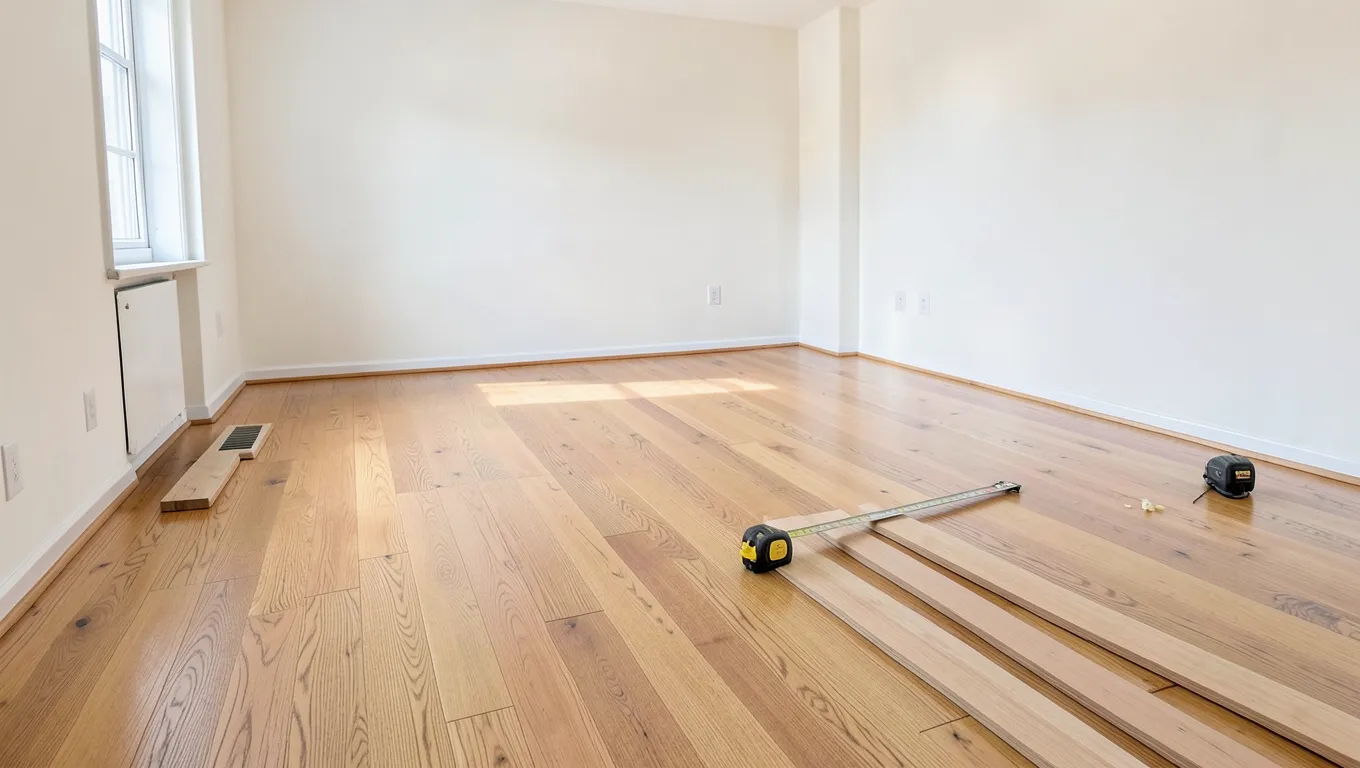
Hardwood flooring typically runs $6 to $12 per square foot installed, or $1,200 to $2,400 for a 200-square-foot room, but that range hides more than it reveals. Wood species alone can double the material cost, labor rates swing by region, and a handful of “hidden” line items (subfloor prep, old-floor removal, transition strips) routinely add 15 to 30 percent to a quote that only listed materials and installation. Here’s the full breakdown, including the costs most guides leave out.
Average Cost by Wood Species
Best DIY Installation Kit
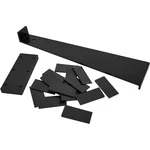 |
ROBERTS Floor Install Kit (Spacers, Tapping Block, Pull Bar) – $17 The basic tool set most DIY installers need to click-lock or tongue-and-groove a floor without damaging the plank edges.
|
Material cost is the single biggest swing factor, and it depends almost entirely on which species you pick:
| Species | Material Cost (per sq ft) | Installed Cost (per sq ft) |
|---|---|---|
| Red or white oak | $3 – $8 | $6 – $12 |
| Maple | $4 – $9 | $7 – $13 |
| Hickory | $4 – $10 | $8 – $14 |
| Walnut | $6 – $14 | $10 – $18 |
| Exotic species (Brazilian cherry, teak) | $8 – $18 | $12 – $25 |
| Engineered hardwood (any species) | $2 – $8 | $5 – $11 |
Oak stays the budget benchmark because domestic supply is high and most installers stock it. Exotic species cost more for the wood itself and are often harder, which can mean more blade wear and a slower install, both of which show up in the labor line too.
Solid vs. Engineered Hardwood: The Real Cost Difference
Solid hardwood is one piece of wood, top to bottom, which is why it can be sanded and refinished many times over its life, often 30 to 50+ years. Engineered hardwood is a thin real-wood veneer over plywood layers; it’s cheaper up front and more stable in humidity, but it can only be refinished once or twice, sometimes not at all if the veneer is very thin. If you’re comparing a cheap quote for engineered against a pricier solid-wood quote, factor in that the solid floor’s higher price buys decades more life and refinishing options, while a thin-veneer engineered floor may need full replacement in 15 to 20 years.
What Actually Makes Up an Installed Quote
- Materials: The wood itself, usually 40 to 55 percent of the total on a standard installation.
- Labor: Typically 40 to 60 percent of the total, and the part that varies most by region; installers in higher cost-of-living metro areas routinely charge more per square foot than rural markets for the identical job.
- Subfloor prep: Leveling, patching, or replacing damaged subfloor is quoted separately and can add $1 to $3 per square foot if your existing subfloor isn’t flat.
- Finishing: Site-finished floors (sanded and sealed after installation) cost more in labor and time than prefinished planks, but they give a completely seamless, gap-free surface.
- Underlayment and accessories: Moisture barrier, adhesive or nails, and transition strips between rooms are frequently priced as add-ons, not folded into the headline per-square-foot number.
The Hidden Costs Most Estimates Leave Out
Ask any installer for these numbers up front, because they rarely show up in an online cost calculator:
- Old floor removal and disposal: Pulling up carpet, tile, or old flooring and hauling it away commonly runs $1 to $2 per square foot on top of the new installation.
- Furniture moving: Some installers include this, many don’t. Ask, because renting a moving service or a storage pod for a few days is a real cost if you have to arrange it yourself.
- Baseboard and trim work: If baseboards need to come off and go back on (common for a clean installation), that’s typically a separate carpentry line item.
- Acclimation delays: Solid hardwood needs to sit in the room for several days before installation to adjust to the home’s humidity. That’s not a direct cost, but it does affect your project timeline and any temporary-housing or storage costs around a renovation.
DIY vs. Professional Installation
Installing it yourself can realistically save $2 to $5 per square foot in labor, but that savings comes with real trade-offs: a rented flooring nailer, a compressor, a tapping block and pull bar, spacers, and the time to learn a technique that professionals do daily. Click-lock engineered floors are the most beginner-friendly option for a DIY install; solid hardwood that needs to be nailed or stapled down is a much steeper learning curve for a first-timer. A small, simple, rectangular room is a reasonable DIY candidate; stairs, closets, and rooms with lots of transitions are where inexperience gets expensive fast if a mistake means re-buying material.
Ways to Bring the Cost Down Without Cutting Corners
- Mix a budget species in low-traffic rooms (bedrooms, guest rooms) and save the premium wood for main living spaces.
- Choose prefinished over site-finished when the schedule allows; it usually cuts labor time and lets you skip a multi-day sanding and sealing process.
- Get at least three itemized quotes that separately list material, labor, removal, and prep. A quote that only shows one lump number makes it impossible to compare against the next one.
- Do the demo yourself if you’re physically able to; pulling up old carpet or vinyl is one of the lower-skill tasks and can trim that $1 to $2 per square foot removal fee.
Long-Term Cost and Resale Value
Hardwood’s real cost advantage shows up over time, not on install day. Solid hardwood can be refinished multiple times over 50+ years for roughly $1.50 to $3 per square foot per refinish, far less than a full replacement. Engineered hardwood usually gets one or two refinishes at most before the veneer runs out. On the value side, real hardwood remains one of the flooring types buyers consistently rank as desirable, and it’s commonly cited by real estate agents as a renovation that helps a home sell faster, even when it doesn’t fully return its cost dollar-for-dollar at resale.
Frequently Asked Questions
What is the average cost of hardwood flooring in the USA?
Installed hardwood flooring typically runs $6 to $12 per square foot, including materials and labor. For a 200-square-foot room, that’s roughly $1,200 to $2,400 before hidden costs like old floor removal or subfloor repair.
Is solid hardwood more expensive than engineered hardwood?
Yes. Solid hardwood material runs about $3 to $14 per square foot depending on species, while engineered hardwood is typically $2 to $8. Solid wood costs more but can be refinished many more times over its life.
Can I install hardwood flooring myself to save money?
Yes, and it can save $2 to $5 per square foot in labor. Click-lock engineered flooring is the most beginner-friendly option. Solid hardwood that needs to be nailed down is significantly harder for a first-time DIYer.
Old floor removal and disposal, subfloor leveling or repair, furniture moving, and baseboard removal and reinstallation are the most commonly missed line items. Ask for an itemized quote that lists each one separately.
How long do hardwood floors last?
Solid hardwood can last 50 or more years with periodic refinishing. Engineered hardwood typically lasts 20 to 40 years, depending on how thick the real-wood top layer is.
Does hardwood flooring increase home value?
It’s one of the flooring types buyers most consistently rank as desirable, and agents often point to it as a factor that helps a home sell faster, even though it doesn’t always return its full cost dollar-for-dollar at resale.
Conclusion
Budget $6 to $12 per square foot as a realistic installed baseline, but get itemized quotes so removal, subfloor prep, and finishing aren’t buried in a single number. Species choice and labor rates in your area move that number more than anything else, and the hidden costs above are where most homeowners get surprised after the contract is signed, not before. For a deeper look at what drives that labor number specifically, see our wood floor installation cost by method breakdown.
Sponsored / affiliate links. As an Amazon Associate I earn from qualifying purchases. I may earn additional commission from eligible campaigns.