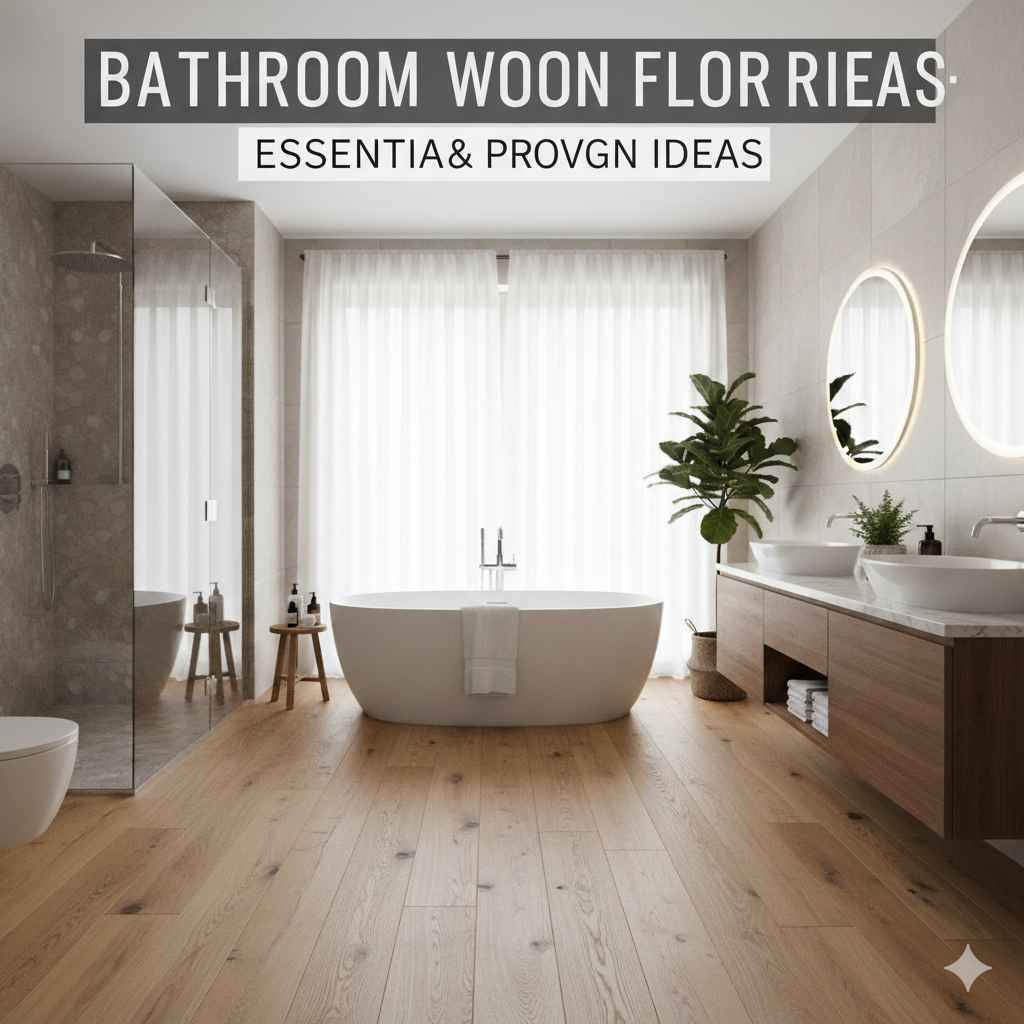
Bathroom Wooden Floor Ideas: Essential & Proven Designs
Transform your bathroom with beautiful, durable wooden floor ideas. Opt for water-resistant wood types like teak or bamboo, or explore engineered wood and luxury vinyl for stunning, worry-free designs that add warmth and value to your home.
Thinking about a wooden floor for your bathroom? It’s a dream for many, but whispers of water damage and warped boards can make it seem like a risky choice. I get it! Many homeowners worry about how wood will hold up in a high-moisture area. But with the right knowledge and designs, you can absolutely achieve that warm, luxurious feel of wood in your bathroom, safely and beautifully. Let’s explore some fantastic, proven ideas that are perfect for beginners and pros alike. We’ll look at the best wood types and design styles to make your bathroom both stylish and practical.
Why Wood Floors in the Bathroom? The Allure and the Hurdles
There’s no denying the appeal of wood in a bathroom. It instantly adds a touch of natural elegance, warmth, and a sense of spa-like tranquility that tile or vinyl often can’t quite replicate. Imagine stepping onto a smooth, natural surface that feels so grounding and inviting. It’s a classic look that complements almost any decor style, from rustic farmhouse to sleek modern.
However, bathrooms are inherently humid environments. Showers, splashes, steamy air – these can be challenging for natural wood if not planned correctly. The common concerns are:
- Moisture Damage: Swelling, warping, and cupping of the wood planks.
- Water Stains: Rings from cups, spills that aren’t wiped up quickly.
- Mold and Mildew: Damp conditions can encourage growth if not properly managed.
But don’t let these worries stop you! With the right selection of wood or wood-look flooring, proper sealing, and installation techniques, these issues can be significantly minimized, allowing you to enjoy the beauty of wood with confidence.
Choosing the Right Wood: Durability Meets Design
When we talk about wooden floors in bathrooms, we’re not just talking about any wood. Some species are naturally more resistant to moisture and wear than others. For a beginner-friendly approach, understanding these differences is key to a successful project.
Naturally Water-Resistant Woods
These are nature’s best for damp environments. They have a higher density and natural oils that help them repel water.
1. Teak
Teak is legendary for its water resistance, largely due to its high oil content and dense grain. It was famously used for boat decks, which tells you a lot about its durability in wet conditions. Teak has a beautiful golden-brown color that can deepen with age.
2. Cypress
Known for its natural resistance to decay and insects, cypress is another excellent choice. It has a lovely knotty appearance and a unique aroma when freshly cut.
3. Bamboo
While technically a grass, bamboo flooring is incredibly hard, durable, and surprisingly water-resistant when properly sealed. It’s also a sustainable choice, making it popular among environmentally conscious homeowners. Bamboo comes in various shades, from light to dark.
4. Brazilian Walnut (Ipe)
This extremely dense hardwood is incredibly tough and naturally resistant to moisture and rot. It has a rich, dark brown color that adds a luxurious feel.
Engineered Wood: A Smart Hybrid
Engineered wood flooring is a fantastic compromise. It looks and feels like solid hardwood, but it’s constructed differently, making it more stable and better suited for varying humidity levels, including bathrooms.
It consists of multiple layers of plywood or composite material topped with a thin layer of real hardwood veneer. This cross-grain construction makes it less prone to expanding and contracting with humidity changes compared to solid hardwood.
- Stability: Much more stable in moist environments than solid wood.
- Appearance: Can mimic the look of any solid hardwood species.
- Installation: Often easier to install, and some types can even be floated.
For beginners, engineered wood offers a more forgiving option while still providing that authentic wood aesthetic. Always ensure you choose one with a robust wear layer and a good sealing process.
Luxury Vinyl Tile (LVT) / Luxury Vinyl Plank (LVP): The Wood-Look Champion
If you love the look of wood but are still hesitant about moisture, Luxury Vinyl is your best friend. It’s not real wood, but high-quality LVT and LVP are designed to perfectly replicate the look and texture of natural wood planks, down to the grain patterns and knots. These are 100% waterproof, incredibly durable, and very easy to maintain.
Why LVT/LVP is a great beginner choice:
- Waterproof: Truly impervious to water.
- Durability: Stands up well to scratches and wear.
- Easy Installation: Many come with click-lock systems that are DIY-friendly.
- Affordability: Generally less expensive than real hardwood.
- Maintenance: Simple to clean with a damp mop.
While not technically a “wooden floor,” LVT/LVP provides one of the most practical and beautiful wood-like experiences for bathrooms.
Essential Bathroom Wooden Floor Designs & Styles
Beyond the material, the way your wooden floor is laid out and finished makes a huge difference. Here are some popular and proven designs:
1. Classic Plank Flooring
This is the most traditional look, featuring long, linear planks. It’s versatile and works well in most bathroom sizes.
- Wide Planks: For larger bathrooms, wide planks (5 inches or more) can make the space feel more expansive and luxurious. They offer a more modern, streamlined look.
- Narrow Planks: In smaller bathrooms, narrower planks can create a cozy feel and can sometimes make the room appear larger by creating more lines that draw the eye.
- Mix of Widths: A more rustic or craftsman-style look can be achieved by mixing plank widths for added visual interest.
2. Herringbone Pattern
Herringbone is a V-shaped weaving pattern made from rectangular pieces. It’s a timeless and elegant design that adds a sophisticated touch, especially to boutique-style bathrooms.
- Visual Impact: Creates dynamic movement and a sense of luxury.
- Material Choice: Works beautifully with both engineered hardwood and high-quality LVP.
- Installation Note: This pattern is more complex to install than straight planking, so if you’re a complete beginner, consider having a professional do this part or practice on a smaller area first. Check out resources like The Flooring Institute’s guide to flooring patterns for visual examples.
3. Chevron Pattern
Similar to herringbone, but the ends of the planks are cut at an angle to meet in a perfect point, forming a continuous V-shape. This creates a more dramatic and modern chevron effect.
- Bold Statement: Offers a striking visual that can be a focal point of the room.
- Requires Precision: Like herringbone, precise cuts are needed, making it ideally suited for experienced DIYers or professional installation.
4. Parquet Flooring
Parquet involves arranging small wooden pieces into geometric patterns, such as squares, diamonds, or hexagons. It’s a classic European style that oozes sophistication.
- Intricate Designs: Offers endless possibilities for custom patterns.
- Best for: Often seen with smaller wood pieces or wood-look tiles. Less common with solid or engineered planks laid in patterns, but achievable with specific parquet panels.
5. Wood Look Tiles in Wood Patterns
Porcelain and ceramic tiles designed to look like wood are an extremely popular and practical choice. They come in plank shapes and can be laid in any of the patterns mentioned above (plank, herringbone, chevron).
- Pros: 100% waterproof, highly durable, low maintenance, available in countless wood styles.
- Cons: Grout lines require cleaning, can feel colder underfoot than wood, installation can be trickier with complex patterns.
Installation Tips for a Beginner-Friendly Success
No matter which wood or wood-look flooring you choose, proper installation is crucial for longevity, especially in a bathroom. Here are some tips:
- Acclimatize the Flooring: Before installation, let the wood planks sit in the room where they will be installed for at least 48-72 hours. This allows them to adjust to the room’s temperature and humidity.
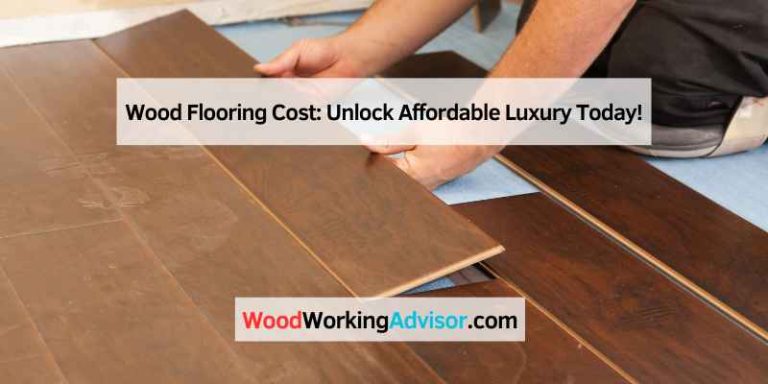
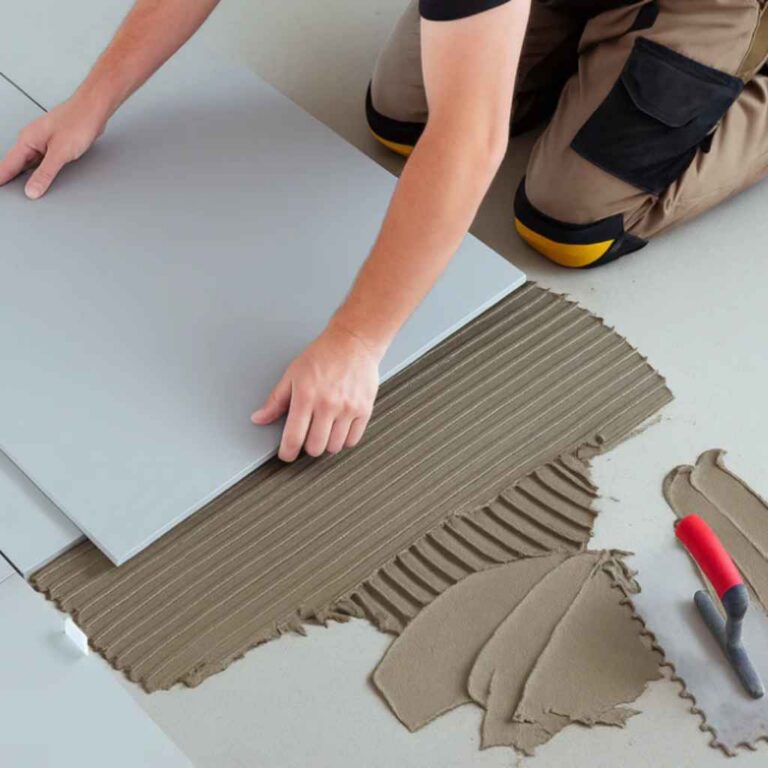
- Prepare the Subfloor: Ensure your subfloor is clean, dry, level, and structurally sound. High spots need to be sanded down, and low spots filled. A level subfloor is key to preventing squeaking and ensuring planks lock together properly.
- Moisture Barrier: This is non-negotiable for bathroom wood floors. A high-quality polyethylene vapor barrier (typically 6-mil) should be laid down over the subfloor to prevent moisture from rising up through the wood. Overlap seams by at least 6 inches and tape them. External Resource: Confused about vapor barriers? The U.S. Department of Energy offers great insights into moisture control in homes.
- Expansion Gaps: All wood flooring needs space to expand and contract. Leave a 1/4-inch to 1/2-inch gap around the perimeter of the room, including where the floor meets walls, cabinets, and fixtures. This gap will be hidden by baseboards or trim.
- Flooring Type Installation:
- Solid or Engineered Hardwood: Typically nailed or stapled down to a wooden subfloor, or glued down to concrete.
- Engineered Wood (Floating): Many engineered floors can be “floated,” meaning they are not attached to the subfloor but lock together. This can be a simpler DIY method.
- LVP/LVT: Often features a click-lock system for floating installation or can be glued down.
- Sealing: For solid or engineered hardwood, a high-quality, waterproof sealant is essential. Apply multiple coats according to the manufacturer’s instructions. Polyurethane-based sealants are popular, but look for options specifically rated for high-moisture areas or even marine-grade finishes for maximum protection.
Waterproofing and Maintenance: Keeping Your Wood Floor Pristine
Once your beautiful wooden floor is installed, keeping it looking its best requires a little ongoing care.
Waterproofing Strategies
- High-Quality Sealant: As mentioned, this is your first line of defense for real wood. Reapply as needed, typically every 1-3 years depending on traffic and wear.
- Waterproof Underlayment: Beyond the vapor barrier, some flooring systems offer waterproof underlayment options.
- Proper Ventilation: Ensure your bathroom has good ventilation (e.g., an exhaust fan) to reduce overall humidity levels.
- Prompt Spill Cleanup: Wipe up any spills, drips, or standing water immediately. Don’t let them sit on the wood surface.
Daily and Weekly Maintenance
- Sweep or Vacuum: Regularly sweep or vacuum your floor with a soft brush attachment to remove dust and grit that can scratch the finish.
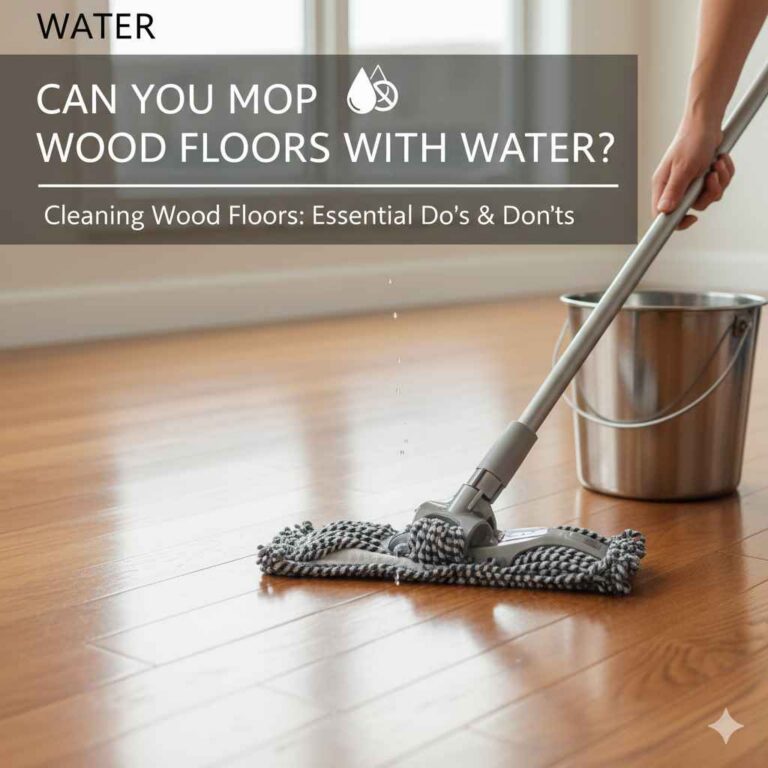
- Damp Mopping: Use a slightly damp mop for cleaning. Never use a soaking wet mop, as excess water can damage the wood. A microfiber mop is ideal.
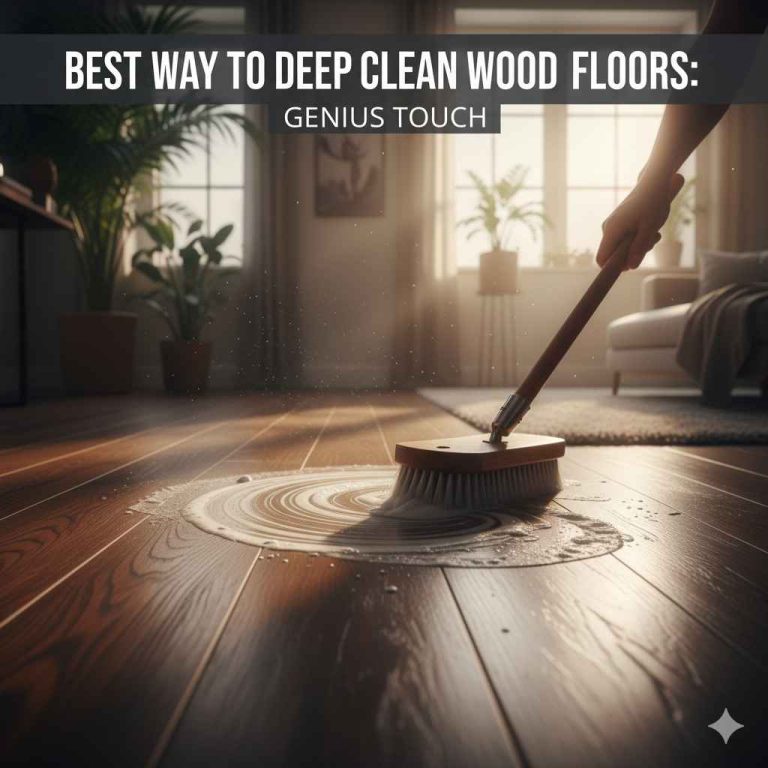
- Avoid Harsh Cleaners: Steer clear of abrasive cleaners, steam mops, or excessive water, as these can damage the sealant and the wood itself. Stick to wood-specific cleaners or mild, pH-neutral solutions mixed with water.
| Flooring Type | Pros | Cons | Best For |
|---|---|---|---|
| Solid Hardwood (Water-Resistant Species) | Authentic beauty, adds value, can be refinished multiple times | Higher cost, susceptible to moisture damage if not meticulously maintained, can warp | Sophisticated homeowners prioritizing natural material in very controlled bathroom environments |
| Engineered Hardwood | More stable than solid wood, real wood veneer, good moisture resistance (with sealant) | Can only be refinished a limited number of times, still requires careful sealing and maintenance | DIYers seeking a balance of real wood and stability |
| Luxury Vinyl Plank (LVP) / Tile (LVT) | 100% Waterproof, very durable, wide range of realistic wood looks, easy maintenance, affordable | Not real wood (though it looks it), can be punctured by very sharp objects, may not add as much resale value as real wood | Beginners, budget-conscious homeowners, high-moisture areas, pet owners |
| Wood Look Porcelain/Ceramic Tile | Completely waterproof, very durable, easy to clean, huge variety of styles | Requires grout, can be cold and hard underfoot, professional installation often recommended for complex patterns | Maximum durability and water protection without sacrificing wood aesthetic |
Frequently Asked Questions About Bathroom Wooden Floors
Q1: Can I really put real wood in my bathroom?
Yes, you can! The key is to choose naturally water-resistant wood species like teak or bamboo, or opt for more stable engineered wood. Proper sealing and installation with a moisture barrier are absolutely essential for success.
Q2: What is the most beginner-friendly bathroom wood floor option?
Luxury Vinyl Plank (LVP) or Luxury Vinyl Tile (LVT) flooring is often the most beginner-friendly. It’s 100% waterproof, very durable, easy to install with click-lock systems, and looks remarkably like real wood. Wood-look porcelain tiles are also a great, very practical choice.
Q3: How do I protect a real wood floor from shower steam and splashes?
A high-quality waterproof sealant or finish applied to the wood is your primary defense. Additionally, good bathroom ventilation with an exhaust fan will significantly reduce humidity, and always wipe up any standing water immediately.
Q4: Is engineered wood better than solid wood for a bathroom?
Generally, yes. Engineered wood is more stable in the face of humidity fluctuations due to its layered construction. This makes it less prone to warping or swelling compared to solid hardwood, making it a safer bet for bathroom environments.