Behr Oil-Based Polyurethane: Still Sold? VOC Rules Explained
Yes, Behr Oil-Based Polyurethane is still sold in 2026, but you won’t find it on every shelf, and it isn’t on Amazon at all. It’s a Home Depot house brand, its solvent content puts it outside the VOC limits enforced in some regions, and the real reviews on the actual product listings are more mixed than most articles about it let on.
Below is what the product actually is, why availability depends on where you live, what people who’ve actually used it report (good and bad), how to avoid the finish’s most common application problem, and a nationwide oil-based alternative if your local store only stocks the water-based version.
Is Behr Oil-Based Polyurethane Still Sold in 2026?
Behr Premium Fast-Drying Oil-Based Polyurethane is a current, active product line, not a discontinued one. It’s manufactured by Behr Process Corporation and sold exclusively through Home Depot; Behr has always been a Home Depot house brand, which is why you won’t find it on Amazon, at Lowe’s, or at an independent paint store. If a Home Depot near you carries oil-based wood finishes, the can on the shelf is the same formulation covered in this guide.
Best Amazon-Available Oil-Based Alternative
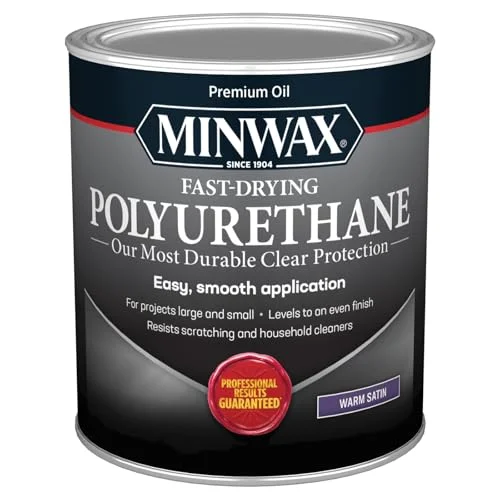 |
Minwax Fast-Drying Polyurethane, Warm Satin, 1 Quart – $15.97 Same true oil-based, film-forming chemistry as Behr’s line, but sold nationwide through Amazon instead of being locked to Home Depot’s shelf.
|
VOC Regulations: Where You Can (and Can’t) Buy It
The availability gap is regional, and it comes down to chemistry. Behr’s own product data sheet lists a maximum VOC content of 67% by weight for the oil-based polyurethane line — typical for a true solvent-based finish, and well above the limits now enforced by the South Coast Air Quality Management District (SCAQMD) in Southern California and by similarly strict air-quality districts in parts of Oregon and a handful of other regions. Those regulators cap the VOC content allowed in clear wood finishes at a fraction of what a solvent-based oil polyurethane needs to be formulated the way this one is.
In practice, that means stores inside heavily VOC-regulated districts often stock only Behr’s water-based polyurethane, even though both the oil- and water-based versions are listed side by side on Behr’s national website. If your local Home Depot’s shelf only has the water-based can, regional VOC compliance is almost always why, not a nationwide discontinuation. Use the “check nearby stores” availability tool on the product’s Home Depot listing before making a special trip, or see the full wood finishing guide for how oil-based and water-based polyurethane compare if you end up needing the water-based version instead.
Key Features and What It’s Actually Like to Use
Behr Premium Fast-Drying Oil-Based Polyurethane is a clear, film-forming topcoat sold in matte, satin, semi-gloss, and gloss sheens, in sizes from 8-ounce samples up to gallons. It’s built for interior wood: floors, tables, cabinets, and trim. Like other true oil-based polyurethanes, it amberizes as it dries, warming up the wood tone underneath, which is part of why people choose an oil-based finish over a water-based one that dries clear.
The “fast-drying” part of the name is real relative to older oil-based formulas: it’s recoatable in a matter of hours rather than the full day some traditional oil polyurethanes require, which shortens a multi-coat project from a weeklong ordeal to something you can finish over a weekend. It still needs mineral spirits for brush cleanup and tool care, same as any oil-based finish; it won’t clean up with soap and water the way Behr’s water-based polyurethane does.
What Real Reviewers Say (The Good and the Bad)
Pull up the review pages for this product on Home Depot’s own site and the picture is more mixed than most generic “guide” articles admit. On the positive side, reviewers consistently describe a thick, easy-to-brush product that levels well on furniture and trim, dries fast enough to recoat the same day, and cleans up like any standard oil-based finish. Longtime Behr users report consistent results can after can, and several specifically call out the warm, rich amber tone it leaves on the wood.
The complaints cluster around two things. First, on larger flat surfaces it doesn’t always self-level quite as evenly as some name-brand oil polyurethanes, and a handful of reviewers describe brush marks or a slightly uneven sheen when it’s applied too thick. Second, a few reviewers report a streaky or blotchy finish, which almost always traces back to applying it over incompletely sanded wood or stain that hadn’t fully dried first. Neither problem is unique to this product, and both are avoidable with the right technique, covered next.
How to Apply It for a Smooth, Streak-Free Finish
Most of the negative reviews trace back to application, not the product itself. A few adjustments fix nearly all of them.
Surface Preparation
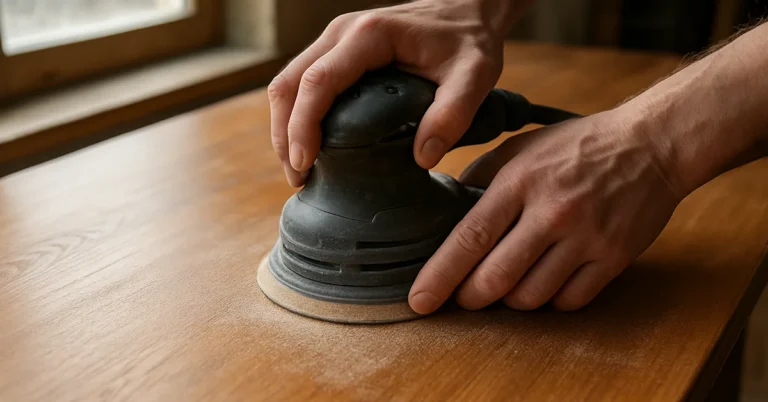
Sand bare wood to 220-grit before the first coat, and make sure any stain underneath is fully dry (24 hours minimum, longer in humid weather) before topcoating — applying polyurethane over stain that’s still tacky is the single most common cause of a streaky or blotchy finish. Wipe the surface with a tack cloth right before you start; leftover dust is the second most common cause.
Application Tools
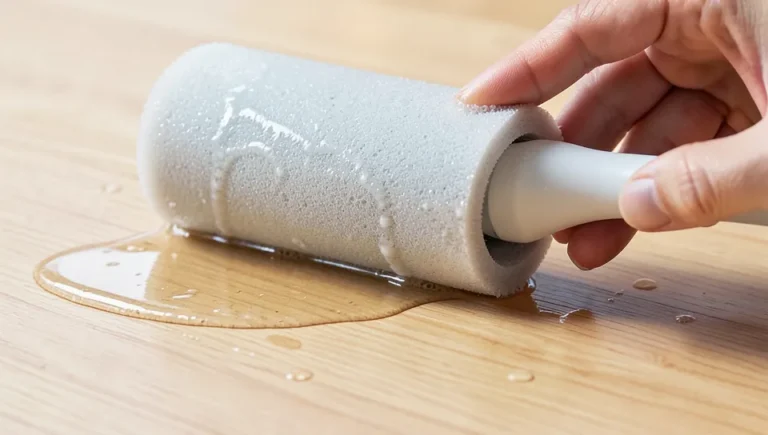
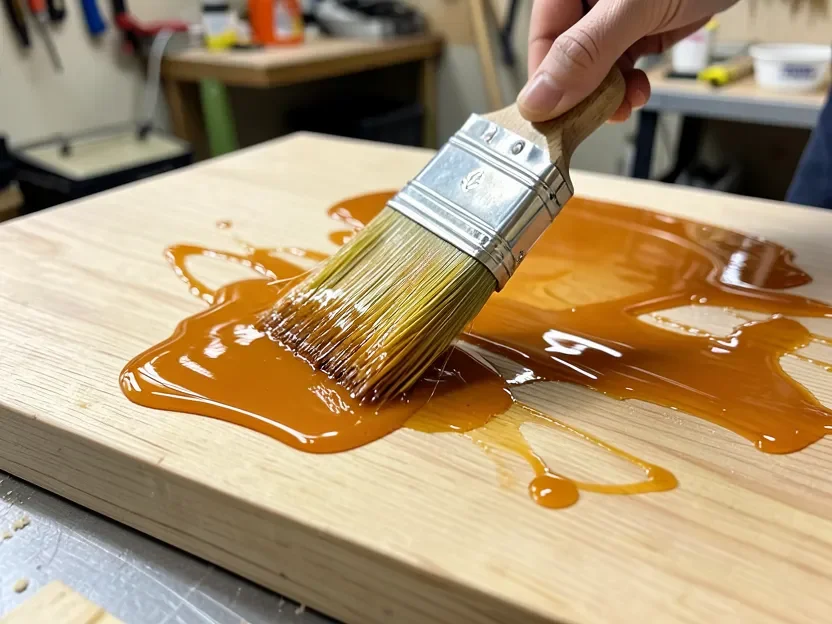
Use a natural-bristle brush, not a foam brush or roller, for anything larger than a small spot repair — foam tends to leave more visible brush marks with oil-based finishes specifically. Stir the can slowly with a flat stirrer; never shake it, since shaking introduces bubbles that show up in the dried finish.
Step-by-Step Process
Apply thin coats — thinner than feels intuitive. A too-thick coat is the direct cause of the self-leveling complaints in the reviews above. Brush with the grain in long, even strokes, and “tip off” each section (a final light pass with an almost-dry brush) to smooth out any ridges before the finish starts to set. Let each coat dry fully, then scuff-sand lightly with 320-grit between coats and wipe away the dust. Two to three thin coats give a more even, more durable result than one heavy coat.
Drying and Curing Time
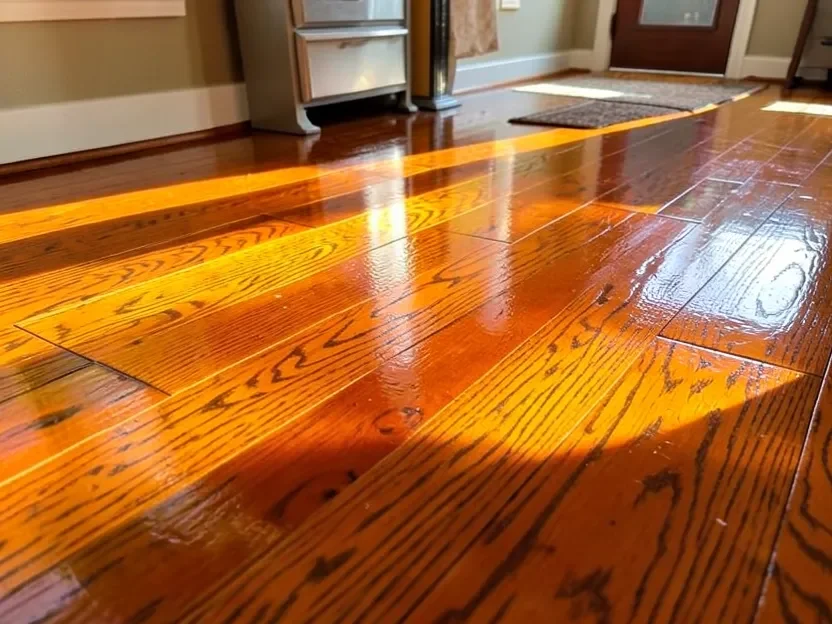
Follow the can’s label for exact timing, since temperature and humidity both shift it, but as a fast-drying oil-based formula it’s typically recoatable in roughly 4 to 6 hours under normal indoor conditions, versus the 24 hours some older oil polyurethanes require between coats. That’s dry-to-the-touch and ready for another coat, not fully hardened. Like other oil-based polyurethanes, full cure — the point where the finish has reached its maximum hardness and can handle daily wear without marking — takes considerably longer, typically two to four weeks. Avoid placing rugs, heavy furniture, or appliances on a freshly finished floor until it’s had that full cure window.
Common Mistakes to Avoid
Applying too much at once is the top mistake: it causes bubbles, drips, and a tacky finish that takes far longer to dry properly. A thin coat that looks almost too light will level out and build the right amount of film after two or three passes.
Shaking the can instead of stirring is the second: shaking whips air into the finish, and those bubbles are already set by the time you notice them on the wood. Reusing an old, stiff, or partially dried-out brush is the third; it drags dried flecks and uneven bristles across the surface. A clean, natural-bristle brush and a fresh stir are cheap insurance against most of the visible defects reviewers report.
Behr vs. Other Oil-Based Polyurethanes
Chemically, Behr’s oil-based polyurethane isn’t dramatically different from other name-brand true oil polyurethanes like Minwax’s: both are solvent-based, both amberize the wood, both clean up with mineral spirits, and both list comparably fast recoat windows on their “fast-drying” lines. The real difference is distribution and price, not formulation. Behr is Home Depot-exclusive and regionally VOC-restricted, as covered above; Minwax and similar national brands are sold through more retailers and are readily available on Amazon in every state without a store-stock check first.
If your local Home Depot only carries the water-based version, ordering an equivalent oil-based product online is usually the easiest workaround. Just double-check the specific listing ships to your address; a handful of clear-finish listings exclude California addresses for the same VOC reasons covered above.
Maintenance and Care
Once cured, clean surfaces with a soft, slightly damp cloth and plain warm water; skip harsh chemical cleaners, which can dull the sheen over time. Dry the surface afterward rather than letting water sit. For small scratches, clean the area, sand lightly with fine sandpaper, and reapply a thin coat of the same finish, feathering the edges so the repair blends in. Deeper gouges usually need a full sand-back of that section before recoating.
Frequently Asked Questions
Is Behr Oil-Based Polyurethane Still Sold in 2026?
Yes. It’s a current, active Behr Process Corporation product, not a discontinued one. It’s sold exclusively through Home Depot, so it won’t show up on Amazon, Lowe’s, or independent retailers, but it hasn’t been pulled from the market nationally.
Why Isn’t Behr Oil-Based Polyurethane Available in Every State?
Its VOC content, listed at up to 67% by weight on Behr’s own spec sheet, exceeds the limits enforced by strict air-quality regulators like Southern California’s SCAQMD and similar districts elsewhere. Stores inside those districts typically stock only Behr’s water-based polyurethane instead.
Can I Buy Behr Oil-Based Polyurethane on Amazon?
No, Behr is a Home Depot house brand and isn’t listed on Amazon. A comparable true oil-based polyurethane, like Minwax’s Fast-Drying Polyurethane, is a nationwide, Amazon-available alternative with a similar formulation and recoat window.
How Long Does Behr Oil-Based Polyurethane Take to Dry and Cure?
Typically recoatable in about 4 to 6 hours under normal conditions, though the label’s exact timing should always be the final word since temperature and humidity shift it. Full cure, when the surface can handle daily wear, generally takes two to four weeks, in line with other oil-based polyurethanes.
Bottom Line
Behr Oil-Based Polyurethane is a real, currently sold product, not a discontinued one, but it’s exclusive to Home Depot and often missing from shelves in strict VOC-regulated regions like Southern California. Where it’s available, it applies well in thin coats with a natural-bristle brush and delivers the warm, durable finish oil-based polyurethane is known for; the streaking and uneven-leveling complaints in reviews are almost always technique issues, not a bad can. If your local store only carries the water-based version, a nationwide oil-based alternative like the Minwax pick above covers the same job.
Sponsored / affiliate links. As an Amazon Associate I earn from qualifying purchases. I may earn additional commission from eligible campaigns.