Is Spray Polyurethane Better Than Brush? (Coats, Cost & VOCs)
Spray polyurethane lays down thinner, more even coats than a brush – but it needs more coats, overspray control, and real ventilation to do it safely. Skipping that ventilation can push VOC exposure to levels the EPA has measured at up to 1,000 times normal indoor readings during solvent-heavy work. This guide compares real coat counts, equipment costs, dry times, and VOC exposure so you can pick the right method for your project, not just the trendier one.
As an Amazon Associate, we earn from qualifying purchases made through links in this article.
Spray vs. Brush Polyurethane: Quick Comparison
Spray polyurethane applied with a paint sprayer builds film in thin, even passes and dries faster between coats, while a brush lays down a thicker coat in fewer passes but risks streaks. Neither method is universally “better” – they trade coat count and cleanup time for control and cost. The table below is part of our full wood finishing guide and compares both methods on the factors that actually change your outcome.
| Factor | Spray (HVLP/Aerosol) | Brush |
|---|---|---|
| Coats typically needed | 3–4 thin coats | 2–3 coats |
| Wet film thickness per coat | 0.5–1 mil | 2–3 mil |
| Recoat wait time | 30–45 minutes | 2–4 hours |
| Startup cost | $10–15/can, or $60–150 for an HVLP gun | $8–15 for a quality natural-bristle brush |
| Best for | Cabinet doors, tabletops, large flat panels | Corners, vertical edges, one-off small pieces |
Why Spray Needs More Coats Than Brush
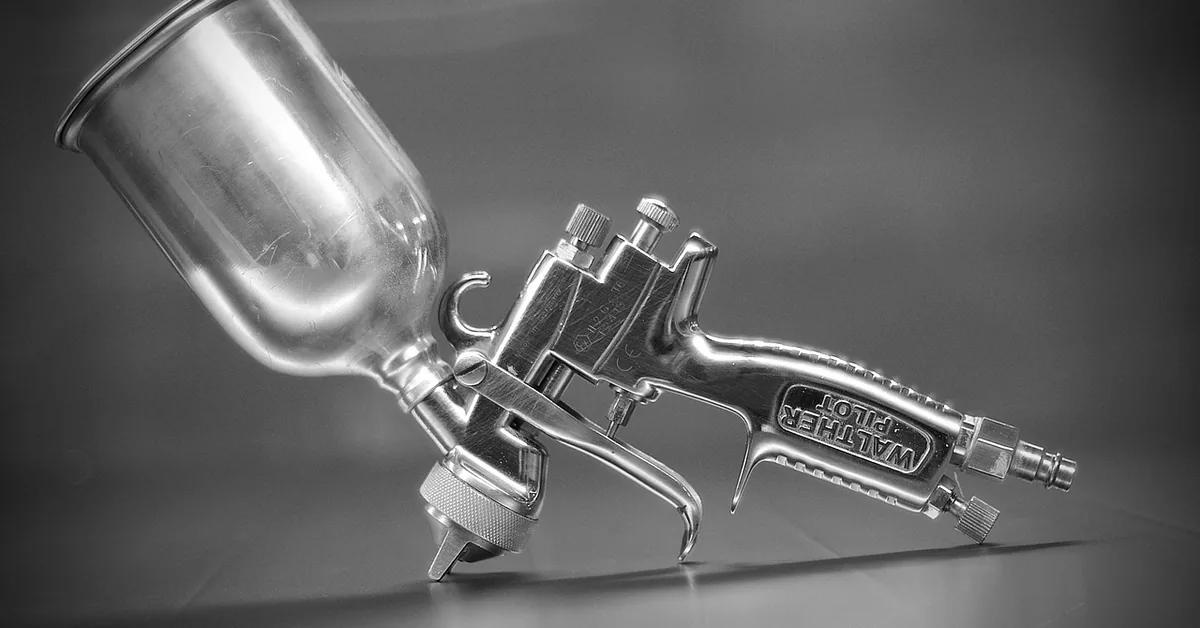
Spray polyurethane needs more coats than brush because an HVLP gun or aerosol can only lay down a thin 0.5–1 mil wet film before the finish starts to sag on a vertical surface. A brush, by comparison, holds enough material to deposit 2–3 mils per pass without running. That difference in mil thickness – not the equipment itself – is the real reason a sprayed project usually needs 3 or 4 light passes to reach the same total film build that 2 brushed coats achieve.
This matters for planning, not just technique. If you’re working to a deadline, budget an extra recoat cycle or two when spraying, even though each individual coat dries faster than a brushed one. Skipping a coat to save time is the single most common reason a sprayed finish wears through at edges and corners sooner than it should.
Which Sprayer Should You Buy If You Go the Spray Route?
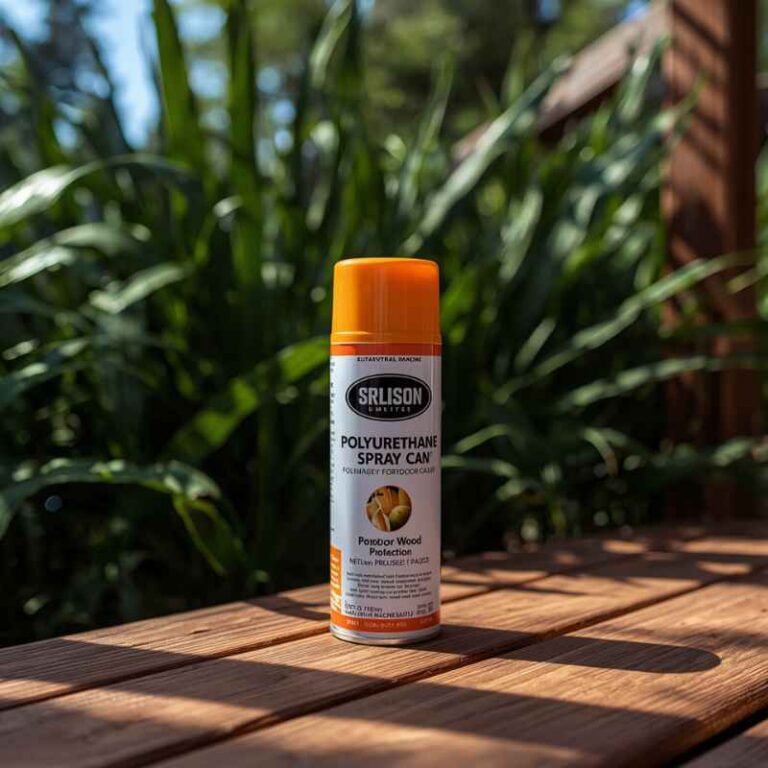
If you’re spraying more than one project, an HVLP gun pays for itself over aerosol cans within 3–4 uses and gives you more control over coat thickness than a can’s fixed spray pattern. We picked a gun below that specifically handles the thin, even coats this guide’s coat-count math depends on – see our full spray gun comparison if you want more options at different price points.
|
Best HVLP Sprayer Pick
|
As an Amazon Associate we earn from qualifying purchases.
What About Wipe-On Polyurethane?
Wipe-on polyurethane is poly thinned with mineral spirits and rubbed on with a lint-free cloth – it sits between spray and brush, skipping brush marks and spray equipment at the cost of needing 4 to 6 very thin coats instead of 2 to 4. It’s slower overall than either method, but it’s the easiest to control in tight corners and on turned or carved pieces where a brush would pool and a sprayer would overspray onto everything nearby.
Many woodworkers use wipe-on as a hybrid, not a replacement: spray or brush the flat faces of a piece, then wipe on the final coat by hand over carved details or hardware cutouts. If you’re deciding between poly and an entirely different finish for a project like this, our Danish oil vs. polyurethane comparison covers when a wiped-on oil finish is the better call instead.
Cost Breakdown: Aerosol Can vs. HVLP Sprayer vs. Brush
For a typical 3×2-foot tabletop needing 3 coats, a brush and a quart of polyurethane run about $25–35 total, aerosol cans run $35–50 because you’re paying for propellant with every can, and an HVLP gun costs $60–150 up front but drops to roughly the same $15–20 per project as a brush once you’ve used it 3–4 times.
| Method | Upfront Cost | Cost Per Project After That |
|---|---|---|
| Natural-bristle brush | $8–15 (reusable) | $15–25/quart of poly |
| Aerosol spray can | None | $30–45 per project (2–3 cans) |
| HVLP sprayer | $60–150 (reusable) | $15–20/quart of poly (thinned) |
After refinishing a dozen cabinet doors with both methods on the same kitchen job, the HVLP sprayer cut total working time roughly in half once the gun was dialed in – but a brush still stayed out on the bench the whole time for touch-ups in the inside corners where the gun sprayed past the target. – Our team, Woodworking Advisor
VOC Exposure and Ventilation
📊 Indoor VOC levels can spike to as much as 1,000 times normal outdoor readings during and for several hours after solvent-heavy work like spraying oil-based finishes. — Source: U.S. EPA, Volatile Organic Compounds’ Impact on Indoor Air Quality
Spraying atomizes solvent-based polyurethane into the air far more than brushing does, which is why cross-ventilation and a respirator rated for organic vapors matter more with a sprayer than with a brush. If you get overspray or drips on bare skin, removing polyurethane from skin quickly with mineral spirits and soap reduces irritation. Water-based polyurethane cuts VOC exposure significantly versus oil-based for either application method, at the cost of slightly less depth of color on darker woods.
When Spray Wins vs. When Brush Wins
- Spray wins for: large flat panels, cabinet doors, dining tables, and any project where a streak-free showroom finish matters more than setup time.
- Brush wins for: one-off small projects, tight corners, vertical edges, and any space without real cross-ventilation.
- Wipe-on wins for: turned pieces, carved detail, and touch-ups over an existing finish where neither a brush nor a sprayer can get clean, even coverage.
- Rough or open-grain woods like oak often need brushing or wiping regardless of preference, since spray can bead on porous surfaces before it has a chance to soak in.
Common Mistakes to Avoid With Either Method
Most poor finishes come down to a handful of repeatable mistakes rather than the method itself. Our guide to applying poly for a flawless finish covers these in more depth, but the short version:
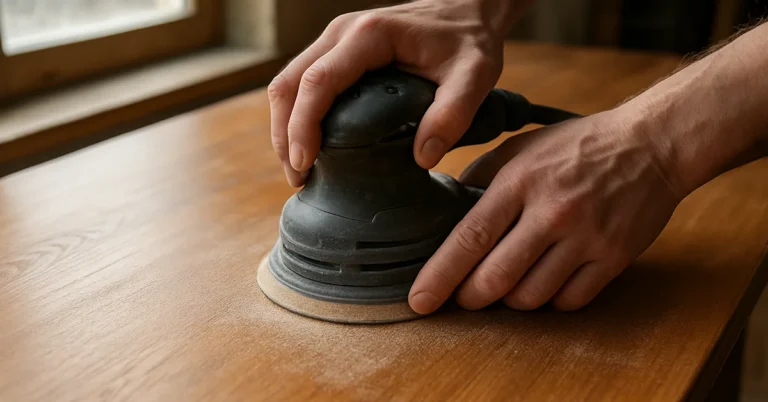
- Skipping the scuff-sand between coats: a quick pass with 220-grit between every coat is what makes coat 2 bond to coat 1 instead of peeling later.
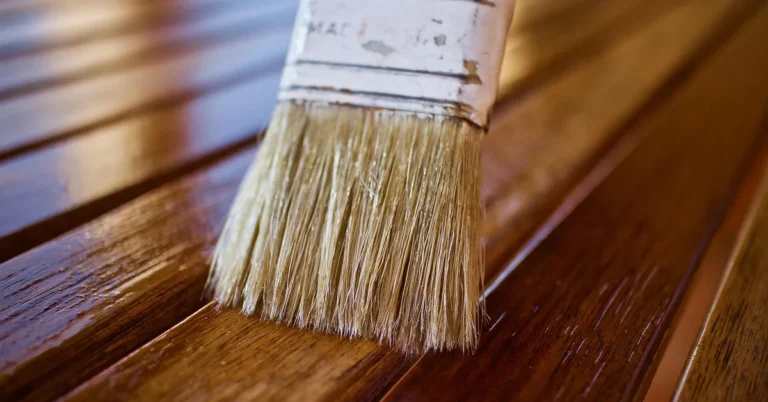
- Overloading the brush: dip only a third of the bristle length and tip off with the grain to avoid visible brush marks in the dried finish.
- Spraying too close or too slow: both cause the finish to pool and sag – keep the gun 6–8 inches from the surface and keep it moving.
- Not thinning oil-based poly for spray equipment: most HVLP guns need poly thinned 10–15% with mineral spirits to atomize correctly; check your gun’s manual first.
- Cleaning brushes incorrectly: a poly-loaded brush left to dry solid is ruined – clean a water-based polyurethane brush immediately in warm soapy water before it skins over.
Frequently Asked Questions
Is spray polyurethane more efficient than brushing?
Yes, for large or flat surfaces. Spraying covers area faster per pass and dries between coats in 30–45 minutes versus 2–4 hours for a brushed coat, but it typically needs 3–4 passes instead of 2–3 to reach the same total film thickness, so total project time is closer than the per-coat numbers suggest.
Does spray polyurethane provide a smoother finish?
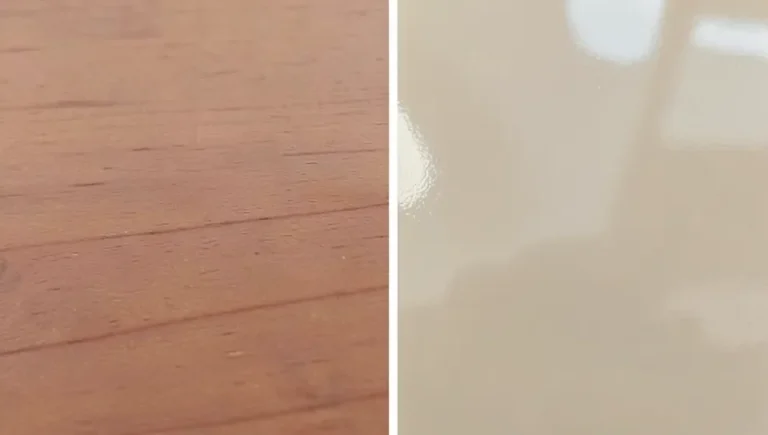
Yes. The atomized mist from a spray gun eliminates the brush-mark risk entirely, which is the main reason cabinet shops and furniture refinishers default to spraying for visible flat surfaces. A properly loaded and tipped-off brush can still get close, just with more technique required.
Can I use spray polyurethane indoors?
Yes, with real cross-ventilation and an organic-vapor respirator, not just an open window. Indoor VOC concentrations from solvent-heavy spraying can spike dramatically compared to normal indoor air, per EPA data cited above, so a closed room with no airflow is the wrong place to spray oil-based poly.
How long does spray polyurethane take to dry?
Each sprayed coat is typically dry to the touch in 30–45 minutes and ready to recoat, though full cure to a hardened surface still takes about 24 hours regardless of application method. Temperature and humidity both slow this down – cold, damp shops can double dry times for either spray or brush.
Can I switch between spray, brush, and wipe-on on the same project?
Yes, and it’s a common professional shortcut: spray or brush the flat faces for speed and even coverage, then wipe on the final coat by hand over carved detail, hardware cutouts, or inside corners the gun can’t reach cleanly. Just let each layer cure to the touch before switching methods so the new coat bonds instead of lifting the one underneath.
Conclusion
Spray polyurethane wins on finish quality and speed for large, flat surfaces if you can ventilate the space and don’t mind an extra coat or two. Brush wins on cost, control, and simplicity for smaller projects, tight corners, and any space without real airflow. Most experienced finishers end up owning both a brush and a sprayer – and a lot of them add wipe-on poly as the third tool for the details neither one handles well.
Sponsored / affiliate links. As an Amazon Associate I earn from qualifying purchases. I may earn additional commission from eligible campaigns.