Best Vacuums for Hardwood Floors (2026): we compared
For hardwood floors, choose a vacuum with a sealed hard-floor head or soft-roller brush, brush roll off, and suction you can lower; skip stiff-beater-bar uprights unless they have a dedicated bare-floor mode. A wrong floorhead can scatter grit, dull the finish, or leave micro-scratches that lead to costly refinishing. This guide matches vacuum type and floorhead to finish type, debris size, and household size so you can buy the right setup.
Quick comparison
| Product | Badge | Best for | Price | ||
|---|---|---|---|---|---|
 |
Dyson V15 Detect Cordless VacuumDyson | Our pick | Cordless vacuum with intelligent dust revelation and adaptive power. | $649.99
Price as of 11 Oct 2026
|
View |
 |
Shark Cordless Vertex Pro Lightweight Cordless StickShark | Also great | Lightweight cordless stick vacuum with self-cleaning brushroll. | $449.99
Price as of 11 Oct 2026
|
View |
 |
Miele Classic C1 Pure Suction Vacuum for Hard Floors &Miele | Upgrade pick | Bagged canister vacuum for hard floors and low-pile carpet. | $309.99
Price as of 11 Oct 2026
|
View |
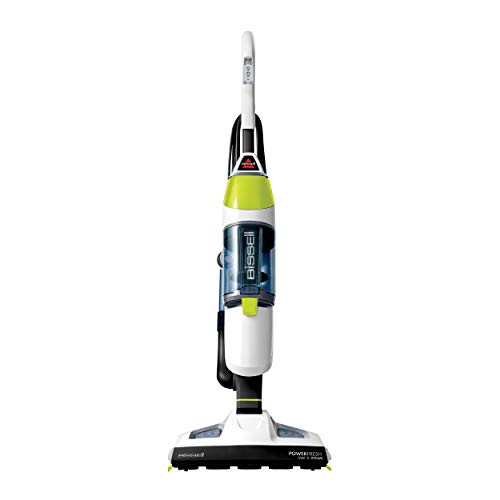 |
Bissell PowerFresh Vac & Steam All-in-One Vacuum and SteamBissell | Budget pick | All-in-one vacuum and steam mop with digital controls. | $199.99
Price as of 11 Oct 2026
|
View |
Hardwood performance comes down to two questions: will the vacuum scratch the floor, and will it pick up dust instead of pushing it around. The best match depends on your finish, your debris, and how often you clean.
📊 TechRadar highlights the Dreame R20 as a value pick with a dedicated hard floor head. Source: The best vacuum for hardwood floors 2026: The best picks for every….
How we chose
We compared floorhead design, brushroll control, suction control, and fit for home size. We also weighted dust pickup on bare floors, because scratch risk and cleaning performance are different problems.
Selection logic follows evaluation ideas that are broadly similar to those used in independent lab testing, including ASTM vacuum test methods. That matters because credible testing separates bare-floor pickup, edge cleaning, and debris scatter instead of treating every vacuum the same.
For hardwood-specific guidance, favor soft brush heads because stiff brush heads may cause small scratches, and use soft rollers to capture fine dust without scratching floors. Standard bristle brush rolls can scatter debris or leave microscopic scratches, so they need stricter controls.
Quick picks
- Best for sealed hardwood: a vacuum with a soft roller floorhead or a hard-floor tool, plus suction control.
- Best for mixed floors: an upright with brushroll control, or a canister with quick floorhead swaps.
- Best for pet hair and grit: a canister or strong cordless stick with a soft roller head and strong edge pickup.
- Best for daily cleanup: a cordless stick or robot vacuum, with the limit that robots usually have lower suction than corded models.
Soft roller or brushroll off: what protects hardwood?
A soft roller floorhead is usually gentler on hardwood than a stiff bristle roll because it lifts fine dust without scuffing the finish as easily. If the vacuum has a beater bar, turn it off on bare wood; the hard surface setting lowers the vacuum to the floor and removes the spinning brush action that can kick grit around.
Why soft roller floorheads are gentler on bare wood
Soft roller heads are a strong fit for sealed hardwood because they make direct contact without aggressive bristles. TechRadar calls the soft roller one of the biggest differences for hardwood vacuums, and Home Essentials Lab says soft rollers capture fine dust without scratching floors. That matters when even small dirt specks can dull the finish.
When a bristle brush works only with the brushroll off
A bristle-head vacuum can still work on hardwood if the brushroll shuts off completely and the head sits flat enough to seal against the floor. The hard surface setting turns off the beater bar and lowers the vacuum to the floor, which improves suction on hardwood and reduces the chance of debris being flung ahead of the head.
How to avoid snowplowing fine dust and crumbs
Snowplowing happens when the vacuum head pushes crumbs, litter, or dust instead of pulling them in. If that happens, slow down, reduce suction if the head is sealing too tightly, and switch to a softer head or a narrower tool. Home Essentials Lab found standard bristle brush rolls can scatter debris, so head design matters as much as motor power.
Dyson V15 Detect Cordless Vacuum: best for sealed hardwood and fast spot cleaning
This is a strong fit for sealed hardwood when you want a cordless stick with a soft-floor cleaning head and dust visibility. Dyson includes the Fluffy Optic cleaner head and adaptive power, which helps on bare floors where fine dust is easy to miss.
Its main drawback is the usual cordless trade-off: runtime limits and a smaller bin than many canisters. It is better for quick cleanups and regular maintenance than for large homes with heavy grit or long-hair pet debris across multiple rooms.
Shark Cordless Vertex Pro Lightweight Cordless Stick Vacuum, Red, IZ662H: best for pet hair and quick daily cleanup
This cordless stick fits homeowners who need light handling, fast passes, and strong pickup for pet hair on hardwood. The self-cleaning brushroll is useful when hair wrap is the main nuisance, and the removable battery helps with longer cleaning sessions.
The trade-off is that a stick still depends on battery management, and a brushroll design is only as good as its hard-floor mode. For very large homes or heavy grit, a canister with a hardwood tool is often easier to keep moving without recharging.
Miele Classic C1 Pure Suction Vacuum for Hard Floors & Low-Pile Carpet: best for larger hardwood homes
This canister is a good match when you want strong suction, suction control, and attachment variety for mostly hardwood homes. The six adjustable suction settings help you tune pickup on sealed wood, rugs, and edge areas without relying on a spinning brushroll.
The drawback is handling: a canister means more hose and body movement, so it is less convenient for fast spot cleaning. It makes more sense in larger households, or when stairs, baseboards, and mixed surfaces matter more than grab-and-go speed.
Bissell PowerFresh Vac & Steam All-in-One Vacuum and Steam Mop, 2747A: best for users who want a two-step floor routine
This model suits buyers who want vacuuming and steam cleaning in one body, but it is not the safest choice for most hardwood maintenance. Steam mops are not recommended for wood floors because steam can damage the finish, so the steam function should stay off on bare wood.
That limits its appeal for hardwood-only homes. If you buy it for mixed-floor convenience, use the vacuum mode only on wood and reserve steam for floor types that tolerate moisture and heat better.
Are cordless vacuums good for hardwood floors?
Yes, cordless stick vacuums can be very good on hardwood because they are light, easy to steer, and often come with soft roller heads. The catch is runtime, bin size, and suction consistency as the battery drains. They fit quick cleanups best, not marathon cleaning sessions in large homes.
Many cordless models also make it easier to clean edges, under chairs, and around furniture legs without dragging a heavy body across the floor. That lowers the chance of bumping a finish with a bulky base.
Where runtime limits matter
Runtime matters most when you have multiple rooms, pets that shed heavily, or grit tracked in from outside. In those cases, a cordless vacuum can finish the obvious dust but leave you waiting on a recharge before you reach hallways and stairs.
Why many models include soft roller heads
Soft rollers are common on cordless hardwood models because they solve two problems at once: they are gentle on finish and they collect fine dust well. TechRadar’s hardwood guidance and Home Essentials Lab’s findings both point in the same direction: the floorhead matters more than badge-level power claims.
Who should skip a cordless stick
Skip a cordless stick if your home is large, you have frequent grit, or you want one vacuum to handle deep clean sessions on many rooms. A canister is usually a better long-session tool, and an upright with brushroll control may be better if your floors change often between carpet and wood.
Canister vacuum: best for larger hardwood homes
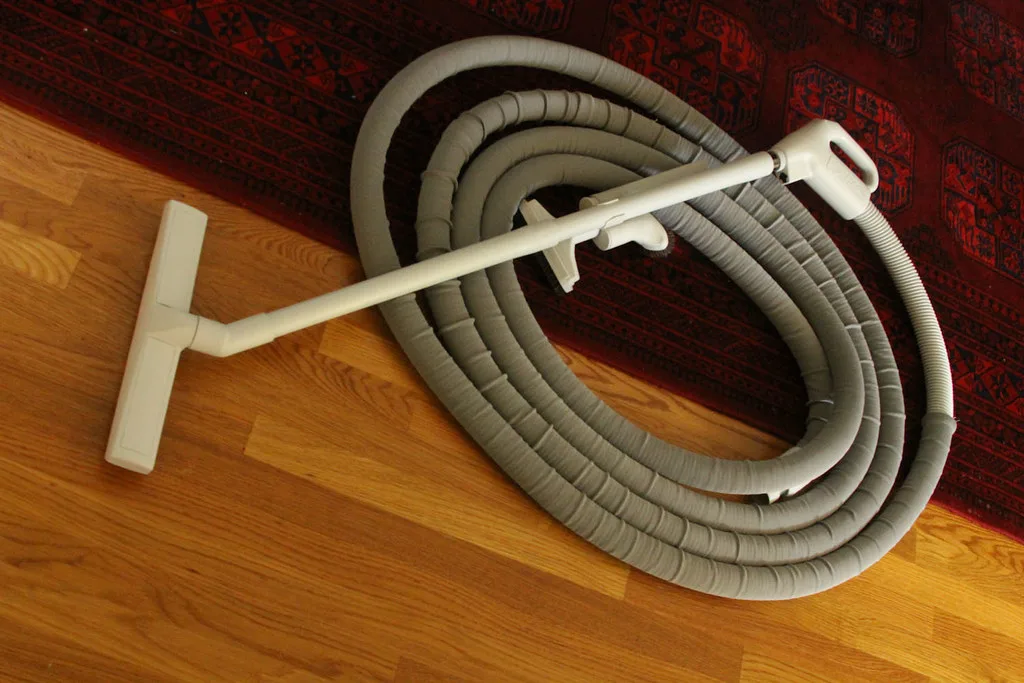
Canister vacuums are often the easiest match for larger hardwood homes because they pair strong suction with the right attachment for the job. They also tend to feel less harsh on wood when you use a dedicated hardwood head instead of a spinning brushroll meant for carpet.
Bagged canisters can be especially useful for fine dust because they keep debris contained when emptied. That matters when dust-redispersion is the bigger problem than scratching.
Why suction and attachment variety help on wood
Hardwood often collects mixed debris: fine dust, pet hair, lint, crumbs, and grit. A canister lets you switch to a hardwood tool, a crevice tool, or an upholstery brush without changing the whole machine, which makes it easier to clean edges without putting a bristled head back on the floor.
Which hardwood-specific tools matter most
Look for a smooth floorhead, a soft roller, or a parquet-style tool that glides without stiff rows of bristles. A wide head can cover area quickly, but the best tool is the one that seals well enough to pull in fine dust without scattering it first.
What makes canisters easier on stairs and edges
The canister body stays on the floor while the hose and wand do the work, which helps on stairs and along baseboards. That reduces lifting and carrying, especially in multi-level homes where a heavy upright gets old fast.
Upright vacuum with brushroll control: best for mixed flooring
An upright with brushroll control can be a good fit when your home mixes carpet and hardwood, as long as you actually turn the brushroll off on bare floors. The hard surface setting improves suction on hardwood and lowers scratch risk by stopping aggressive bristle action.
The drawback is weight. Uprights are usually heavier than stick vacuums, and some feel less nimble around chair legs and narrow spaces.
When brushroll off makes an upright safe on hardwood
Brushroll off is the key setting for hardwood use. Without it, bristles can fling grit or leave tiny marks, especially if the head is aggressive. With it, the upright behaves more like a bare-floor vacuum and can be a practical one-machine solution for mixed homes.
Trade-offs versus stick and canister models
Compared with a stick, an upright usually offers more capacity and steadier whole-house cleaning. Compared with a canister, it is less flexible on stairs and edges. If you want one vacuum for both carpet and hardwood, that trade-off may be acceptable.
What to check on wheels and base design
Check that the wheels are smooth and the base does not feel rough on the floor. Wheel material matters because rough or clogged wheels can track grit and leave marks even when the brushroll is off.
What features make a vacuum safe for hardwood floors?
A safe hardwood vacuum has a floorhead that suits the finish, a brushroll control or hard surface mode, and suction you can reduce when the head seals too tightly. Soft rollers are usually safer than stiff bristles, and a good bin or bag system helps keep dust from drifting back onto the floor.
Sealed, oiled, unfinished, and wire-brushed hardwood
Sealed hardwood is the most forgiving because the finish sits on top of the wood. Oiled floors need gentler contact because the surface can show wear differently. Unfinished wood is the most sensitive and deserves the least aggressive floorhead. Wire-brushed wood has texture that can trap dust, so use a head that lifts debris without digging into the grain.
Scratch risk versus dust-redispersion risk
A vacuum can be safe on hardwood and still clean poorly. Scratch risk is about direct contact with the finish, while dust-redispersion is about whether the head actually captures debris. A soft roller can reduce scratching, but if suction or sealing is poor, it may still leave fine dust behind.
Suppose you have a 1,800-square-foot home with sealed oak floors and two shedding pets. A cordless stick with a soft roller may be ideal for daily pickup, but a canister is still useful for weekend deep cleaning when litter, grit, and hair are all on the floor at once.
How do you vacuum hardwood floors without scratching them?
Use a vacuum with a soft roller or hard-floor head, keep the brushroll off, and pick up grit before it gets dragged around. Empty the bin or bag often, check wheels for trapped debris, and avoid aggressive passes over sand, gravel, or litter that can act like sandpaper.
A common first-timer mistake is pushing a carpet head straight onto wood and assuming suction alone will save the finish. It will not. The floorhead and brush settings matter more than the brand name on the shell.
What is the best vacuum for hardwood floor?
The best vacuum for hardwood floor depends on finish type, debris, and home size. For sealed wood and quick cleanup, a cordless stick with a soft roller is usually the most convenient. For larger homes or heavier grit, a canister with a hardwood tool is often the better long-session choice.
Which one should you buy
Choose by finish first, then by debris and house size. For sealed hardwood in a smaller home, the Dyson V15 Detect and Shark Vertex Pro fit fast cleanup well. For a larger home or more grit, the Miele Classic C1 Pure Suction is the safer long-run pick because it gives you suction control and hardwood-friendly attachments.
If your home mixes carpet and hardwood, pick an upright with brushroll control only if you will use hard surface mode every time you leave carpet. If you want a two-in-one cleaner, remember that the Bissell’s steam function is a poor match for wood, so it is not the first choice for protecting finish over time.
Best choice by floor finish
Sealed hardwood: soft roller or hardwood head. Oiled hardwood: softer contact, lower suction, careful maintenance. Unfinished or heavily worn hardwood: avoid aggressive brushrolls and use the gentlest floorhead you can find. Wire-brushed hardwood: choose a tool that does not dig into texture.
Best choice by debris type
Fine dust calls for a soft roller or strong sealed-floor pickup. Pet hair calls for a head that resists wrap. Grit and litter call for strong suction and a head that will not snowplow debris. If crumbs are riding ahead of the vacuum, switch to a different head or reduce the head’s downforce.
Best choice by household size
Small homes and apartments usually suit a cordless stick or robot vacuum for maintenance. Larger homes suit a canister because it offers better run length and attachment flexibility. Mixed-floor homes often do best with an upright that has brushroll control, provided you use it correctly on wood.
Best choice by budget
Lower budgets usually favor a canister with basic hardwood tools or a simpler cordless stick with a bare-floor head. Midrange buyers can aim for a better soft roller and stronger filtration. If you want convenience first, a robot vacuum can handle maintenance, but it should not be the only deep-clean option.
Hardwood vacuum decision matrix and scratch-risk checklist
| Home / floor condition | Best vacuum type | Best floorhead | Why it fits |
|---|---|---|---|
| Sealed hardwood only | Cordless stick or canister | Soft roller or sealed-floor head | Gentle contact and better fine-dust pickup |
| Oiled hardwood | Canister or upright with brushroll control | Soft roller, parquet tool, or brushroll off | Lower abrasion risk and better control on finish |
| Unfinished hardwood | Canister with hardwood tool | Smooth floorhead with no aggressive bristles | Minimizes contact stress on the most sensitive surface |
| Wire-brushed hardwood | Canister or careful upright | Soft roller or low-aggression hardwood tool | Lifts dust from texture without digging in |
| Mixed carpet and hardwood | Upright with brushroll control | Hard surface mode on wood, brushroll on carpet | One machine can handle both surfaces correctly |
| Large home with stairs | Canister | Hardwood-specific attachment | Better reach, less lifting, better stair handling |
- Check wheel material and make sure the base rolls smoothly without grit sound.
- Use brushroll off or hard surface mode on wood.
- Prefer soft roller or hardwood-specific floorheads over stiff bristles.
- Empty bins or replace bags before suction drops.
- Inspect the brushroll and wheels for trapped hair, sand, and string.
- Vacuum or sweep regularly, ideally once every two to three days.
- Do not use steam on wood floors; steam can damage the finish.
If a vacuum pushes crumbs ahead of the head, switch to a harder suction seal or a softer floorhead, not a more aggressive brush. If fine dust is left behind, check for a clogged filter, a full bin, or a head that is too tall to seal well against the floor. If hair wraps the brush, change to a self-cleaning brushroll or a soft roller made for bare floors.
Frequently asked questions
Is a soft roller better than bristles on hardwood floors?
Usually yes. Soft rollers are gentler on finish and better at collecting fine dust on bare floors, while stiff bristles can scatter debris or leave tiny marks. Bristles can still work if the brushroll is off, but they are less forgiving on sensitive wood.
Can a vacuum scratch hardwood floors?
Yes. A vacuum can scratch hardwood if the floorhead is too aggressive, the brushroll is left on, or grit gets trapped under the head or wheels. The safest setup uses a hardwood-specific head and keeps abrasive debris from being dragged around.
Should I use the hard surface setting on my vacuum?
Yes, if your vacuum has one and you are cleaning bare wood. The hard surface setting turns off the beater bar and lowers the vacuum to the floor, which improves suction on hardwood and cuts down on brush-related scuffing.
Sponsored / affiliate links. As an Amazon Associate I earn from qualifying purchases. I may earn additional commission from eligible campaigns.