Best Floor Finishes for High-Traffic Hardwood (2026): we compared
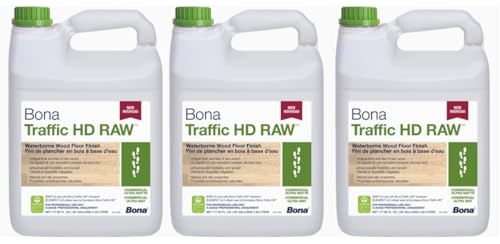
Waterborne polyurethane with aluminum oxide is often the best all-around floor finish for high-traffic hardwood; for easier repair, many people prefer penetrating oil, and for maximum wear, some choose catalyzed conversion varnish. Pick the wrong finish and you trade fast wear, visible scratches, moisture damage, or costly full refinishing for years. This guide ranks the main finish types by the failure mode each handles best, so you can match the coating to your floor and traffic.
Quick comparison
| Product | Badge | Best for | Price | ||
|---|---|---|---|---|---|
 |
Bona Hardwood Floor Cleaner Refill – 128 fl oz – UnscentedBona | Pair with it | 128 fl oz unscented hardwood cleaner refill | $19.97
Price as of 10 Oct 2026
|
View |
 |
RUST-OLEUM 230031 Varathane Gallon Gloss Waterborne DiamondRust-Oleum | Our pick | 1 gallon waterborne diamond floor finish | $86.94
Price as of 10 Oct 2026
|
View |
 |
Minwax Water Based Oil-Modified Polyurethane, Warm Gloss,Minwax | Also great | 1 gallon oil-modified polyurethane, warm gloss | $50.00
Price as of 10 Oct 2026
|
View |
 |
1 gal Minwax 13333 Clear Polycrylic Water-Based ProtectiveMinwax | Budget pick | 1 gallon polycrylic satin water-based finish | $69.68
Price as of 10 Oct 2026
|
View |
This comparison focuses on how finishes fail in real homes, not on generic “durability.” Abrasion resistance, scratch visibility, repairability, cure time, and upkeep do not always move together.
A finish that survives wear may still look scuffed fast, and a repair-friendly finish may need more frequent maintenance. That tradeoff is the point of the matrix below.
How we chose
The ranking considers five practical factors for busy hardwood: abrasion resistance, visible scratching, repairability, cure time, and maintenance burden. Those are different failure modes, so one finish does not win every category.
Substrate condition also matters. Solid hardwood, engineered hardwood, a previously coated floor, and the species hardness all affect what can be refinished, screened, recoated, or repaired.
Traffic pattern matters too. An entryway that sees grit and wet shoes is a different problem from a bedroom hallway or a kitchen where spills happen daily.
Decision matrix
| Finish type | Abrasion resistance | Scratch visibility | Repairability | Cure time | Maintenance burden | Best room fit |
|---|---|---|---|---|---|---|
| Water-based polyurethane | 4/5 | 4/5 | 3/5 | 5/5 | 3/5 | Most busy rooms, especially where downtime is limited |
| Oil-based polyurethane | 4/5 | 3/5 | 3/5 | 2/5 | 3/5 | Rooms where warmer amber tone and longer cure are acceptable |
| Moisture-cure polyurethane | 5/5 | 4/5 | 2/5 | 5/5 | 3/5 | Commercial-style traffic, entrys, and other severe wear zones |
| Hardwax oil | 2/5 | 3/5 | 5/5 | 3/5 | 2/5 | Low-to-moderate traffic, owners who want easy spot repair |
| Aluminum oxide prefinished | 5/5 | 4/5 | 1/5 | 5/5 | 4/5 | Whole-home durability, especially new installs |
| Catalyzed conversion varnish | 4/5 | 4/5 | 2/5 | 3/5 | 3/5 | Premium site-finished floors with pro installation |
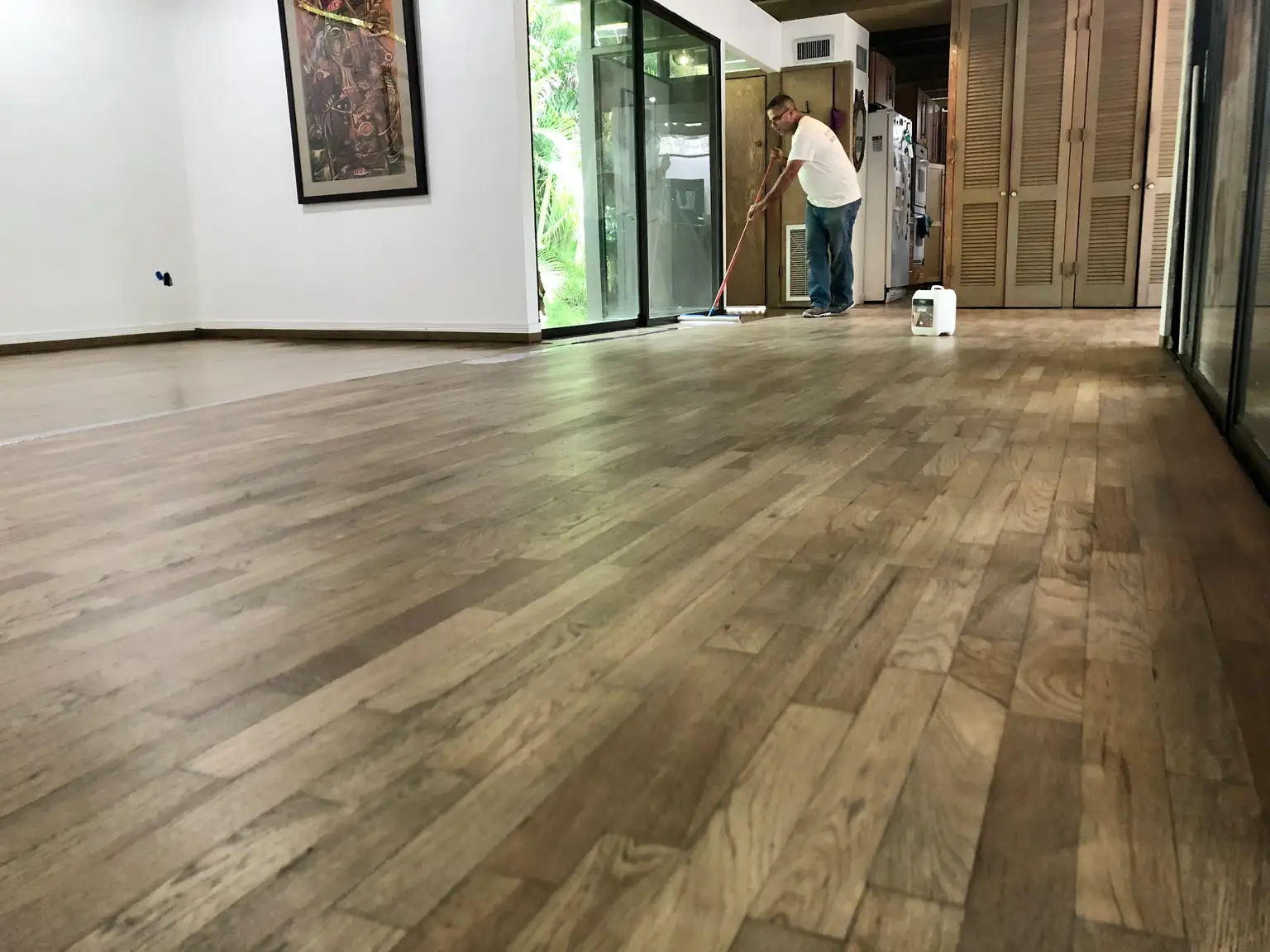
Which floor finish is best for high-traffic hardwood?
Water-based polyurethane is the best default for most busy hardwood floors because it balances wear resistance, low odor, fast dry time, and easier recoating than harder-to-service systems. It is the best all-around choice when you want solid durability without the longest shutdown or the most complicated future maintenance.
Top pick: water-based polyurethane
Water-based polyurethane keeps wood closer to its natural color, with low ambering and lower odor/VOC than traditional oil-based polyurethane. Most systems use multiple coats, and many manufacturers list a typical recoating window of a few hours to overnight, with light foot traffic often possible sooner than oil-based products.
The drawback is that water-based systems can show some scratches more clearly than a warmer, slightly yellowed oil finish, especially in strong light. They also depend on good prep and enough coat build, because a thin or uneven film will not hold up as well as the spec sheet suggests.
What makes it the best all-around option
It is the most practical balance for entryways, halls, kitchens, and family rooms because you get decent abrasion resistance without the long cure times that make oil-based products harder to live with. For many homes, that matters more than chasing the highest possible hardness number.
If you need the floor back in service quickly, this is the finish most likely to fit the schedule without giving up too much durability.
How we chose
Abrasion resistance means how well the film resists wear from grit, shoes, and repeated traffic. It is not the same as scratch visibility.
Scratch visibility is how obvious marks look after they happen. A finish can be hard and still look scuffed if the sheen is high or the film shows white scratch contrast.
Repairability covers spot fixes, screen-and-recoat compatibility, and whether a floor can be renewed without full sanding. Cure time covers dry-to-touch, light foot traffic, recoating timing, and furniture return timing.
Maintenance burden includes cleaning frequency, whether the finish wants periodic recoats, and how much care it needs to keep its appearance.
Water-based polyurethane: best for most busy rooms
Water-based polyurethane is for homeowners who want a clear or low-ambering finish, lower odor, and faster return-to-service than oil-based systems. It is a strong fit for hallways, dining rooms, and living areas where the floor needs to look clean and bright.
What stands out is its fast dry time and the fact that many systems are designed for multiple thin coats with a practical recoating window that is usually much shorter than oil-based polyurethane. That makes scheduling easier.
The honest drawback is that it is not the most forgiving option if you want the warm color shift of oil, and it can show surface scuffs more than a deeper amber finish under some lighting.
Why it ranks first for most homes
For high-traffic hardwood, the main win is balance. You get good abrasion resistance, enough scratch tolerance for normal family use, and a faster cure path that reduces disruption.
Most homeowners do not need a floor finish that behaves like a commercial coating. They need one that is durable, repairable enough, and practical enough to live with.
Oil-based polyurethane: best for a warmer look
Oil-based polyurethane suits homeowners who want a traditional amber tone and are willing to accept longer cure time and stronger odor/VOC profile. It remains a common choice for hardwood because it delivers solid durability and a familiar appearance.
Its main appeal is that amber color shift. On many species, that deeper tone makes the floor read warmer and can make everyday dust and some scuffs less obvious than on a very clear finish.
The drawback is downtime. Oil-based polyurethane dries more slowly, and furniture return often needs a longer wait than water-based systems. That matters in occupied homes and on a tight remodel schedule.
When oil-based polyurethane makes sense
Choose it when appearance matters more than speed and when you can tolerate longer cure time before rugs and furniture go back. It is a sensible traditional choice for solid hardwood in bedrooms, dining rooms, and other spaces where traffic is steady but not punishing.
Moisture-cure polyurethane: best for maximum wear resistance
Moisture-cure polyurethane is the toughest option on the list for abrasion resistance, and it cures fast enough for commercial schedules. That is why it is often used in demanding settings where traffic is heavy and downtime is costly.
The drawback is just as important: the odor is strong, the application limits are tighter, and not every floor or jobsite is a good candidate. It is not the most forgiving homeowner product, and it is usually better handled by a pro who knows the compatibility limits.
When commercial toughness is worth it
This finish makes sense where grit, rolling loads, or very heavy daily traffic are the main problem. If a home has an entry that behaves like a small lobby, moisture-cure can be a practical choice.
Still, more abrasion resistance does not mean easier living. If repairability or low odor matters more than maximum wear, another finish may fit better.
Hardwax oil and aluminum oxide: best for repairability or factory durability
Hardwax oil is for owners who value spot repair and a natural look more than maximum film-build durability. It leaves a lower build on the wood, which can make scratches less glaring in some conditions and repairs simpler where the system is compatible.
The drawback is maintenance. It usually needs ongoing attention, and it is a better fit for low-to-moderate traffic than for a truly busy hallway or mudroom.
Aluminum oxide prefinished flooring is the factory-durable option. It is common in prefinished flooring because the wear layer is extremely tough, often paired with UV-cured coatings, and it resists everyday abrasion very well.
The drawback is repair. It is hard to site-repair cleanly, and in many cases a damaged board or a whole section is the realistic fix. That changes the buying decision before you choose the floor, not after.
How the repair tradeoff affects buying decisions
If you expect pets, kids, chair scuffs, and future damage but want easy spot treatment, hardwax oil may be attractive in the right traffic zone. If you want the strongest factory wear layer and can accept harder repairs later, aluminum oxide is the stronger durability play.
That is the key distinction: repairability and wear resistance are not the same thing.
Catalyzed conversion varnish is a professional-grade option with strong chemical resistance and a hard finish. It fits premium site-finished floors where the installer and product system are matched carefully and the owner wants performance beyond basic polyurethane.
The drawback is the specialized application. It is not the casual DIY path, and it is less forgiving if substrate prep, humidity, or coat timing is off.
Where it fits relative to polyurethane
Compared with water-based or oil-based polyurethane, conversion varnish is a pro-level answer for clients who want a hard film and are comfortable with a more controlled installation. For many homes, polyurethane is simpler and easier to maintain over time.
Which one should you buy?
Choose by traffic pattern first. For entryways, hallways, kitchens, and pet routes, water-based polyurethane is the best default unless you need maximum wear and can accept more complexity. For a warmer look and a slower schedule, oil-based polyurethane is the safer traditional choice.
Choose by repair strategy second. If your priority is future spot repair, hardwax oil wins. If your priority is factory durability and you are buying new flooring, aluminum oxide prefinished boards deserve a close look.
Choose by substrate condition third. Solid hardwood gives you the most refinishing flexibility. Engineered hardwood may limit sanding depth, so a durable finish and careful recoating plan matter more. Unknown legacy finishes are the biggest risk; if the old coating is not identified and properly prepped, adhesion can fail.
Say your 2.5-inch oak entryway gets sand and melted snow tracked in every week. A water-based polyurethane system with a satin or matte sheen will usually age more gracefully than a glossy finish, and it is easier to live with than a long-cure oil system.
Suppose you have a kitchen-dining run with a dog, rolling chairs, and frequent spills. A tougher polyurethane system or a factory-finished aluminum oxide floor makes more sense than a hardwax oil, because the traffic is constant and the finish must resist abrasion first.
Room-by-room guidance
Entryways and hallways: prioritize abrasion resistance and fast cleanup. Water-based polyurethane is the practical default, with moisture-cure as a pro-level option if traffic is extreme.
Kitchens: moisture exposure matters more here. Use a finish with strong film integrity and plan for quick cleanup of spills. Avoid assuming a repair-friendly finish is automatically the most durable.
Kids’ rooms: choose a finish that tolerates chair drag, toys, and repeated cleaning. Water-based polyurethane usually gives the best mix of speed, durability, and future serviceability.
Pet traffic: scratch visibility and cleanability matter as much as wear. Satin or matte sheens usually hide minor marks better than gloss, and a finish that can be recoated later is valuable.
Frequently asked questions
what is the best hardwood floor finish for high traffic areas
For most high-traffic homes, water-based polyurethane is the best balance of abrasion resistance, lower odor, faster dry time, and easier scheduling. If you need maximum wear and can accept professional application limits, moisture-cure polyurethane moves to the front. For new prefinished flooring, aluminum oxide is the factory-durable benchmark.
what is the most durable wood floor finish
For raw site-finished floors, moisture-cure polyurethane is among the most abrasion-resistant choices. For factory-finished flooring, aluminum oxide coatings are extremely durable in everyday wear. Durability alone is not enough, though; the best choice also has to match repair needs, cure time, and the floor’s existing substrate.
best finish for high traffic wood floors
Water-based polyurethane is the best overall choice for many high-traffic wood floors because it balances performance with practical downtime. If the floor sees severe wear, moisture-cure polyurethane is a stronger wear answer, but it is less forgiving. If the floor is new, prefinished aluminum oxide boards are hard to beat.
is matte or satin better for high traffic hardwood floors
Matte and satin usually hide dust, minor scratches, and daily wear better than gloss. Satin is the common middle ground, while matte tends to show the least visual traffic in many homes. Gloss reflects more light, so it often makes scratches and maintenance marks easier to see.
How often do high traffic hardwood floors need recoating
High-traffic floors usually need recoating based on wear, not a strict number of years. If the top layer has lost sheen, the wood is starting to show through, or cleaning no longer restores appearance, it is time to assess a screen-and-recoat or a deeper refinish.
Compatibility matters. A recoat over an unknown legacy finish can fail if the surface is not cleaned, dulled, and tested properly. Existing finish type should be identified before you add a new coat.
What finish is easiest to repair on hardwood floors
Hardwax oil is the easiest for spot repair, especially when the damage is local and the floor system was designed for that kind of maintenance. It does not build as much film as polyurethane, so localized touch-ups are usually less visible.
Polyurethane is more durable as a film but less flexible in repair. Aluminum oxide prefinished flooring is the least forgiving for site repair, which is why buying decisions matter so much up front.
Should I choose oil based or water based polyurethane for hardwood floors
Choose water-based polyurethane if you want lower odor, a clearer finish, and faster dry and recoating times. Choose oil-based polyurethane if you want the classic amber look and can accept longer cure time before rugs and furniture return. Both can work well when the prep is right.
For many busy households, water-based wins on convenience. For warmer visual tone and traditional appearance, oil-based remains a valid choice.
Which hardwood finish is best for pets and kids
Water-based polyurethane is usually the best compromise for pets and kids because it is durable, cleans well, and returns to service faster than many alternatives. Satin or matte sheen can help hide daily scuffs. If the floor sees severe abuse, factory aluminum oxide or pro-grade moisture-cure can be stronger options.
Sponsored / affiliate links. As an Amazon Associate I earn from qualifying purchases. I may earn additional commission from eligible campaigns.