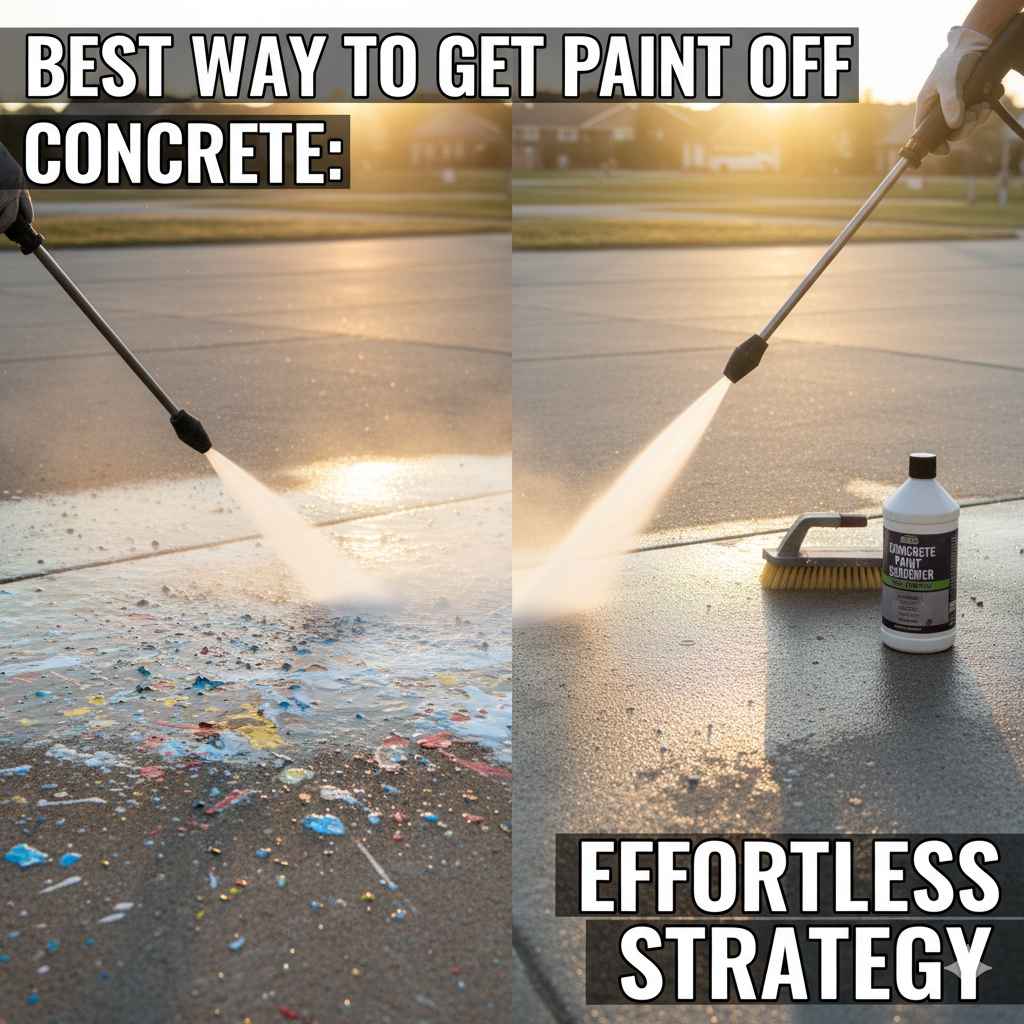
Best Way To Get Paint Off Concrete: Effortless Strategy
Getting paint off concrete has never been easier! The best strategy combines a simple, effective cleaner with a bit of elbow grease. Start with a quality concrete degreaser and degreaser, then use a stiff brush and good old-fashioned scrubbing. For tougher spots, a pressure washer can be your best friend. We’ll walk you through the safest and most efficient ways to make your concrete look like new again.
Ever look at your concrete patio, garage floor, or sidewalk and sigh at the sight of splotches and streaks of old paint? You’re not alone! This is a common frustration for many homeowners and DIYers. Whether it’s from a previous project, accidental drips, or just the passage of time, old paint on concrete can really make an otherwise nice surface look messy. But don’t worry, you don’t need heavy machinery or super-strength chemicals to tackle this. With the right approach, you can make that concrete look fresh and clean. We’ll break down the easiest and most effective methods, so you can get the job done confidently.
Why Paint Sticks to Concrete
Concrete is a porous material. Think of it like a sponge. This means it has tiny little holes and spaces within its surface. When paint is applied, especially oil-based or older types of paint, it seeps into these pores. This makes it cling on pretty tightly, which is why simply wiping or scraping rarely does the trick. The longer the paint has been there, the deeper it can penetrate, making removal a bit more challenging. Understanding this porosity is key to choosing the right removal method.
Safety First: What You Need to Know Before You Start
Before we dive into the cleaning, let’s talk safety. This is super important, just like in woodworking, safety always comes first! When you’re working with cleaning solutions, even the gentler ones, it’s a good idea to protect yourself. Here’s what I recommend:
- Eye Protection: Always wear safety glasses or goggles. Splashes can happen, and you want to keep paint and cleaning residue out of your eyes.
- Gloves: Use sturdy, chemical-resistant gloves, especially if you’re using stronger cleaning products. This protects your skin from irritation.
- Ventilation: If you’re working in an enclosed space like a garage, make sure it’s well-ventilated. Open doors and windows to let fresh air circulate.
- Clothing: Wear old clothes that you don’t mind getting dirty or stained.
- Read Labels: Always follow the instructions on any cleaning product you use.

Preparing Your Concrete Surface
Getting your concrete ready is a simple but crucial step. It helps ensure your paint removal efforts are as effective as possible. Think of it as clearing your workbench before starting a project – less clutter means better results!
- Clear the Area: Remove any furniture, planters, rugs, or other items from the concrete surface. You want a clear workspace.
- Sweep Thoroughly: Use a stiff broom or a leaf blower to remove all loose dirt, debris, leaves, and dust. You want to start with a clean canvas.
- Assess the Paint: Take a look at the type of paint. Is it a thin latex coat or a thick, old oil-based paint? This might influence your approach. Latex paint is generally easier to remove than old oil-based paints.
- Test a Small Area: If you’re using a new cleaning solution, test it on an inconspicuous spot first. This helps you see how it reacts with the concrete and the paint without causing widespread issues.
The Effortless Strategy: Step-by-Step
Now for the exciting part – getting that paint off! We’ll cover a few methods, starting with what’s usually the easiest and most effective for most situations. The goal here is to work smart, not just hard.
Method 1: Gentle Cleaning for Light Paint Splatters
This method is perfect for fresh spills or thin layers of paint that haven’t deeply penetrated the concrete.
What You’ll Need:
- Warm water
- Mild dish soap or a concrete cleaner
- Stiff-bristled brush (a scrub brush or even an old toothbrush for small spots)
- Clean rags or paper towels
- Bucket
Steps:
- Mix Your Solution: Fill a bucket with warm water and add a few drops of mild dish soap. Alternatively, use a cleaner specifically made for concrete, following the product’s dilution instructions.
- Apply the Cleaner: Pour or spray the cleaning solution directly onto the painted areas. Let it sit for about 5-10 minutes to start breaking down the paint. Don’t let it dry out completely.
- Scrub Gently: Use your stiff-bristled brush to scrub the painted spots. Work in a circular motion. For very small spots, a toothbrush works wonders.
- Wipe Away: Use a clean, damp rag to wipe away the loosened paint and suds.
- Rinse: If needed, rinse the area with clean water and dry with a clean cloth. Repeat if necessary for stubborn spots.
Method 2: Using a Paint Stripper for Tougher Jobs
When gentle cleaning doesn’t cut it, a paint stripper is your next best friend. There are many types available, including eco-friendly options. Always choose one suitable for concrete. Some are gel-based, which helps them cling to vertical surfaces or stubborn spots.
What You’ll Need:
- Paint stripper (gel or liquid, choose one for concrete)
- Stiff-bristled brush (nylon or metal, depending on the stripper’s strength)
- Scraper or putty knife
- Gloves (chemical-resistant)
- Safety glasses
- Old cloths or rags
- Water for rinsing
- Neutralizer (often recommended by the stripper manufacturer)
Recommended Paint Strippers:
Look for products designed for masonry or concrete. Brands like Citri-Strip (often a gentler, citrus-based option) or stronger options if needed. Always check the product’s compatibility with concrete:
- Citri-Strip Paint Remover: A popular, relatively low-VOC option that is biodegradable. It works on latex, oil-based paints, and varnishes.
- Eco-Strip Paint Remover: Another environmentally friendly choice that’s effective and less harsh than traditional strippers.
- Krud Kutter Paint Stripper: Known for its effectiveness on various surfaces.
Steps:
- Read Instructions: Carefully read and follow the manufacturer’s instructions for your chosen paint stripper. This is critical for safety and effectiveness.
- Apply the Stripper: Using a brush or roller, apply a thick, even coat of the paint stripper to the painted area. Do not brush it out thinly; a good, thick layer is key.
- Let It Work: Allow the stripper to dwell for the time recommended on the product label. You’ll often see the paint start to bubble, soften, or lift. This can take anywhere from 15 minutes to several hours, depending on the product and the paint.
- Scrape and Lift: Once the paint is softened, use a scraper or putty knife to gently scrape away the artık paint. Work in the direction of the paint’s softened layer.
- Scrub Stubborn Spots: For any remaining paint or residue, use a stiff-bristled brush to scrub the area.
- Clean and Neutralize: This is a vital step. Most paint strippers leave a residue that needs to be removed. Thoroughly rinse the area with water. Many strippers require a neutralizing solution (often water with a bit of vinegar or a specific neutralizer from the manufacturer) to stop the stripping process and prevent damage to the concrete. Follow the product’s instructions for cleaning and neutralizing.
- Rinse Again: Rinse the area thoroughly with plain water to remove any remaining stripper or neutralizer.
- Dry: Allow the concrete to dry completely.
Method 3: Using a Pressure Washer for Large Areas
A pressure washer can be a very effective tool, especially for larger areas or when combined with a cleaning solution or stripper. However, it’s important to use the right setting to avoid damaging the concrete surface.
What You’ll Need:
- Pressure washer (electric or gas)
- Appropriate nozzle (start with a wider fan nozzle, like 25 or 40 degrees)
- Safety glasses
- Gloves
- Optional: Concrete cleaner or biodegradable degreaser
Steps:
- Prepare the Area: Make sure the area is swept clean of all loose debris.
- Choose the Right Nozzle: Start with a wider fan nozzle (e.g., 25 or 40 degrees). Avoid using a zero-degree (pencil) tip, as this can easily etch or damage concrete.
- Test a Small Area: Hold the pressure washer wand at least 1-2 feet away from the concrete surface. Test a small, inconspicuous area to find the right distance and pressure that removes the paint without damaging the concrete.
- Apply Cleaning Solution (Optional): If you’re pre-treating with a cleaner or degreaser, apply it now and let it dwell according to the product’s instructions.
- Pressure Wash: Move the wand in steady, overlapping strokes. Keep the wand moving to avoid creating lines or etching. Work from the top down.
- Rinse: Once the paint is removed, rinse the entire area thoroughly with clean water.
Important Note on Pressure Washers: If your concrete is old or has existing cracks, use the lowest effective pressure setting. For very old or delicate concrete, a pressure washer might not be the best choice, and you might stick to brushing methods.
Other Potential Methods for Specific Situations
While the above methods cover most scenarios, here are a few other options:
- Muriatic Acid (Highly Cautious Use): This is a very strong acid and should only be used as a last resort by experienced individuals. It can etch concrete and poses significant safety risks. Always follow EPA guidelines for acid use and wear extensive protective gear. It’s generally recommended to avoid this for DIY paint removal.
- Soda Blasting: This is a gentler abrasive method that uses baking soda. It’s environmentally friendly but may require specialized equipment.
- Heat Gun: For very small, specific spots of thick paint, a heat gun can sometimes soften the paint enough to be scraped off. Be cautious of fumes and fire hazards.
Choosing the Right Method for Your Paint Problem
Deciding which method is best depends on a few factors. Here’s a quick guide:
| Paint Situation | Recommended Method | Considerations |
|---|---|---|
| Fresh, light splatters (latex) | Gentle Cleaning (Method 1) | Easiest and fastest. |
| Older, dried latex paint | Gentle Cleaning with increased scrubbing, or if stubborn, Paint Stripper (Method 2) | May require more effort. |
| Thick, multiple layers of paint (latex or oil-based) | Paint Stripper (Method 2) | Most effective for heavy build-up; may require multiple applications. |
| Large areas with moderate paint coverage | Pressure Washer (Method 3), possibly after pre-treatment with a cleaner or stripper. | Faster for large areas; be careful not to damage concrete. |
| Very old, deeply penetrated paint | Paint Stripper (Method 2) often in combination with scraping and scrubbing. | Might be the most time-consuming. |
Tips for Achieving the Best Results
To make your paint removal project go smoothly and get that professional-looking finish, keep these tips in mind:
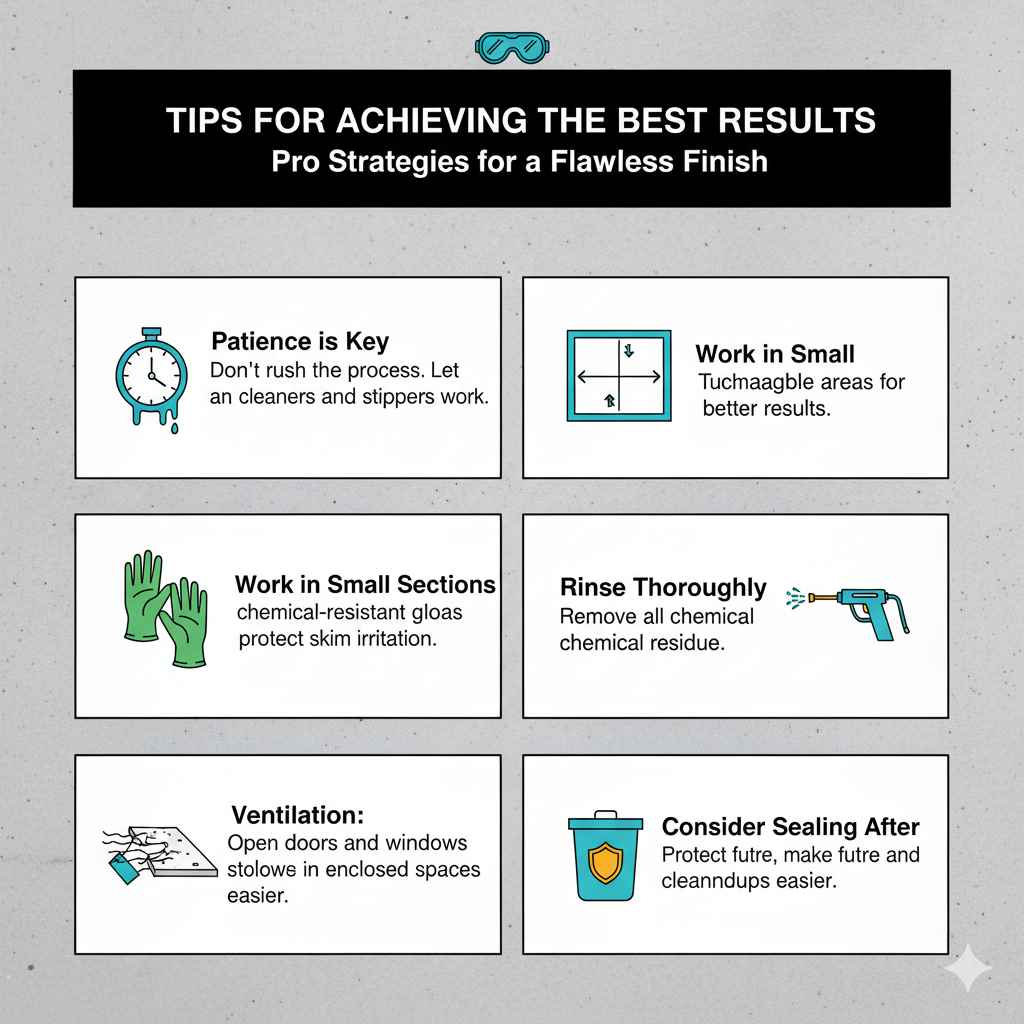
- Patience is Key: Especially with older paint or tougher products, don’t rush the process. Let the cleaners and strippers do their work.
- Work in Small Sections: It’s easier to manage and get good results if you tackle the project in manageable sections rather than trying to do it all at once.
- Rinse Thoroughly: Make sure to rinse away all cleaning solutions, strippers, and residue. Leftover chemicals can affect future paints or treatments you might apply.
- Consider Sealing After: Once your concrete is clean and dry, you might want to consider applying a concrete sealer to protect it and make future cleanups easier. This is especially useful for driveways, patios, and garage floors. Learn more about concrete sealing importance from industry experts.
- Dispose of Waste Properly: Check your local regulations for how to dispose of paint chips, old paint, and waste from cleaning chemicals.
Can I Just Use a Wire Brush on a Grinder?
While a wire brush on a grinder can remove paint, it’s generally not the best or safest method for beginners. It’s very aggressive and can easily gouge, scratch, or permanently damage the concrete surface. You’d need significant skill to use it without causing harm. For most DIYers, softer methods are much safer and yield better aesthetic results. A stiff bristle brush with a good cleaning agent is usually sufficient.
How Long Does It Take to Remove Paint from Concrete?
The time it takes varies greatly depending on the size of the area, the type of paint, how long it’s been there, and the method you use. A few small paint splatters might take 15-30 minutes. A larger area with thick, old paint could take several hours, or even spread over a couple of days if multiple applications of stripper are needed.
Is Pressure Washing Safe for All Concrete?
Pressure washing can be safe if done correctly. Always start with a low-pressure setting and a wide-angle nozzle. Avoid direct, high-pressure streams, especially on older, weaker, or cracked concrete. Test in an inconspicuous area first. If your concrete is already in poor condition, you might want to avoid pressure washing altogether or use it with extreme caution.
What Is the Safest Paint Remover for Concrete?
For most DIYers, gentle soap and water with vigorous scrubbing is the safest. If you need something stronger, look for biodegradable, citrus-based, or soy-based paint strippers. Always prioritize products that are specifically labeled as safe for concrete or masonry and follow all safety precautions outlined in the instructions. Never mix different cleaning chemicals.
Do I Need to Seal Concrete After Removing Paint?
It’s not strictly necessary, but highly recommended, especially for exterior concrete surfaces or high-traffic indoor areas like garages. Removing paint might reveal tiny pores or etch marks. Sealing helps protect the concrete from future stains, moisture penetration, and wear and tear, making it easier to clean and maintain its appearance. It also gives a nice finished look.