Best Way to Remove Chipping Paint: Expert Tips for Flawless Results
Are you tired of looking at chipped, peeling paint ruining the look of your walls or furniture? Removing chipping paint can feel like a tough, messy job.
But what if there was a simple, effective way to get it done right the first time? You’ll discover the best method to remove chipping paint quickly and safely. By following these easy steps, you’ll save time, avoid common mistakes, and bring fresh life back to your space.
Keep reading to learn how to transform your surfaces without stress or hassle.
Signs Of Chipping Paint
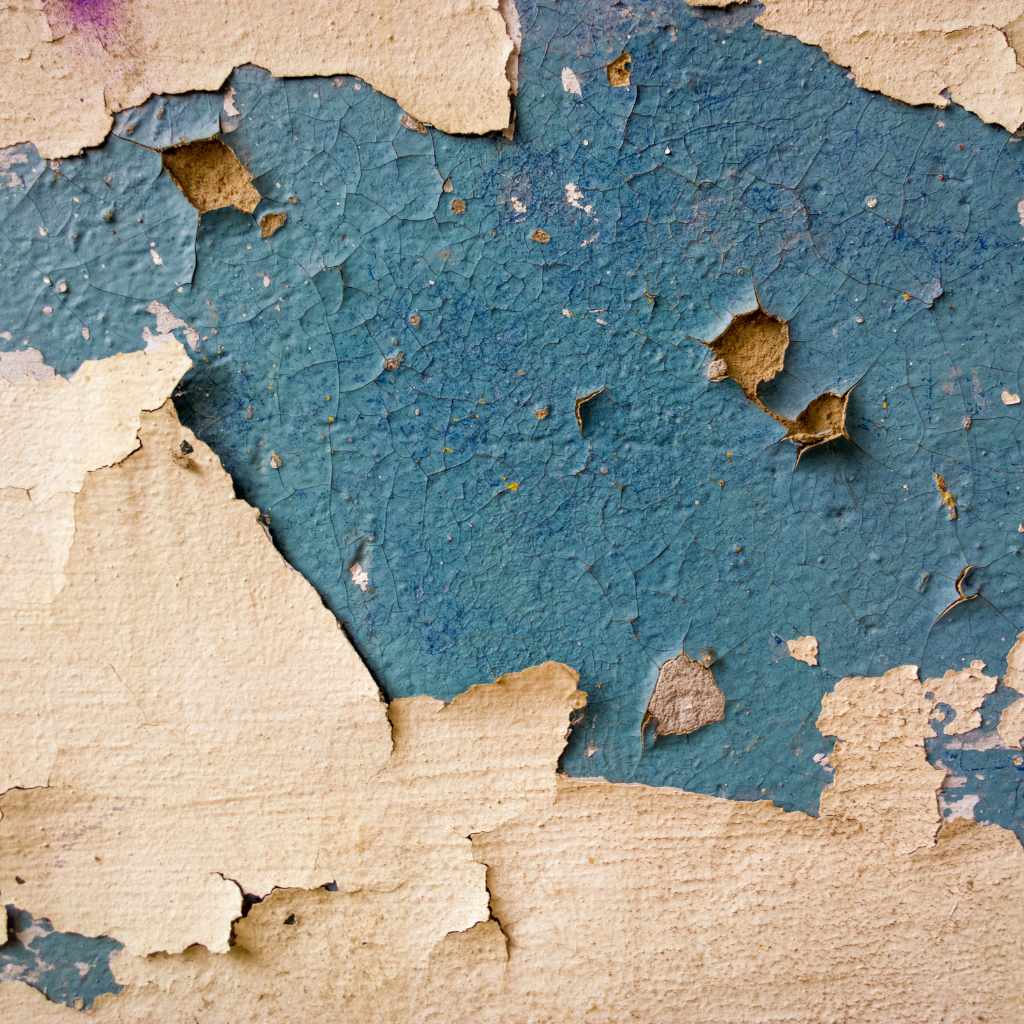
Chipping paint is more than just an eyesore. It can signal damage beneath the surface. Spotting the signs early helps prevent bigger problems. Watch for small flakes or cracks on painted surfaces. These are clear clues that paint is losing its grip. Paint chips often feel rough or uneven to touch. Colors may fade or peel away in patches. These changes show the paint is breaking down.
Common Causes
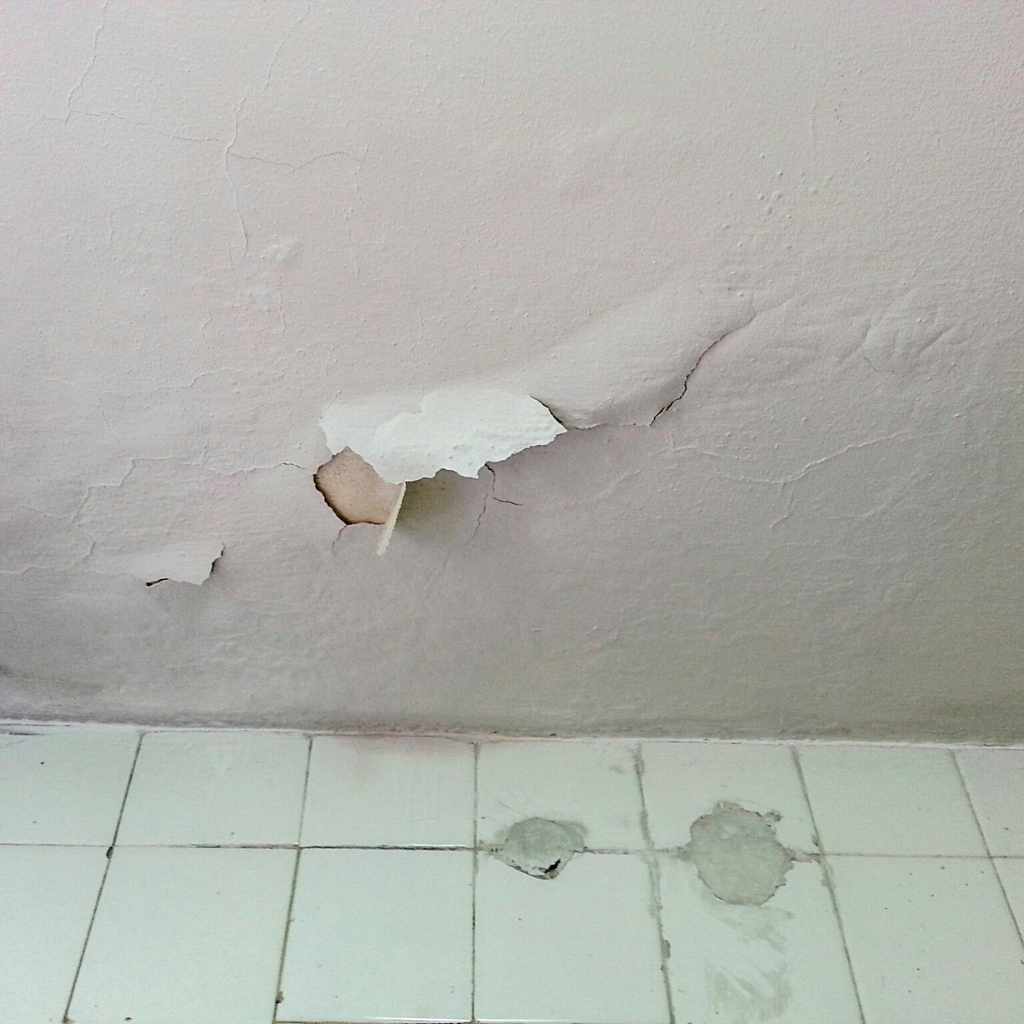
Moisture is a top cause of paint chipping. Water seeps under the paint, making it bubble and fall off. Poor surface cleaning before painting can cause chips. Dirt or grease stops paint from sticking well. Sun exposure fades paint and makes it brittle. Cold weather can cause paint to crack. Using low-quality paint may lead to faster chipping. Age also plays a role; old paint naturally peels.
Areas Most Affected
Exterior walls often show chipping paint first. Areas near windows and doors face more wear. These spots get moisture and temperature changes. Wood surfaces chip more than metal or plastic. Trim and baseboards inside homes can peel too. Bathrooms and kitchens see paint damage from steam and water. Look closely at places with heavy sun or rain exposure. These are the usual trouble zones for paint chipping.
Essential Tools And Materials
Removing chipping paint requires the right tools and materials. These help you work safely and get the best results. Using proper tools makes the job easier and faster. Prepare well before starting to avoid problems.
Safety Equipment
Protect yourself first. Wear safety goggles to shield your eyes from dust and paint chips. Use a dust mask or respirator to avoid breathing harmful dust and fumes. Gloves protect your hands from chemicals and sharp edges. Long sleeves and pants keep your skin safe. Always work in a well-ventilated area.
Scrapers And Sandpaper
Scrapers remove loose paint quickly. Choose a metal scraper for tough surfaces and a plastic one for delicate areas. Sandpaper smooths the surface after scraping. Use coarse grit to remove paint and fine grit to finish. Sanding helps new paint stick better and creates a clean surface.
Paint Strippers And Removers
Paint strippers dissolve old paint for easier removal. Pick a product safe for your surface and environment. Apply the stripper evenly with a brush. Wait as directed, then scrape off softened paint. Some removers work fast; others need more time. Always follow the instructions carefully to avoid damage.
Preparing The Surface
Preparing the surface is the first step to remove chipping paint effectively. A clean, well-protected area helps achieve smooth results. This step prevents dust and paint chips from spreading everywhere. It also protects parts of the wall or furniture that you want to keep safe. Taking time to prepare the surface makes the whole process easier and cleaner.
Cleaning Techniques
Start by removing dust and dirt using a soft brush or vacuum. Use a damp cloth to wipe the area gently. Avoid soaking the surface with too much water. Mild soap mixed with water works well for stubborn dirt. Let the surface dry completely before removing paint. A clean surface helps new paint stick better later.
Protecting Surrounding Areas
Cover floors and furniture with drop cloths or old sheets. Use painter’s tape to secure covers and protect edges. Remove or cover nearby items to avoid accidental damage. Tape plastic sheets on windows or door frames near the work area. Proper protection saves time on cleaning after the job finishes.
Effective Paint Removal Methods
Removing chipping paint requires the right method for a smooth finish. Choosing the best technique depends on the surface, paint type, and tools available. This section covers effective ways to remove old paint safely and efficiently.
Manual Scraping
Manual scraping uses a simple tool like a paint scraper or putty knife. It works well on small areas or loose paint. Apply firm pressure and scrape in one direction to avoid damaging the surface. This method is cost-effective and safe, but can take time for larger jobs.
Chemical Stripping
Chemical stripping softens paint with special solvents. Apply the stripper with a brush and wait for it to bubble. Then, scrape off the paint easily. This method works best on multiple paint layers and intricate surfaces. Always wear gloves and work in a ventilated area for safety.
Heat Gun Usage
A heat gun melts paint, making it easy to scrape away. Hold the gun a few inches from the surface and move it slowly. Watch for paint bubbles before scraping. This method is fast but requires caution to avoid burns or surface damage. Use protective gear and keep flammable materials away.
Sanding For Smooth Finish
Sanding is a key step to get a smooth finish after removing chipping paint. It helps remove any rough spots left behind. Sanding also prepares the surface for new paint, making it stick better and last longer.
Choosing the right sandpaper and using the correct technique makes a big difference. This section explains how to pick the right grit and offers useful sanding tips for the best results.
Choosing The Right Grit
Start with coarse grit sandpaper to remove large paint chips quickly. Use 60 to 80 grit for this step. After removing the loose paint, switch to medium grit like 120 to smooth the surface. Finish with fine grit, around 220, for a polished look. The right grit sequence prevents scratches and gives a clean finish.
Sanding Tips
Sand in the direction of the wood grain or surface texture. This avoids marks and keeps the surface even. Use gentle, even pressure to prevent gouges. Change sandpaper when it clogs or wears out. Clean dust often to see progress clearly. Wear a mask to avoid breathing dust. These small steps improve sanding quality and safety.
Repairing Damaged Surfaces
Repairing damaged surfaces is a key step after removing chipping paint. It helps create a smooth base for new paint. Fixing cracks and holes prevents paint from peeling again. Proper repair makes the surface look fresh and neat. This process also protects walls from moisture and further damage.
Filling Cracks And Holes
Start by cleaning the damaged area well. Use a putty knife to apply filler into cracks and holes. Press firmly to fill all gaps completely. Let the filler dry according to the instructions on the package. After drying, sand the surface smooth with fine sandpaper. This step ensures the surface is even and ready for painting.
Priming For Paint
Apply a good quality primer after filling and sanding. Primer helps paint stick better to the surface. It also blocks stains and prevents moisture damage. Use a brush or roller to cover the entire repaired area. Allow the primer to dry fully before applying new paint. Priming creates a strong base for long-lasting results.
Repainting For Lasting Results
Repainting is the best way to fix chipping paint and protect surfaces for a long time. It not only hides old damage but also stops new chips from forming. Proper repainting requires careful steps. Choosing the right paint and applying it well makes all the difference.
Selecting Quality Paint
Good paint lasts longer and looks better. Pick paint made for the surface type. Exterior paint suits outdoor walls, while interior paint fits indoor use. Look for paints with strong adhesion and resistance to weather. Higher quality paint covers better and needs fewer coats.
Applying Paint Correctly
Surface preparation is key. Clean and sand the area to remove loose flakes. Use primer to help paint stick well. Apply paint in thin, even layers. Let each coat dry fully before adding the next. Avoid painting in very hot or cold weather for best results.
Maintenance To Prevent Future Chipping
Maintaining painted surfaces is key to stopping paint from chipping again. Regular care keeps your walls and wood looking fresh and strong. Small steps today prevent big problems tomorrow. This section covers simple ways to protect your paint and avoid damage.
Regular Inspections
Check painted areas often for signs of damage. Look for cracks, bubbles, or peeling spots. Early detection helps fix problems before they grow. Use a soft brush or cloth to clean surfaces gently. Avoid harsh scrubbing that can harm the paint. Note areas that face harsh weather or moisture. These need extra attention to stay intact.
Protective Coatings
Apply a clear sealant or varnish over painted surfaces. These coatings add a strong layer against water and dirt. Choose products designed for your paint type and surface. Reapply coatings every few years for best protection. Protective layers reduce wear and slow down paint peeling. They also make cleaning easier and keep colors bright longer.
Frequently Asked Questions
What Is The Best Method To Remove Chipping Paint Safely?
The best method is to use a paint scraper or putty knife gently. Always wear protective gear like gloves and a mask to avoid inhaling dust. Sanding the surface afterward ensures smoothness and better paint adhesion.
How Do I Prevent Paint From Chipping After Removal?
To prevent chipping, clean the surface thoroughly and apply a quality primer. Use paint designed for the specific surface and climate. Allow proper drying time between coats and avoid extreme weather during application.
Can Chemical Paint Strippers Help Remove Chipping Paint?
Yes, chemical paint strippers dissolve old paint effectively. Use them in well-ventilated areas and follow the manufacturer’s instructions. They are ideal for stubborn paint layers but require careful handling to avoid skin irritation.
Is Sanding Necessary After Removing Chipping Paint?
Sanding is essential to smooth the surface after paint removal. It helps remove any remaining paint flakes and prepares the surface for new paint. Use fine-grit sandpaper for the best results and a smooth finish.
Conclusion
Removing chipping paint takes patience and the right tools. Start by scraping loose paint carefully. Sand the surface until smooth. Clean the area well before painting. Use quality primer and paint for best results. Regular checks help keep walls fresh and strong.
Small repairs now prevent bigger problems later. Your walls will look neat and last longer. Simple steps make a big difference in home care.