How to Dispose of Paint Thinner After Cleaning Brushes (Safely)
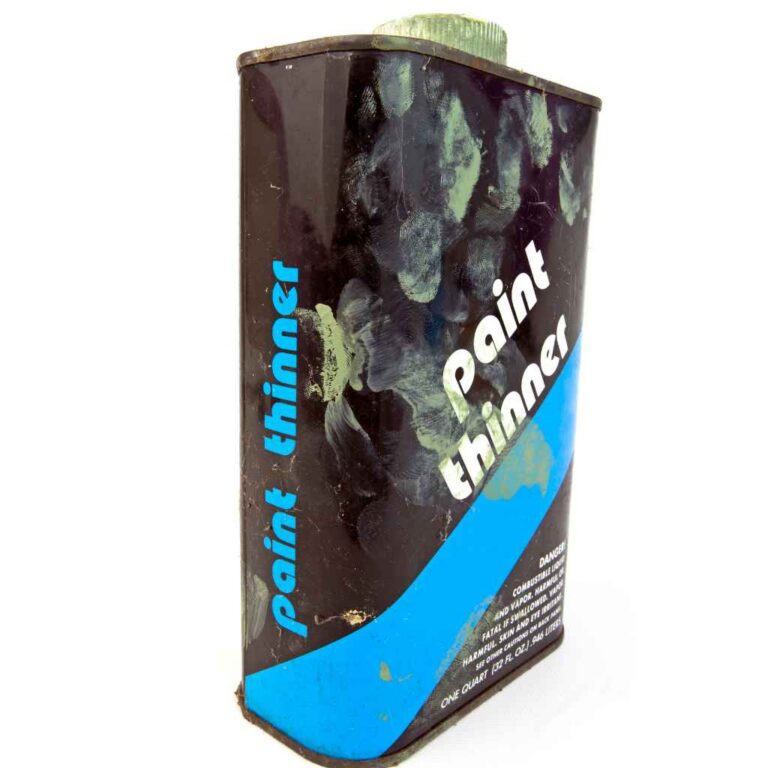
Never pour paint thinner down the drain, onto the ground, or into regular trash as a liquid. Paint thinner (mineral spirits) is a petroleum-based solvent classified as household hazardous waste – it’s flammable, toxic to aquatic life, and can pass straight through a septic system or municipal treatment plant into groundwater. The right approach depends on whether you’re going to reuse it, dry it out, or take it to a hazardous waste facility – and there’s a real fire-safety step for the rags that most guides get wrong.
Step 1: Let It Settle and Reuse What You Can
Best for Safely Storing Solvent-Soaked Rags
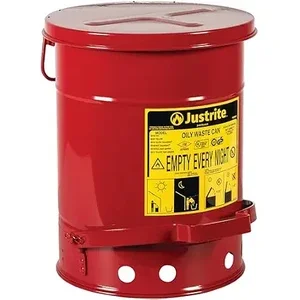 |
Justrite Oily Waste Can – $102.82 A self-closing metal safety can for solvent-soaked rags is what actually prevents the spontaneous-combustion risk a plastic bag can’t – built for exactly this job.
|
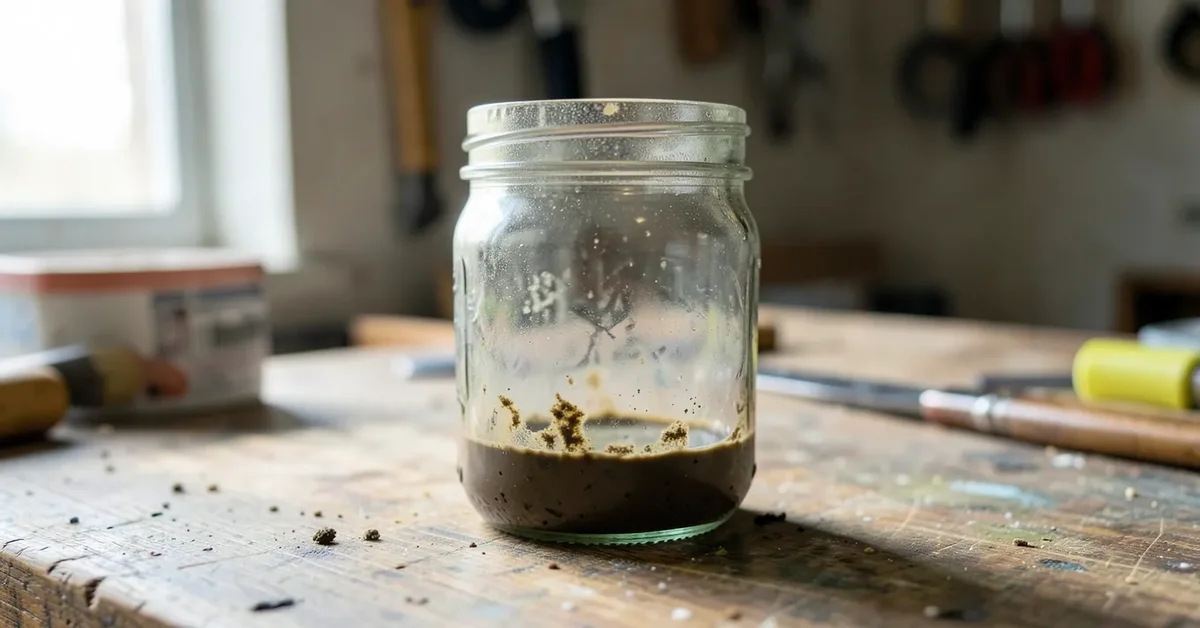
Used paint thinner from cleaning brushes isn’t necessarily spent – most of what’s suspended in it is just paint solids, not degraded solvent. Pour the dirty thinner into a clear glass jar with a tight lid, label it, and let it sit undisturbed for several days to a couple of weeks. The paint pigment and solids settle to the bottom, leaving mostly clear solvent on top. Carefully pour off that clear liquid into a labeled, sealed container for reuse the next time you clean brushes – it won’t be quite as strong as fresh thinner, but it’s perfectly usable for a first cleaning pass. This single step is what actually reduces how much you need to dispose of in the first place.
Step 2: Deal With the Leftover Sludge
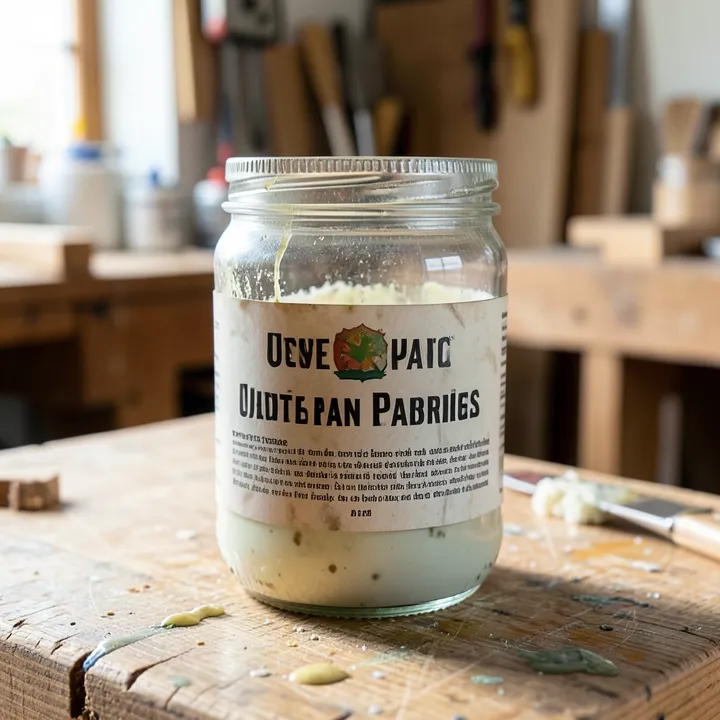
Once you’ve decanted the reusable thinner, what’s left in the bottom of the jar is a small amount of paint-laden sludge, not a full container of hazardous liquid. For a small residual amount, mix in an absorbent material – cat litter, sawdust, or sand – to soak it up and speed evaporation. Let it dry completely in a well-ventilated outdoor spot, away from any ignition source, with the container left open (not sealed – trapped solvent vapor in a sealed container is both a fire risk and can build pressure). Once it’s fully solid and no longer smells of solvent, many municipalities allow it in regular household trash – but this varies by location, so check your local rules before assuming it’s fine. If in doubt, or if you’re dealing with a larger quantity, skip straight to a hazardous waste facility instead of trying to dry it out yourself.
Note: intentionally evaporating solvent isn’t allowed everywhere – some states and air-quality districts restrict it because of VOC emissions. A quick check of your state or local environmental agency’s page is worth the two minutes it takes, especially before evaporating any meaningful quantity.
Step 3: The Rags Are the Part People Get Wrong
This is the detail that actually causes house and garage fires: a pile of rags soaked in oil-based paint thinner can spontaneously combust. As the solvent oxidizes, it generates heat, and if that heat is trapped in a bunched-up pile of rags, it can build up to ignition temperature with no spark or flame involved at all. Sealing damp rags in a plastic bag does not solve this – a plastic bag doesn’t vent the heat and is itself flammable once things get hot enough inside it. There are two safe options instead:
- Submerge them in water inside a sealed metal or glass container. Water excludes the oxygen the oxidation reaction needs, which stops the heat buildup. This is the standard method for larger quantities of solvent-soaked rags.
- Lay them out flat, fully separated, outdoors on a nonflammable surface away from siding, mulch, or anything else combustible, until they’re bone dry. A rag that’s fully dried out no longer poses the spontaneous-combustion risk and can then go in regular trash.
For a shop that generates oily or solvent-soaked rags regularly, a listed metal oily-waste can with a self-closing lid is worth having – it’s built specifically to contain this exact hazard until you can dispose of the contents properly.
Step 4: When It’s Time for a Hazardous Waste Facility
Any thinner you can’t reuse or fully dry out – and any larger quantity in general – belongs at a household hazardous waste (HHW) collection site, not in the trash. Most US counties and many cities run either a permanent HHW drop-off facility or periodic community collection events; search “household hazardous waste” plus your city or county name, or check Earth911.com, to find the nearest option. Keep the thinner in its original container (or another sealed, clearly labeled one) for transport, and never mix it with other chemicals in the same container – some combinations of paint-related solvents and other household chemicals can react.
What Never to Do
- Never pour it down a sink, toilet, or storm drain. It passes through septic systems largely unchanged and can kill the bacteria a septic system depends on; in a municipal system it can pass through to waterways and is also a fire/explosion hazard in sewer lines in enough quantity.
- Never pour it on the ground – it contaminates soil and can reach groundwater.
- Never throw a sealed container of liquid thinner in the trash – many collection routes and landfills explicitly prohibit hazardous liquids, and a punctured container in a trash truck is a real fire risk.
- Never store solvent-soaked rags in a heap, even temporarily “just for today” – this is where most oily-rag fires actually start.
Frequently Asked Questions
How do I safely dispose of paint thinner?
Let it settle so you can pour off and reuse the clear solvent, dry out any small residual sludge outdoors with an absorbent material, and take anything you can’t reuse or fully dry to a household hazardous waste collection facility. Never pour it down a drain or throw it out as a liquid in regular trash.
Can I reuse paint thinner after cleaning brushes?
Yes. Let the used thinner sit in a sealed, labeled jar for several days to a couple of weeks so the paint solids settle out, then carefully pour off the clear liquid on top into another labeled container. It’s fine to reuse for another round of brush cleaning, though it will be somewhat weaker than fresh thinner.
Is it safe to throw paint-thinner rags in a plastic trash bag?
Not while they’re still wet – this is a common but genuinely risky mistake. Oil-based solvent on rags generates heat as it oxidizes, and a sealed plastic bag traps that heat instead of venting it, which can lead to spontaneous combustion. Submerge wet rags in water in a sealed metal container, or lay them out flat outdoors to fully dry, before ever putting them in the trash.
Is paint thinner hazardous to health?
Yes. Its fumes can irritate the eyes, throat, and lungs, and prolonged or repeated exposure without ventilation can cause headaches, dizziness, or more serious effects. Use it only in a well-ventilated space, wear gloves to prevent skin absorption, and keep it away from any open flame or spark, since it’s also flammable.
Bottom Line
Settle and reuse what you can, dry out or take the rest to a hazardous waste facility, and never underestimate the fire risk of solvent-soaked rags left in a pile or sealed in plastic. Those three things cover the real safety and environmental concerns most guides skip past.
Sponsored / affiliate links. As an Amazon Associate I earn from qualifying purchases. I may earn additional commission from eligible campaigns.