Best Way to Remove Latex Paint from Wood: Easy & Effective Methods
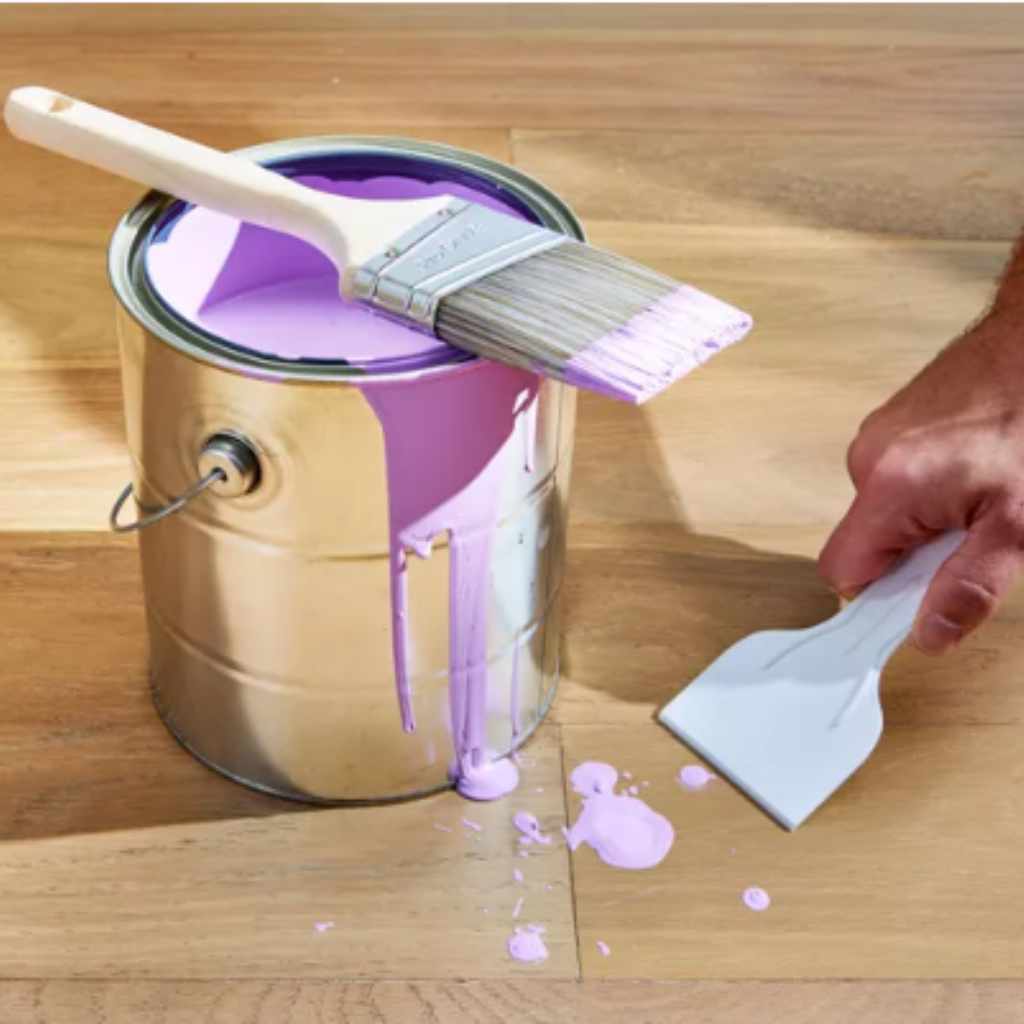
Removing latex paint from wood can feel like a tough, messy job. But what if you could make it easier, faster, and safer for your wood surfaces?
Whether you spilled some paint or want to restore your wooden furniture, knowing the best way to remove latex paint will save you time and frustration. You’ll discover simple, effective methods that protect your wood and give you great results.
Keep reading to find out how you can tackle this common problem with confidence and ease.
Tools And Materials Needed
Removing latex paint from wood needs specific tools and materials. Using the right items makes the job easier and protects the wood’s surface. Prepare these before starting to avoid delays and mistakes.
Gathering all tools and materials helps you work safely and efficiently. It also prevents damage to your wood furniture or floors. Below are the key items needed for the best results.
Protective Gear
Wear gloves to protect your hands from chemicals. Safety glasses keep your eyes safe from splashes. A mask prevents inhaling dust or fumes during scraping or sanding.
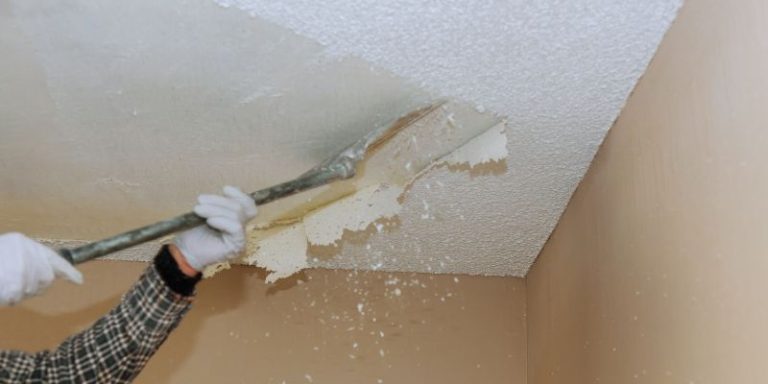
Paint Scraper Or Putty Knife
A paint scraper helps remove loose or peeling paint. Use a putty knife for delicate areas to avoid scratching the wood. Choose a tool with a comfortable handle for better control.
Paint Remover Or Stripper
Use a water-based or chemical paint remover designed for latex paint. It softens the paint, making scraping easier. Follow the product instructions carefully for safe use.
Sandpaper
Sandpaper smooths the wood after paint removal. Start with medium grit to remove residue. Finish with fine grit for a clean, smooth surface.
Cleaning Supplies
Use clean rags or cloths to wipe away paint remover and dust. A bucket of warm water helps rinse the wood. Mild soap can clean stubborn spots without harming the wood.
Safety Precautions
Removing latex paint from wood can be tricky and messy. Safety is very important during this process. Taking the right steps keeps you safe and protects your home. Follow these safety tips closely before starting.
Wear Protective Gear
Always wear gloves to protect your skin from chemicals. Use safety goggles to shield your eyes from splashes. A mask helps avoid breathing in paint dust or fumes. Dress in old clothes or a protective apron.
Ensure Proper Ventilation
Work in a well-ventilated area to avoid harmful fumes. Open windows and doors to create airflow. Use fans if needed to keep air moving. Avoid working in closed rooms without fresh air.
Test On A Small Area First
Try your paint removal method on a small wood spot. Watch for any damage or discoloration. Testing helps avoid ruining the entire surface. Adjust your technique if needed before full cleaning.
Handle Chemicals With Care
Read all instructions on paint removers carefully. Use only recommended amounts to avoid damage. Store chemicals out of children’s reach. Dispose of used materials safely according to local rules.
Assessing The Paint And Wood Condition
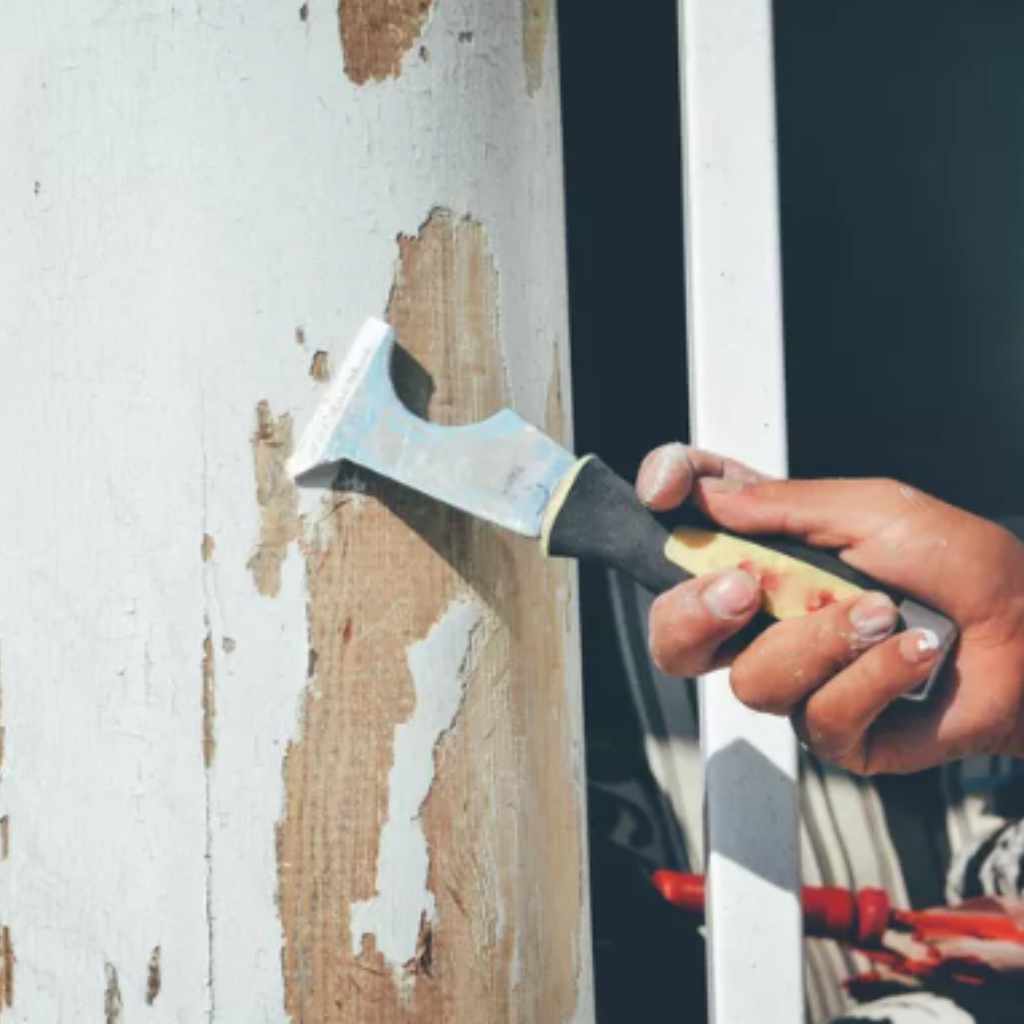
Before removing latex paint from wood, it is important to assess the paint and wood condition. This step helps choose the best removal method. Careful inspection avoids damage to the wood surface and ensures effective paint removal.
Assessing the paint condition shows how many layers exist. It also reveals if the paint is peeling or firmly stuck. These details guide the choice of tools and products for removal.
Checking the wood condition helps protect its texture and color. Wood that is old or fragile requires gentle methods. Strong chemicals or rough scraping can harm delicate wood.
Inspecting The Paint Layers
Look closely at the paint layers. Multiple thick layers are harder to remove. Thin or cracked layers may come off easily. This inspection helps plan the effort and time needed.
Checking For Paint Peeling Or Chipping
Notice if the paint is peeling or chipping. Peeling paint can be scraped gently. Firm paint needs softening before removal. This step prevents wood damage during paint removal.
Evaluating Wood Age And Condition
Observe the wood for signs of age or damage. Old wood may be dry or cracked. Soft wood needs gentle handling. This prevents further damage during the paint removal process.
Testing Small Paint Area
Test a small paint area first. This shows how the paint reacts to removal methods. It helps avoid surprises on the larger surface. Testing saves time and protects the wood.
Using Warm Soapy Water
Using warm soapy water is a gentle way to remove latex paint from wood. It works best for fresh or small paint spots. This method helps soften the paint, making it easier to wipe away without harming the wood surface.
Warm water opens up the paint layer. Soap helps break down the paint’s grip on the wood. Together, they make cleaning more effective and safe for your wood furniture or floors.
Prepare The Cleaning Solution
Mix warm water with a few drops of mild dish soap. Stir until bubbles form. Use enough water to fill a small bucket or bowl.
Test On A Hidden Area
Apply the soapy water on a small hidden wood spot. Wait a few minutes. Check if the wood’s finish stays intact and undamaged.
Apply And Scrub Gently
Dip a soft cloth or sponge in the solution. Wring out extra water. Rub the paint stain gently. Avoid harsh scrubbing to protect the wood.
Rinse And Dry
Wipe the area with a clean cloth dipped in plain water. Remove soap residue completely. Dry the wood with a soft towel to prevent water damage.
Applying Vinegar Solution
Applying a vinegar solution is a simple way to remove latex paint from wood. Vinegar is mild and safe for most wood surfaces. It helps soften the paint, making it easier to scrape off without damaging the wood.
This method uses common household ingredients. It avoids harsh chemicals and strong odors. Vinegar also helps clean the wood while removing paint.
Preparing The Vinegar Solution
Start by mixing equal parts of white vinegar and water in a bowl. Use warm water to help dissolve the paint better. Stir the solution gently to combine the liquids well.
Applying The Vinegar To Painted Wood
Dip a clean cloth or sponge into the vinegar solution. Dab it on the painted area. Let the liquid sit on the paint for 10 to 15 minutes. This softens the latex paint for easier removal.
Removing The Softened Paint
After soaking, use a plastic scraper or old credit card. Gently scrape off the loosened paint. Avoid using metal tools to protect the wood surface. Wipe away paint residue with a damp cloth.
Cleaning And Drying The Wood
Once the paint is removed, rinse the wood with clean water. Use a soft cloth to wipe the surface. Let the wood dry completely before any further treatment or painting.
Using Rubbing Alcohol
Using rubbing alcohol is a simple and effective way to remove latex paint from wood. It works by softening the paint, making it easier to wipe away. This method is gentle on wood surfaces and does not cause damage when used properly.
Rubbing alcohol is easy to find and affordable. It is a great choice for small paint stains or spots. The process requires only a few household items and does not need harsh chemicals.
Prepare The Wood Surface
Start by cleaning the wood with a soft cloth. Remove dust and dirt from the painted area. This helps the rubbing alcohol reach the paint better. Make sure the wood is dry before applying alcohol.
Apply Rubbing Alcohol
Pour a small amount of rubbing alcohol on a clean cloth. Dab the cloth gently onto the latex paint. Avoid soaking the wood with too much liquid. Let the alcohol sit on the paint for a few minutes to soften it.
Remove The Paint
Use the cloth to rub the paint gently. The latex paint will start to come off. For tough spots, apply more rubbing alcohol and rub again. Be patient and avoid scrubbing hard to protect the wood.
Clean And Dry The Wood
After removing the paint, wipe the area with a damp cloth. This removes any leftover alcohol and paint residue. Dry the wood thoroughly with a clean, dry cloth. This step prevents damage and prepares the surface for refinishing if needed.
Commercial Paint Removers
Commercial paint removers are strong products designed to strip latex paint from wood quickly. They work by breaking down paint layers, making removal easier. These removers come in liquid, gel, and paste forms.
Choosing the right remover helps protect your wood and speeds up paint removal. Some removers suit old, thick paint. Others work better on fresh, thin layers.
Choosing The Right Remover
Select a remover made for latex paint on wood surfaces. Look for products labeled “safe for wood” to avoid damage. Choose a gel or paste for vertical surfaces. Liquids are good for flat wood pieces.
Consider the smell and toxicity. Water-based removers are less harsh and safer indoors. Solvent-based removers remove paint faster but need good ventilation. Test a small wood spot first to check effects.
Application Tips
Wear gloves and work in a well-ventilated area. Apply remover evenly with a brush. Cover paint fully and let it sit as the instructions say. Usually, 15 to 30 minutes is enough.
Use a plastic scraper or putty knife to lift softened paint. Avoid metal tools to prevent wood scratches. Repeat if paint remains. Clean wood with warm soapy water after removal. Dry wood well before repainting or finishing.
Scraping And Sanding Techniques
Removing latex paint from wood often starts with scraping and sanding. These methods help strip away paint layers and prepare the wood for refinishing. Using the right tools and techniques protects the wood surface and saves time. This section covers easy-to-follow scraping and sanding tips for best results.
Hand Scraping Methods
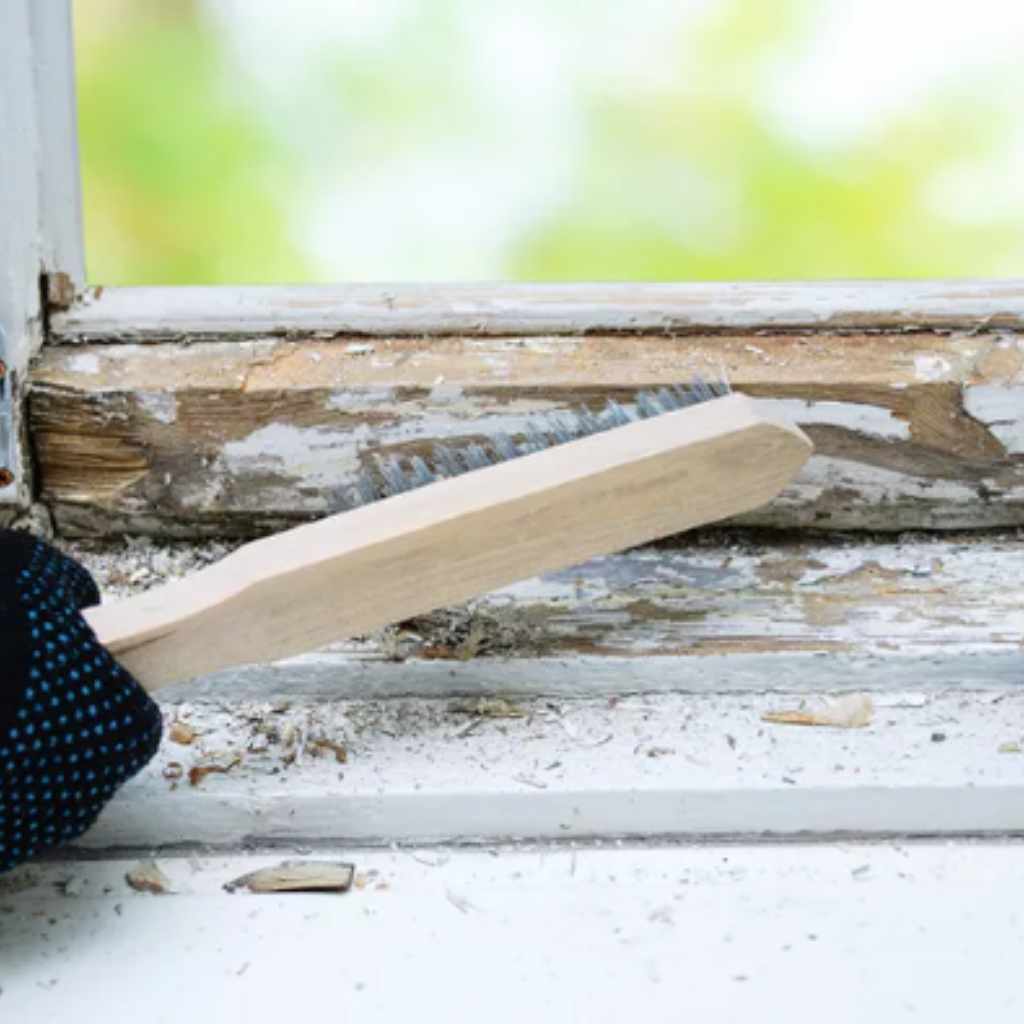
Hand scraping is a simple, low-cost way to remove paint from wood. Use a paint scraper or putty knife with a sharp edge. Hold the scraper at a slight angle to the wood surface. Push gently to lift the paint without gouging the wood. Work slowly to avoid damage.
For stubborn spots, try a razor blade scraper for more precision. Always scrape along the wood grain, not against it. Wear gloves to protect your hands from sharp edges. Clean the scraper often to keep it effective.
Power Sanding Advice
Power sanding speeds up paint removal on larger wood areas. Use an orbital or palm sander with medium-grit sandpaper first. Move the sander evenly to avoid uneven spots. Do not press too hard to protect the wood underneath.
After removing most paint, switch to fine-grit sandpaper for a smooth finish. Wear a dust mask to avoid breathing in paint dust. Clean the wood surface with a damp cloth after sanding. This method saves time and creates a clean base for repainting.
Dealing With Stubborn Paint Spots
Stubborn latex paint spots on wood can be tough to remove. These spots often resist simple cleaning methods. They may dry hard or get into wood pores. Removing them carefully protects the wood surface. Use gentle, effective ways to avoid damage. Patience and the right tools are key.
Use Warm Soapy Water And A Soft Cloth
Start by soaking a cloth in warm soapy water. Rub the paint spot gently. This softens the paint without harming the wood. Repeat several times if needed. Avoid scrubbing hard to keep wood safe.
Try Rubbing Alcohol For Stubborn Spots
Apply a small amount of rubbing alcohol on a cloth. Dab the paint spot carefully. The alcohol breaks down dried latex paint. Wipe the area with a clean cloth. Test on a hidden spot first to check wood reaction.
Light Sanding With Fine-grit Sandpaper
Use very fine sandpaper to rub the paint spot lightly. Sand in the wood grain direction only. This removes paint without scratching the surface. Clean dust away with a soft brush. Do not sand too hard to avoid damage.
Cleaning And Restoring Wood After Paint Removal
After removing latex paint from wood, cleaning and restoring the surface is essential. This step helps bring back the wood’s natural beauty and protects it from damage. Proper cleaning removes leftover paint residue and dirt. Restoring repairs any harm caused by the paint removal process. Follow these simple methods to refresh your wood.
Cleaning The Wood Surface
Start by wiping the wood with a damp cloth to remove dust. Use mild soap mixed with water for stubborn paint spots. Avoid soaking the wood to prevent swelling. Gently scrub with a soft brush if needed. Rinse with clean water and dry with a soft towel. This cleans the wood without harming it.
Sanding For Smoothness
Sanding removes rough patches and leftover paint flakes. Use fine-grit sandpaper for a smooth finish. Sand in the direction of the wood grain. Avoid pressing too hard to prevent scratches. Wipe off sanding dust with a dry cloth. Sanding prepares the wood for sealing or staining.
Applying Wood Conditioner
Wood conditioner helps even out the surface before staining or sealing. Apply it with a clean brush or cloth. Let it soak into the wood for the best results. This step prevents blotchy stains and improves finish quality. Follow the product instructions for drying time.
Sealing Or Staining The Wood
Seal or stain the wood to protect it and enhance its look. Use a brush or cloth to apply evenly. Choose a finish that suits the wood type and location. Allow each coat to dry completely before adding another. Proper sealing extends the wood’s life and beauty.
Frequently Asked Questions
How Do I Remove Latex Paint From Wood Safely?
Use mild soap and warm water first. If paint is stubborn, apply a gentle paint remover designed for wood. Always test in a small area. Avoid harsh chemicals that damage wood surfaces. Sand lightly after removal for a smooth finish.
What Household Items Remove Latex Paint From Wood?
Rubbing alcohol, vinegar, or baking soda can help remove fresh latex paint. Apply with a soft cloth and gently scrub. These natural options are safer for wood and less toxic than chemical removers. Always rinse and dry the wood after treatment.
Can I Use Heat To Remove Latex Paint From Wood?
Yes, a heat gun softens latex paint for easier scraping. Keep the heat low to avoid wood damage. Work in small sections and use a plastic scraper. Always wear protective gear and ventilate the area well.
How Long Does Latex Paint Take To Dry On Wood?
Latex paint typically dries to touch within 1 hour on wood. Full curing may take up to 30 days depending on conditions. Avoid removing or sanding paint too soon to prevent damage. Proper drying ensures easier and cleaner removal.
Conclusion
Removing latex paint from wood can be simple with the right steps. Start by softening the paint using warm water and soap. Gently scrape the paint without damaging the wood surface. Use a mild paint remover if needed. Always test products on a small spot first.
Patience helps avoid scratches and stains. Clean the area well after removal. This keeps your wood looking natural and smooth. Follow these easy tips for a neat and safe paint removal process. Your wood will look fresh and ready for new finishes soon.