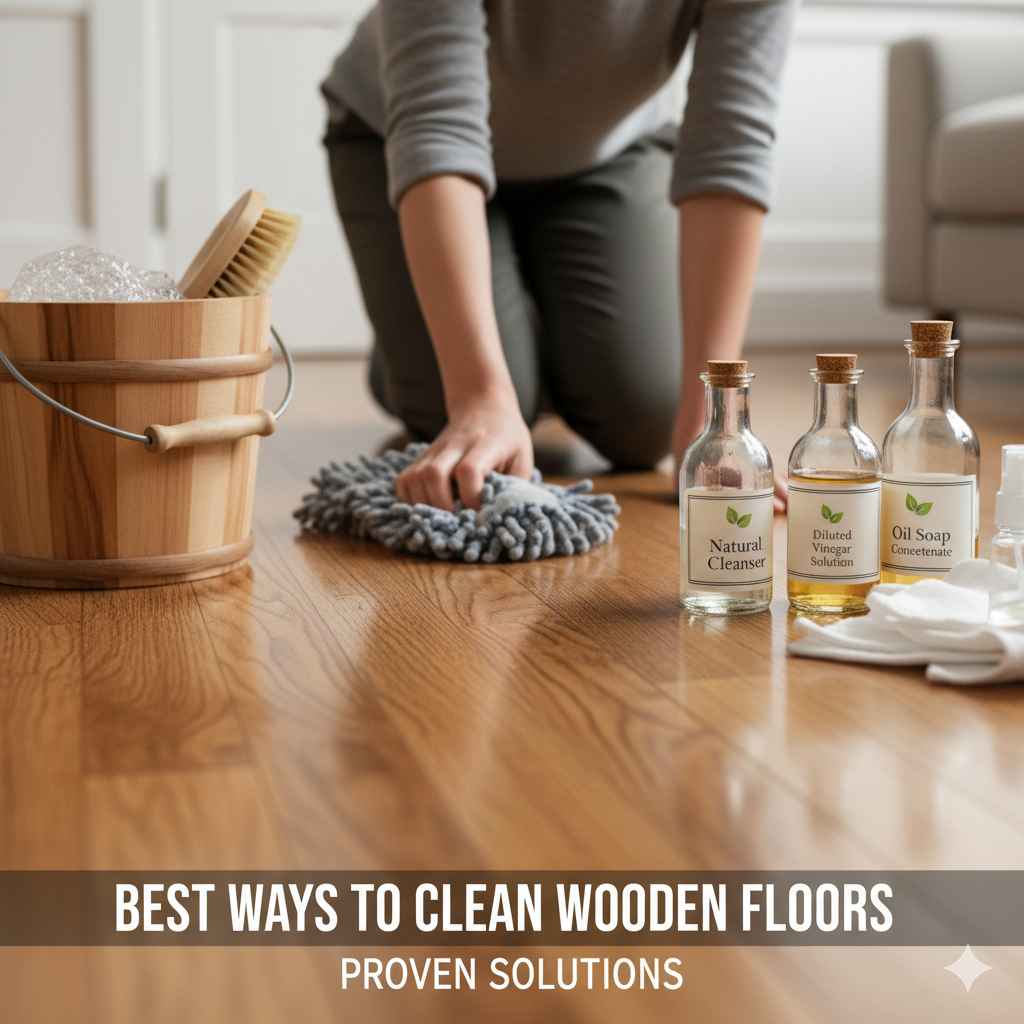
Best Ways to Clean Wooden Floors: Proven Solutions
The best ways to clean wooden floors involve daily dusting with a soft broom or microfiber mop, followed by occasional damp mopping with a pH-neutral cleaner specifically designed for wood. Always avoid excessive water and harsh chemicals to protect your beautiful floors.
Wooden floors add so much warmth and beauty to a home, don’t they? But keeping them looking their best can sometimes feel like a challenge. You want that pristine shine without damaging the wood. Many beginners worry about using the wrong cleaning methods, which can lead to dullness or even permanent harm. Don’t fret! With a few simple, tried-and-true techniques, you can easily maintain gorgeous, clean wooden floors. Let’s explore the best ways to tackle this together.
In this guide, we’ll break down easy steps and share expert tips to make keeping your wooden floors sparkling a breeze. You’ll learn what to do daily, weekly, and for those occasional deeper cleans. Ready to make your floors shine with confidence?
Daily Care for Sparkling Floors
The secret to low-effort, high-impact floor cleaning starts with consistent daily attention. Think of it like tending a garden – a little bit regularly makes a big difference! This prevents dirt and grit from settling in and scratching the finish.
Dusting and Sweeping
This is your first line of defense. Fine dust and tiny particles can act like sandpaper underfoot, dulling your floor’s luster over time. A quick sweep or dust mop can prevent this.
- Microfiber Dust Mop: These are fantastic! The fine fibers trap dust and hair effectively without scattering them around. They glide easily and are often washable, making them eco-friendly too. Look for one with a long handle to reach under furniture.
- Soft Bristle Broom: If you prefer a broom, choose one with soft, natural bristles. Avoid stiff, abrasive brushes that can scratch the wood. Sweep in the direction of the wood grain for best results.
- Vacuum Cleaner (with caution): Many modern vacuum cleaners have specialized settings for hard floors. Crucially, ensure your vacuum has a soft brush roll attachment and that you engage the “hard floor” setting to prevent scratching. Always turn off the beater bar/brush roll if possible. A good resource for understanding vacuum types is found on the CNET guide to hard floor vacuums.
Dealing with Spills Immediately
Wood and water don’t always mix well, especially standing water. Accidents happen, but the key is to address them the moment they occur.
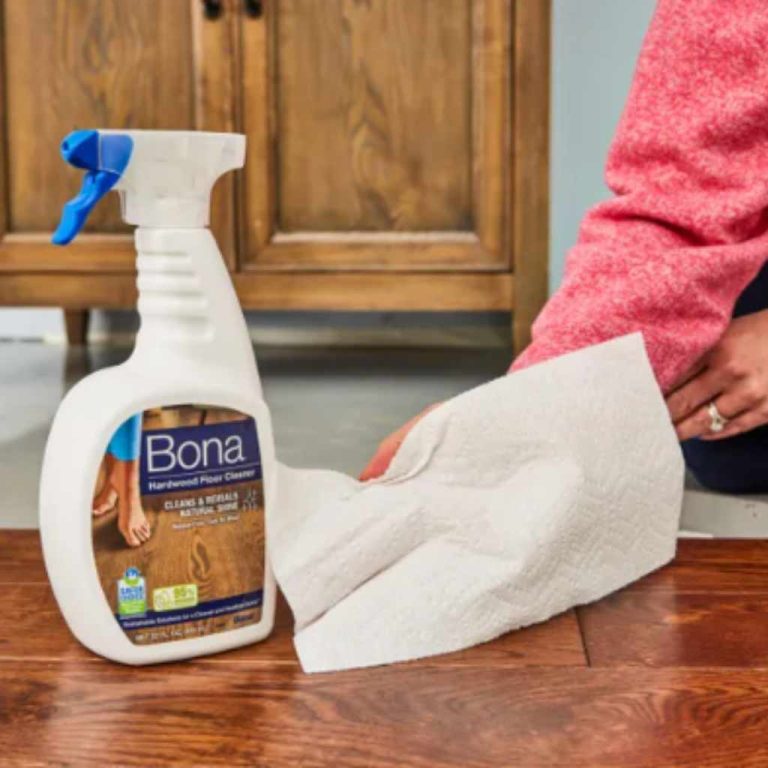
- Wipe Up Spills: Keep a soft cloth or paper towel handy. Blot spills gently rather than rubbing, which can spread the mess. For sticky messes like juice or soda, a slightly damp cloth may be needed, but always dry the area afterward.
- Pet Accidents: Clean these up immediately and thoroughly. Use an enzymatic cleaner designed for pet messes to fully neutralize odors and prevent lingering stains.
Weekly Cleaning for Noticeable Shine
Once a week, or whenever you notice a bit more dirt build-up, it’s time for a more thorough cleaning. This step removes the grime that daily dusting might miss and brings back that beautiful sheen.
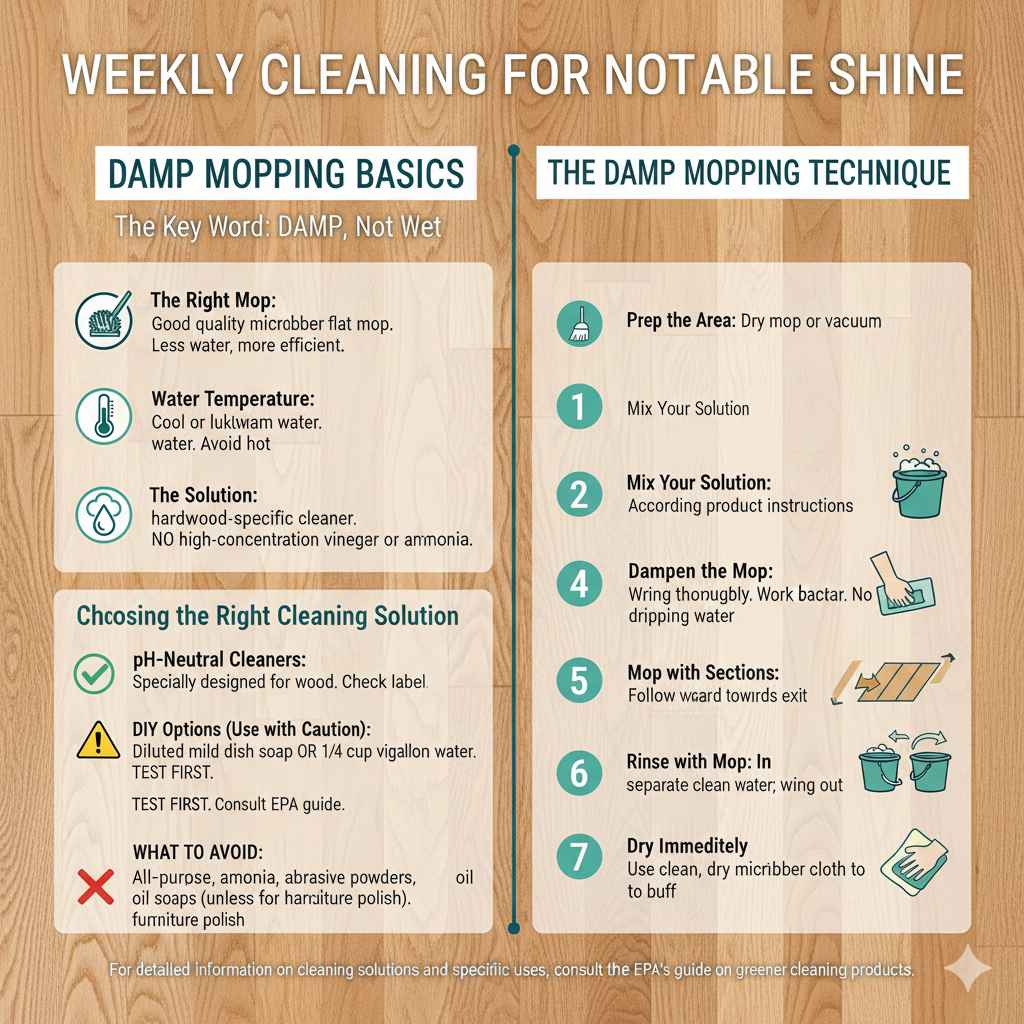
Damp Mopping Basics
This is where many people get nervous, but with the right approach, it’s very effective! The key word here is damp, not wet.
- The Right Mop: A good quality microfiber flat mop is your best friend here. They use less water and clean more efficiently than traditional string mops, which can oversaturate the floor.
- Water Temperature: Use cool or lukewarm water. Hot water can sometimes damage the finish or make cleaning solutions evaporate too quickly.
- The Solution: This is crucial. You want a cleaner that is specially formulated for hardwood floors and has a neutral pH. Acids (like vinegar in high concentrations) or alkaline cleaners (like ammonia) can strip the finish over time.
Choosing the Right Cleaning Solution
Selecting the correct cleaner is vital for the health of your wooden floors. Using the wrong product can lead to dullness, streaks, or even damage to the protective coating.
- pH-Neutral Cleaners: These are specifically designed to clean wood without affecting its finish. Many brands offer excellent options. Always check the label to ensure it’s safe for sealed hardwood floors.
- DIY Options (Use with Caution): Some people opt for a very diluted solution of mild dish soap or a highly diluted mixture of white vinegar and water (around 1/4 cup vinegar to a gallon of water). However, I always recommend starting with a commercial cleaner specifically made for hardwood. Test any DIY solution in an inconspicuous spot first. For detailed information on cleaning solutions and their specific uses, consult the EPA’s guide on greener cleaning products, which touches on biodegradable and less toxic options.
- What to Avoid: Steer clear of all-purpose cleaners, ammonia-based cleaners, abrasive powders, oil soaps (unless specifically stated for hardwood), and furniture polish. These can leave a residue, attract dirt, or damage the finish.
The Damp Mopping Technique
Follow these steps for an effective and safe damp mop:
- Prep the Area: First, ensure the floor is free of dust and debris by dry mopping or vacuuming. This prevents you from spreading dirt around.
- Mix Your Solution: Prepare your chosen cleaner according to the product’s instructions. If using water, ensure it’s only slightly damp, not soaking wet.
- Dampen the Mop: Dip your microfiber mop into the cleaning solution. Wring it out thoroughly until it is just barely damp. You should not see water dripping from it.
- Mop in Sections: Start in a corner of the room and work your way backward toward the exit. This prevents you from walking on the damp floor.
- Mop with the Grain: Move the mop in the direction of the wood planks (following the grain). This helps lift dirt and prevent streaks.
- Rinse the Mop Frequently: Rinse your mop in a separate bucket of clean water (or rinse it very well under the tap) and wring it out thoroughly before dipping it into your cleaning solution again. This keeps your cleaning solution from becoming dirty and spreading grime.
- Dry Immediately: While wood floors dry quickly from damp mopping, you can use a clean, dry microfiber cloth or a terry towel to buff any lingering moisture, especially in humid environments or if you feel you used slightly too much water.
Periodic Deep Cleaning and Maintenance
Beyond the weekly routine, there are times when your floors might need a little extra attention. This could be for tough spots or as part of your seasonal cleaning.
Tackling Stubborn Stains
Even with careful cleaning, some marks can be persistent. Here’s how to handle them:
- Grease Marks: For fresh grease, immediately blot with a dry cloth. For older marks, you can try a small amount of baking soda sprinkled onto a damp cloth, gently rubbed, and then wiped clean with a damp cloth and dried.
- Scuff Marks: Often, scuff marks from shoes or furniture can be rubbed away with a clean pencil eraser or a tennis ball.
- Dark Stains (e.g., ink, pet stains): For very stubborn, dried-in stains, you might need a specialized hardwood floor stain remover. Always test these products in an unseen area first. If stains are deep, they might indicate damage to the finish and could require professional assessment.
Refreshing Your Floor Finish
Over time, the protective coating on your hardwood floors can wear down, making them more susceptible to damage and less shiny. Refreshing this finish is a more involved process than just cleaning.
- Screening and Recoating: This is a professional method where the top layer of the finish is lightly abraded (screened), and then a new coat of finish is applied. This can restore the sheen and add protection without needing a full refinishing.
- DIY Refinishing (Advanced): For severely worn or scratched floors, a full refinishing might be necessary. This involves sanding down to the bare wood and reapplying stain (if desired) and multiple coats of protective finish. This is a significant project that requires specialized tools and knowledge. If you are new to woodworking or DIY, I’d recommend watching detailed tutorials or consulting resources like This Old House’s guide on refinishing hardwood floors. It’s a rewarding way to bring old floors back to life, but start with smaller projects first to build your confidence.
Protection Strategies
The best way to keep your floors looking good is to prevent damage in the first place.
- Entryway Mats: Place durable mats inside and outside every exterior door. These trap dirt, grit, and moisture before they can reach your wood floors.
- Furniture Pads: Always attach felt or rubber pads to the legs of all furniture – chairs, tables, sofas, etc. This prevents scratches and dents when items are moved. Check these pads regularly as they can wear down or collect debris.
- Area Rugs: Use area rugs in high-traffic zones like hallways, living rooms, and dining areas. This adds a layer of protection and can also add to your home’s decor!
- High Heels and Cleats: Advise guests (and yourself!) NOT to wear high heels or sporty shoes with firm cleats indoors. These can cause significant indentations.
- Pet Nail Trims: Keep your pets’ nails trimmed regularly.
Comparison of Cleaning Methods
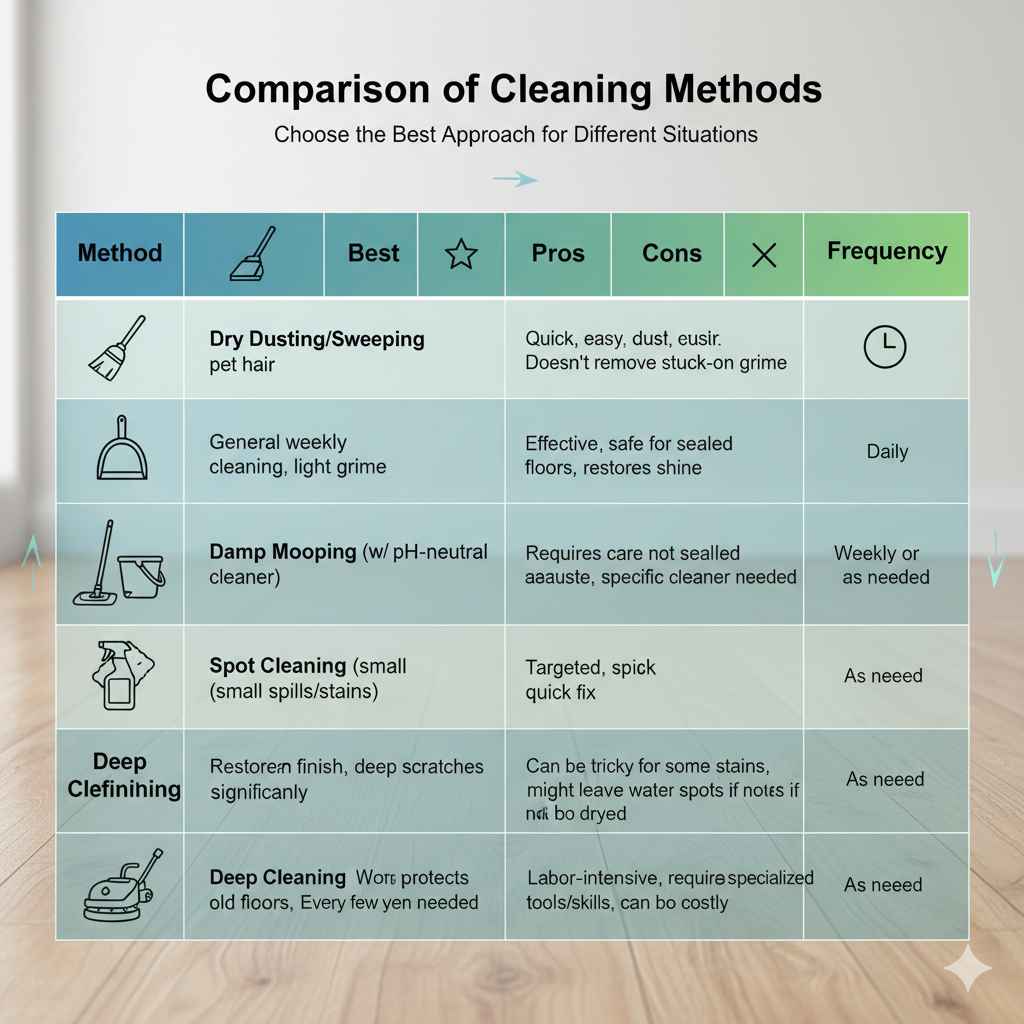
To help you choose the best approach for different situations, here’s a quick comparison of common cleaning methods:
| Method | Best For | Pros | Cons | Frequency |
|---|---|---|---|---|
| Dry Dusting/Sweeping | Daily dirt, dust, pet hair | Quick, easy, prevents scratches | Doesn’t remove stuck-on grime | Daily |
| Damp Mopping (w/ pH-neutral cleaner) | General weekly cleaning, light grime | Effective, safe for sealed floors, restores shine | Requires care not to oversaturate, specific cleaner needed | Weekly or as needed |
| Spot Cleaning (small spills/stains) | Accidental spills, specific marks | Targeted, quick fix | Can be tricky for some stains, might leave water spots if not dried | As needed |
| Deep Cleaning/Refinishing | Worn finish, deep scratches, old floors | Restores and protects floor significantly | Labor-intensive, requires specialized tools/skills, can be costly | Every few years or when needed |
Frequently Asked Questions
Q: How often should I really clean my hardwood floors?
A: Aim for daily dry dusting or sweeping to catch loose debris. Then, damp mop once a week, or more often if you have pets or high foot traffic. Always address spills immediately!
Q: Can I use a steam mop on my hardwood floors?
A: It’s generally not recommended. Steam mops use excessive heat and moisture, which can penetrate the wood and damage its finish, causing warping, buckling, or discoloration over time. Stick to damp mopping methods.
Q: What is the best way to remove water stains from wood floors?
A: For light water spots, try buffing with a soft, dry cloth. For more noticeable stains, you might try a very fine steel wool (#0000) used very gently, followed by buffing with a wood polish. For deep or dark water stains that have penetrated the finish, professional help might be needed.
Q: Is vinegar safe for cleaning hardwood floors?
A: While a very diluted solution (about 1/4 cup white vinegar per gallon of water) is sometimes used, vinegar is acidic and can potentially dull or damage the finish over time with frequent use. It’s safer to use a cleaner specifically formulated for hardwood floors or plain water for damp mopping.
Q: My floors look dull and streaky. What am I doing wrong?
A: Streaks often happen from using too much cleaner, a dirty mop, or a cleaner that leaves a residue. Ensure you are using a pH-neutral wood cleaner, wringing your mop out thoroughly until it’s just damp, and rinsing it frequently in clean water. Always ensure the floor is dry after mopping.
Q: How can I protect my wood floors from scratches?
A: Use felt pads on all furniture legs, place mats at entryways and in high-traffic areas, avoid wearing high heels or shoes with hard soles indoors, and keep pet nails trimmed. Regular cleaning also prevents grit from causing scratches.
Q: What is the difference between sealed and unsealed hardwood floors?
A: Sealed hardwood floors have a protective topcoat (like polyurethane) that acts as a barrier against moisture and wear. Unsealed floors (less common in modern homes) are raw wood and much more susceptible to damage from spills and wear; they require different cleaning and maintenance. Most guides for floor cleaning assume sealed floors.
Conclusion: Keeping Your Wood Floors Beautiful for Years
Taking care of your wooden floors doesn’t have to be a daunting task. By incorporating a simple, consistent routine of daily dusting and weekly damp mopping with the right products, you can keep them looking their absolute best. Remember, a little effort goes a long way in preserving the natural beauty and longevity of your wood flooring.
Protecting them from excess moisture and abrasive grit is key. Simple habits like using doormats, felt furniture pads, and area rugs make a huge difference. And if you ever face stubborn stains or notice wear and tear, know that there are solutions, from spot treatments to professional refinishing.
You’ve got this! By following these proven methods, you’ll not only maintain a cleaner, more beautiful home but also protect your investment for years to come. Happy cleaning!