Dog Scratches on Hardwood Floors: Fix Light to Deep Damage
Dog nail scratches on hardwood floors range from light surface scuffs to deep gouges that expose bare wood — and the fix depends entirely on which one you have. Left untreated, exposed wood absorbs moisture and stains permanently within days, especially in high-traffic doorways. This guide covers matching light scratches with a stain marker, filling deeper gouges with wood filler and touch-up stain, and the nail-trimming habits that stop new damage before it starts.
This post contains affiliate links. As an Amazon Associate we earn from qualifying purchases at no extra cost to you.
Identifying the Damage
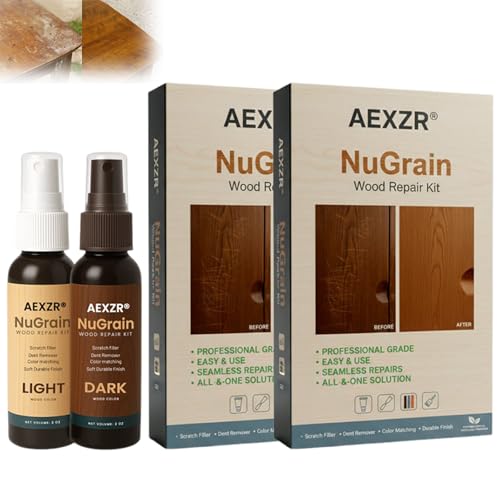
Best Wood Floor Scratch Repair Pick
Wood Floor Scratch Repair Kit, Set of 39 – $21.20
Filler sticks and matching stain colors for the wood-filler-and-touch-up-stain method covered above — enough shades to match most oak, maple, and walnut floors.
- Best for: Filling and blending deep dog-claw gouges before refinishing
- Why we picked it: 39 colors cover a wider match range than most kits, useful for the exact multi-step repair this guide walks through
- Main drawback: Still test the color on a hidden spot first — kit shade names vary from your floor’s actual stain name
Compare more wood floor scratch repair options
 Option 1 Weiman Wood Restore & Repair Kit – $20.69
|
 Option 2 Weiman Wood Repair System Kit – $11.99
|
 Option 3 Lifreer Wood Filler Sticks, 16 Colors – $16.99
|
As an Amazon Associate we earn from qualifying purchases.
How Deep Is the Scratch?
Run your fingers lightly across the mark. If your fingernail catches the wood itself rather than just the finish, the scratch has gone past the topcoat and needs wood filler, not just a marker.
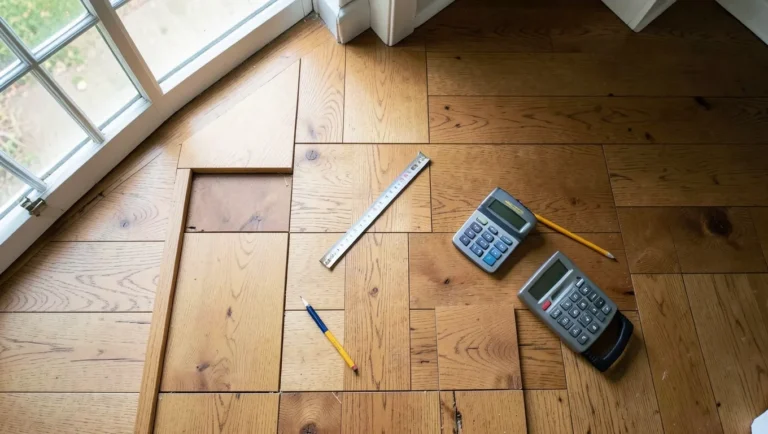
Measuring the Scratch Area
Note the length and width of each scratch cluster so you buy enough filler or stain marker in one trip instead of running short mid-repair. For general hardwood care beyond scratch repair, see our full wood flooring guide.
Quick Fixes for Light Scratches
Light, finish-only scratches are the easiest fix on this list. Mix equal parts vinegar and olive oil and rub it into the mark with a soft cloth, or use a wood stain marker that matches your floor’s finish color.
Using Wood Floor Repair Markers
Wood floor repair markers cover light scratches in under a minute. Test the marker on a hidden spot first — stain colors vary between “red oak” and “golden oak” labels across brands, so a quick swatch test beats guessing.
Applying Hardwood Floor Restorer
For scratches slightly deeper than a marker can hide, clean the area, apply a hardwood floor restorer with a soft cloth, and buff it out in the direction of the wood grain.
DIY Solutions for Deeper Scratches
Using Wood Filler and Touch-Up Stain
Deep dog scratches that catch a fingernail need wood filler and touch-up stain, not a marker. This is the same method covered in our guide on buffing out general hardwood scratches, adapted for the narrow, claw-shaped marks dogs leave:
- Clean the area: Remove dirt and debris from the scratch with a damp, lint-free cloth.
- Prepare the filler: Mix or knead the wood filler according to the manufacturer’s instructions.
- Fill the scratch: Press the filler into the scratch with a plastic putty knife until it’s level with the surrounding wood.
- Sand it smooth: Once the filler is fully dry, sand lightly with 220-grit sandpaper.
- Match the stain: Apply a touch-up stain that matches your floor to blend the repair into the surrounding boards.
Sanding and Refinishing the Affected Area
If a scratch is too deep for filler alone, sand the area down to bare wood, apply a matching stain, and seal it with a finish coat that blends with the surrounding floor. Give the finish at least 24 hours before foot traffic and 48 hours before moving furniture back over it.
How Hard Is Your Floor Against Dog Nails?
Not every hardwood species scratches the same. The Janka hardness scale measures how much force it takes to press a steel ball halfway into the wood — the higher the number, the more scratch-resistant the floor.
📊 White oak rates 1,360 lbf and hickory rates 1,880 lbf on the Janka scale, while soft species like pine sit around 420 lbf — roughly a third as scratch-resistant. — Source: National Wood Flooring Association, 2026
If you’re refinishing anyway, choosing oak or hickory over a softer species like pine or fir meaningfully cuts down on future dog-nail marks — no repair kit substitutes for a harder wood species in high-traffic, pet-heavy rooms.
Preventive Measures
Prevention is cheaper than repair. Keep nails trimmed, add rugs in high-traffic paths, and apply a protective coating rated for foot and paw traffic — see our full guide on how to care for hardwood floors long term for the complete maintenance routine.
Applying Protective Coatings
A protective coating acts as a buffer between your dog’s nails and the wood itself. Clean and lightly sand the floor first, then choose from these options:
| Option | Description |
| Oil-based sealers | Penetrate the wood’s pores and form a durable protective layer. |
| Water-based sealers | Lower odor, faster drying, and lower VOC than oil-based options. |
| Polyurethane | Creates a hard, scratch-resistant surface — the most common choice for homes with dogs. |
| Aluminum oxide finish | Factory-applied on many engineered floors; the most scratch-resistant option available, though it can’t be added to solid hardwood after the fact. |
Training and Grooming Your Dog
- Trim nails regularly: If you can hear clicking when your dog walks on the floor, the nails are too long.
- Use nail caps: Soft caps fit over the claw tip and blunt the point of contact — check with your vet on sizing.
- Set boundaries: Keep high-value hardwood rooms off-limits during play if scratching is a recurring problem.
- Use rugs and runners: Placing a rug or a set of dog booties in high-traffic paths buffers the floor from repeated nail contact.
Consistency matters more than any single product — combining trimmed nails with a durable finish is what actually keeps hardwood scratch-free long term.
Professional Repair Options
For scratches that go past what filler and sanding can fix — or floors with dozens of overlapping marks — a professional refinish resets the whole surface instead of patching it board by board.
- Buffing and sanding: For widespread surface-level scratches, a light sand and refinish restores the whole floor evenly.
- Spot repair: For a handful of deep, isolated gouges, a pro can sand and blend just that section.
- Board replacement: For boards damaged down to the subfloor, individual plank replacement is usually cheaper than a full refinish.
Get quotes from at least two local flooring specialists and ask specifically about their experience with pet-related damage — the repair techniques differ slightly from foot-traffic wear.
Frequently Asked Questions on How to Fix Scratches in Hardwood Floors From a Dog
Can You Get Dog Scratches Out of Hardwood Floors?
Yes. Light scratches buff out with a stain marker or vinegar-and-oil solution, while deeper scratches need sanding, wood filler, and a matching touch-up stain.
How Do You Cover Up Dog Scratches on Wood?
Sand the affected area lightly, apply a matching wood filler or stain, buff it to blend with the surrounding boards, and seal with a clear protective coat. Trim your dog’s nails regularly to prevent new marks.
How Do You Repair Pet-Damaged Hardwood Floors?
Sand down the damaged area to remove scratches, apply a matching hardwood stain, let it dry completely, and seal with a protective clear finish to prevent future damage.
Can Hardwood Floor Scratches Be Repaired?
Yes, through sanding, wood putty, or touch-up kits for most damage. Deep or extensive scratches across many boards usually need professional refinishing.
Does a Matte or Glossy Finish Hide Dog Scratches Better?
Matte finishes hide dog nail scratches better than glossy ones. Glossy finishes reflect light directly, which highlights every mark, while matte and satin sheens scatter light and make surface scratches far less noticeable.
Do Nail Caps Actually Stop Dogs From Scratching Hardwood Floors?
Nail caps blunt the point of contact and reduce scratching, but they aren’t a full substitute for regular trimming. Caps can loosen or fall off between applications, so pair them with routine nail maintenance for the best protection.
Conclusion
Match the fix to the damage: a stain marker for light scuffs, wood filler and touch-up stain for deeper gouges, and a professional refinish for floors with extensive marks. Pair whichever repair you choose with regular nail trims and a durable topcoat to keep new scratches from piling up.
Sponsored / affiliate links. As an Amazon Associate I earn from qualifying purchases. I may earn additional commission from eligible campaigns.