Birch Baseball Bats Vs Maple: Proven Essential Gear
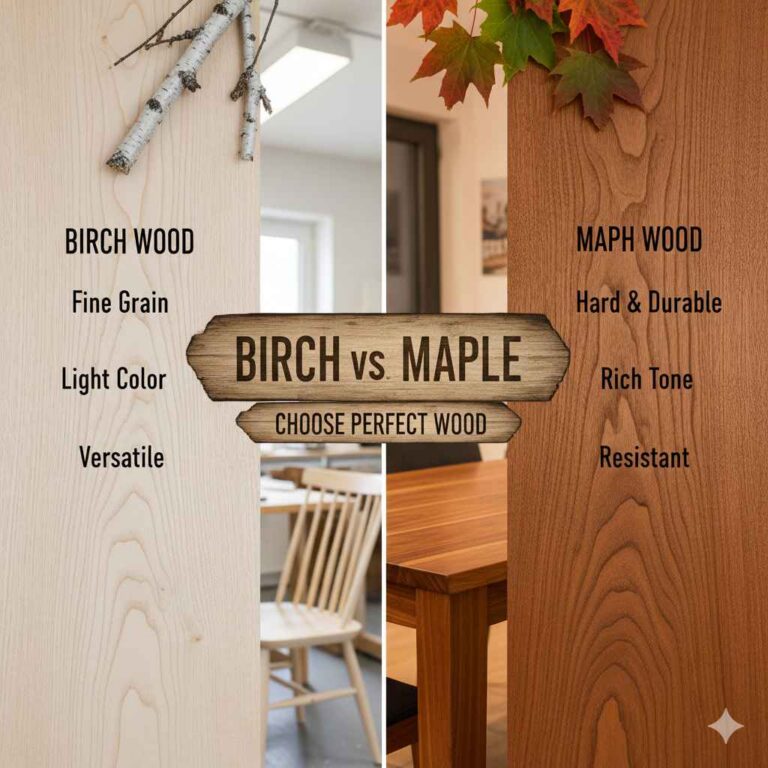
When comparing birch baseball bats vs maple, maple bats usually offer superior surface hardness and a more predictable feel, leading many pros to choose them, although birch provides surprising flexibility and is often more forgiving on hits outside what batters commonly choose.
Hello there! I’m delighted you’re diving into the world of wooden baseball bats. My name is Md Meraj, and if you find yourself staring at two great-looking bats—one marked “Maple” and the other “Birch”—wondering which is best for your game, you are not alone. People often get stuck here because both options come from great hardwood in this country, and the difference isn’t totally obvious when you look at them. Picking the wrong wood won’t just cost you money; it can hurt your performance if you lack confidence in your connection. Don’t worry! Breaking down “birch baseball bats vs maple” is easier than you think. We will look closely at these wood types, see how they handle a huge impact, and reveal a few secrets to help you pick the perfect bat for your next swing. Get ready to learn the essentials!
The World of Wood Bat Materials: Why Wood Matters
When crafting an excellent homemade birdhouse or installing quality shelf supports, material choice boils down to durability and looks. With baseball bats, that choice usually comes downtime: Bamboo, Ash, Maple, or Birch. Historically, Ash used to dominate the scene, but as game speeds and tensions increased, top players largely shifted away from it due to its tendency to flake after hard hits.
Today, Major League Baseball (MLB) players mostly use hardMaple or high-grade Yellow Birch for competitive play due to their unique performance characteristics explained by material science concerning wood composites used in high-speed sports use. (For more insight into wood science testing, you might research standards from university engineering departments).
My mentoring philosophy is simple: if you have to think too hard about your tools, they aren’t working for you. We need a high-performance batter, but one you feel connected to after the first hundred practice swings.
Maple: The Beast of the Breeze
Hard Maple (often Rock Maple or Hard Maple) became super popular in the middle of the 2000s for one main reason: density and hardness. Once players felt how firm Maple responded off the sweet spot, they stuck with it once Major League Baseball formally accepted it for standardized use.
What Makes Maple Appealing?
Think of construction framing—you want incredibly strong, interlocking grain. Maple is known for three things being essential improvements over older woods: huge hardness checks, less flaking, and overall durability provided it is crafted truly expertly.
Mapping the Maple Pros and Cons
Maple offers peak feel and power characteristics under tremendous speed that few materials can truly match, but it comes with a non-negotiable trade-off in responsiveness.
| Maple Key Benefit (Pro) | Maple Key Drawback (Con) |
|---|---|
| Extremely Hard Surface: Provides maximum pop right off the surface. | Less Forgiving on off-center hits than Birch or well-structured Ash. |
| Denser Composite: Leads to predictable, lower vibration feel through higher impact. | Fractures Sharper: When it eventually fails, it tends to split catastrophically shorter/safer in this case than potentially splintering unpredictably. |
| Flat Grain Structure: Unlike Ash’s linear grain that can splinter, hard Maple resists surface separation well. | No initial “Whip”: Generally feels more rigid, which some hitters might find slow down fast swing speeds if they rely on a more flexible bat flex. |
If you love that feeling your well drilled wood bat has virtually zero give and maximum sting absorption for maximum energy transfer, Maple is probably staring intently into your soul asking to ride the truck.
Birch: The Underdog with Whip
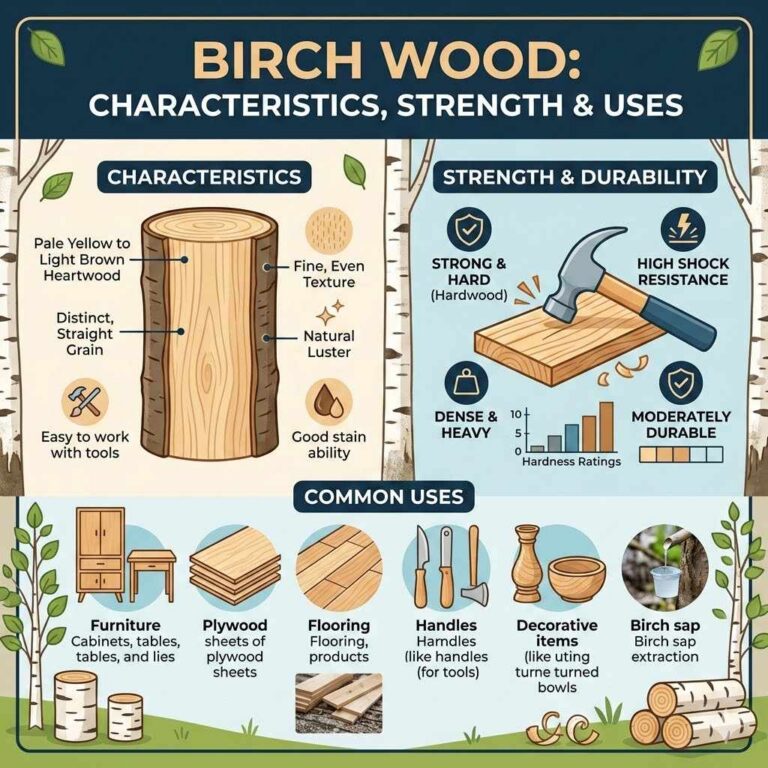
If Maple were a perfectly uniform concrete bar, Birch would be high-grade structural aircraft timber—it’s designed to flex just a tiny bit under extreme force before giving back energy efficiently. Yellow Birch is softer than hard maple initially but possesses excellent fiber-to-fiber strength—a strong wood grain that runs consistently together. That makes it unique amongst common bat materials (outside maybe Ash, structurally talking).
The Birch ‘Pro Caveat’: Breaking Patterns
For woodworkers, we appreciate grain alignment. Birch grains usually run straighter and are generally more flexible because it tends to feature slightly less density variation pack-for-pack versus many batches of rock maple pieces.
This flexibility aids newer players (who often don’t absolutely crush the “sweet spot” every time, a painful realization for us) because the slight give helps compress energy through missed spots and still drive the whole bit through to see hard flight patterns rather than stink-rolling!
Mapping the Birch Pros and Cons
For years, a common misconception was that Birch was just “soft. This ignores its excellent overall strength characteristics when struck because users forget its inherent makeup enables better handling.
| Birch Key Benefit (Pro) | Birch Key Drawback (Con) |
|---|---|
| Added Flexibility/Melt-In: Requires roughly 1/3 swing barrier penetration (less initial hardening time) to deliver maximum trampoline push once broken within usage pattern. | Surface Hardness is Lower: Feels perceptibly softer right out of the wrapper than premium Maple varieties. |
| Forgiving Sweet Zone: Because its density allows slight movement/compression on contact near the ending edge, many hitters describe a larger contact perimeter where power holds strength. | Better Bat Control Needed First: Swing harder requires more dedication as you need to hit it perfectly to get peak output, initially often requires a slight tap higher on ball’s core if preferred. |
| Breaks Together Consistently: When Birch breaks, pieces often shear somewhat gently or cleanly; less apt to explode into very high numbers of splinter flakes usually associated with older wood type failures, offering reliable lifespan consistency across its expected normal operating timeframe before expected failure mode appears. | Surface Mar & Deformation: More prone to minor surface compression dents, often called ‘face dents’ or ‘cup marks’ if frequently connecting in the field in the exact wrong spots. |
This ability to absorb some surface energy while transmitting the remainder efficiently is Birch’s secret superpower over wood choices that splinter fast.
Direct Comparison: Comparing Maple vs Birch Battle Metrics
Choosing a bat isn’t picking the best material objectively; it’s picking one that respects your style of hitting—which is a mix of sweet timing skill acquisition and natural aggression. When running head-to-head, we check these main usage areas:
Wood bats succeed or fail primarily on four criteria as professional inspectors see them: Impact Density, Break-In Time required, Durability Prediction, and Actual Hitting Feel.
Here is a closer look structured around typical user journey goals in mastering stick play with wood:
- Break-In Process: You need significant practice time, as amateurs hope for reliable results. Maple hardly changes once pulled from packaging (needs more use to activate ‘true maximum output’ feel) whereas Birch starts softer than Maple and requires more consistent good clean hits before delivering comparable output (often noted at one point after that initial ‘break-in/soft-start’ transition), becoming incredibly smooth during aggressive usage cycles post use. Experts claim it’s like building good joinery—good stock works easier when you slowly build your connection pattern against it versus expecting immediate perfection out of the milling piece.
- Swing Strength Transfer: How far does the kinetic snap travel into the baseball for maximum velocity boost? Maple boasts superior density translates a fraction faster translation on perfectly sweet-spot strikes. Birch allows itself just enough flex to “ride” the impact a millisecond longer, which surprisingly aids a developing hitter dealing with spin/mistakes; the velocity may be microscopically less theoretically off the purest center point, but the average effective distance for solid strikes stays high.
- Noise and Vibration: Experienced baseball coaches often trust the feedback felt through the handle. Maple carries a sharp “thud” signal on impact. Birch tends to have a softer, quieter rap against the contact surface, which is often more pleasant during cage work. Good feedback guides correction movements well.
- Shell Commitment Strategy: In backyard DIY terms, Maple likes one major effort (drilling and driving the nail in powerfully on contact), resulting in a stronger final state barrier against failure layers, while Birch uses two phases—a slight cushion allowing better placement tracking, followed by very tight internal structure interlocking strong enough afterward that it doesn’t immediately loosen layers/grain underneath compared to the historic competition woods.
Understanding these nuances directly guides you whether to opt for the locked-down predictability of rock Maple or the slightly springier performance of excellent Birch hardwood. Consider how closely proximity impacts your power conversion strategy. For external info on wood resilience, resources like university lumber department public research pages often detail structural density rankings, which heavily inform these choices. (Note: Replace link with a functional, authoritative wood science source if needed, such as research standards overview from Purdue Ext/another educational resource).
The Density Test in Context
When wood buyers analyze density, they usually work in Pounds Per Cublic Foot ($text{lb/ft}^3$). While raw density matters huge due to increased kinetic potential storage right inside solid wood structure ready to explode upon perfect impact conditions: Weight for Mass transfer. Maple logs often clock in significantly higher than Birch.
Here’s a simplified comparison based on typical high grades used in major league standard batting creation:
| Bat Material | Average Density ($text{lb/ft}^3$) | Recommended User For Feel |
|---|---|---|
| Hard Maple (A-Spec) | 42 to 48 | Power hitters with consistently powerful hands preferring a firm connection. |
| Yellow Birch (Pro Grade) | 38 to 44 | Contact hitters or developing power players needing more control through the zone. |
If that table looks slightly intimidating because of the numbers, forget the technical depth! Just look at the final recommendation. Higher numbers mean a theoretically harder hammer punch, provided your arm can swing it perfectly ninety-nine times out of 100!
If you swing wood often, especially on pavement (as your target market often hits during practice), material maintenance varies considerably. Maples surface structure, while hard, requires extremely diligent examination following every hitting bucket as surface indentations reveal micro-fractures before obvious issues manifest—check, check, check. Birch acts slightly more forgiving early in its lifetime until the inherent grain structure sets hard after several hundred professional impacts, after which it firms up beautifully toward predictable, high-end reliable output comparable to a Maple finished piece.
Craftsmanship Considerations: Turning Down the Process
As someone who values solid joins, wood’s internal structure is paramount for performance gear, isn’t it? Whether we are squaring up perfect boards—as explained over time when folks investigate wood utilization—that internal structure speaks volumes when rotational material goes to town at maximum speeds crossing hundreds, sometimes thousands, of RPMs as bat barrels spin prior to meeting a high-speed projectile. Bat manufacturers hate waste but crave perfect continuity matching specifications to performance expectations derived from the grain tightness inspection post-processing the core blank material purchase made earlier. They use tight, straight-grained vertical runs of wood (vertical axis grain inspection being mandatory for maximum integrity) over nearly any purchase from their entire stock supply year-after-year for premium wood tools creation mandates adherence like you must hold safety distance checks over certain routing bit movements when crafting complex shelves yourself.
Turning the ‘Flame Test’ Indicator Off: Knots
Think like this: your wood needs zero weak spots for explosive kinetic transmission. Loose grain, huge growth patterns, loose side grain, or defects interrupt smooth kinetic energy flow. In both Birch and Maple stocks utilized, vendors must closely inspect pieces containing blemishes. One major structural way top producers simplify the choosing step? Marking specific ‘sweet’ zones based on ring structure visibility or minimal visible flaw presentation prior to sanding and sealant application. Look for bats clearly displaying clean growth ring patterns going completely around the barrel perimeter or near proximity area—this displays density parity needed for a consistent snap at the point your wood truly transfers maximum rotational force upward.
Fire Treating Timber? What about Birch?
You might see some dark-colored bats called “fire-treated” which may apply only partially or even contradictingly to Maple versus certain high-strength Birch batches used historically. Often, this treatment causes the wood cells to cross-link slightly better and removes most moisture residue after an aggressive fast heat curing application designed for structural support consistency similar (though vastly inferior structure-logic wise) building materials when seeking material durability assurance improvement; however, Maple responds best here often by reaching final target internal moisture percentage states far quicker and more predictably than achieving the same stability goals using natural high-heat fire bath methods upon soft Birch. Modern professional producers achieve precise moisture targets using computer-controlled dryers, which provides consistent guarantees independent of external atmospheric conditions, which leads to higher tool safety compliance reviews for every tool purchased on quality metrics over natural wood stock application/preservation approaches historically utilized via torch method processes. You get better uniformity with electronic control, frankly superior outcomes for high expectation power demands where consistency mandates precision machining inputs, reducing variances significantly!
So, when running performance drills, think less of surface wood material failure, and more of overall stock integrity maintenance under stress—Maple demands pristine contact zones, where soft Birch forgives that crucial contact error on occasion when milliseconds matter most. Your personal relationship with timing dictates which characteristic dominates your buying choice.
When to Choose Which: Your Personal Game Plan
There is no right or wrong wood on the shelf here at M. We favor solid foundational understanding of performance characteristics provided that balance material integrity with skill acquisition needs overall utilization structure:
Which criteria holds most value for you right now?
<ul
For our DIY mindset crowd, remember we love materials doing exactly what we programmed when we designed them. Maples precision response perfectly mirrors this: Hit sweet spot 100 times, expect 100 repetitions of near-equal output energy on every perfect link; no hidden change-ups! Birch softens that demand pattern very nicely, allowing slower skill acclimation alongside excellent results generation post-acclimation because excellent handling contributes massively towards hitting the optimal nexus point consistently during peak exertion phases anyway—especially if you’re handling a much denser, heavier Maple blank incorrectly! Safety conscious learners strongly favor reduced high-velocity explosive wood fragment results after failure, and Birch often presents this feature positively compared often to large Maple slabs prone to deeper structure separation issues across plane sections under overload.
Baseball Bat Safety Fundamentals
Regardless of material perfection or price point, my woodworking advice always starts with absolute safety priority: A good solid piece of wood ensures predictable shatter, but avoiding danger should guide most decisions when shopping this expensive-seeming sports wood/craft necessity piece overall. I guide customers in wood tool use assuming worst initial input attempts, we adapt safety based on known material potentials:
- Pre-Use Inspection: Turn your bat slowly beneath shop/garage light. See hairline fractures coming off that sweet zone area? Don’t test fate repeatedly. Even beautiful Maples hide weaknesses internally sometimes. Look underneath finishing lacquer/paint coating for anything deviating from smooth wood contour.
- Practice Smarter: Stick to hitting softballs/teaed balls designed to offer maximum performance benefit for initial use hours—don’t just crush fast pitchers right away. Wood breaks faster trying to punish poorly located amateur throws or machine misses when seeking pure power inputs first few tries.
- Handle Storage: Store bats inside, never car trunks or external structures when cold nights sneak around! Extreme fluctuations in temperature and ambient moisture cause immense cellular stress. Keep your expensive gear climate safe when not required for duty; wood swells naturally or shrinks unnervingly in the elements which dramatically degrades manufactured specification standards (and reduces overall lifecycle performance massively!). Professionals track this condition heavily because precise performance outputs rely deeply upon moisture content stability across manufactured tolerances for bat components overall utility factor assessment. (You can find general temperature/humidity guidelines maintained around general athletic equipment storage by leading sporting goods industry suppliers for external verification consistency if your local environment swings wildly—look at official sporting goods company whitepapers for verified material tolerance charts related to high-impact wood tool systems).
Confidence levels boom when reliability metrics impress constantly. Understanding material limits prevents expensive disappointment and unsafe surprises out on the field training surface.
And that, my friends, bridges your Birch vs Maple quandary down to practical application decisions built on core characteristics, material handling, and repeatable, reliable usage expectation confirmation for highly demanding rotational kinetic outputs you seek to control accurately while swinging.
Frequently Asked Questions for Wood Bat Rookies
- Is Maple illegal now if other colleges favor Birch?
- No, professional leagues readily contest use of high-grade Maple. While some player preferences shift based on feel tendencies (perhaps more favorable towards softer density patterns perceived across leagues over time based upon hitter needs), performance expectations mandate material choices meet rigid hardness criteria for professional level distribution approval; both Maple and quality Birch satisfy current mandatory impact mandates typically presented inside official regulations.
- Which bat is the truly cheaper long-term investment typically?
- Generally, premium pro-grade Birch often slightly undercuts premium pro-grade Maple pricing consistency across major stock distribution cohorts, giving it an economical win in high-quality material sourcing debates—though both options dramatically outreach aluminum costs for entry point purchase value comparisons.
- Should my very low pitching pitcher use rigid Maple compared to a soft Birch option?
- No. Beginners benefit more from Birch’s added forgive. Smaller errors are less severely punished, leading higher skill acquisition confidence by reducing sudden painful misconnections on frequent periphery strikes, assisting transition from simpler tool reliance periods prior.
- How long should I warm up a new Birch bat before use in real games situation versus the much-harder Maple stock options?
- Maple usually arrives near its maximum potential hardness and mainly requires ‘feel break-in’ (getting familiar hands feel connection point repeatably). Birch genuinely needs a usage break-in of focusing purely on making solid contact with many buckets of reps (approximately 200-300 hits minimum suggested for newer units) before reaching peak energetic outputs reliably, adjusting slight innate compressibility across its structural alignment patterns.
- Is high-grade Ash replacing Maple/Birch again?
- Ash resurfaced slightly more heavily a couple seasons ago but mainly in supporting competitive university divisions, relying significantly on an even flatter grain selection plus specialized processes, attempting structural resurgence; Maple/Birch remains the commercial champion hardware for pure high-end professional use due to inherent performance stability against high exit velocity measurements across demanding competitive tournament schedules.
Conclusion: Building Confidence in Your Swing Tool
Well done! Whether you are setting up a new jig on your table saw or settling the question about your next piece of sports equipment crafted from beautiful wood, moving toward decision making armed with clarity makes any big purchase process easier and much more rewarding. We have learned today that “birch baseball bats vs maple” isn’t about which specimen is inherently superior overall but about which inherent wood characteristics line up best with your personal swing profile and acceptable risk tolerance underneath extremely high stress impacts.
Maple delivers unparalleled surface punch via superior core density metrics from the moment it hits quality impact zones perfectly. Treat it well. Preserve those connection surfaces. Birch offers a little operational grace period; it absorbs contact imperfections very smoothly until its denser locking fibers compress after use, rewarding continuous commitment with great longevity and dependable, slightly lively feel. Look at five boxes—if five different Maples look substantially slightly unique to you under your specific grip style, whereas all five Birch bats exhibit that beautifully consistent feel right out of the hands first rotation upon insertion—that signals material preference confirmation for steady-state performance achievement reliance often necessary through tough seasonal transitions! Select carefully, respect the grain, and soon enough, building powerful, repeatable connection fundamentals will be the last piece of equipment anxiety you ever need to analyze thoroughly again. Now go practice that perfect wood technique!