Is River Birch a Hardwood? Real Janka Rating Explained
River birch (Betula nigra) is a genuine hardwood, not a “soft hardwood” or some in-between category, despite what a lot of pages online claim. The confusion comes from mixing up two different things: how trees get classified botanically, and how hard their actual wood is. This guide gives you the real Janka hardness number, explains why river birch sits on the softer end of the hardwood scale, and corrects a second common myth about using it outdoors.
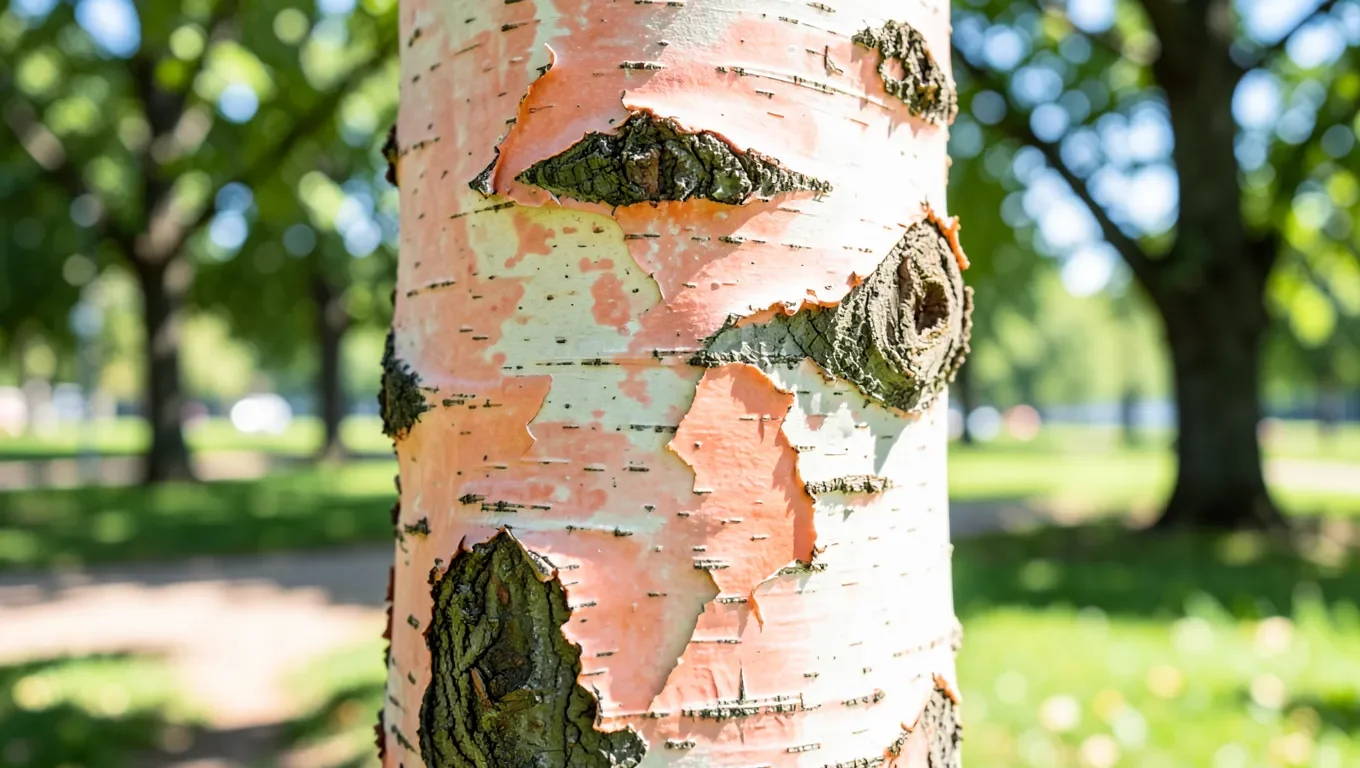
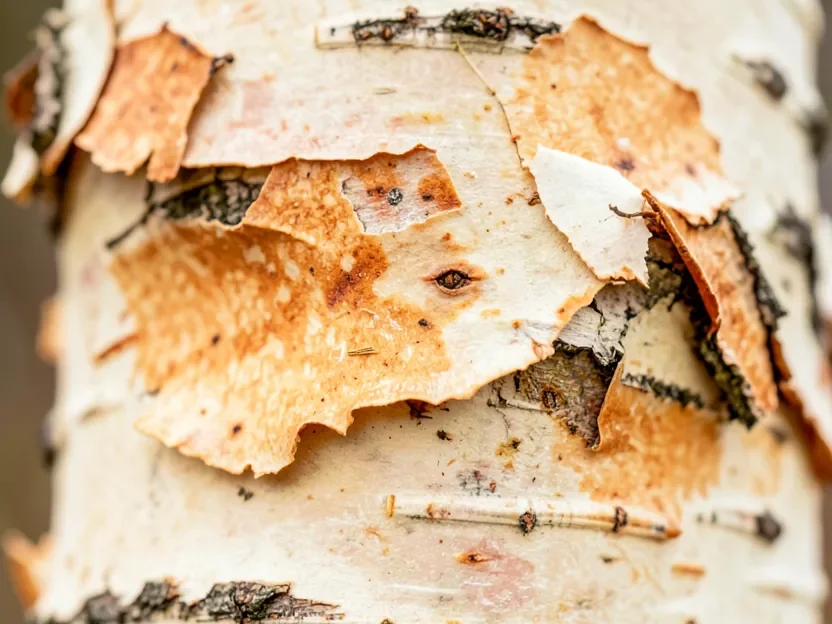
Quick facts: river birch is a fast-growing native tree, commonly reaching 40 to 70 feet tall in the wild, best known for the curling, salmon-pink to tan bark that peels away in papery layers as the tree matures. It’s a common landscaping choice near streams and low-lying, moist ground, which is where the “river” in the name comes from. All of that is about the tree; the sections below cover what its wood is actually like to build with.
Is River Birch a Hardwood or Softwood? The Real Answer
Yes, river birch is a hardwood. It belongs to the birch family (Betulaceae), a group of deciduous, broadleaf trees, and that is exactly what makes something a hardwood in botanical terms. Hardwoods come from angiosperm trees that flower and drop their leaves each fall. Softwoods come from gymnosperm conifers, like pine and cedar, that stay green year-round and produce seeds inside cones. Actual wood hardness has nothing to do with which of those two groups a tree belongs to.
Best Birch Plywood For Shop Projects
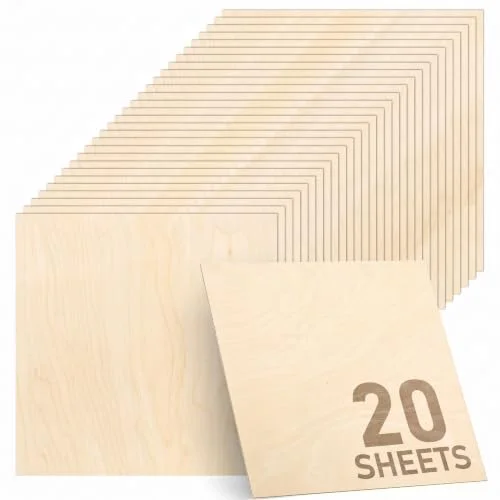 |
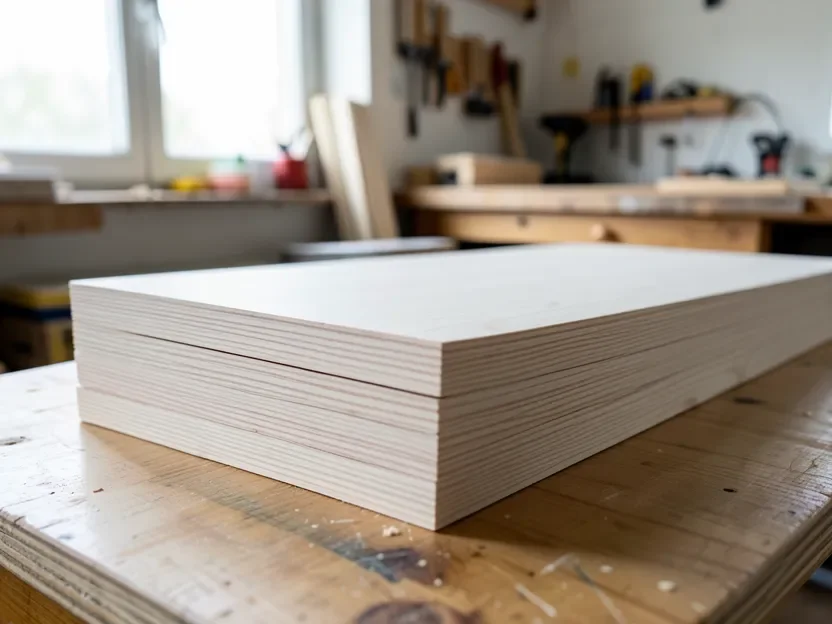
TX liteart Baltic Birch Plywood, 20-Pack – $33.99 If you want to see real birch grain and hardness for yourself after reading this, this void-free Baltic birch sheet pack is an easy, low-cost way to start.
|
That distinction matters because river birch really is one of the softer hardwoods by density. Wood identification references like The Wood Database still classify it as a hardwood, but its Janka rating puts it well below oak, hickory, or hard maple. The next section breaks down the actual number instead of the vague “soft hardwood” label.
Why People Call It a “Soft Hardwood” (And Why That Term Isn’t Real)
You’ll see river birch, and birch in general, described online as a “soft hardwood.” It’s an understandable shorthand, but it is not an actual wood-science category; there is no formal classification sitting between hardwood and softwood. The term shows up because river birch’s Janka number is noticeably lower than familiar hardwoods like red oak, which leads people to assume it must belong to some separate, softer class.
It’s the same mix-up that shows up around ordinary birch species, covered in more depth in this breakdown of the birch softwood myth. The lesson applies to any wood: hardness is a sliding scale, but the hardwood-versus-softwood split is a fixed botanical line, not a matter of degree.
River Birch Janka Hardness: The Real Numbers
According to The Wood Database, river birch has a Janka hardness rating of about 970 lbf. It has an average dried weight of roughly 34 pounds per cubic foot and a specific gravity near 0.55, putting it in the medium-hard, medium-weight range for hardwoods.
| Wood | Janka Hardness (lbf) |
|---|---|
| Southern yellow pine (softwood, for reference) | ~690 |
| Paper birch | 910 |
| River birch | ~970 |
| Yellow birch | 1,260 |
| Red oak | ~1,290 |
| Hard maple | ~1,450 |
| Sweet birch | 1,470 |
So river birch sits near the bottom of the birch family, and below red oak or hard maple, but it’s still meaningfully harder than true softwoods like pine. “Softer hardwood” is a reasonable plain-English description of where it lands on that scale; it just is not a real taxonomic category.
Can You Use River Birch Outdoors? (A Second Common Myth)
Some older wood guides claim river birch resists decay and works well for decks or fences. That is not accurate, and it’s worth correcting because it can lead to a bad material choice. According to The Wood Database, birch species, river birch included, are rated as perishable: they decay readily when left exposed to weather and are also vulnerable to insect attack.
If you need wood for ground contact, decking, fencing, or anything else exposed to the elements, look at a naturally decay-resistant species instead, such as cedar or redwood, or use pressure-treated lumber, rather than river birch.
Best Uses for River Birch Wood
River birch earns its keep indoors, where decay resistance is not a concern. Good uses include:
- Furniture and cabinetry: its pale color and straight grain work well for interior pieces that don’t need oak- or maple-level hardness
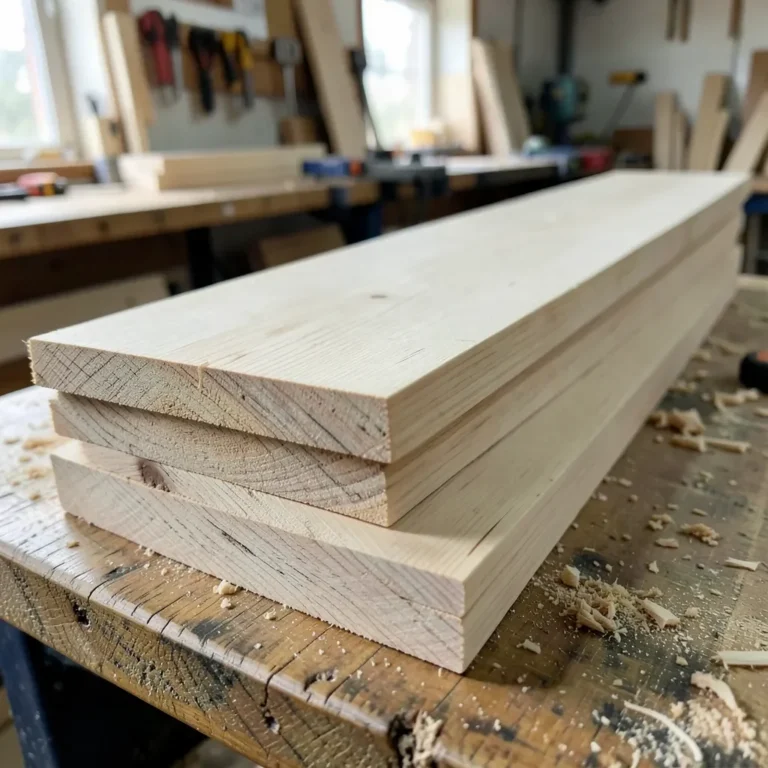
- Plywood and veneer core stock: birch veneers, like the Baltic birch plywood shown above, are prized for void-free layers and clean edges when cut
- Turning projects: bowls, spindles, and small decorative pieces, where its workability and consistent grain are an advantage
- Interior flooring: usable in lower-traffic rooms, though its lower Janka number means it dents more easily than oak or maple flooring
- Decorative items and crafts: its typically straight, fine grain and pale color take paint and light stains well
Working With River Birch: Tips for Woodworkers
River birch is generally easy to work with both hand and machine tools. Boards with wild or irregular grain can tear out during machining, so take lighter passes and keep blades and bits sharp, especially near knots or the curly figure the species sometimes shows. It turns, glues, and finishes well, and its relatively closed grain takes stain fairly evenly compared to more open-grained hardwoods like oak, which is part of why it’s a popular choice for plywood veneer.
Fasteners and glue-ups are straightforward too: standard wood screws and pilot holes work fine, and common woodworking glues bond well to clean, dry river birch. Because it’s softer than oak or maple, it’s also gentler on blades and bits over a long project, though its lower hardness means dents and dings from everyday use show up more easily than they would on a harder floor or tabletop.
River Birch vs Other Birches and Common Hardwoods
Against maple, river birch is noticeably softer and typically less expensive, but maple wins out for heavy-wear surfaces like flooring or kitchen countertops where daily impacts and scuffs add up. Against yellow and sweet birch, river birch is the softer, lighter option of the group, useful when you want birch’s pale, straight-grained look without the extra hardness, or the extra cost that tends to come with it.
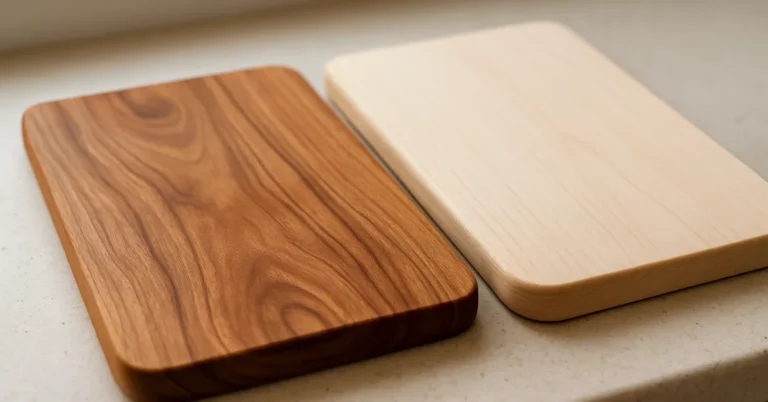
Compared with red oak, a common benchmark hardwood, river birch is lighter in both color and weight, has a much less pronounced grain pattern (no large, open oak pores), and costs less per board foot in most regions. That makes it a reasonable substitute for painted furniture or cabinet interiors where you don’t need oak’s strength or its visible grain, but a poor substitute anywhere the extra hardness actually matters, such as stair treads or dining tables that see heavy daily use. If you’re weighing ordinary birch against river birch specifically, see this detailed look at birch hardness for how the species compare side by side.
Frequently Asked Questions
Is river birch considered a hardwood or a softwood?
River birch (Betula nigra) is a true hardwood. It is a deciduous, broadleaf tree in the birch family (Betulaceae), and that botanical classification, not wood density, is what makes a species a hardwood. There is no official “soft hardwood” category; that phrase is just a plain-English way people describe river birch’s relatively low Janka hardness compared to woods like oak or maple.
What is the real Janka hardness of river birch?
According to The Wood Database, river birch has a Janka hardness rating of about 970 lbf. That is softer than yellow birch (1,260 lbf) and sweet birch (1,470 lbf), but harder than paper birch (910 lbf) and well above true softwoods like southern yellow pine (about 690 lbf).
Can you use river birch wood outdoors?
Not for exposed or ground-contact use. Birch species, including river birch, are rated as perishable and decay readily when exposed to weather, and they are also susceptible to insect attack. For decks, fences, or other outdoor applications, choose a naturally decay-resistant wood like cedar or redwood, or a pressure-treated lumber, instead of river birch.
Is river birch good for furniture or cabinetry?
Yes, for indoor use. River birch works well for furniture, cabinetry, interior flooring, turning projects, and plywood or veneer core stock. It generally machines, glues, and finishes well, though boards with wild or irregular grain can tear out during machining, so lighter cuts and sharp tools help.
How does river birch compare to red oak or hard maple?
River birch is noticeably softer than both. Red oak rates around 1,290 lbf and hard maple around 1,450 lbf on the Janka scale, compared to river birch’s roughly 970 lbf. Oak and maple hold up better to heavy daily wear, so they remain the more common choice for flooring and high-traffic furniture, while river birch is better suited to lighter-duty furniture, cabinetry, and craft work.
Sponsored / affiliate links. As an Amazon Associate I earn from qualifying purchases. I may earn additional commission from eligible campaigns.
 Baltic Birch Plywood 1/8'' x 12'' x 18'', 6 Pack, B/BB Grade, Void-Free Core, Laser Cutting Ready, Flat Sheets for CNC, Engraving, DIY Crafts, Art Painting, Wood Burning, Staining
 Baltic Birch Plywood Sheets Box of 45 - Laser Engraving Cutting, Scroll Saw Nature Veneer Color, Stronger Than Basswood, A/A Grade,12 x 12 x 1/8”, 3mm Thickness Perfect for Wood Burning