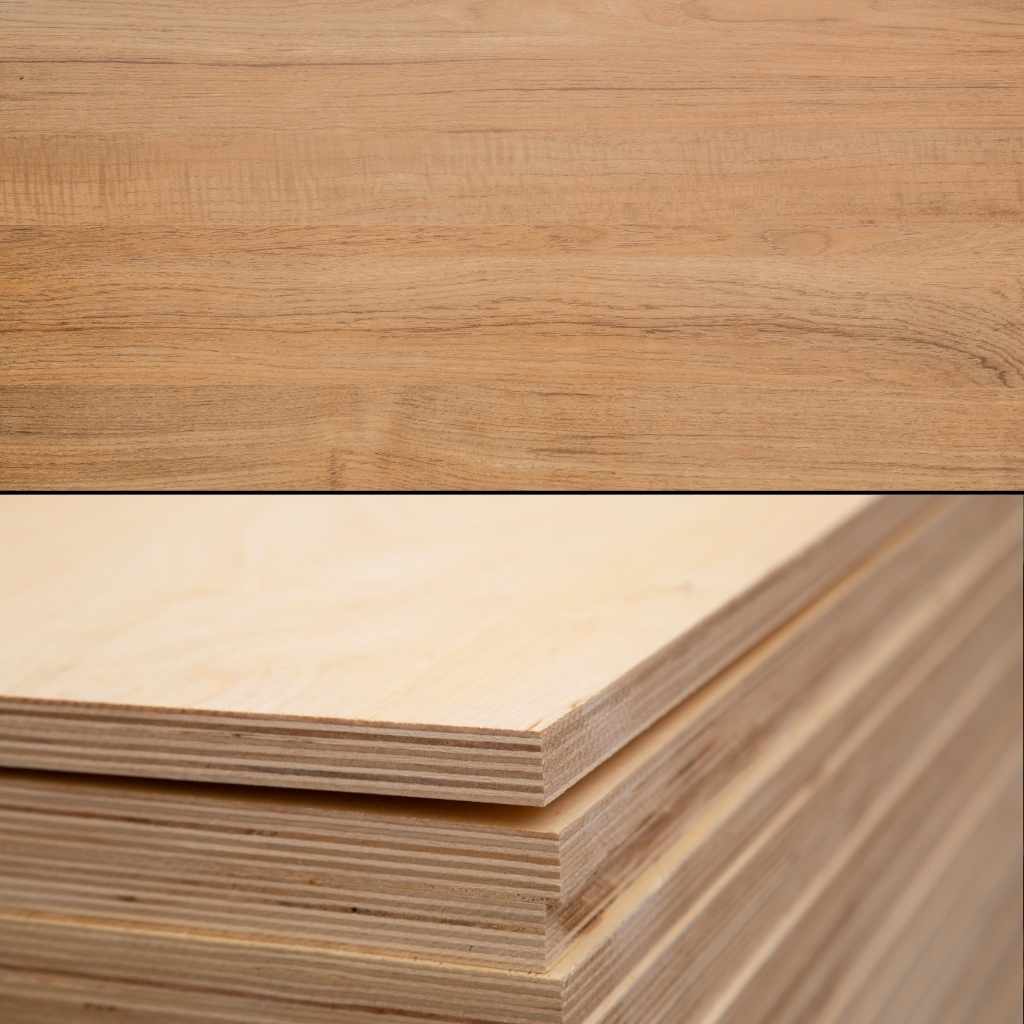
Birch Plywood Vs Oak Plywood: Ultimate Durability Showdown
When choosing plywood for your project, you might wonder which option is better: birch plywood or oak plywood. Both have unique qualities that can impact your work’s look, strength, and cost.
But how do you decide which one fits your needs perfectly? You’ll discover the key differences between birch and oak plywood. By the end, you’ll feel confident making the right choice for your next build or renovation. Keep reading to find out which plywood matches your style, budget, and durability requirements.
Material Composition
Understanding the material composition of plywood helps in choosing the right type for your project. Birch plywood and oak plywood differ in their layers and structure. These differences affect strength, appearance, and cost.
Birch Plywood Layers
Birch plywood is made from thin layers of birch wood. These layers are glued together with the grain running in alternate directions. This cross-grain pattern adds strength and stability. Birch layers are smooth and light-colored. They create a clean, uniform surface. Birch plywood is often used for furniture and interior design. The layers are tightly bonded, making the plywood durable and resistant to warping.
Oak Plywood Structure
Oak plywood consists of oak wood veneers on the outside. The core layers may be made from other types of wood or hardwood. Oak has a strong, dense grain pattern. This gives oak plywood a distinct texture and rich color. Its structure provides excellent durability and resistance to wear. Oak plywood is heavier than birch plywood. It is commonly used for flooring, cabinetry, and high-end furniture. The oak layers enhance both strength and aesthetic appeal.
Strength And Durability
Strength and durability are key factors in choosing between birch plywood and oak plywood. Both types offer solid support and last long. Understanding their differences helps make the best choice for your project.
Load-bearing Capacity
Oak plywood has a higher load-bearing capacity than birch plywood. This means oak can hold heavier weights without bending or breaking. Birch plywood is strong but suits lighter loads. For furniture or structures needing strong support, oak is often preferred.
Resistance To Wear And Tear
Oak plywood resists scratches and dents better than birch plywood. Its dense grain protects against daily damage. Birch plywood can wear down faster in rough use. For surfaces exposed to heavy use, oak offers longer-lasting durability and keeps its look.
Moisture Resistance
Moisture resistance is key when choosing plywood for many projects. Wood can absorb water and swell, causing damage over time. Some plywood types handle moisture better than others. This affects their durability and use in damp areas. Understanding how birch and oak plywood resist moisture helps pick the right material.
Birch Plywood Performance
Birch plywood has good moisture resistance. Its tight grain structure limits water absorption. It holds up well in areas with mild humidity. Birch plywood resists warping and swelling better than many softwoods. However, it is not fully waterproof. Prolonged exposure to water can still cause damage. It works well for indoor projects with some moisture exposure.
Oak Plywood Performance
Oak plywood offers strong moisture resistance. The dense grain of oak helps block water entry. It is more durable in humid or damp conditions. Oak plywood resists rot and decay better than birch. It is often used in places with high moisture, such as kitchens or bathrooms. Still, oak plywood needs sealing for best moisture protection.
Appearance And Finish
The look of plywood affects the style of any project. Birch plywood and oak plywood each have unique appearances. These differences influence which wood suits your design best.
Grain Patterns
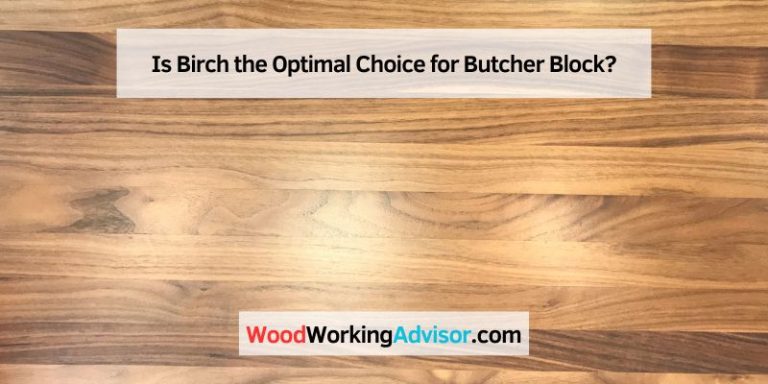
Birch plywood has a smooth, fine grain. It shows a consistent pattern with few knots. This makes it ideal for modern, clean designs. Oak plywood has a more pronounced grain. It often features bold lines and natural swirls. This gives oak a rustic, classic look that stands out.
Color And Texture
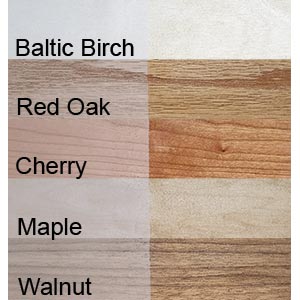
Birch plywood tends to be light with a pale cream color. Its texture feels even and soft to touch. Oak plywood has a warmer tone, ranging from light brown to reddish hues. The texture is coarser and more textured than birch. These color and texture differences create distinct moods in spaces.
Workability And Installation
Workability and installation play a big role in choosing plywood for projects. Birch plywood and oak plywood both have strong qualities. They differ in how easy they are to cut, shape, fasten, and join. Knowing these differences helps to pick the right plywood for your needs.
Ease Of Cutting And Shaping
Birch plywood cuts smoothly with most tools. It has a fine grain that reduces splintering. This makes it great for precise cuts and detailed shapes. Oak plywood is harder and denser. It needs sharper blades and slower cuts to avoid damage. Shaping oak plywood can take more time and effort. Birch plywood suits projects needing quick and clean cuts better.
Fastening And Joining
Birch plywood holds nails and screws firmly. It resists splitting better than oak plywood. Gluing birch plywood also works well due to its smooth surface. Oak plywood, being harder, may require pre-drilling before fastening. Its strength provides a solid hold once joined. Oak plywood excels in heavy-duty or structural applications where strong joints matter most.
Cost Comparison
Cost plays a big role in choosing between birch plywood and oak plywood. Understanding the price differences helps you decide which fits your budget. Let’s break down the costs to see what you get for your money.
Both types have different price points and value over time. Knowing these details can save money and avoid surprises later.
Price Per Sheet
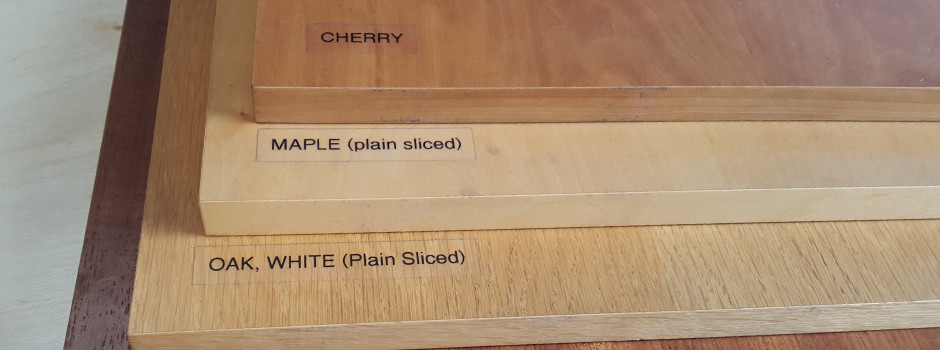
Birch plywood usually costs less per sheet than oak plywood. Birch offers good quality at a lower price. Oak plywood is more expensive because it is harder and more durable. The price gap can be 20% to 50%, depending on thickness and grade. For small projects, birch is easier on the wallet.
Oak sheets often appeal to those wanting a premium look and strength. If budget is tight, birch plywood gives solid performance for less money.
Long-term Value
Oak plywood lasts longer and resists damage better than birch. This means fewer repairs or replacements over time. Oak’s durability can justify its higher initial cost. Birch plywood may wear out faster but is easier to replace.
Consider your project’s lifespan. Oak is good for furniture that needs to last many years. Birch fits projects with shorter use or lower stress. Long-term value depends on how much you want to invest upfront versus maintenance later.
Common Applications
Birch plywood and oak plywood serve many purposes in various projects. Both types have unique strengths that suit different needs. Understanding their common applications helps in choosing the right plywood for your task.
Furniture Making
Birch plywood is popular for making furniture due to its smooth surface. It paints and stains well, creating a clean look. Oak plywood offers a strong, durable option for furniture that lasts long. Its natural grain adds a classic style to tables and cabinets.
Construction Uses
In construction, birch plywood is valued for its stability and resistance to warping. Builders use it in flooring, walls, and roofing. Oak plywood is tougher and handles heavy loads better. It is often chosen for structural supports and beams.
Decorative Projects
Birch plywood works well for decorative projects because it has a fine texture. It is easy to cut into shapes and designs. Oak plywood gives a rich, warm look to decorative panels and wall art. Its unique grain patterns add character to any piece.
Environmental Impact
The environmental impact of plywood depends on the wood source and production methods. Choosing eco-friendly plywood helps protect forests and reduce pollution. Both birch and oak plywood have different effects on nature. Understanding their sustainability can guide better choices.
Sustainability Of Birch
Birch trees grow quickly compared to many hardwoods. This fast growth means birch forests can recover faster after harvesting. Birch plywood often uses wood from managed forests. These forests follow rules to keep trees healthy and soil safe. Using birch plywood can lower the risk of deforestation. The production process of birch plywood usually uses less energy. This helps reduce carbon emissions. Birch plywood also lasts long, which means less frequent replacement.
Sustainability Of Oak
Oak trees grow slower than birch, taking more years to mature. Slow growth means oak forests need more protection. Oak plywood often comes from old forests or slow-growing plantations. This can lead to more environmental stress. Oak wood is strong and durable, lasting many years. Using oak plywood means fewer replacements and less waste. The energy used to produce oak plywood is higher than birch. Oak harvesting requires careful forest management to avoid damage. Choosing oak plywood from certified forests supports sustainability efforts.

Frequently Asked Questions
What Are The Main Differences Between Birch And Oak Plywood?
Birch plywood is lighter with a smooth finish, ideal for painting. Oak plywood is denser, heavier, and has a prominent grain, great for visible woodwork and durability.
Which Plywood Is More Durable, Birch Or Oak?
Oak plywood is generally more durable due to its dense wood fibers. Birch plywood is strong but less resistant to wear and impact compared to oak.
Is Birch Plywood Better For Furniture Than Oak Plywood?
Birch plywood is preferred for painted furniture due to its smooth surface. Oak plywood suits furniture needing a natural wood look and higher durability.
How Does The Cost Of Birch Plywood Compare To Oak Plywood?
Birch plywood is usually more affordable than oak plywood. Oak’s higher cost reflects its durability and appealing natural grain patterns.
Conclusion
Birch plywood offers strength and smooth finish for many projects. Oak plywood stands out with its rich color and durability. Both types serve different needs and styles well. Choose birch for a clean, modern look. Pick oak for a warm, classic feel.
Knowing these differences helps you pick the right wood. Think about your project’s use and appearance. This way, your work looks great and lasts long. Simple choices lead to better results every time.