Birch vs Pine: Hardness, Cost, and Which One to Use
Birch is the harder, smoother, more expensive wood; pine is softer, cheaper, and more forgiving to work with by hand. That one-line answer is accurate, but it skips the details that actually determine whether you should reach for birch plywood or a stack of pine boards for your next build.
Below we’ll cover the actual hardness numbers (not just “harder” and “softer”), how to spot a common plywood substitution that gets sold as real Baltic birch, and why one of these two woods needs a pre-stain step the other doesn’t.
Birch vs. Pine at a Glance
Best Fix For Pine’s Blotchy Staining
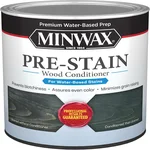 |
Minwax Water-Based Pre-Stain Wood Conditioner, 1 Quart – $18.48 Pine’s uneven density makes it soak up stain in blotchy patches; this conditioner evens out absorption before you ever open the stain can.
|
Birch is a genuine hardwood (a broadleaf, deciduous species), while pine is a softwood (a conifer) – a distinction that’s actually about the tree’s reproductive structure, not how hard the wood feels. In this case, though, the labels line up with reality. Yellow birch sits around 1,260 lbf on the Janka hardness scale, the industry test for dent and wear resistance. Pine varies more by species: eastern white pine measures roughly 380 lbf, ponderosa pine about 460 lbf, and denser southern yellow pine can reach 690 lbf. Even the toughest common pine is still noticeably softer than birch.
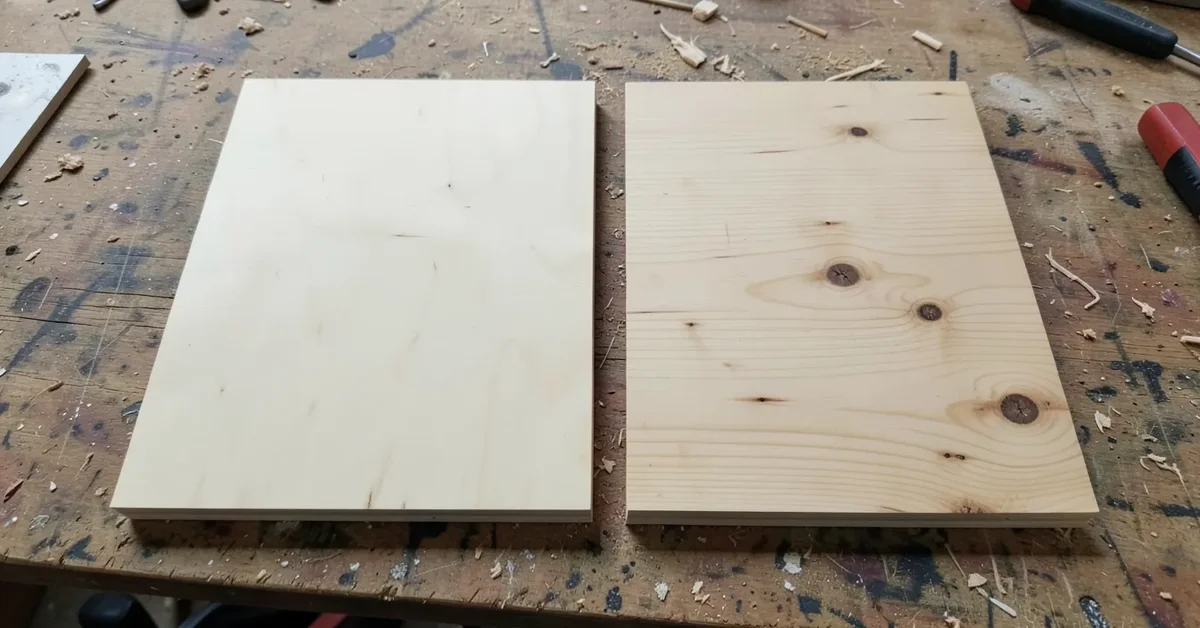
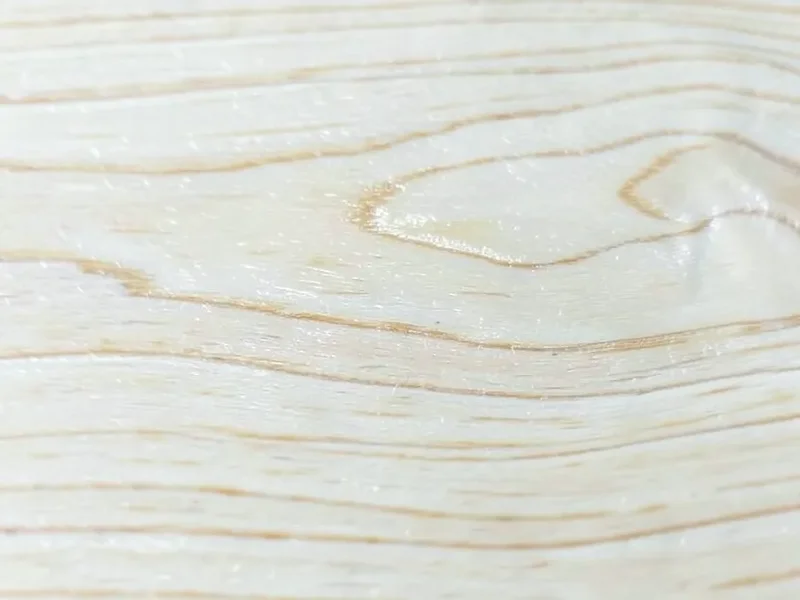
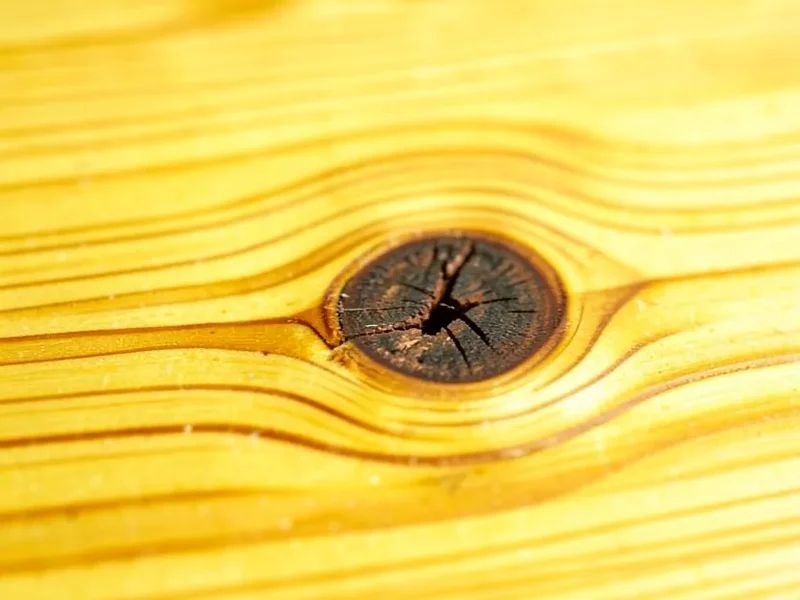
Color tells a similar story. Birch runs pale white to light cream with an occasional reddish streak, and it has a fine, straight-to-wavy grain that takes a smooth, almost polished sanded finish. Pine ranges from pale yellow to amber, usually with visible dark knots, and its grain is more pronounced and rustic-looking.
The Baltic Birch Substitution Nobody Warns You About
If you’re buying birch plywood rather than solid birch lumber, there’s a distinction worth knowing before you pay for it. Genuine Baltic birch plywood is made entirely of thin birch veneers, void-free, all the way through the panel, which is why its edge shows uniform, tightly stacked layers when you look at a cut edge. That construction is what gives it a reputation for holding screws well and machining cleanly for jigs, cabinetry, and shop fixtures.
A lot of plywood labeled simply “birch” at home centers is different: it has a birch face veneer on a core built from cheaper, faster-growing softwood, often pine or poplar layers. It looks like birch on the surface, but the edge tells the real story, showing lighter, less uniform layers instead of the consistent birch-brown edge you’d see on true Baltic birch. This core-substitution plywood is lighter and less expensive, but it holds screws less securely near the edges and is more prone to voids inside the panel. For anything load-bearing or precision-critical, like jig components or drawer boxes, it’s worth checking the edge grain before you commit to a sheet.
Which Cuts, Drills, and Sands Easier
Pine’s lower density means it cuts and drills with noticeably less resistance and less strain on underpowered tools, which is part of why it’s the go-to for beginners and jigs meant to be cut apart quickly. The trade-off is tear-out: pine’s softer early-wood fibers can splinter or blow out around the exit side of a drilled hole or a crosscut unless you back the cut with scrap wood or use a sharp brad-point bit. Pine near an edge or corner also splits more easily if you drive a screw without a pilot hole first.
Birch requires more effort and a sharper blade or bit to cut cleanly, since the denser fibers resist and can dull edges faster over a long project. What you get in exchange is a cleaner cut and hole with far less tear-out, plus noticeably better screw-holding strength since the denser fibers grip threads harder. Birch also sands to a smoother, more polished surface with less effort per grit than pine, which tends to fuzz slightly even after sanding.
Staining and Finishing Differences
This is where the two woods diverge the most. Birch’s tight, even grain absorbs stain consistently, so it takes color predictably and can convincingly mimic pricier hardwoods like cherry or walnut when stained darker. It’s also a common choice for painting, since its smooth surface doesn’t telegraph grain texture through paint the way pine’s does.
Pine is the wood that actually needs the pre-stain step. Its density varies a lot between the softer early-wood and the harder late-wood bands in the same board, so raw pine soaks up oil-based stain unevenly and produces the blotchy, splotchy look many people associate with “cheap-looking” stained pine furniture. A pre-stain wood conditioner, applied and given time to soak in before staining, evens out that absorption and is genuinely the difference between a muddy result and a clean one on pine, alder, or other porous softwoods.
Strength, Durability, and Where Each One Belongs
- Birch: furniture, cabinetry, plywood for jigs and shop fixtures, drawer boxes, and any indoor project where dent resistance and a fine finish matter more than cost.
- Pine: framing lumber, shelving, beginner furniture builds, painted trim, and any project where the softer surface and visible knots are either acceptable or part of the intended rustic look.
Neither wood is a strong choice for direct outdoor exposure without a real weatherproofing finish; birch in particular has only modest natural decay resistance and isn’t recommended for uncovered outdoor use, while pressure-treated pine is the version actually rated for ground contact and outdoor framing.
Cost and Availability
Pine is one of the most widely available and least expensive woods in North American lumber yards, largely because it grows fast and is farmed in managed softwood plantations across the South and Pacific Northwest. Birch costs more, both as solid lumber and as plywood, reflecting slower growth and a smaller regional supply concentrated in the northern U.S. and Canada. Baltic birch plywood specifically carries a further premium over both domestic birch plywood and pine, since it’s typically imported and built to a tighter void-free standard.
Frequently Asked Questions
Is pine or birch wood better?
Neither is universally better. Birch is harder, finishes smoother, and holds screws better, making it better for furniture and cabinetry. Pine is cheaper, easier to cut, and better suited to framing, shelving, and budget or beginner projects.
Are pine wood blocks easier to drill into than birch?
Yes, pine drills faster and with less resistance because it’s much less dense. The trade-off is more tear-out around the exit hole, so back the workpiece with scrap wood or use a sharp brad-point bit to keep the hole clean.
What are the disadvantages of birch wood?
Birch costs more than pine, is harder on tools and blades, and has only modest resistance to moisture and outdoor decay compared to true rot-resistant hardwoods. Its pale color can also show scratches and stains more visibly over time.
How can you tell real Baltic birch plywood from birch-faced plywood?
Check the cut edge. Genuine Baltic birch shows uniform, tightly stacked birch veneer layers all the way through. Birch-faced plywood with a pine or poplar core shows a lighter, less uniform edge under the birch surface veneer.
Bottom Line
Choose birch when the project needs strength, a fine sanded or stained finish, or reliable screw-holding, such as furniture, cabinetry, or shop jigs built from real Baltic birch plywood. Choose pine when budget and ease of cutting matter more than hardness, such as framing, shelving, or a beginner build, and plan on a pre-stain conditioner if you want a clean, even stained finish rather than the blotchy look raw pine is known for.
Sponsored / affiliate links. As an Amazon Associate I earn from qualifying purchases. I may earn additional commission from eligible campaigns.
 KHBUAB 10pcs Unfinished Pine Wood Boards Rectangle 4x25cm Craft Wood Blocks for Photo Backdrop Portable Wooden Planks for DIY Shelves and Crafts
 LISHINE 8 Pack 12 x 12 x 1/4 Inch Baltic Birch Plywood 6mm Wood Sheet, Baltic Birch Sheets for Cricut Maker, Architectural Models, Drawing Painting, Wood Burning Laser