Birch Wood Characteristics: Strength & Uses
Learning about Birch Wood Characteristics: Strength & Uses might seem a bit tricky when you first start out. There’s a lot to cover, and it’s easy to get lost in all the details. But don’t worry!
We’re going to break it all down in a super simple way, step by step. We’ll cover everything you need to know about this amazing wood, from what makes it strong to all the cool things you can build with it. Let’s get started!
Exploring Birch Wood Characteristics Strength and Uses
This section looks at the main traits that make birch wood useful. We’ll talk about how it feels and how it holds up over time. Birch is a popular choice for many projects because of its good qualities.
Understanding these details helps you pick the right wood for what you want to make.
General Birch Wood Properties
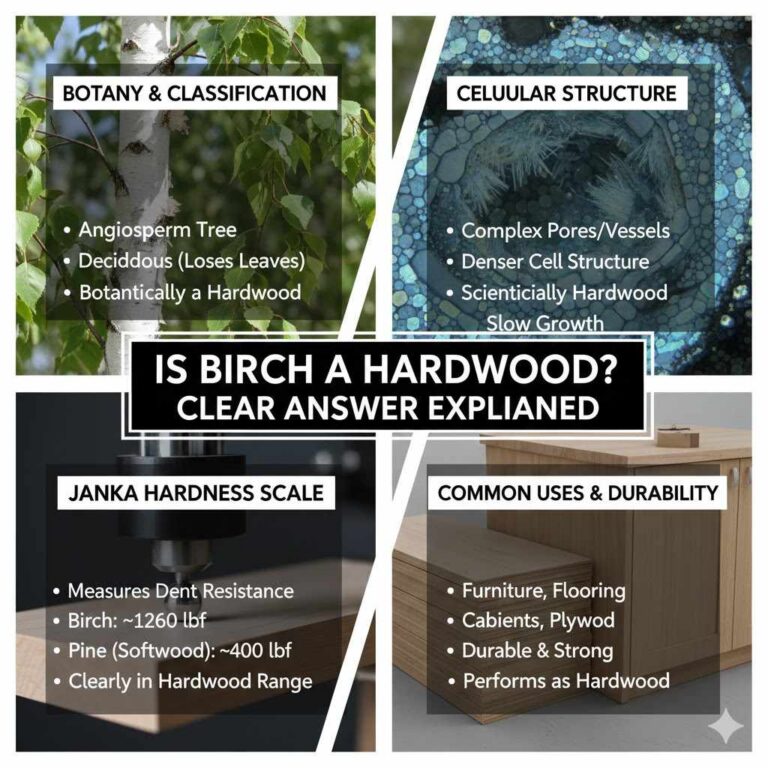
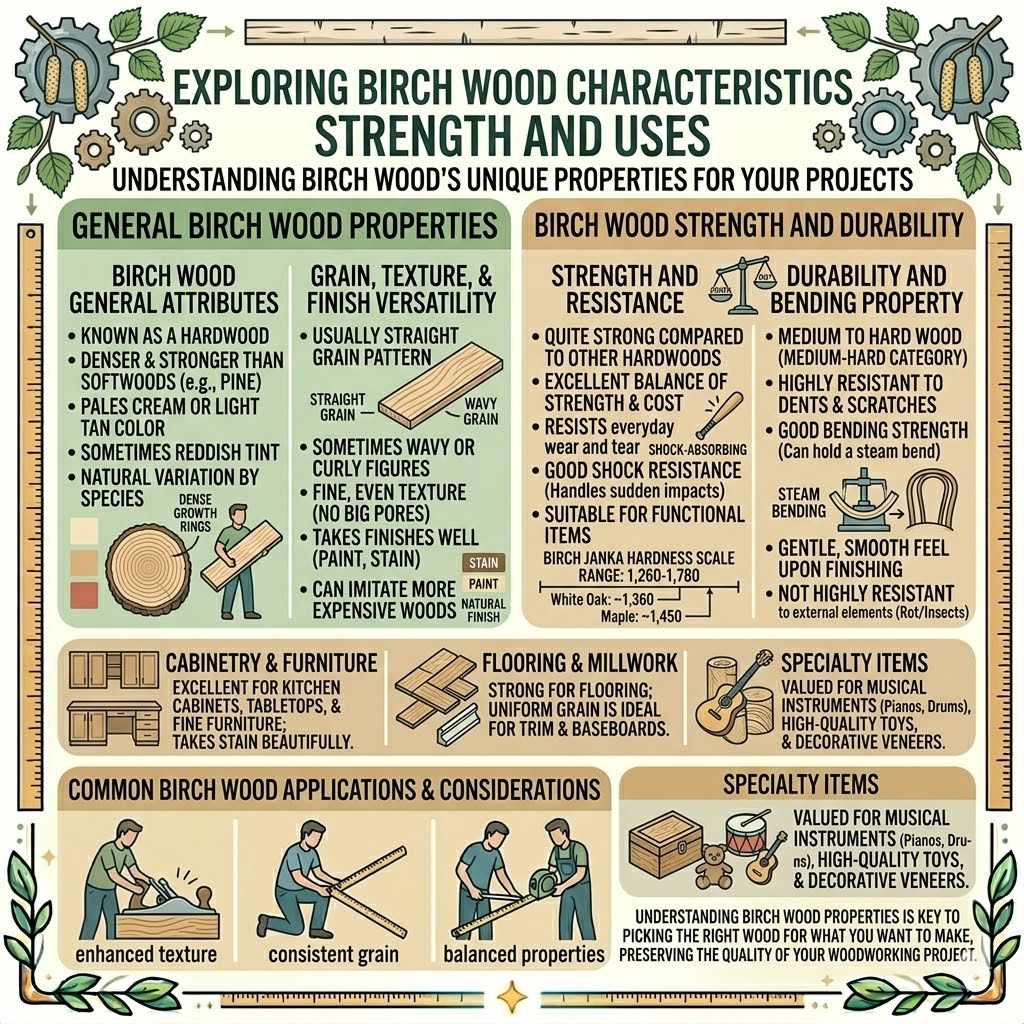
Birch wood comes from birch trees, which grow in many parts of the world. It’s known for being a hardwood. This means it’s denser and stronger than softwoods like pine.
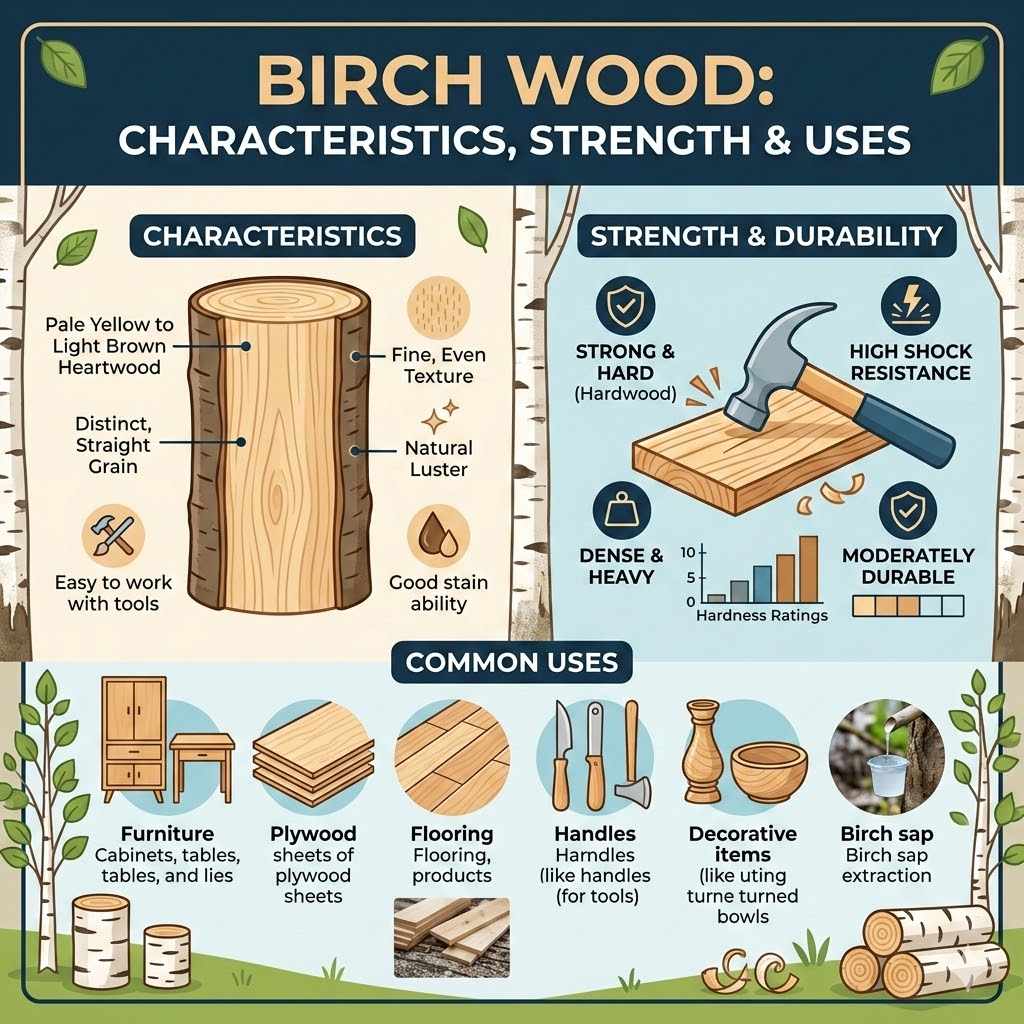
The color of birch can vary. It’s often a pale cream or light tan. Sometimes you might see a reddish tint.
This makes it look nice in furniture and other items.
The grain of birch is usually straight. It can sometimes have wavy patterns. This straight grain makes it easier to work with.
It also gives a smooth finish when sanded. Birch wood is also known for its fine, even texture. This means you don’t see big, open pores like you might in some other woods.
This fine texture is one of the key Birch Wood Characteristics: Strength & Uses.
One of the good things about birch is that it takes finishes well. You can paint it or stain it. The smooth surface helps paint go on evenly.
Stains can give it a richer color. This versatility is a big reason why people choose birch. It can look like other, more expensive woods with the right stain.
- Color Variation: Birch wood can range from creamy white to light tan. Some varieties may have a reddish or yellowish hue. This color variation is natural and depends on the species of birch and where it grew. For example, yellow birch often has a slightly warmer, more golden tone than paper birch. This visual appeal makes it suitable for decorative items and furniture where aesthetics are important.
- Grain Pattern: The grain of birch is typically straight and uniform. This consistent pattern makes it easy to machine and work with. It also contributes to a smooth, clean appearance when finished. While most birch has a straight grain, some pieces can exhibit attractive wavy or curly figures, which are highly prized for decorative woodworking and veneer.
- Texture: Birch wood has a fine, even texture. This means the wood has a smooth feel and appearance without large, prominent pores. This fine texture is beneficial for woodworking tasks, as it allows for precise cuts and a smooth surface ready for finishing. It also contributes to the overall visual appeal of birch products.
Birch Wood Strength and Durability
When we talk about wood strength, we often look at how much weight it can hold before breaking or bending. Birch wood is quite strong. It ranks well compared to other common hardwoods.
This makes it a good choice for things that need to last. It’s not the absolute strongest wood out there, but it offers a great balance of strength and cost.
The hardness of birch is another important factor. Hardness tells us how well the wood resists dents and scratches. Birch is a medium to hard wood.
This means it can handle everyday wear and tear pretty well. You won’t see dents easily if you bump into it. This durability is a major part of its Birch Wood Characteristics: Strength & Uses.
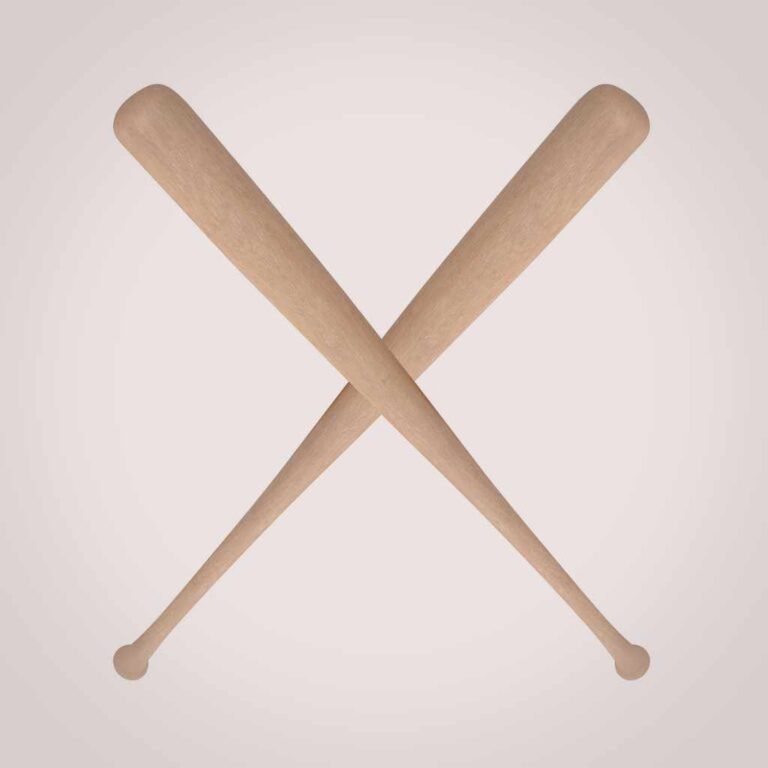
Birch wood also has good shock resistance. This means it can handle sudden impacts without breaking. This is why it’s sometimes used for things like tool handles or even baseball bats.
Its ability to absorb shock without splitting makes it reliable for functional items.
- Janka Hardness Scale: The Janka hardness test measures how much force is needed to embed a steel ball halfway into a piece of wood. Birch wood typically scores between 1,260 and 1,780 on this scale, depending on the specific species. For comparison, white oak is around 1,360 and maple is around 1,450. This places birch in the medium-hard category, offering good resistance to dents and scratches, making it suitable for flooring and tabletops.
- Bending Strength: Birch wood has good bending strength. This means it can be bent into different shapes without snapping. This is useful for creating curved furniture parts or structural elements that need to withstand some flex. Its ability to hold a bend after being steamed is a valuable property for cabinet makers and furniture designers.
- Resistance to Decay: Generally, birch wood is not highly resistant to decay or insects when exposed to the elements. However, when used indoors and properly sealed, it is very durable. For outdoor applications, it would require significant treatment and protective coatings to prevent rot and insect damage. This is why it’s more commonly found in indoor furniture and cabinetry.
Key Birch Wood Characteristics: Strength & Uses in Detail
This main section goes deeper into what makes birch wood stand out. We will explore its specific strengths and how those translate into practical applications. You will learn why birch is a preferred material for various crafting and building needs, from fine furniture to everyday objects.
Machining and Working With Birch
Working with birch wood is generally a pleasant experience for woodworkers. Its straight grain and fine texture make it easy to cut, shape, and sand. Whether you are using hand tools or power tools, birch responds well.
This makes it a forgiving wood for beginners and a pleasure for experienced craftsmen.
When cutting birch, you should expect clean cuts. This is thanks to its uniform structure. Saw blades will glide through it smoothly.
When it comes to shaping, routers and planers also work very effectively on birch. You can achieve smooth curves and flat surfaces with ease. This makes detailed work possible.
Sanding birch wood is also straightforward. Because of its fine grain and lack of large pores, it sands down to a very smooth finish. You can achieve a glass-like surface with minimal effort.
This smooth surface is ideal for applying paint, stain, or clear coats. It really highlights the wood’s natural beauty or prepares it for a vibrant finish.
- Cutting and Sawing: Birch cuts cleanly with both hand saws and power saws. Its density means you might need sharp blades, but it doesn’t tend to splinter or chip excessively. For precise cuts, especially in hardwoods, carbide-tipped blades are recommended. They maintain their sharpness longer and produce cleaner edges, reducing the need for extensive sanding later.
- Shaping and Carving: The fine texture of birch makes it excellent for carving and detailed shaping. Routers can create crisp edges and profiles, while chisels can be used for finer decorative work. Its consistent density ensures that the wood behaves predictably when being worked, whether you are creating simple joinery or intricate decorative elements.
- Sanding for Finish: Birch sands exceptionally smooth. Starting with a coarser grit sandpaper and gradually moving to finer grits (e.g., 80 grit up to 220 grit or higher) will produce a surface ready for any finish. A well-sanded surface is crucial for achieving a professional look, whether you are painting, staining, or applying a clear protective coating.
Finishing and Staining Birch Wood
Applying a finish to birch wood is one of its best features. It readily accepts stains, paints, and clear coats. This adaptability allows you to achieve a wide range of looks.
You can make it look like walnut, cherry, or any other wood you desire. Or, you can simply enhance its natural pale beauty.
When staining birch, it’s good to know that it can sometimes take stain unevenly. This is because its density can vary slightly. To avoid blotchiness, it’s often recommended to use a pre-stain wood conditioner.
This helps the wood absorb the stain more evenly. After conditioning, you can apply your chosen stain for a more uniform color.
Painting birch is also very successful. The smooth, fine texture provides an excellent base for paint. You’ll get a smooth, professional finish with minimal effort.
A good primer will help the paint adhere well. Then, you can apply your chosen paint colors for a striking look. This makes birch a great choice for painted furniture and cabinets.
- Pre-Stain Treatment: For stain applications, using a pre-stain wood conditioner is highly recommended. This product penetrates the wood fibers and evens out the porosity, preventing blotchy or uneven stain absorption. Applying the conditioner about 15-30 minutes before the stain ensures a more consistent and predictable color outcome.
- Stain Penetration: Birch can absorb stain differently depending on the type of stain used (oil-based, water-based, gel). Gel stains often provide more uniform coverage on less porous woods like birch. Experimenting with a scrap piece of birch is always a good idea to see how your chosen stain looks and behaves before applying it to your main project.
- Paint Adhesion: Birch wood’s fine, non-porous surface makes it an ideal candidate for painting. A good quality primer, such as an oil-based or shellac-based primer, will create an excellent bond for your topcoat. This ensures the paint is durable and resists chipping or peeling over time, contributing to the longevity of the finished product.
Common Uses for Birch Wood
Birch wood is incredibly versatile. Its combination of strength, workability, and appearance makes it suitable for many things. You’ll find it used in furniture, cabinetry, flooring, and even musical instruments.
Its ability to be finished in many ways adds to its popularity.
In furniture making, birch is a popular choice. It’s used for tables, chairs, dressers, and bed frames. Its strength means these pieces will last.
Its ability to take stains or paint means you can match it to any decor. You can have a modern look or a classic one.
Cabinetry is another major area where birch shines. Kitchen cabinets and bathroom vanities made from birch are common. The smooth surface is perfect for painted finishes.
It can also be stained to mimic more expensive woods like cherry or maple. Its durability is important in high-traffic areas like kitchens.
Flooring made from birch is also a good option. It’s hard enough to withstand foot traffic. Its attractive grain patterns can add beauty to any room.
When finished properly, birch floors can be very durable and beautiful.
- Furniture Making: Birch is a staple in furniture production, from economical flat-pack items to high-end custom pieces. Its balance of strength, workability, and aesthetic appeal makes it ideal for building sturdy tables, chairs, bed frames, and storage units. Its consistent grain also allows for beautiful veneering on curved or complex surfaces.
- Cabinetry and Millwork: Birch plywood is widely used for cabinet boxes, drawer sides, and shelving due to its stability and strength. Solid birch is also frequently used for cabinet doors and drawer fronts, especially when a painted finish is desired. Its fine texture allows for smooth painting and the application of decorative profiles.
- Musical Instruments: Certain types of birch are used in the construction of musical instruments. For instance, birch plywood is often used for drum shells because of its resonant qualities and strength. Some higher-end guitars and basses also feature birch necks or bodies, valued for their tonal properties and stability.
- Veneers and Plywood: Birch is commonly manufactured into veneers for decorative surfaces and plywood for structural applications. Birch plywood is known for its strength, stability, and smooth face, making it suitable for furniture, cabinetry, and even construction purposes. Birch veneers can be applied to less stable core materials to create the appearance of solid birch.
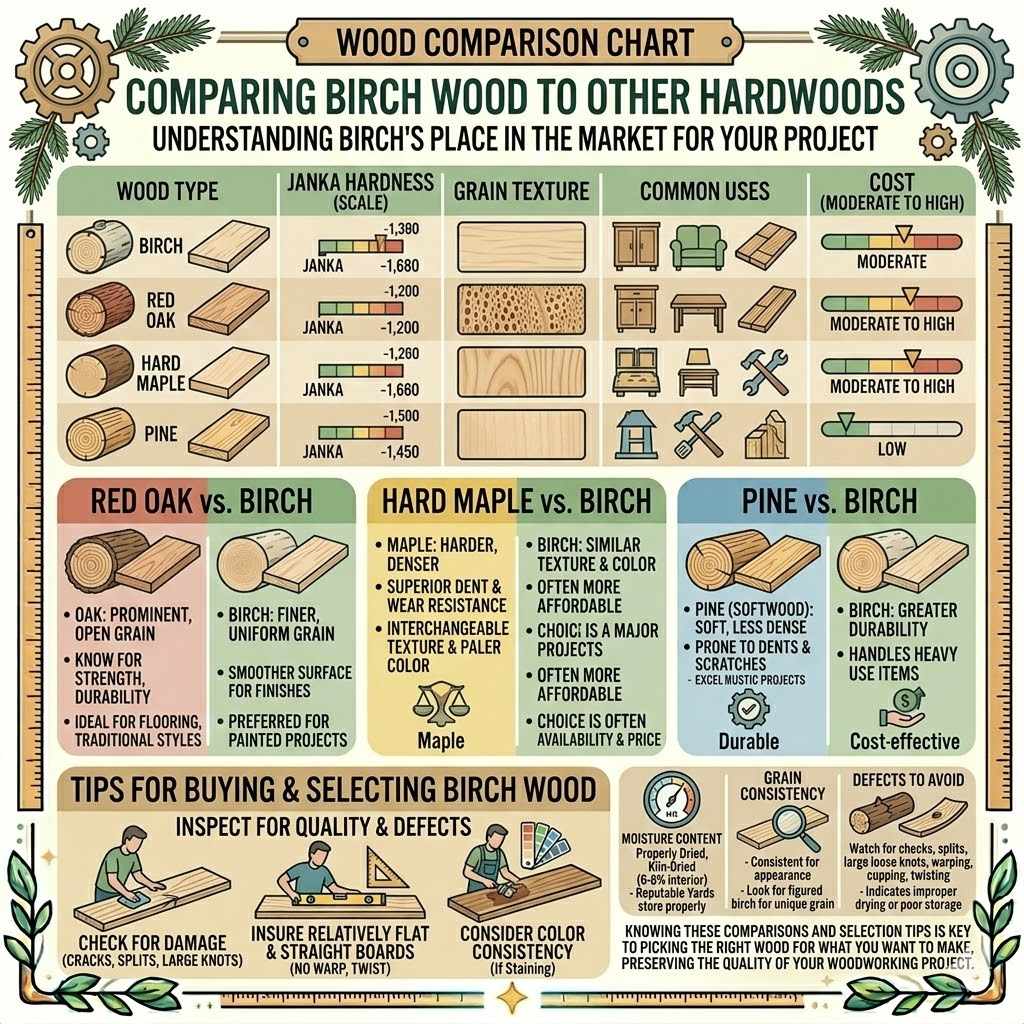
Comparing Birch Wood to Other Hardwoods
It’s helpful to see how birch stacks up against other common woods. This comparison helps you understand its place in the market. You can see why it might be chosen over other options for certain projects.
Each wood has its own strengths and weaknesses.
Let’s compare birch to oak. Oak is known for its very prominent grain pattern, often with open pores. Birch has a much finer, more subtle grain and closed pores.
Oak is generally a bit harder and heavier than birch. However, birch often takes paint and stain more smoothly. For painted cabinets, birch is often preferred.
For a natural wood look with a strong grain, oak is a common choice.
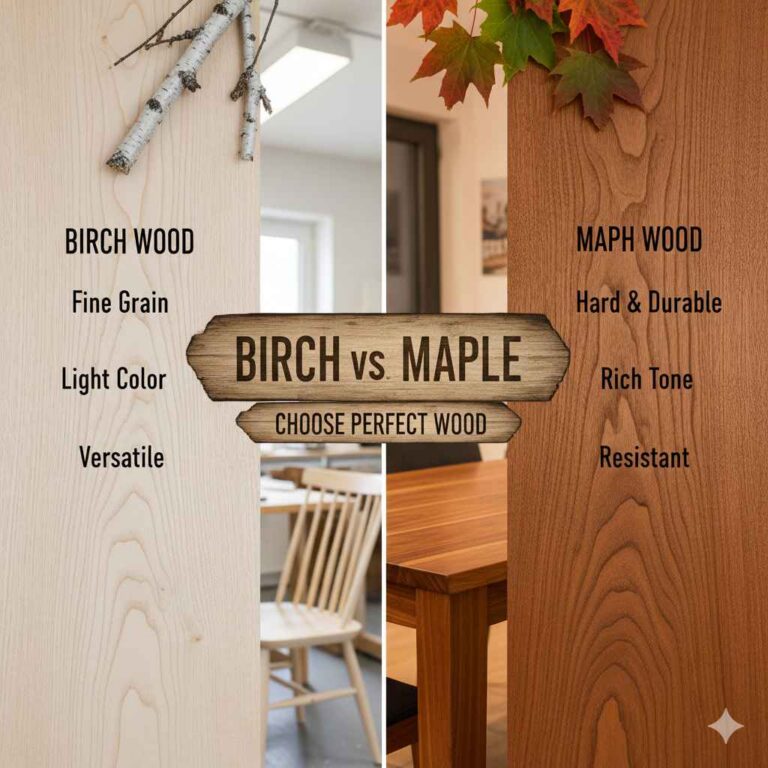
Another comparison is with maple. Birch and maple are quite similar in many ways. Both are hardwoods with fine, even textures and pale colors.
Maple is generally a bit harder and denser than birch. This can make maple slightly more resistant to dents and scratches. However, birch is often more affordable than maple.
Both are excellent choices for furniture and cabinetry.
| Wood Type | Hardness (Janka) | Grain Texture | Common Uses | Cost |
|---|---|---|---|---|
| Birch | 1260-1780 | Fine, even | Furniture, Cabinets, Plywood | Moderate |
| Oak (Red) | 1360 | Prominent, open pores | Flooring, Furniture, Cabinets | Moderate to High |
| Maple (Hard) | 1450 | Fine, even | Furniture, Flooring, Cabinets, Butcher Blocks | Moderate to High |
| Pine (Softwood) | 390-870 | Varies, often knots | Construction, DIY Projects, Rustic Furniture | Low |
- Oak vs. Birch: While both are hardwoods, oak features a more pronounced, open grain and is known for its strength and durability, especially red oak. Birch, with its finer, more uniform grain, offers a smoother surface for finishes, making it ideal for painted projects or a more modern aesthetic. Oak is often favored for flooring and more traditional furniture styles.
- Maple vs. Birch: Hard maple is often considered slightly harder and denser than birch, offering superior resistance to dents and wear. Both woods have very similar fine textures and pale colors, making them interchangeable for many applications like fine furniture and high-quality cabinetry. The choice between them often comes down to slight differences in availability and price.
- Pine vs. Birch: Pine, being a softwood, is significantly softer, less dense, and more prone to dents and scratches than birch. It’s also typically less expensive. Pine is excellent for DIY projects where cost is a major factor, or for rustic furniture where its knots and softer nature are part of the appeal. Birch offers much greater durability for items that see heavy use.
Tips for Buying and Selecting Birch Wood
When you are looking to buy birch wood, there are a few things to keep in mind. You want to get good quality wood that will work well for your project. Looking at the grain and checking for defects is important.
First, inspect the boards for any signs of damage. Look for cracks, splits, or large knots that might weaken the wood. Small, sound knots are usually fine and can add character, but large, loose ones should be avoided.
Also, check if the wood is warped or twisted. Good quality wood should be relatively flat and straight.
Consider the color you want. As mentioned, birch can have variations. If you are planning to stain it, try to find boards with similar color tones if possible.
If you are painting, color is less of a concern. For veneers, uniformity is often very important.
- Moisture Content: Ensure the wood you purchase has been properly dried and has a stable moisture content, typically between 6-8% for interior use. Wood with too much moisture can warp or crack as it dries in your workshop or home. Reputable lumber yards will store and sell kiln-dried wood.
- Grain Consistency: For projects where appearance is key, like furniture or cabinetry, look for boards with consistent grain patterns. If you want a more dramatic or unique look, seek out figured birch, which may have curly or wavy grain patterns. Always inspect a sample if possible, or ask the supplier about the typical grain you can expect.
- Defects to Avoid: Be watchful for checks (cracks that run along the grain), splits (cracks that go through the wood), and large, loose knots. Small, tight knots are usually acceptable and can even enhance the wood’s character. Warping, cupping, and twisting indicate the wood has not been dried properly or has been stored poorly.
Frequently Asked Questions
Question: Is birch wood good for outdoor furniture
Answer: Birch wood is not typically recommended for outdoor furniture. It is not naturally resistant to moisture, rot, or insects. If used outdoors, it would require extensive protective treatments and regular maintenance to prevent deterioration.
Question: How does birch wood compare to pine for strength
Answer: Birch is significantly stronger and harder than pine. Pine is a softwood and is more prone to dents and scratches, while birch is a hardwood that holds up much better to wear and tear.
Question: Can I easily stain birch wood to look like cherry
Answer: Yes, birch wood can be stained to mimic the color of cherry or other hardwoods. However, it’s often best to use a pre-stain wood conditioner to ensure the stain applies evenly and to avoid blotchiness.
Question: Is birch wood expensive
Answer: Birch wood is generally considered moderately priced among hardwoods. It is typically more affordable than woods like walnut or mahogany but more expensive than softwoods like pine.
Question: What is the best finish for birch wood
Answer: The best finish depends on your desired look. For a natural look, a clear protective finish like polyurethane or varnish works well. For painted projects, a good primer followed by your chosen paint provides a smooth, durable surface.
Stains can be used to achieve various wood tones.
Summary
Birch wood offers a great combination of strength, fine texture, and workability. Its pale color and straight grain make it versatile for many projects. It holds finishes well, whether you want to paint or stain it.
Birch is a reliable choice for furniture, cabinets, and more, providing durability at a moderate price point.