Black Fungus vs Wood Ear: Differences, Uses, and Safety
Many people get confused when they see different types of mushrooms in the market, especially when they have similar names. It’s easy to wonder if black fungus and wood ear are the same thing. This Black Fungus vs Wood Ear: Differences, Uses, and Safety topic can seem tricky at first.
But don’t worry, we’ll break it down in a really simple way so you can easily tell them apart and know how to use them safely. Get ready to learn the straightforward facts that will clear up all your questions.
Black Fungus Versus Wood Ear Understanding the Names
When you go to the grocery store or a specialty market, you might see mushrooms labeled “black fungus” or “wood ear.” Sometimes, these names are used interchangeably, which is where the confusion starts. But in reality, they are very closely related, and often, the mushroom people refer to as “black fungus” is indeed the dried form of the “wood ear” mushroom. Let’s explore why this happens and what it means for you.
What is Wood Ear Mushroom?
The wood ear mushroom, scientifically known as Auricularia auricula-judae, is a type of edible fungus. It’s native to Europe and Asia. What makes it stand out is its unique shape.
It looks a lot like a floppy, dark-colored ear, which is how it got its common name. These mushrooms grow on dead or dying wood, especially elder trees. They are often found after rain.
In their fresh state, wood ear mushrooms are soft and jelly-like. They don’t have a strong taste or smell on their own. This makes them a fantastic ingredient for absorbing flavors from other foods and sauces.
Their texture is what makes them so popular in cooking.
What is Black Fungus?
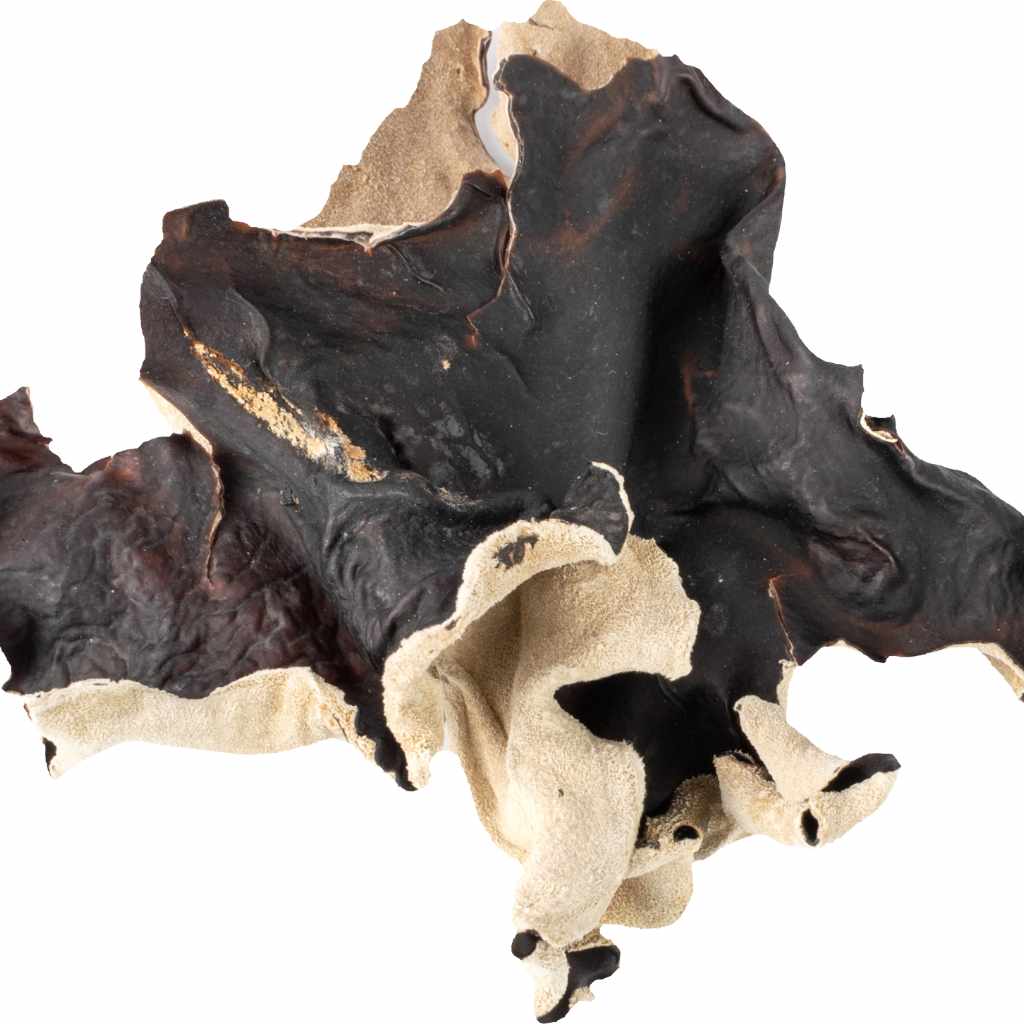
The term “black fungus” most commonly refers to the dried form of the wood ear mushroom. When wood ear mushrooms are harvested, they are often dehydrated to preserve them. This drying process causes them to shrink, become darker, and develop a more brittle texture.
They are usually sold in this dried state.
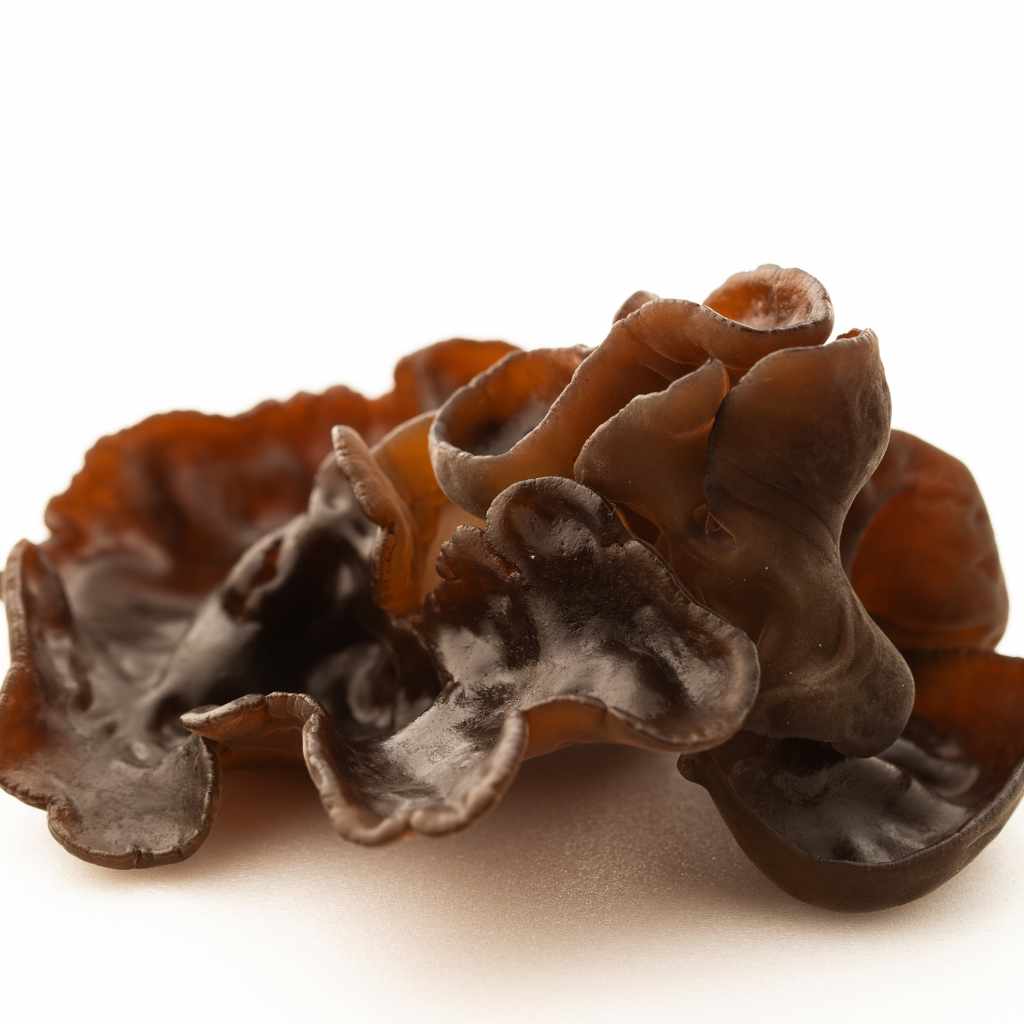
Before you can cook with dried wood ear mushrooms, they need to be rehydrated. You simply soak them in warm water for about 20 to 30 minutes. Once rehydrated, they swell up and regain a texture similar to their fresh state, though they might be a bit chewier.
The color also deepens, appearing very dark, almost black, which is why they are called “black fungus” in this form.
So, in essence, when you are talking about black fungus in a culinary context, you are very likely talking about dried wood ear mushrooms. The difference is primarily one of state: fresh versus dried.
Key Differences and Similarities
While the terms are often used for the same mushroom, understanding the subtle distinctions can be helpful. Here’s a breakdown:
Appearance and Texture
- Fresh Wood Ear: Looks like a floppy, translucent ear. It’s soft, gelatinous, and slightly rubbery.
- Dried Black Fungus: Appears as dark, brittle, shriveled pieces. When rehydrated, it becomes softer, more pliable, and develops a distinct jelly-like crunch.
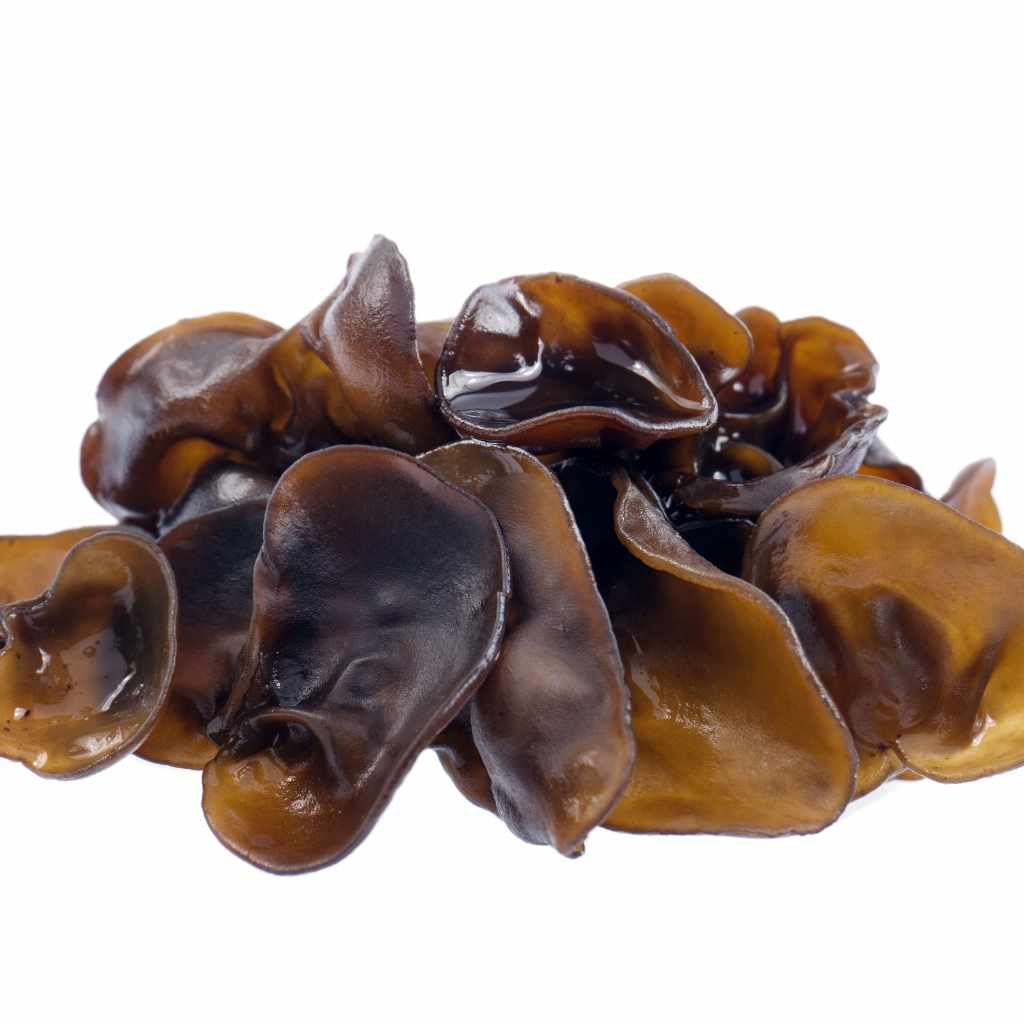
The rehydrated black fungus has a characteristic “crunchy jelly” texture. It’s not mushy but offers a pleasant resistance when you bite into it. This unique texture is highly prized in many Asian cuisines.
Taste and Aroma
Both fresh and dried wood ear mushrooms are quite mild in flavor. They are not meant to be the star of the dish in terms of taste. Instead, they act as a sponge, soaking up the delicious flavors of the broths, sauces, and other ingredients they are cooked with.
Their primary contribution is their texture.
Neither variety has a strong aroma. This makes them incredibly versatile, as they won’t clash with the intended flavors of your meal.
Growth and Habitat
Wood ear mushrooms grow on dead or decaying wood, particularly in temperate regions. They are saprophytic, meaning they get nutrients from dead organic matter. You can often find them in forests or wooded areas, especially after rainfall, as moisture encourages their growth.
The cultivation of wood ear mushrooms is common, especially for commercial purposes. They are grown on logs or sawdust beds to ensure a consistent supply for markets worldwide.
Culinary Uses of Wood Ear and Black Fungus
The culinary world embraces both fresh and dried wood ear mushrooms for their unique textural qualities. Their ability to absorb flavors makes them a staple in many dishes.
In Asian Cuisine
Wood ear mushrooms, particularly in their rehydrated “black fungus” form, are very popular in Chinese, Japanese, and other East Asian cuisines. They are frequently used in:
- Soups: Think of hot and sour soup, where they add a delightful chewy texture. They also appear in various other brothy soups.
- Stir-fries: Their crunch holds up well during the quick cooking of stir-fries, adding an interesting contrast to softer ingredients.
- Salads: Rehydrated and sometimes lightly blanched, they can be a great addition to cold salads, offering a refreshing textural element.
- Appetizers: They are often prepared with soy sauce, vinegar, and chili for a tangy and slightly spicy appetizer.
The subtle flavor profile allows them to blend seamlessly with ingredients like tofu, vegetables, meats, and various spices. The visual appeal is also noteworthy, with the dark, glossy mushrooms adding depth to the presentation of a dish.
Other Culinary Applications
Beyond traditional Asian dishes, wood ear mushrooms can be incorporated into other types of cooking. Their neutral taste makes them adaptable. You could add them to:
- Vegetable stews for added texture.
- Grain bowls for a chewy component.
- Even in some Western-inspired dishes where a unique mouthfeel is desired.
It’s important to rehydrate dried black fungus properly before cooking. This ensures they are tender enough to eat and have absorbed some moisture, which helps in cooking them evenly with other ingredients.
Nutritional Value and Health Benefits
Wood ear mushrooms are not just about texture and flavor absorption; they also offer some nutritional benefits. While not a powerhouse of vitamins and minerals compared to some other foods, they contribute positively to a balanced diet.
What They Contain
- Fiber: They are a good source of dietary fiber, which is important for digestive health.
- Minerals: They contain small amounts of minerals like potassium, iron, and calcium.
- Antioxidants: Like many mushrooms, they contain compounds that may have antioxidant properties.
- Low in Calories: They are very low in calories, making them a great addition for those watching their intake.
In traditional Chinese medicine, wood ear mushrooms have been used for various health purposes. They are sometimes associated with benefits related to blood circulation and can be used in remedies for certain ailments.
Potential Health Advantages
Research into the specific health benefits of wood ear mushrooms is ongoing, but some traditional uses suggest potential advantages:
- Heart Health: Some studies suggest that compounds in wood ear mushrooms might help in managing cholesterol levels and supporting cardiovascular health.
- Blood Sugar: There is some research indicating a potential role in helping to regulate blood sugar levels, though more studies are needed.
- Immune Support: As with many mushrooms, they may contain compounds that can help support the immune system.
It’s important to remember that mushrooms should be part of a balanced diet and not relied upon as a sole treatment for any medical condition. Always consult with a healthcare professional for health advice.
Safety Considerations When Using Wood Ear Mushrooms
When dealing with any type of mushroom, safety is a primary concern. Fortunately, wood ear mushrooms are generally considered safe to eat, especially when purchased from reputable sources.
Source and Quality
Always buy mushrooms from a reliable supplier. Whether you are buying fresh wood ear or dried black fungus, ensure the packaging is intact and the product looks and smells fresh (or properly dried and free from mold). If you are foraging for mushrooms, it is absolutely essential to have expert knowledge, as misidentification can be dangerous.
Proper Handling and Preparation
- Washing: If you have fresh wood ear mushrooms, wash them thoroughly under running water to remove any dirt or debris.
- Rehydration: For dried black fungus, soak them in warm water until they are fully softened. Discard the soaking water, as it can sometimes contain residual dirt.
- Cooking: Always cook mushrooms before eating them. Raw mushrooms can be difficult to digest for some people and may contain mild toxins that are destroyed by heat.
Allergies and Sensitivities
While uncommon, some individuals may have allergies or sensitivities to mushrooms. If you have never eaten wood ear mushrooms before, it’s a good idea to start with a small portion to see how your body reacts. Symptoms of an allergic reaction can include digestive upset, skin rashes, or difficulty breathing.
Foraging Risks
Foraging for wild mushrooms can be an enjoyable activity, but it carries significant risks. Many poisonous mushrooms can resemble edible varieties. If you are not an experienced mycologist, it is best to purchase your mushrooms from a grocery store or a trusted vendor.
Never eat a wild mushroom unless you are 100% certain of its identification.
A Quick Comparison Table
To make things even clearer, here’s a simple table comparing the two forms:
| Feature | Fresh Wood Ear | Dried Black Fungus (Rehydrated) |
|---|---|---|
| Appearance | Floppy, ear-like, translucent | Dark, glossy, ruffled edges |
| Texture | Soft, jelly-like, slightly rubbery | Chewy, crunchy, gelatinous |
| Taste | Mild, earthy | Mild, earthy, absorbs other flavors |
| Preparation | Wash and cook | Soak in water, then cook |
| Common Use | Less common in markets, used in some fresh dishes | Very common in soups, stir-fries, salads |
| Availability | Less common, often seasonal or in specialty stores | Widely available in dried form in Asian markets and many supermarkets |
This table highlights that the main difference is the state of the mushroom. The dried form, commonly called black fungus, is the most accessible and widely used in home cooking.
Frequently Asked Questions
Question: Are black fungus and wood ear the same thing?
Answer: Yes, generally speaking, “black fungus” is the common name for the dried form of the wood ear mushroom. The fresh mushroom is called wood ear.
Question: How do I prepare dried black fungus for cooking?
Answer: To prepare dried black fungus, soak it in warm water for about 20 to 30 minutes until it becomes soft and pliable. Discard the soaking water, rinse them, and then you can cook them.
Question: Is it safe to eat wood ear mushrooms raw?
Answer: It is not recommended to eat wood ear mushrooms raw. Like most mushrooms, they should be cooked to ensure they are digestible and to break down any potential mild toxins.
Question: What is the texture of wood ear mushrooms like?
Answer: Wood ear mushrooms have a unique texture that is often described as crunchy, chewy, or jelly-like. They are not soft or mushy but provide a pleasant, slightly resistant bite.
Question: Can wood ear mushrooms be poisonous?
Answer: Edible wood ear mushrooms are not poisonous. However, it is crucial to properly identify any wild mushroom before consumption, as some poisonous mushrooms can look similar. Always buy from reputable sources.
Final Thoughts
It’s clear now that the confusion between black fungus and wood ear mushrooms mostly comes down to whether the mushroom is fresh or dried. The wood ear mushroom is the actual fungus, and when it’s dried, it’s commonly referred to as black fungus. Both forms offer that wonderfully unique, slightly crunchy, gelatinous texture that adds so much to dishes, especially in Asian cooking.
They are fantastic at soaking up flavors, making them a versatile ingredient that can enhance a wide variety of meals without overpowering them.
Remember that safety is key. Always source your mushrooms from trusted places. If you’re using the dried black fungus, take the time to rehydrate it properly by soaking it in warm water until it’s soft.
Then, make sure to cook them thoroughly before eating. They’re low in calories and offer some good fiber, making them a healthy choice to add to your diet. So next time you see them in the store, whether labeled as black fungus or wood ear, you’ll know exactly what you’re getting and how to make the most of them in your kitchen.