Why Boarding Windows with Plywood Matters for Your Automotive Space
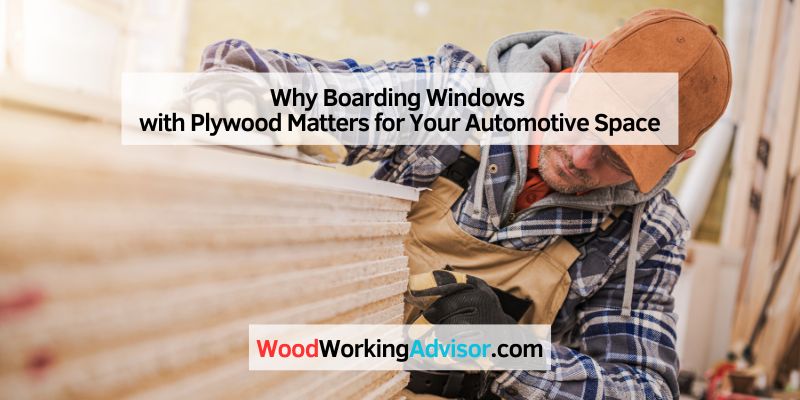
When I first set up my garage, I didn’t think much about the windows. They let in light, sure, but they were also a weak point. A stray branch during a storm or an unexpected break-in attempt could ruin my tools, car parts, or even my prized project car. That’s when I turned to boarding windows with plywood. It’s not just about storms—it’s about peace of mind. Plywood is affordable, easy to work with, and tough enough to protect your space from weather, debris, or unwanted visitors. In an automotive setting, where valuable equipment and vehicles are stored, securing windows can save you thousands in repairs or replacements.
Plywood boarding isn’t a new idea, but it’s a reliable one. It’s been used for decades to shield homes and businesses during hurricanes, and it works just as well for garages and workshops. The key is doing it right—choosing the right materials, measuring carefully, and installing securely. I’ve boarded up my garage windows before big storms and even during long trips to keep things safe. Trust me, it’s worth the effort.
Choosing the Right Plywood for the Job
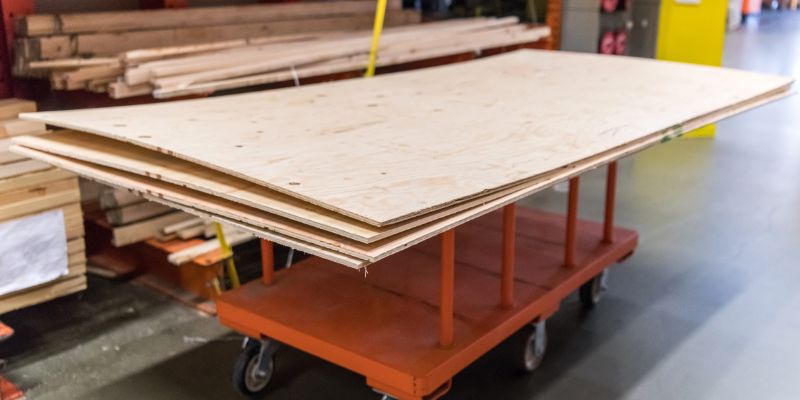
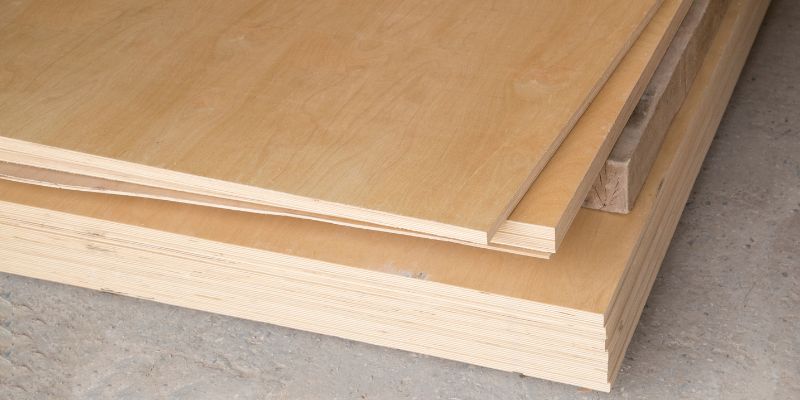
Not all plywood is created equal. I learned this when I grabbed the cheapest sheet at the hardware store, only to find it warped under pressure. For boarding windows with plywood, you want something sturdy and weather-resistant. Exterior-grade plywood, at least ½-inch thick, is a solid choice for most automotive spaces. If you’re in a coastal area or expect heavy storms, go for ¾-inch marine-grade plywood. It’s pricier, but it holds up better against moisture.
Here’s a quick breakdown of plywood types I’ve used:
| Plywood Type | Best For | Pros | Cons |
|---|---|---|---|
| CDX Plywood | General use, budget-friendly | Affordable, widely available | Not as durable in extreme weather |
| Marine-Grade Plywood | Coastal areas, heavy storms | Water-resistant, strong | Expensive, heavier |
| Pressure-Treated Plywood | Long-term boarding | Resists rot and insects | Costly, may require special handling |
When picking plywood, check for knots or cracks. A smooth, solid sheet will give you the best protection. I usually head to my local hardware store and inspect each piece before buying. It’s a small step that saves headaches later.
Measuring and Cutting Plywood for a Perfect Fit
One of my biggest mistakes early on was eyeballing the measurements. Big no-no. If the plywood doesn’t fit snugly, it won’t protect your windows properly. Grab a tape measure and note the exact dimensions of each window frame. Add about 4 inches to each side for overlap—this gives you room to secure the plywood to the wall or frame.
Here’s how I do it:
- Measure the window’s height and width from the outside.
- Add 8 inches total (4 inches per side) to cover the frame.
- Mark the measurements on your plywood with a pencil and straightedge.
- Use a circular saw for clean, straight cuts. If you don’t have one, most hardware stores can cut it for you.
I always double-check my measurements before cutting. It’s a pain to redo a sheet because you were off by an inch. If your windows are oddly shaped, like those small round ones in some older garages, make a cardboard template first. It’s a trick I picked up after struggling with a tricky corner window.
Tools and Materials You’ll Need
Before you start boarding windows with plywood, gather your gear. I like to have everything ready so I’m not running to the store mid-project. Here’s what I keep on hand:
- Plywood sheets: Sized to your windows, as discussed.
- Tape measure: For accurate measurements.
- Circular saw or hand saw: For cutting plywood.
- Drill and screws: 2-3 inch exterior screws work best.
- Screwdriver or impact driver: Makes installation faster.
- Anchors: For securing into brick or concrete.
- Level: To ensure the boards sit straight.
- Safety gear: Gloves, goggles, and a dust mask.
I also keep a marker and some painter’s tape handy for labeling boards. If you’re boarding multiple windows, label each piece (e.g., “Front Window 1”) so you can reuse them later. It’s a small tip that’s saved me hours during storm prep.
Installing Plywood Over Windows
Now comes the fun part—putting those boards up. I’ve done this enough times to have a system. Start by holding the plywood against the window to check the fit. If it’s good, mark where you’ll drill your screws. I aim for 6-8 screws per board, spaced evenly around the edges. For wood-framed windows, you can screw directly into the frame. For brick or concrete, use masonry anchors.
Here’s my step-by-step:
- Hold the plywood in place and mark screw holes.
- Drill pilot holes through the plywood and into the frame or wall.
- Secure the board with screws, using a drill or impact driver.
- Check that the board is flush and doesn’t wobble.
- Repeat for each window, labeling as you go.
One thing I’ve learned: don’t overtighten the screws. It can crack the plywood or strip the holes. If you’re in a hurricane-prone area, consider adding storm clips or bolts for extra strength. I’ve seen these hold up against 100 mph winds without budging.
Weatherproofing Your Plywood Boards
Plywood is tough, but it’s not invincible. If you’re boarding windows with plywood for more than a day or two, weatherproofing is a must. I made the mistake of skipping this once, and my boards soaked up water like a sponge. To avoid this, seal the edges with a waterproof caulk or silicone sealant. You can also paint the plywood with exterior-grade paint for extra protection.
If you’re in a humid area, like Florida or Louisiana, consider applying a wood preservative. I use a brush-on sealant that’s easy to apply and dries fast. It’s a small investment that makes your boards last years instead of months. Store them flat in a dry place when not in use to prevent warping.
When to Board Up Your Automotive Space
Timing is everything. I’ve learned to keep an eye on weather reports, especially during hurricane season. If a storm’s coming, I board up 48 hours in advance. That gives me time to prep without rushing. But storms aren’t the only reason to board up. If you’re leaving your garage unused for months—say, during a long trip—boarding windows can deter break-ins. I’ve also used plywood to block out light when working on a car with sensitive paint or electronics.
Here’s when I recommend boarding up:
- Before a big storm or hurricane.
- During extended vacations or absences.
- When storing valuable vehicles or tools long-term.
- If your area has high vandalism or theft rates.
I once left my garage unboarded during a week-long trip, and a smashed window cost me a fortune in stolen tools. Never again.
Reusing and Maintaining Your Plywood Boards
One of the best things about boarding windows with plywood? You can reuse the boards. After my first storm prep, I stored my boards in the garage rafters. They’ve lasted through three hurricane seasons so far. To keep them in good shape, check for damage after each use. Look for cracks, water stains, or warped spots. Sand down rough edges and reapply sealant if needed.
Labeling is a lifesaver here. I write the window name and date on each board with a permanent marker. When the next storm hits, I just grab the right board and go. If you’re tight on storage, stack them flat with spacers (like 2x4s) to prevent sticking or warping.
Safety Tips for Boarding Windows
Safety comes first. I’ve had a few close calls—like nearly dropping a plywood sheet on my foot—so I’ve learned to be careful. Always wear gloves and goggles when cutting or drilling. If you’re working alone, use sawhorses to hold the plywood steady. And don’t rush. A hurried job leads to mistakes, like misaligned boards or injuries.
If you’re boarding up during a storm warning, don’t wait until the wind picks up. I tried that once and nearly lost a board to a gust. Work with a buddy if you can—it’s faster and safer. And always double-check that your boards are secure before the storm hits.
Why Plywood Beats Other Options
You might be wondering: why plywood? Couldn’t I use metal shutters or polycarbonate sheets? Sure, those work, but plywood has advantages. It’s cheaper—often half the cost of metal or plastic. It’s also easier to find. Every hardware store carries plywood, but try finding storm shutters in stock the day before a hurricane. Plywood is also versatile. You can cut it to any size or shape, which is perfect for the odd-sized windows in older garages.
That said, plywood isn’t perfect. It’s heavier than polycarbonate and not as sleek as metal shutters. But for most automotive spaces, it’s the best balance of cost, availability, and strength. I’ve tried other options, but I always come back to plywood for its simplicity.
Conclusion
Boarding windows with plywood might not sound glamorous, but it’s a game-changer for protecting your automotive space. I’ve seen firsthand how a few sheets of plywood can save your garage from storms, theft, or just the wear and tear of time. It’s a DIY project that’s straightforward, affordable, and rewarding. By choosing the right plywood, measuring carefully, and installing securely, you’re giving your vehicles and tools the protection they deserve. So, next time a storm’s brewing or you’re locking up for a while, grab some plywood and get to work. Your future self will thank you.
FAQs
Why should I board up my garage windows?
Boarding up protects your garage from storms, debris, and break-ins. It keeps your tools and vehicles safe, especially in harsh weather or high-crime areas.
What type of plywood is best for boarding windows?
Exterior-grade plywood, ½-inch or thicker, works well for most garages. Marine-grade or pressure-treated plywood is better for humid or coastal areas.
How do I measure windows for plywood?
Measure the window’s height and width, then add 4 inches to each side for overlap. Double-check before cutting to ensure a snug fit.
Can I reuse plywood boards?
Yes, label and store them flat in a dry place. Check for damage and reapply sealant to extend their life.
How long does it take to board up windows?
For a standard garage, it takes 1-2 hours with the right tools. Plan ahead to avoid rushing during a storm.
Is plywood better than storm shutters?
Plywood is cheaper and easier to find than shutters. It’s not as permanent but works great for most automotive spaces.