Carpet-to-Hardwood Cost: $8-$22 per Sq Ft, Step by Step
Ripping up carpet and installing hardwood costs $8 to $22 per square foot all-in, most of that in material and labor. Skipping subfloor prep to save money is the single biggest mistake – a subfloor that is not flat, dry, and solidly fastened will telegraph through new hardwood as squeaks, gaps, or cupped boards within a year. This guide breaks the cost into each phase, compares solid versus engineered hardwood, and shows how much material to actually buy.
How Much Does It Cost to Rip Up Carpet and Put Down Hardwood?
Best DIY Install Kit
 |
ValueMax Flooring Installation Kit (Tapping Block, Pull Bar, Spacers) – $16.99 A tapping block and pull bar protect your new hardwood’s tongue-and-groove edges during install – the mallet alone can crack a plank edge if you skip these.
|
All-in, expect $8 to $22 per square foot for carpet removal, subfloor prep, hardwood material, and installation combined. On a typical 200-square-foot room, that puts the full job between roughly $1,600 and $4,400. DIY cuts out most of the labor cost – carpet removal alone runs $0.70 to $1.60 per square foot when you hire it out, or effectively free (just your time) if you pull it yourself.
Cost Breakdown by Project Phase
| Phase | Typical Cost | Notes |
|---|---|---|
| Carpet removal & disposal | $0.70–$1.60/sq ft | Mostly labor to pull carpet, padding, and tack strips, plus hauling fees |
| Subfloor prep | $50–$300+ per room | Jumps sharply if boards are warped, damaged, or the subfloor needs leveling compound |
| Hardwood material | $3–$12/sq ft | Solid runs $4–$12; engineered runs $3–$10, both before installation |
| Installation labor | $3–$8/sq ft | Higher for nail-down solid hardwood than for click-lock engineered |

Subfloor prep is the line item that most DIYers underestimate. Carpet hides a lot: water stains, soft spots, squeaky boards, and old adhesive residue all stay invisible until the carpet and padding come up. Budget time to inspect and fix the subfloor as its own step, not an afterthought squeezed in before the new floor goes down.
Solid vs. Engineered Hardwood Cost
| Type | Material Cost | Notes |
|---|---|---|
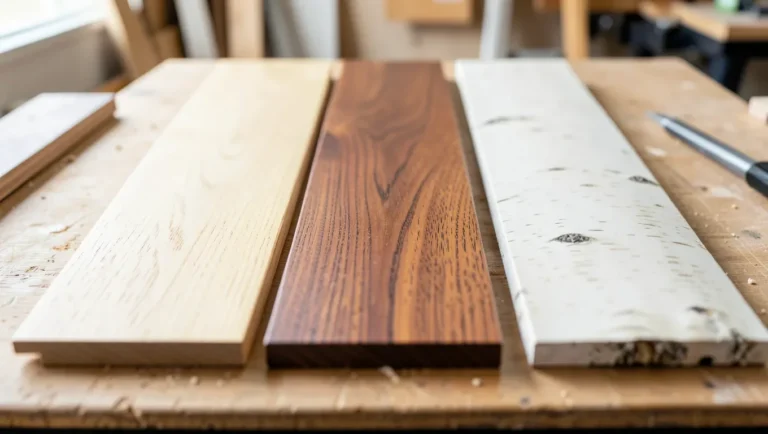
| Solid hardwood (oak, maple) | $4–$12/sq ft | Can be sanded and refinished multiple times; sensitive to humidity swings |
| Engineered hardwood | $3–$10/sq ft | More dimensionally stable over concrete or in humid rooms; refinish count depends on veneer thickness |
Choose solid hardwood if you want the option to refinish the floor several times over decades and your subfloor is wood, not concrete. Choose engineered if you are installing over a concrete slab, in a basement, or somewhere humidity swings – its layered construction resists the warping that solid wood is prone to in those conditions.
How Much Hardwood Should You Buy?
Measure the room’s square footage, then add a waste factor for cuts around doorways, closets, and trim. A simple rectangular room laid in a standard straight pattern needs about 5% extra material. A room with lots of doorways, closets, or a diagonal or herringbone layout needs closer to 10% extra, since more of each board ends up as an unusable offcut.
Example: a 10×10 room is 100 square feet. At a 10% waste factor for a room with a closet and a doorway, that means buying 110 square feet of flooring – not exactly 100 – so you are not stuck mid-install short a box of matching boards.

DIY vs. Professional Installation
DIY installation saves roughly $3 to $8 per square foot in labor, but the National Wood Flooring Association-level skill involved is real: getting rows straight, maintaining consistent expansion gaps at the walls, and cutting cleanly around doorways all take practice. A first-timer’s mistakes – a board racked out of square, a gap that opens up in winter – usually cost more to fix later than a pro would have charged up front.
If you have done trim carpentry or tiling before and are installing click-lock engineered hardwood in a simple rectangular room, DIY is a reasonable project. For nail-down solid hardwood, an irregular room, or your first flooring job, hiring a pro is usually the cheaper choice once you count the cost of a redo.
Before hardwood goes down either way, confirm the subfloor is dry and clean: fully remove old tack strips (see our guide on removing tack strips from hardwood floors) and any leftover carpet adhesive (removing glue from the floor after pulling carpet). If the subfloor has dips or an uneven concrete slab, a leveling compound should go down before the hardwood, not after you notice squeaks (a sign of an unresolved subfloor problem).
For a wider look at species, grades, and finishes once you get past the demo and prep stage, see our full wood flooring guide.
Frequently Asked Questions
Is ripping out carpet yourself a hard job?
No – carpet removal is one of the more manageable DIY demo tasks. Cut the carpet into strips with a utility knife, pull up the padding, then pull remaining staples or tack strips with pliers and a flat bar. Expect a few hours of physical work per room, not a technical challenge.
Do hardwood floors need special cleaning compared to carpet?
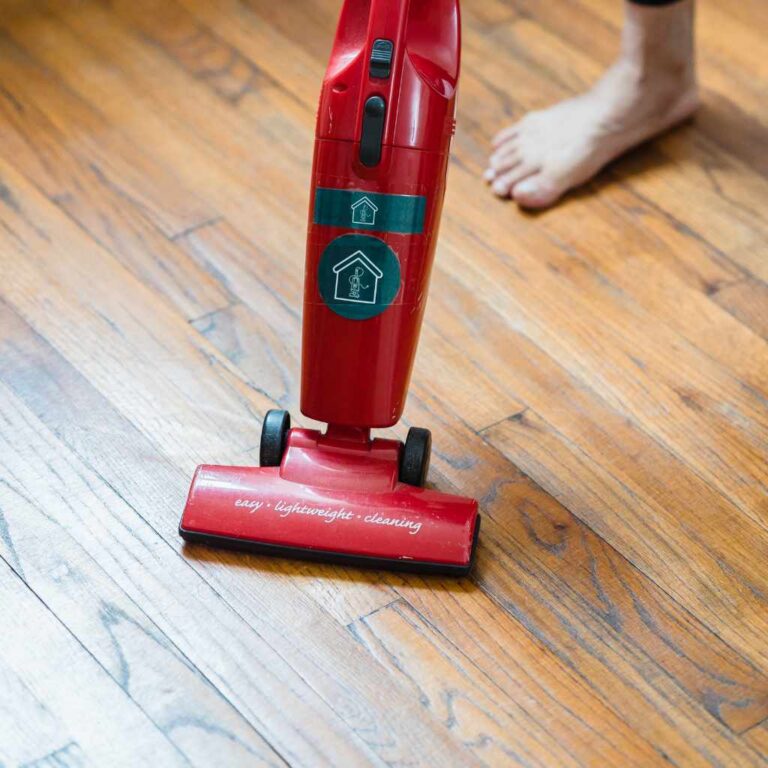
Yes. Hardwood should be swept or vacuumed with a hard-floor setting and cleaned with a barely-damp mop and a hardwood-specific cleaner – standing water or steam mops can warp boards and damage the finish over time, which is not a concern with carpet.
How do I know if my subfloor is ready for hardwood?
Lay a 6-foot level or straightedge across the subfloor in several spots; gaps under it should not exceed 3/16 inch over that span. The subfloor also needs to be clean, dry, and solidly fastened – loose or squeaky spots should be screwed down before any hardwood goes on top.
Are there cheaper ways to get a hardwood look?
Engineered hardwood and luxury vinyl plank (LVP) both cost less than solid hardwood while keeping a similar look – engineered hardwood runs roughly $3 to $10 per square foot versus $4 to $12 for solid, and LVP typically undercuts both if budget matters more than real wood.
How much extra hardwood should I buy for waste?
Budget 5% extra for a simple rectangular room laid in a standard pattern, and 10% extra for rooms with lots of doorways, closets, or a diagonal/herringbone layout. On a 200-square-foot room, that is 10 to 20 extra square feet of material.
Conclusion
Budget $8 to $22 per square foot for the full carpet-to-hardwood conversion, and treat subfloor prep as its own real step rather than something to rush through. Solid hardwood costs more but can be refinished for decades; engineered hardwood costs less and handles concrete or humidity better. Buy 5-10% extra material for waste, and be honest about whether your first flooring job should be DIY or hired out.
Sponsored / affiliate links. As an Amazon Associate I earn from qualifying purchases. I may earn additional commission from eligible campaigns.