Bunkie Board vs Plywood Best Bed Support Options
Choosing the right bed support can feel tricky, especially when you’re just starting out. Figuring out the best way to support your mattress—with options like a Bunkie Board vs Plywood: Best Bed Support—can seem complicated. Don’t worry, though! We’re here to help you get the support you need for a good night’s sleep. We’ll explore the main differences and the pros and cons of each, making it easy for you to pick the perfect fit. Ready to find the ideal bed support? Let’s get started!
Choosing the Right Bed Support
Selecting the correct bed support is essential for a comfortable sleep experience and the lifespan of your mattress. The right support helps distribute weight evenly, prevents sagging, and ensures proper alignment for your spine. When considering options, the choice often comes down to two primary contenders: Bunkie boards and plywood. Each offers distinct advantages and disadvantages, making it essential to assess your specific requirements and preferences. Knowing what makes each type of support unique is the first step in making the best selection for your needs. Different types of mattresses also have different support needs. For example, memory foam or latex mattresses may require a solid foundation, while some innerspring mattresses may work well with a slatted base. The goal is to create an environment that promotes restful sleep and extends the life of your investment.
What is a Bunkie Board?
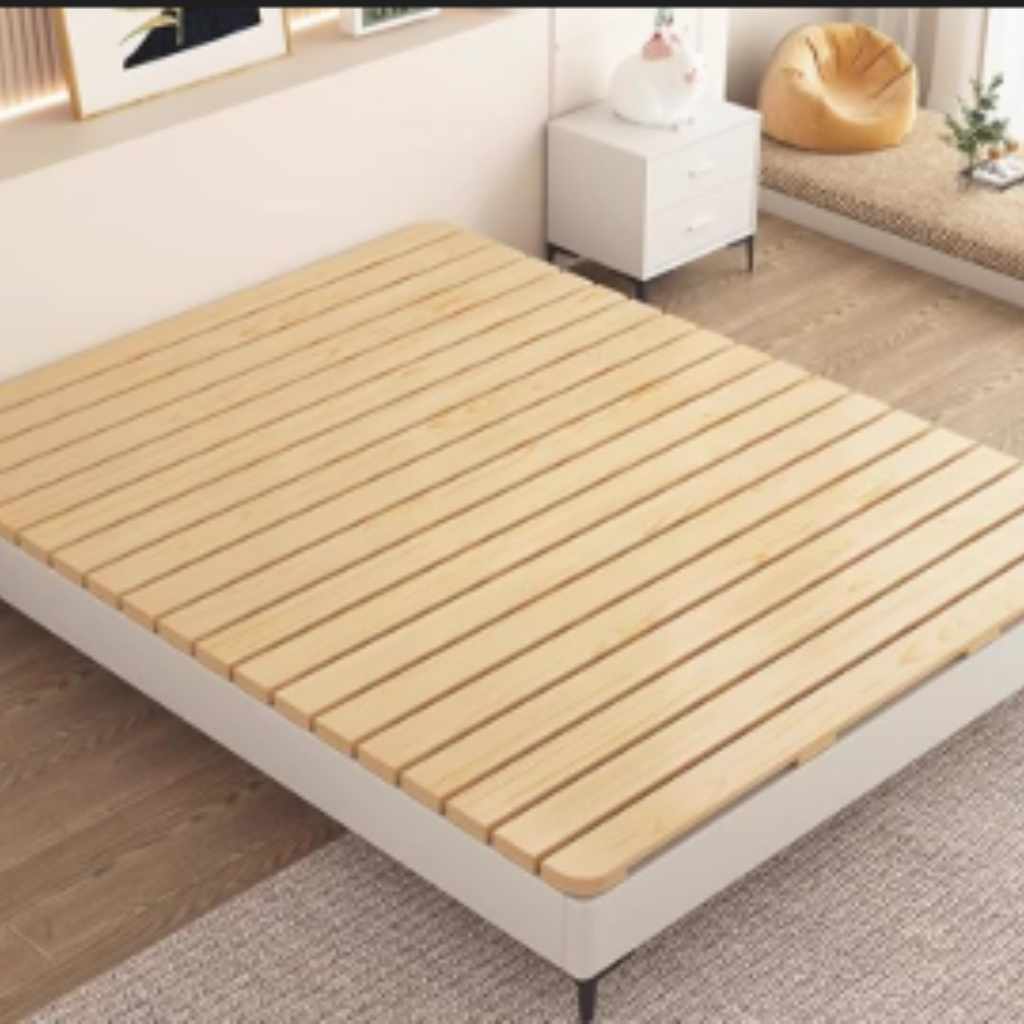
A Bunkie board is a thin, flat board, typically made of wood or fiberboard. They are specifically designed to provide a solid, even surface under a mattress. Bunkie boards are particularly popular for bunk beds, platform beds, and beds that lack a traditional box spring. They offer a stable base that prevents mattresses from sinking or sagging, contributing to better spinal alignment. These boards often come covered in fabric or a thin layer of padding to offer a softer surface against the mattress. They are designed to fit snugly within the bed frame, offering straightforward installation. Their solid construction makes them a durable choice that can withstand wear and tear. Bunkie boards can be an excellent choice for a variety of different types of mattresses.
- Durability: Bunkie boards are built to last, offering excellent support for years.
- Versatility: Great for various bed types, especially bunk beds and platform beds.
- Cost: Typically, they are a budget-friendly option compared to other bed support choices.
- Thickness: Their slim design maximizes headroom, which is important for bunk beds.
- Protection: Helps safeguard your mattress from damage by providing a smooth surface.
What is Plywood?
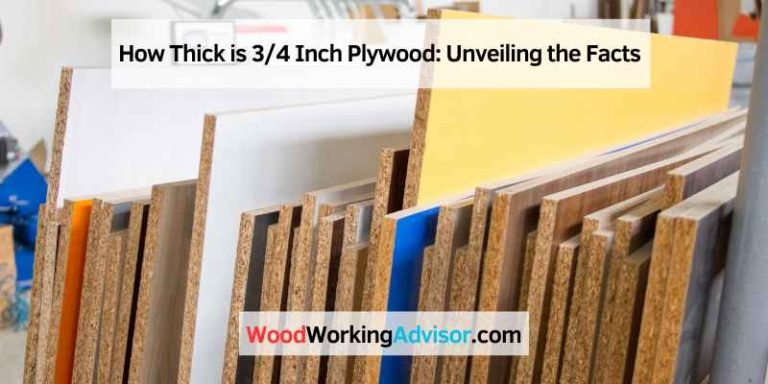
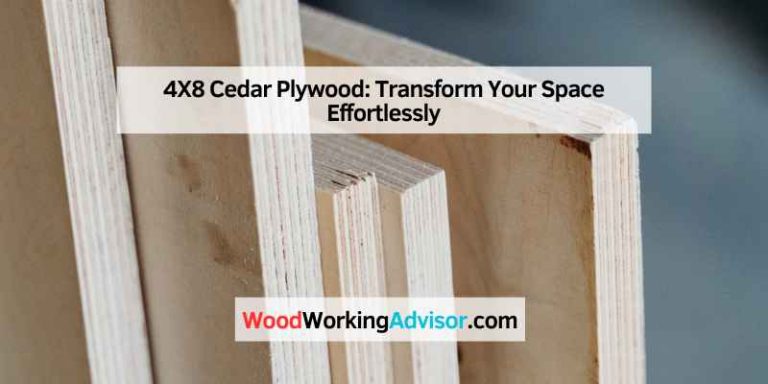
Plywood is a sheet material made from thin layers of wood veneer glued together. This construction gives it strength, durability, and a smooth surface. It is a very common material for construction and furniture making, including bed support. Plywood is often used as a solid platform to support a mattress, offering a sturdy and even surface. You can purchase plywood sheets from most hardware stores, allowing for a degree of customization in terms of size and thickness. It’s an accessible and affordable option for those looking for a solid base for their bed. The choice of plywood grade and thickness can influence the level of support it provides. Plywood is a flexible option, with different grades offering different qualities.
- Strength: Plywood is very strong, capable of carrying significant weight without bending.
- Availability: It’s widely available at most hardware stores, making it easy to find.
- Customization: Plywood can be cut to fit any bed frame size.
- Cost-Effectiveness: Generally, plywood is an affordable bed support solution.
- Versatility: Good for various bed frames, including platform beds and DIY projects.
Comparing Bunkie Boards and Plywood
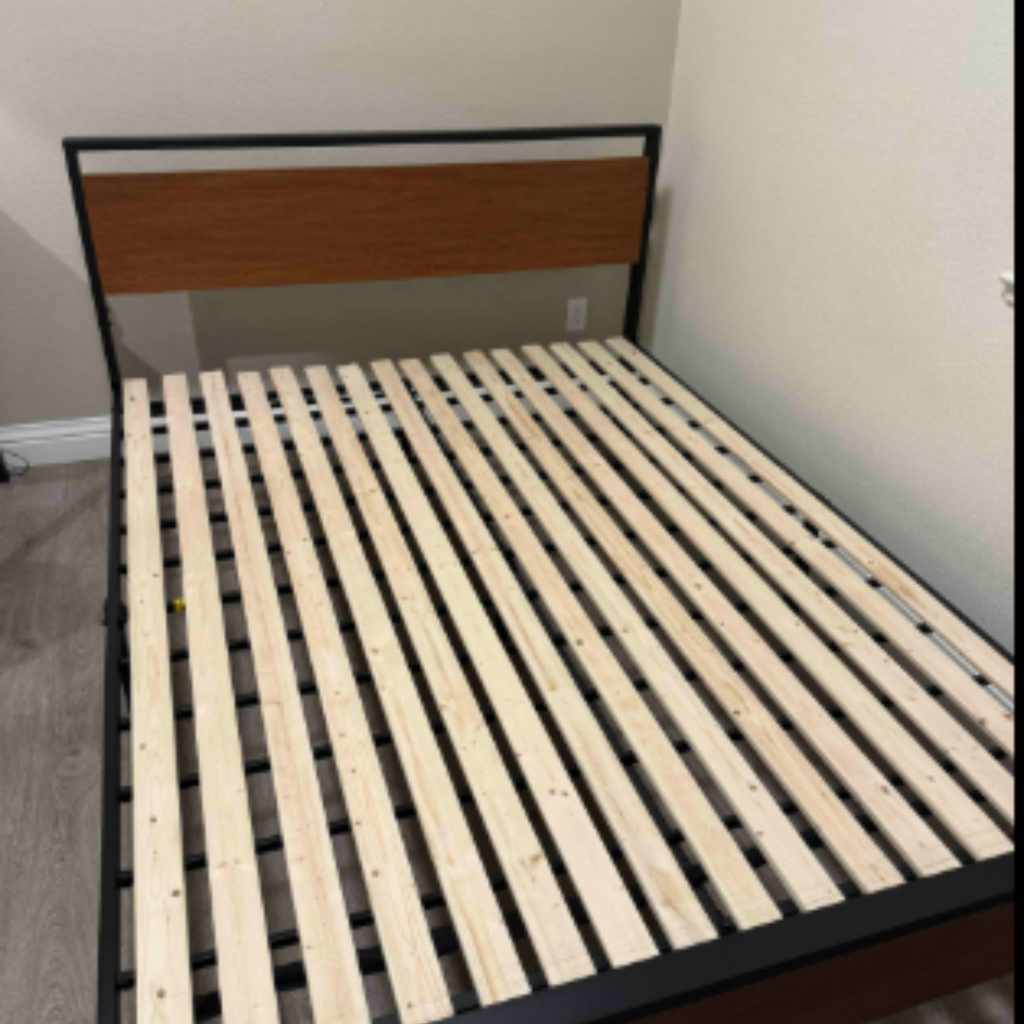
Comparing Bunkie Board vs Plywood: Best Bed Support involves considering several key factors to determine the best choice for your needs. Both offer different strengths and weaknesses. Assessing factors like support level, durability, cost, and ease of installation is important. This comparison allows you to make an informed decision and select the bed support option that aligns best with your needs. The ideal choice may depend on factors such as budget, the kind of mattress you own, and the bed frame’s design. Examining the characteristics of each is the best way to choose.
Support and Mattress Compatibility
When thinking about support and mattress compatibility, Bunkie boards and plywood work differently. Bunkie boards provide a firm and even surface that works well with all mattress types. This is because they create a flat, stable base that prevents the mattress from sagging. Plywood offers a similar level of support. The choice depends on the mattress and the desired firmness. For instance, memory foam mattresses benefit from a flat surface to prevent uneven compression. Innerspring mattresses, on the other hand, benefit from the solid support to maintain their shape and effectiveness. Consider how each option will interact with the mattress. A well-supported mattress leads to better sleep and a longer lifespan. The choice between a Bunkie board and plywood can influence how your mattress performs.
- Bunkie Board Compatibility: Works well with all mattress types, particularly memory foam and latex.
- Plywood Compatibility: Provides excellent support for all mattress types.
- Even Surface: Both offer a flat surface to evenly distribute the weight of the mattress and sleeper.
- Mattress Lifespan: Both can help extend the life of a mattress by providing solid support.
- Sag Prevention: Both prevent sagging, which is a common issue with poor bed support.
Durability and Lifespan
Durability and lifespan are important considerations when choosing between a Bunkie board and plywood. Both materials are fairly long-lasting, but they differ in some respects. Bunkie boards, due to their solid construction, typically provide consistent support over many years. This makes them a durable choice for continuous use. Plywood’s lifespan also depends on the quality of materials and use. High-grade plywood can withstand significant wear and tear, maintaining its structural integrity. Factors like the bed frame’s design, the weight of the user, and care can impact the lifespan of each. It’s important to choose the material that best matches your needs. Regular checks can help identify any signs of wear and address issues promptly to extend the lifespan of your bed support. Both are strong options.
- Bunkie Board Durability: Durable and can last for many years with proper care.
- Plywood Durability: Lifespan can vary depending on plywood grade and usage.
- Wear and Tear: Both are capable of withstanding general wear.
- Structural Integrity: Both materials maintain structural integrity over time if properly cared for.
- Maintenance: Both require minimal maintenance to preserve their durability.
Cost and Availability
Cost and availability are key factors that influence your decision between a Bunkie board and plywood. Bunkie boards are often cost-effective. They come in standard sizes and are readily available at furniture stores and online retailers. Their price point makes them an appealing option for budget-conscious consumers. Plywood is widely available at hardware stores and is also an affordable choice. The cost varies based on the plywood grade and thickness. You can find options to fit most budgets and sizes. Consider shipping costs when purchasing online. The accessibility of materials and tools makes these choices appealing for people seeking ease of purchase. Always check different retailers for the best prices.
- Bunkie Board Cost: Generally, a more budget-friendly option.
- Plywood Cost: Cost varies based on grade and thickness; generally affordable.
- Availability: Both are widely accessible, with Bunkie boards at furniture stores and plywood at hardware stores.
- Size Options: Bunkie boards come in standard sizes, while plywood can be cut to fit.
- Shipping: Take shipping costs into account when buying online.
Practical Examples and Scenarios
Here are some examples and scenarios to show how Bunkie Board vs Plywood: Best Bed Support play out in real life. Understanding these real-world uses helps you visualize how each option can fit your specific requirements. It provides insight into the practical implications of each. By exploring different situations, you can better match the characteristics of each material. This allows for more informed decision-making.
Case Studies
- Family with Bunk Beds: The Jones family has two children sharing a bunk bed. They choose Bunkie boards for each bunk. This provides a solid surface for the mattresses and maximizes headroom, preventing sagging and ensuring safety. The Bunkie boards’ durability and simple installation suit their needs, and the family benefits from a restful night.
- DIY Platform Bed: Alex wants to build a platform bed for their guest room. They purchase a sheet of plywood and cut it to the frame’s exact dimensions. They then install the plywood, providing an inexpensive and custom support for the mattress. The ability to tailor the size and thickness allows Alex to meet their design needs.
Sample Scenarios
- A college student wants to create a simple and cost-effective bed support. They choose a Bunkie board due to its affordability and the ease of getting it online.
- A couple is looking to upgrade their bed’s support. They choose plywood, using it to create a strong, solid base that can support a heavier mattress.
Choosing the Best Option
The best choice between a Bunkie Board vs Plywood: Best Bed Support depends on your specific requirements and circumstances. When deciding, evaluate the key considerations. These are support requirements, the kind of mattress you have, the bed frame’s design, and your budget. Both Bunkie boards and plywood offer excellent advantages, making them valuable support options. Consider your needs and compare your options carefully.
When to Choose a Bunkie Board
A Bunkie board is a great option in several situations. If you own a bunk bed, a Bunkie board offers an easy-to-install, stable base. They work with most mattress types and ensure uniform support. Bunkie boards are also a great choice if you’re on a tight budget. Their low cost makes them a great pick for those trying to save money. Bunkie boards are a great choice if you have a platform bed that needs strong, even support. The boards provide a smooth surface for your mattress, improving comfort and extending its lifespan. If ease of setup and maintenance are priorities, a Bunkie board provides a hassle-free solution.
- Bunk Beds: Excellent choice for bunk beds due to their solid support and space-saving design.
- Platform Beds: Works well with platform beds that need an even, supportive surface.
- Budget: A more affordable option, making it accessible for people.
- Mattress Types: Works well with memory foam and other mattresses.
- Ease of Use: Easy to install and maintain, suitable for convenience.
When to Choose Plywood
Plywood can be an excellent option for many people. If you’re building a custom bed frame or need bed support, plywood is an excellent choice. Its easy availability at most hardware stores allows you to customize the size and thickness. Plywood provides a strong and even surface for all mattress types. It is particularly well-suited for heavier mattresses. Plywood is great if you want to create a DIY project for your bed support. The flexibility of plywood and its strength make it an attractive option. Plywood gives you a durable and reliable base for your bed.
- Custom Bed Frames: Ideal for custom-built bed frames because you can cut plywood to any size.
- Heavy Mattresses: Provides excellent support for heavier mattresses.
- DIY Projects: Perfect for DIY projects, allowing you to build your bed support.
- Strength: Offers superior strength and durability, which is useful for heavier loads.
- Customization: Available in various thicknesses, which allows for different support levels.
Frequently Asked Questions
Question: Can I use a Bunkie board with a box spring?
Answer: No, a Bunkie board is usually a replacement for a box spring. It provides a solid surface under the mattress.
Question: What’s the recommended thickness for plywood used for bed support?
Answer: A thickness of 3/4 inch is generally recommended for plywood bed support. It offers a good balance of strength and cost.
Question: Are Bunkie boards better than plywood?
Answer: It depends on your needs. Bunkie boards are perfect for easy setup and bunk beds, while plywood is great for custom builds.
Question: How much weight can a Bunkie board hold?
Answer: The weight capacity of a Bunkie board is usually determined by the specific construction, but it’s typically more than enough for a mattress and sleeper.
Question: Is plywood safe for bed support?
Answer: Yes, plywood is very safe for bed support. It is strong and stable when the correct grade and thickness are selected.
Final Thoughts
Choosing between a Bunkie Board vs Plywood: Best Bed Support comes down to matching your needs. Bunkie boards excel in simplicity and are very cost-effective. They’re great for bunk beds, platform beds, and anyone seeking a ready-to-use solution. Plywood is perfect if you like a DIY project or have a custom-sized bed frame. It gives you the option to create a tailored support solution. Remember to consider your budget, the bed frame, and the type of mattress. By weighing these factors, you can make a smart choice that ensures you get the support you need for great sleep. Take your time, weigh the advantages, and get ready to enjoy a more comfortable sleep experience!