Is It Safe to Burn Plywood Outside? Open-Burn Laws & Risks
Burning plywood outside is unsafe and, in most states and counties, illegal — open-burn ordinances specifically exclude plywood, particleboard, and OSB from the “clean wood” they otherwise allow. A violation can bring a fine of $500 or more, and the glue layers release formaldehyde that can push smoke concentrations past OSHA’s 0.75 ppm workplace exposure limit. This guide covers what open-burning laws actually restrict, how to check your county’s rules, and legal disposal alternatives.
Why Open-Burning Laws Single Out Plywood
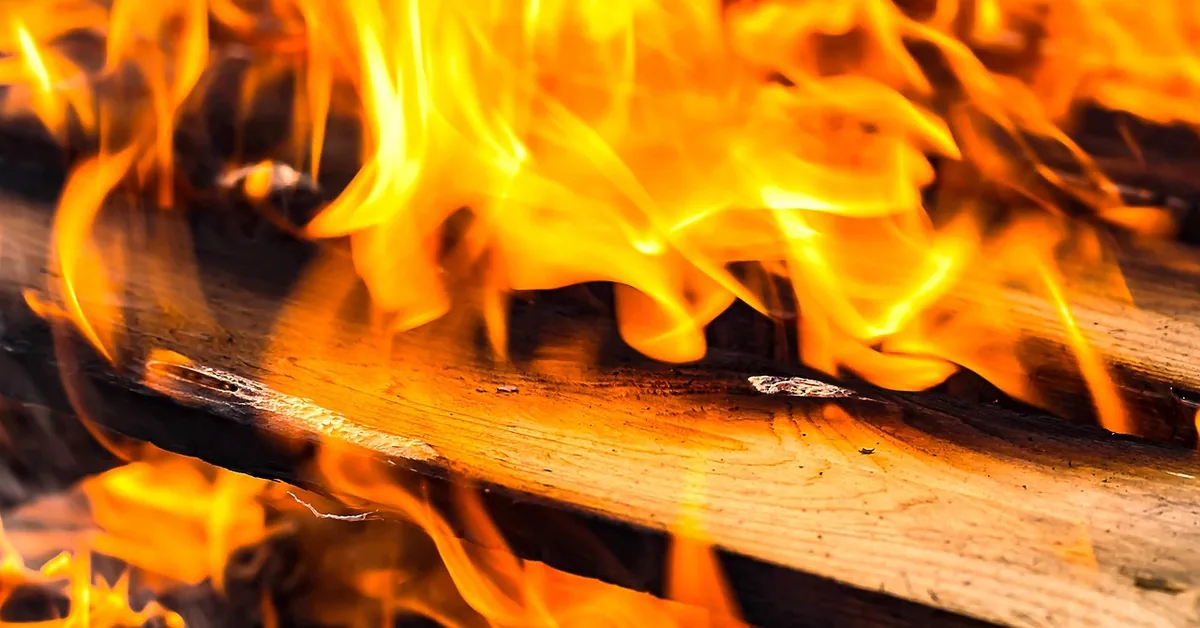
Plywood is a manufactured wood panel made of thin veneer layers bonded with adhesive, and that adhesive is exactly what most open-burning statutes are written to exclude. The U.S. EPA does not set a single federal rule for burning treated or engineered wood — that authority sits with state and local air-quality agencies — but nearly every state’s open-burning code defines “clean wood” or “untreated wood” in a way that leaves plywood, particleboard, and oriented strand board out entirely. Missouri’s open-burning rule (10 CSR 10-6.045) and Oklahoma’s air-pollution code (OAC 252:100-13) are two published examples: both write “clean lumber” to exclude plywood, particle board, and OSB by name, not by exception.
An open-burning permit for yard debris or cordwood does not cover engineered wood. If your county allows burn piles for brush and untreated firewood, that permission almost never extends to construction scrap, cabinet offcuts, or old plywood flooring underlayment — even when it looks and stacks like ordinary lumber.
📊 OSHA’s 8-hour permissible exposure limit for formaldehyde is 0.75 ppm, with a 15-minute short-term limit of 2 ppm — the same chemical released by burning plywood’s glue layers. Source: OSHA 29 CFR 1910.1048, Formaldehyde Standard.
| Material | Typically Allowed in Open Burning? | Why |
|---|---|---|
| Dry cordwood / seasoned firewood | Usually yes, with a permit or burn-day check | No added adhesives or coatings |
| Brush, leaves, yard debris | Often yes, seasonally restricted | Classified separately from waste wood |
| Plywood, OSB, particleboard | No, in nearly every state code reviewed | Formaldehyde-based adhesive layers |
| Painted, stained, or pressure-treated lumber | No, universally | Coatings and preservatives add VOCs and heavy metals |
For the full breakdown of exactly which compounds form in plywood smoke and why they’re dangerous, see our plywood toxicity guide — this article focuses on what the law restricts and how to stay on the right side of it, not the chemistry.
Open burning is a category of state and local air-quality regulation that governs any outdoor fire not contained in a permitted incinerator or approved appliance, and it typically applies whether the fire is in a barrel, a pit, or a bare pile on the ground. It’s regulated at the state and county level, not federally, which is exactly why the rules below vary by state even though the underlying exclusion of plywood is consistent everywhere reviewed.
How Open-Burning Rules Actually Vary by State
The EPA doesn’t issue one federal open-burning rule, so the exact wording differs state to state — but the pattern is consistent across the state codes published on EPA’s own site. A few examples from that pattern:
- Missouri — Rule 10 CSR 10-6.045 defines the open-burning exemption around “clean wood waste” and explicitly excludes plywood, particle board, and similar manufactured panels from that definition, so a homeowner’s yard-debris exemption doesn’t cover shop or renovation scrap.
- Oklahoma — OAC 252:100-13’s “clean lumber” definition likewise excludes plywood, particleboard, flakeboard, and oriented strand board by name, not as a judgment call left to the person burning it.
- Most other states — follow the same structure even where the citation numbers differ: an allowance for untreated cordwood and brush, and a specific carve-out removing engineered and treated wood products from that allowance.
Because the citation and the exact fine schedule differ by county, the only reliable way to confirm your local rule is to check your county fire marshal, environmental services department, or state open-burning webpage directly — a neighboring county’s rule, or last year’s rule, isn’t a safe substitute.
The Fire Risk an Ordinance Doesn’t Explain
Plywood’s thin, glued veneer layers don’t burn the way a solid log does. The layers can delaminate as the adhesive breaks down, which opens air pockets that flare unpredictably and can throw embers farther than a comparable stack of cordwood. That’s part of why fire codes and insurance guidance treat “engineered wood” as its own risk category separate from seasoned firewood, on top of the smoke concerns — the burn itself behaves differently, not just the exhaust. Wind makes this worse: a light breeze that would be a non-issue for a contained cordwood fire can carry a delaminating plywood ember well past a typical defensible-space buffer, which is one reason burn permits are usually suspended on windy or “red flag” fire-danger days regardless of what material is being burned.
Outdoor Burning Safety Checklist (If Any Open Burning Is Permitted in Your Area)
If your county allows open burning of untreated wood and you’re burning cordwood rather than plywood, these steps come directly from state fire-marshal burn-permit guidance:
- Check today’s burn status: Call your county fire department or check its website — many counties suspend all open burning on high-wind or poor-air-quality days regardless of your permit.
- Get a permit if one’s required: Some counties require a same-day burn permit by phone even for small piles; burning without one is a separate violation from burning the wrong material.
- Clear a real buffer: Keep the burn at least 10–25 feet from structures, fences, and overhanging branches, and never burn directly on dry grass.
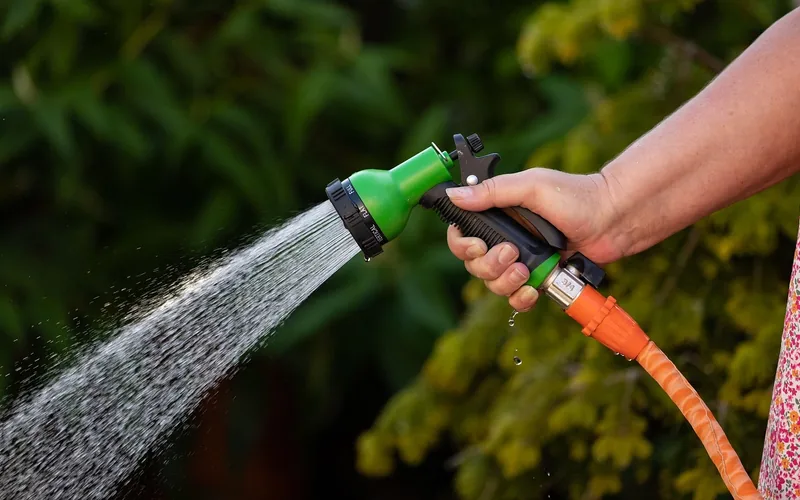
- Keep water or an extinguisher within reach the entire time: A garden hose charged and ready, or a rated fire extinguisher, before you strike the match — not after.
- Never leave it unattended: Stay with the fire until it’s fully out, not just low.
- Drown and stir the ash before you leave: Embers can stay hot under ash for hours; soak, stir, and feel for heat before walking away.
|
Best Outdoor Fire Safety Pick |
|
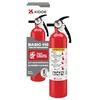 |
Kidde Basic 110 Fire Extinguisher – $19.97 A rated ABC extinguisher is the on-site suppression step 4 of the safety checklist above calls for — keep one within arm’s reach any time you have an open flame outdoors, permitted or not.
|
As an Amazon Associate we earn from qualifying purchases.
Legal Ways to Get Rid of Plywood Without Burning It
Construction and demolition (C&D) recycling facilities take plywood scrap in most metro areas, and many charge by weight rather than by material type. Habitat for Humanity ReStore locations accept larger clean offcuts and full sheets for resale. For a longer list of disposal and reuse options, see our full plywood burning and disposal guide.
“We haul shop offcuts to the local transfer station regularly, and the drop-off fee runs the same per pound whether the plywood is treated or clean. There’s no cost advantage to burning it illegally — recycling it is usually just as cheap and carries zero fine risk.”
Frequently Asked Questions
Can you get in trouble for burning plywood in your backyard?
Yes. Most state and county open-burning ordinances classify plywood as engineered or composite wood, not the untreated “clean wood” or cordwood they permit, so backyard burning can draw a citation even where recreational fires are otherwise allowed. Fire and air-quality departments can issue fines separately from any burn-ban violation.
Is it illegal to burn treated wood outside?
Yes, in effectively every jurisdiction. Wood that’s pressure-treated, painted, or pigment-stained is excluded from open-burning allowances everywhere it’s been checked, because the preservatives and coatings add heavy metals and additional VOCs to the smoke on top of the glue-layer formaldehyde plywood already releases.
Does untreated plywood burn any safer outdoors?
It’s less hazardous than pressure-treated plywood, but not safe by default. Untreated plywood’s veneer layers are still bonded with formaldehyde-based adhesive, so the smoke carries the same basic chemical risk as treated sheet goods — local ordinances usually don’t distinguish between the two for burning purposes even though they matter for disposal and recycling.
What’s the fine for illegal open burning?
It varies by county, but published state and municipal schedules for open-burning violations commonly run from a couple hundred dollars for a first offense up into the thousands for repeat violations or burns that require a fire department response. Your local fire marshal’s office or county environmental office posts the actual number for your area.
Burning plywood outside isn’t just a health question — it’s very likely a legal one, and the two rules (health and law) don’t always line up with intuition about what looks like “just wood.” Before you strike a match on anything that isn’t seasoned cordwood, a two-minute call to your county fire marshal or a check of your state’s open-burning page settles it faster than guessing. When in doubt, recycle or drop it off — it’s usually free or close to it, and it comes with zero fine risk.
Sponsored / affiliate links. As an Amazon Associate I earn from qualifying purchases. I may earn additional commission from eligible campaigns.