Can Baking Powder Really Get Rid of Stains? The Truth
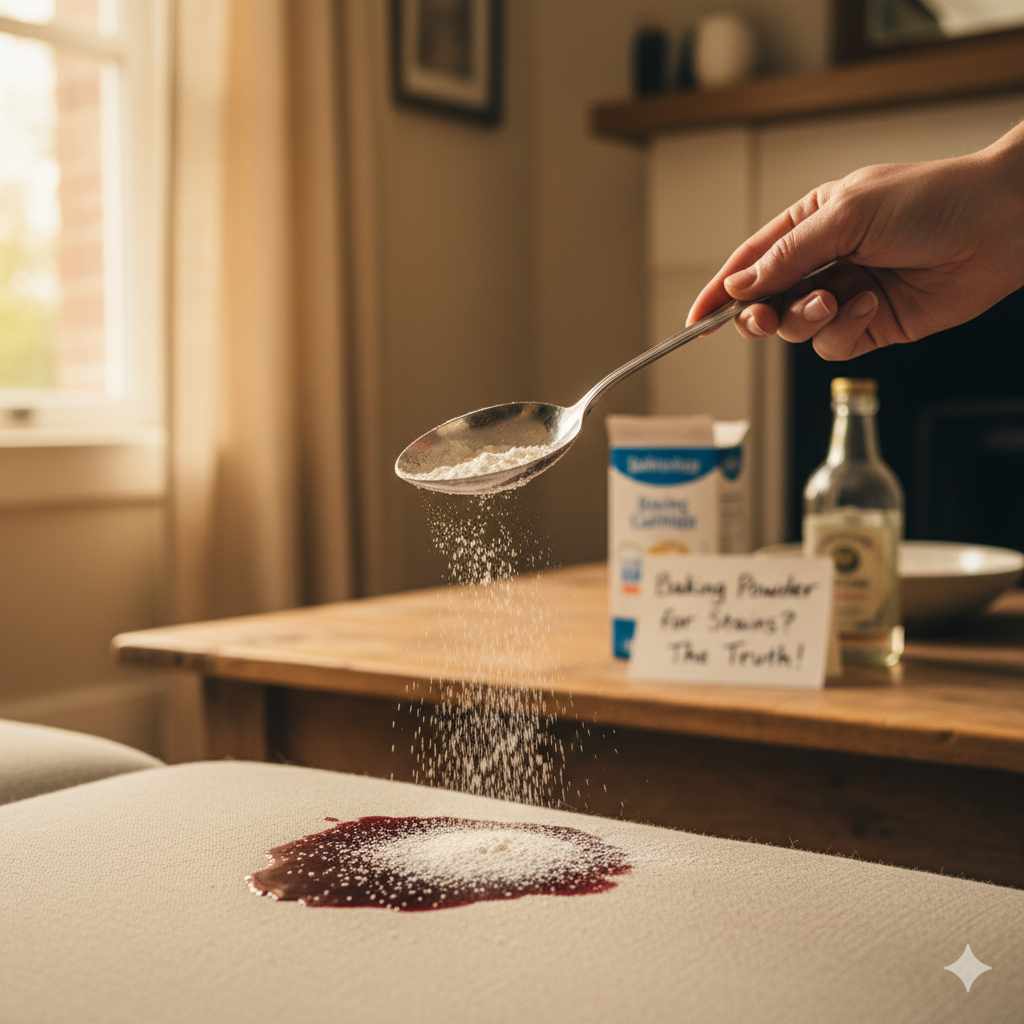
So, you’re curious about whether Can Baking Powder Remove Stains? It’s a question many beginners ask. Getting stains out can feel tricky! Don’t worry, though; it’s easier than you think. You’ve probably got some baking powder in your kitchen right now. This post will show you, step-by-step, how to use it to fight those pesky spots on your clothes and more. Let’s see how this common household item can help you!
Baking Powder’s Stain-Fighting Powers Unveiled
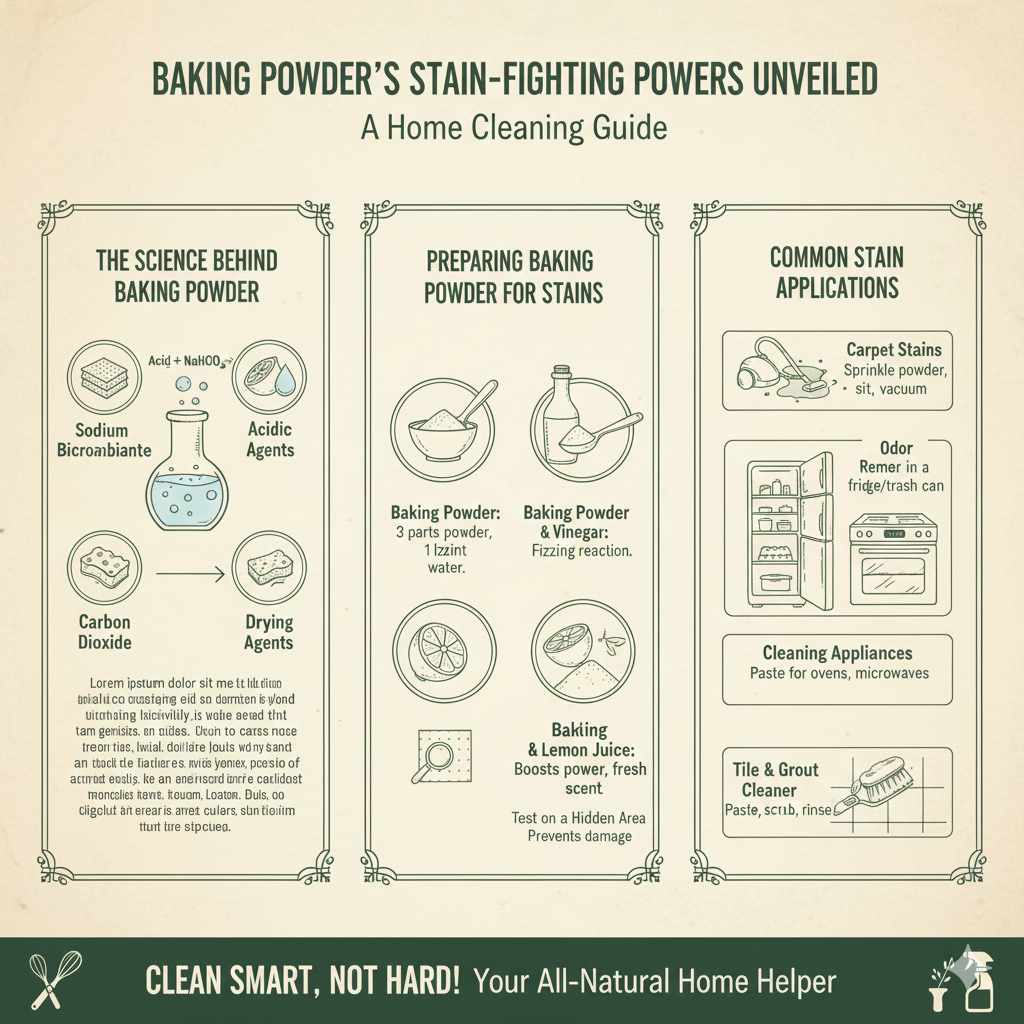
Baking powder is more than just a leavening agent for cakes. It’s a versatile cleaner that can be a great asset in your cleaning arsenal. Its active ingredients work in combination to lift and neutralize various stains. Baking powder is composed of sodium bicarbonate (baking soda), an acid, and a drying agent. When mixed with water, the acid and baking soda react, creating carbon dioxide. This fizzes and helps lift stains from surfaces. The drying agent helps to absorb the stain, making it easier to remove. The effectiveness varies based on the type of stain and the surface, but it’s a safe and often effective method for many common household messes. To begin, let’s explore the basic science behind its cleaning abilities.
The Science Behind Baking Powder
Baking powder’s effectiveness stems from its chemical composition. Understanding these ingredients helps explain its stain-removing power. Sodium bicarbonate, the main component of baking powder, is a mild alkaline. It helps to neutralize acidic stains, which are common in foods like coffee and tomato sauce. When baking powder mixes with water, it creates a reaction that releases carbon dioxide. This gas creates a gentle fizzing action that helps to lift the stain away from the surface of the fabric or material. The acid used in baking powder acts as a catalyst in this reaction, enhancing the stain-fighting process. The drying agent absorbs any remaining stain residue, making it easier to remove. Knowing the basic principles allows you to use baking powder more effectively.
- Sodium Bicarbonate (Baking Soda): This is the main ingredient. It’s a mild abrasive and helps to neutralize odors and lift stains. It is the base ingredient that starts the stain-removal process.
- Acidic Agents: These are added to baking powder to create the fizzing action when it gets wet. They help to break down stains, making them easier to remove. This is the activation key for the stain removal power of baking powder.
- Drying Agents: These help to absorb moisture and any remaining stain residue. They also help to prevent the stain from spreading. Drying agents complete the cleaning cycle.
- Carbon Dioxide: The gas produced when baking powder reacts with water is a mild cleaner. This gentle action helps to lift stains. This component is the primary stain lifter.
The combination of these elements makes baking powder a surprisingly effective stain remover, especially for fresh stains or those on delicate materials. The fizzing action and slight abrasiveness break down and lift away the stain, while the absorbent qualities help soak up and remove it. The chemical reaction is often gentle, making it a good choice for surfaces you might hesitate to treat with harsh chemicals.
Baking Powder’s Versatility: Beyond Laundry
Baking powder isn’t just for clothes; it’s useful in many other cleaning situations. From carpets to countertops, it can often tackle stains effectively. Its mild abrasive nature makes it ideal for scrubbing away grime without damaging surfaces. It’s a good option for people who want to avoid harsh chemicals around children and pets. The versatility of baking powder makes it a helpful addition to any household cleaning routine, showing its ability to handle different kinds of stains. Keep in mind that different surfaces react differently to cleaning agents. Always test in a small, hidden area first.
- Carpet Stains: Baking powder can be used to treat fresh spills on carpets. Sprinkle a generous amount of baking powder over the stain and let it sit for a while before vacuuming.
- Odor Removal: Baking powder can be used to remove odors from trash cans, refrigerators, and other areas. Sprinkle a layer of baking powder at the bottom to absorb smells.
- Cleaning Appliances: You can make a paste of baking powder and water to clean ovens, microwaves, and dishwashers. Use the paste to scrub away any food debris or marks.
- Tile and Grout Cleaner: Combine baking powder and water to make a paste and apply to tile and grout. Scrub with a brush and rinse clean.
The gentle yet effective cleaning abilities make baking powder suitable for various surfaces. It can safely clean areas where you wouldn’t want to apply stronger chemical solutions. With a simple method, this common pantry item can become a go-to cleaner for a range of household issues.
Using Baking Powder: How to Tackle Specific Stains
Knowing how to apply baking powder for different stains will help you get the best results. The process varies slightly depending on the type of stain and the material it is on. Timing is important. The sooner you treat a stain, the better. Always blot, do not rub, to prevent the stain from spreading. Remember to test on an inconspicuous area first to ensure the material doesn’t get discolored. Different stains will need different approaches, so let’s investigate the best cleaning steps.
Stain Removal Methods with Baking Powder
The stain removal process with baking powder typically involves a few simple steps. The approach changes slightly, based on the type of stain and the material. The right use of baking powder can make the difference between a ruined garment or a fresh, clean item. Different methods are used depending on the surface and stain type, and the process can be adjusted for your specific needs. Understanding these methods increases your chances of success.
- Make a Paste: Mix baking powder with a small amount of water to create a paste. The consistency should be thick enough to apply to the stain but not too watery.
- Apply the Paste: Spread the paste over the stain. For tougher stains, gently rub it into the fabric with a soft brush or your fingers.
- Let It Sit: Allow the paste to sit on the stain for 15-30 minutes. This gives the baking powder time to do its job.
- Rinse or Wash: Rinse the area thoroughly with cold water. For clothing, wash as usual. Make sure the stain is gone before putting the item in the dryer.
Proper preparation is important. When tackling stains, start with cold water; heat can set some stains. Avoid rubbing, which can spread the stain. Always test in an inconspicuous area before applying to the entire item. Different materials need different approaches, so it’s a good idea to know the fabric type. With these simple tips, baking powder can be a great tool for removing stains.
Dealing With Common Stains
Different stains require slight variations in the application of baking powder. From food spills to ink marks, understanding these nuances can help you succeed. The main idea is to customize your approach based on the specific type of stain. It makes a big difference if you adjust to the kind of substance causing the stain. These methods will help you get those items clean!
- Grease and Oil Stains: Sprinkle baking powder generously over the stain, making sure the powder covers the entire area. Let it sit for several hours or overnight to absorb the oil. Then, brush off the powder and wash the item.
- Ink Stains: Make a baking powder paste with a little water. Apply it to the ink stain and let it sit for about 30 minutes. Rinse with cold water and wash. Repeat as necessary.
- Coffee and Tea Stains: Act fast! Blot up any excess liquid and then make a paste of baking powder and water. Apply this to the stain, let it sit for about an hour, and then rinse with cold water and wash.
- Blood Stains: Rinse the stained area with cold water first. Then make a paste of baking powder and water. Apply the paste and let it sit for about 30 minutes. Rinse and wash.
Knowing how to deal with common household stains can make a big difference in the longevity of your belongings. These methods can improve your cleaning success. Proper application and timing will improve your results! It’s useful to keep these tips in mind for future mishaps.
Advanced Techniques and Tips for Optimal Results
To use baking powder effectively, there are a few extra tips and techniques you can consider. These suggestions will help you maximize its effectiveness and get the best results. It is important to know the different options, as this will help you handle a wider array of stains. By learning these additional methods, you can become an expert at using this common household item. Let’s explore these added recommendations.
Enhancing Baking Powder’s Stain Removal Ability
You can sometimes boost baking powder’s stain-removing power by using it with other cleaning agents. When these substances work together, they can often improve the results. Some of these mixes are only effective for certain types of stains. The right combination can often lead to a cleaner item. However, remember to always test on an hidden spot before applying the solution on the main stain.
- Baking Powder and Vinegar: Mixing baking powder with white vinegar can create a powerful cleaning solution. The vinegar’s acidity can help dissolve stains, while the baking powder acts as a mild abrasive.
- Baking Powder and Lemon Juice: Lemon juice contains natural bleaching properties and can help lift stains. Mix it with baking powder to create a paste and apply it to the stain.
- Baking Powder and Hydrogen Peroxide: Hydrogen peroxide has bleaching properties that are effective for treating tough stains. The addition of baking powder can provide an added boost.
- Water and Baking Soda Paste: For many stains, a paste made from water and baking soda alone is sufficient.
Always exercise caution when mixing cleaning agents. Some combinations can produce dangerous fumes. When working with unknown combinations, remember that it’s safer to start with small amounts. It is often a good practice to use these combinations in well-ventilated spaces. By learning these tips, you’ll be on your way to effective stain removal.
Fabric and Surface Considerations
Different fabrics and surfaces react differently to baking powder. Understanding these differences will help you prevent any damage. Consider the material and stain type. It’s always best to be informed and careful. Learning the ways different materials respond will increase your chances of success. By being aware of these differences, you will prevent any issues.
- Delicate Fabrics: For delicate fabrics like silk or wool, test a small area first to make sure the baking powder does not cause any discoloration or damage. It may be necessary to dilute the baking powder paste.
- Dark-Colored Fabrics: Be cautious when using baking powder on dark-colored fabrics, as it could lighten the fabric slightly. Test on a hidden area first.
- Hard Surfaces: Baking powder can be used on hard surfaces like countertops and tile. Be sure to rinse thoroughly after scrubbing to remove any residue.
- Leather: Avoid using baking powder on leather, as it can dry out the material.
Knowing how to treat different materials can protect your items. Always start with a small test to make sure you won’t get any undesired results. By understanding these issues, you will be better equipped to handle a wider array of cleaning tasks. Proper care and consideration can often help to extend the life of your items.
| Fabric/Surface Type | Method | Caution |
|---|---|---|
| Cotton | Apply paste, let sit, rinse | Generally safe |
| Silk | Diluted paste, short contact | Test for colorfastness |
| Wool | Avoid or very gentle application | May cause damage |
| Hard Surfaces | Paste, scrub, rinse | Ensure thorough rinsing |
The table provides a simple overview. This information will help you adapt your cleaning method to different materials. Being mindful of these nuances can often prevent damage to your items.
Frequently Asked Questions
Question: Can I use baking powder on all types of stains?
Answer: Baking powder works well on many stains, especially fresh ones. However, it may not be as effective on older, set-in stains or very stubborn marks. It’s always best to test in a small area before treating the entire stain.
Question: What’s the difference between baking soda and baking powder?
Answer: While both are effective cleaners, they have different compositions. Baking soda (sodium bicarbonate) is a single ingredient, while baking powder contains baking soda plus an acid and a drying agent. Baking powder has these extra ingredients for a quicker reaction. For cleaning, they can often be used interchangeably, but baking powder is usually best when you need a stronger reaction.
Question: Can baking powder damage my clothes?
Answer: Generally, baking powder is safe for most fabrics. However, it’s best to test it on a hidden area of the item before applying it to the stain. Delicate fabrics, dark colors, and certain materials can be more susceptible to discoloration or damage, so always proceed with caution.
Question: What if the stain doesn’t come out after one try?
Answer: For stubborn stains, repeat the process. You can also try letting the baking powder paste sit for longer, or experimenting with other cleaning combinations (like vinegar). Sometimes multiple applications are needed, or the stain might be too ingrained.
Question: Can I use baking powder on upholstery or carpets?
Answer: Yes, baking powder can be helpful on upholstery and carpets. Sprinkle it on the stain, let it sit, and then vacuum it up. For upholstery, test it on a hidden area first. Always blot, do not rub, to prevent the stain from spreading.
Final Thoughts
So, Can Baking Powder Remove Stains? Yes, it definitely can! As we’ve seen, baking powder is a surprisingly effective and versatile cleaner for a range of household stains. It’s safe, affordable, and readily available in most kitchens. By understanding how baking powder works and the best methods for different stains, you can boost its cleaning power. Remember to always start with a test, apply the paste, let it sit, and rinse well. You now have the knowledge to tackle those spots on your clothes and in your home. Go ahead and put this cleaning method to the test! Happy cleaning!