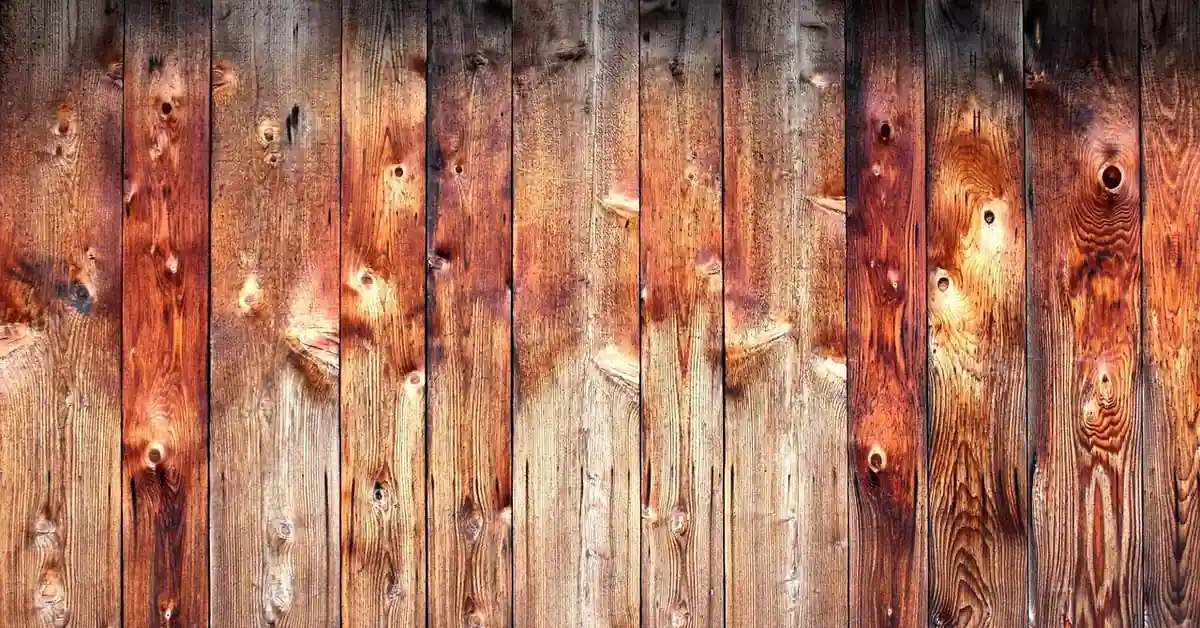
How to Keep Wood Stain From Bleeding
Wood stain bleeds when tannins or over-absorbed pigment push back through the surface — usually on porous woods like pine, cherry, birch, and oak — leaving dark blotches or streaks that show through paint and topcoats. Left uncorrected, bleed-through can ruin a finish that took hours to apply. This guide covers what actually causes bleeding versus ordinary blotching, how to pre-seal with dewaxed shellac or a stain-blocking primer, and how to fix a stain that has already bled.
Quick Answer
To keep wood stain from bleeding, pre-seal the wood with a 1-lb-cut dewaxed shellac wash coat (or a pre-stain conditioner on softwoods), then wipe the stain on with a rag instead of flooding it with a brush. On tannin-heavy species like oak, cherry, and mahogany, use a stain-blocking primer under paint. If bleed-through has already happened, wipe the area with mineral spirits before it fully cures.
Bleeding vs. Blotching: Two Different Problems
Best Pre-Stain Conditioner Pick
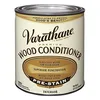
Varathane 211775H Premium Wood Conditioner, Quart
A water-based pre-stain conditioner that pre-seals porous softwood grain so stain absorbs evenly instead of blotching.
- Best for: Pine, birch, maple, and alder before staining
- Why we picked it: Fast-drying, low-odor formula made specifically for blotch-prone softwoods
- Main drawback: Must be applied within 2 hours of staining or it loses effectiveness
Compare more anti-bleed options
 Option 1 Zinsser Bulls Eye Shellac, Traditional Finish & Sealer, Clear, 12oz Spray
|
 Option 2 Zinsser Cover-Stain Stain-Blocking Primer, Quart
|
 Option 3 General Finishes Oil Based Pre-Stain Wood Conditioner, 1 Quart
|
As an Amazon Associate we earn from qualifying purchases.
Stain bleeding is tannins or resin migrating up through a finish or paint layer after it has dried, usually appearing as brown or amber discoloration days or weeks later. Blotching is uneven stain absorption that shows up immediately during application, caused by inconsistent density in the wood grain. They look similar but need different fixes — bleeding needs a sealing barrier, blotching needs surface preparation.
Oak, mahogany, cedar, and redwood are the most common sources of true tannin bleed-through, especially under white or light-colored paint. Pine, cherry, maple, birch, and alder rarely bleed through paint but blotch heavily when stained directly, because their density varies sharply between earlywood and latewood growth rings.
Which Woods Are Most at Risk
Match the species to the correct pre-treatment before you open the stain can — using a blotch-control conditioner on a tannin-bleed species (or vice versa) wastes a coat and doesn’t solve the actual problem.
| Species | Main Risk | Pre-Treatment |
|---|---|---|
| Pine, Birch, Maple, Alder | Blotching (uneven absorption) | Water-based pre-stain conditioner |
| Cherry | Severe blotching, dark end grain | Dewaxed shellac wash coat (1-lb cut) |
| Oak, Ash | Tannin bleed under paint, open grain | Dewaxed shellac or gel stain |
| Mahogany, Cedar, Redwood | Heavy tannin bleed-through | Stain-blocking primer (before paint) |
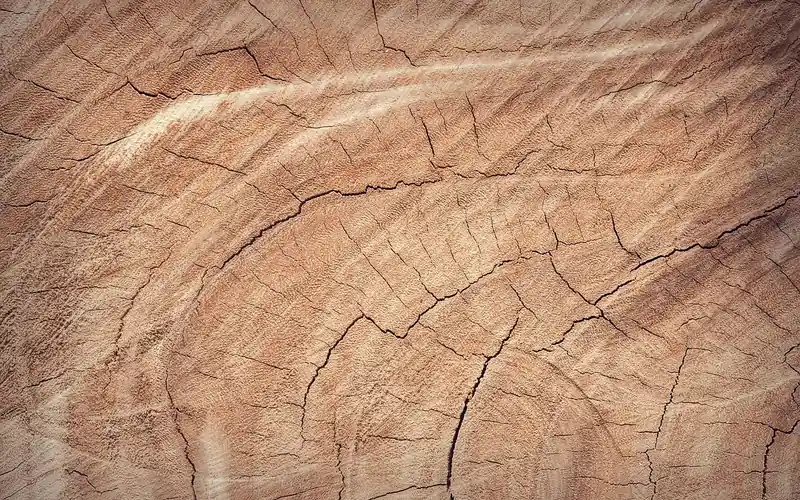
How to Prevent Wood Stain From Bleeding
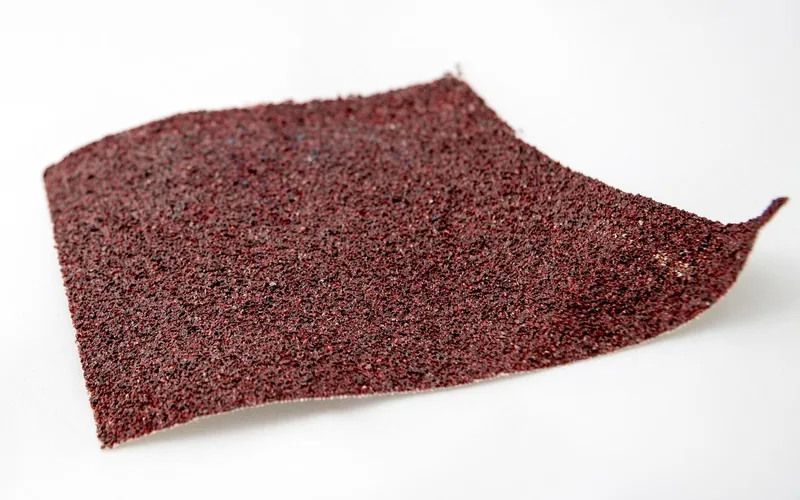
- Sand to at least 180-grit: Torn or rough grain fibers absorb stain unevenly. Sand in the direction of the grain and remove all dust with a tack cloth before conditioning.
- Choose the right pre-treatment for the species: Use a water-based pre-stain conditioner on pine, birch, maple, or alder. Use a dewaxed shellac wash coat (about a 1-lb cut, roughly one part shellac flakes to a gallon of denatured alcohol) on cherry, oak, or any wood prone to tannin bleed.
- Let the conditioner dry fully: Water-based conditioners need about 15–30 minutes; shellac wash coats dry in under an hour. Staining over a wet conditioner traps moisture and causes blotching anyway.
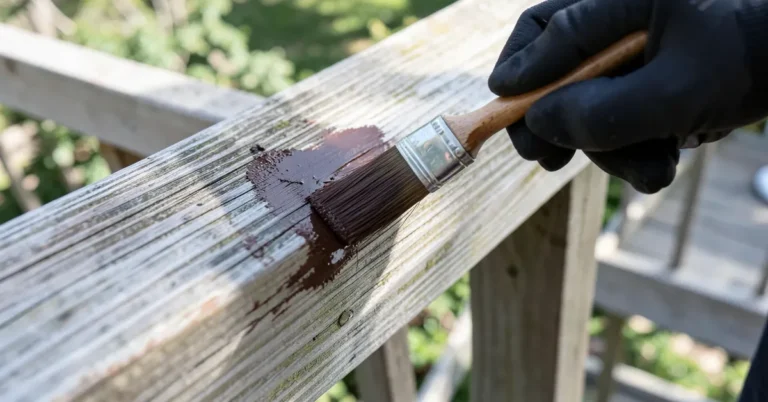
- Wipe the stain on, don’t brush it on: Apply with a clean cotton rag or foam applicator in the direction of the grain, then wipe off the excess within 5–15 minutes. Brushing floods the surface and forces more pigment into the already-porous areas, which is what triggers bleeding.
- Work in 60–80°F with low humidity: Above 90°F the stain skins over before it can be wiped evenly; high humidity slows drying and increases the chance tannins migrate to the surface.
- Seal with a compatible topcoat: Once the stain is fully dry, apply a water-resistant, UV-protective sealer in thin coats. This locks the color in and blocks any residual tannin migration.
How to Fix Stain That Has Already Bled
If bleed-through shows up while the stain is still workable, dampen a clean cloth with mineral spirits (or naphtha for a faster-evaporating option) and wipe the affected area in the direction of the grain. This lifts the excess pigment sitting on the surface without disturbing the stain that has already penetrated evenly. Let the area dry fully, then judge whether a second light coat is needed to even out the color.
If the stain has already dried and bleed marks are showing through paint or a topcoat, sand back to bare wood in that section, apply a stain-blocking primer or dewaxed shellac wash coat, and restain only that area using a test patch first to match the surrounding color.
Common Mistakes That Cause Bleeding
- Skipping the pre-stain conditioner or shellac wash coat on porous or tannin-heavy species
- Brushing stain on heavily instead of wiping it on and off — this over-saturates the grain
- Staining before the conditioner has fully dried, which traps moisture under the finish
- Applying paint directly over raw oak, cedar, or mahogany without a stain-blocking primer
- Working in high humidity or above 90°F, which slows drying and increases tannin migration
Uneven bleeding can also show up as color problems after the fact — if your finish looks discolored rather than blotchy, see our guide on why wood stain turns yellow. And if you’re staining a naturally blotch-prone species like poplar, our poplar staining guide covers species-specific conditioning in more depth.
Choosing between stain types also affects bleed risk — see our gel stain vs. oil stain comparison for which sits on the surface versus penetrates deep. For a full breakdown of stains, oils, sealers, and cure times across every finish type, check the complete wood finishing guide.
Frequently Asked Questions
How Do I Prevent Wood Stain Bleeding?
Sand the wood to at least 180-grit, apply a water-based pre-stain conditioner on softwoods like pine and birch, or a dewaxed shellac wash coat on tannin-heavy woods like oak and cherry. Let the pre-treatment dry fully, then wipe the stain on with a rag instead of brushing, wiping off excess within 15 minutes.
What Is The Best Wood Stain For Preventing Bleeding?
Gel stain resists bleeding because it sits on top of the wood rather than soaking in deeply, making it a good choice for vertical surfaces and blotch-prone species. For tannin-bleed species like oak and mahogany, pairing any stain with a dewaxed shellac pre-seal matters more than the stain type itself.
Why Does Wood Stain Bleed Through Paint?
Tannins and natural resins in woods like oak, mahogany, cedar, and redwood dissolve in the paint’s moisture or solvent and migrate to the surface as the paint dries, appearing as brown or amber discoloration days later. A stain-blocking primer or dewaxed shellac coat forms a barrier the tannins can’t cross.
Should I Use A Sealant After Staining?
Yes. A water-resistant, UV-protective sealant locks in the stain color and adds a barrier against moisture, which reduces the chance of any residual tannin bleed-through over time. Apply it in thin coats only after the stain is fully dry.
Can I Stain Over Old Stain Without Bleeding?
Yes, if you sand off any loose or flaking finish first and clean the surface of dust and residue. Use a stain type compatible with the existing finish, and test on a hidden area first, since old finishes can trap solvents that cause the new coat to bleed or lift.
Conclusion
Wood stain bleeds when the wrong pre-treatment meets the wrong species — softwoods blotch from uneven absorption, while oak, cherry, and mahogany push tannins back through paint. Match the pre-seal to the wood, wipe the stain on instead of flooding it with a brush, and keep mineral spirits on hand in case bleed-through shows up before the stain fully cures.
Sponsored / affiliate links. As an Amazon Associate I earn from qualifying purchases. I may earn additional commission from eligible campaigns.