Can Burning Treated Wood Be Dangerous?
Many people wonder, Can Burning Treated Wood Be Dangerous? It’s a common question, especially for those new to using wood for heat or in outdoor fires. Treated wood looks like regular wood, but it has chemicals added to help it last longer. When you burn it, those chemicals can turn into smoke.
This smoke might not smell good, and it could cause problems. Don’t worry, though! We’ll break down exactly why burning treated wood can be risky and what you need to know to stay safe.
We will make this super simple to follow.
Why Treated Wood Burns Differently
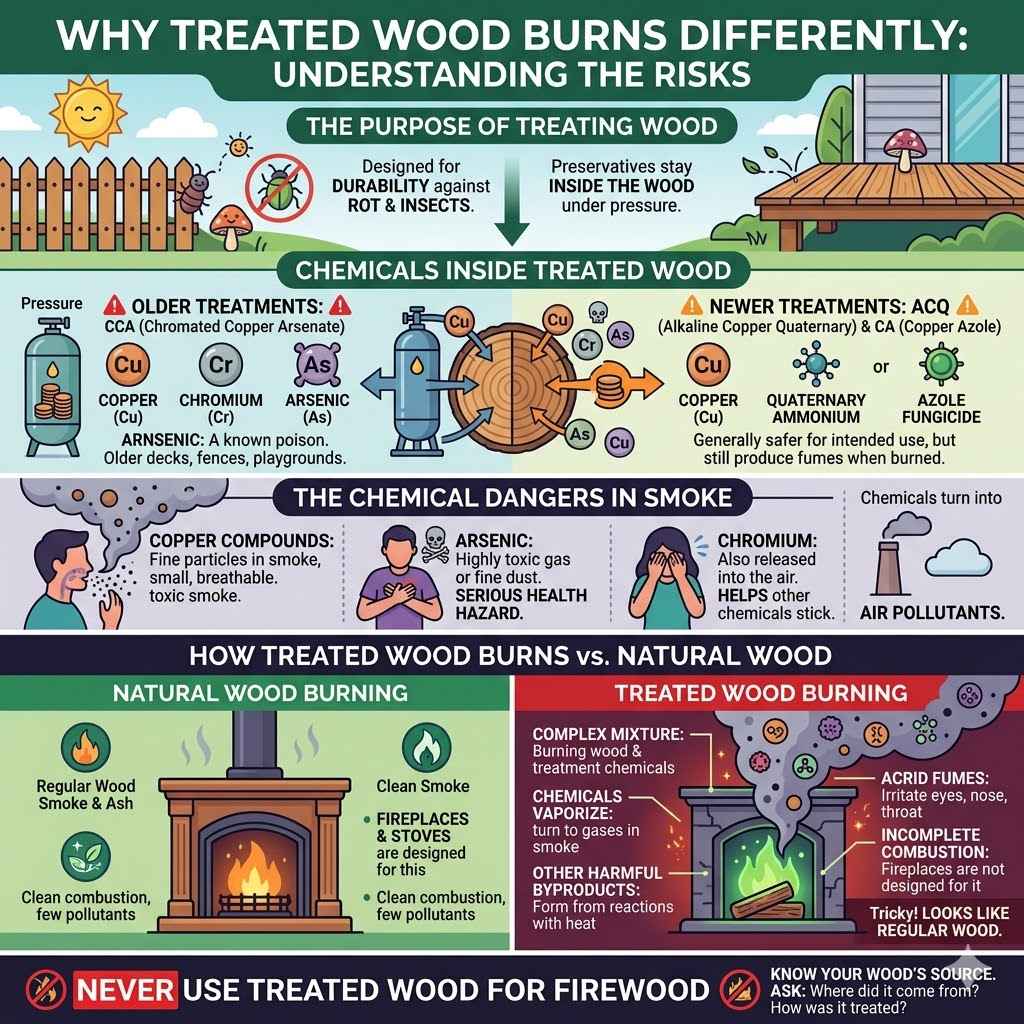
Treated wood is made to withstand rot and insects. This is great for fences and decks, but it changes how the wood burns. The chemicals used to treat the wood, often called preservatives, are designed to stay inside the wood.
When you burn it, these chemicals heat up and can release harmful substances into the air. This is the main reason why burning treated wood is a concern for safety and the environment. Understanding these differences helps explain why it’s not a good idea to burn it like regular firewood.
The Chemicals in Treated Wood
Treated wood contains chemicals that are important to know about. These chemicals are put into the wood under pressure. This helps them go deep inside to protect it.
They stop bugs and fungi from eating the wood. Common chemicals include copper, chromium, and arsenic, often referred to as CCA in older wood. Newer treatments use chemicals like Alkaline Copper Quaternary (ACQ) or Copper Azole (CA).
While these are generally safer for their intended use, they still produce fumes when burned.
For many years, CCA was common. This mix contained arsenic, which is a known poison. Even though CCA is used less now for residential wood, older decks, fences, and playground equipment might still be made with it.
The copper in ACQ and CA can also cause issues when burned. These metal compounds can be released as fine particles in the smoke. This makes the smoke toxic.
The way wood is treated also matters. Some wood is treated by dipping or spraying. Other wood is put in a special tank and put under pressure.
This forces the chemicals deep into the wood. The more chemicals there are, and the deeper they are, the more of them will be released when burned.
- Copper Compounds: Copper is often used to fight off fungi and insects. When copper-treated wood burns, it can release copper particles into the air. These particles are very small and can be breathed in.
- Arsenic: Older treated wood might contain arsenic. Arsenic is a highly toxic element. Burning wood with arsenic releases it as a gas or fine dust. This is a serious health hazard.
- Chromium: Chromium is sometimes used along with copper and arsenic. It helps the other chemicals stick to the wood better. Chromium can also be released into the air when burned.
These chemicals are not meant to be inhaled or released into the atmosphere. They are there to protect the wood from decay and pests when used outdoors. Burning them turns them into air pollutants.
This is why treated wood should never be used for firewood. The risk to your health and the environment is too high.
How Treated Wood Burns
When treated wood burns, it doesn’t just turn into ash and smoke like natural wood. The added chemicals can behave differently at high temperatures. Some of these chemicals vaporize, meaning they turn into gases and mix with the smoke.
Others might remain as fine particles or dust. This creates a smoke that is not just regular wood smoke. It’s a complex mixture of burning wood and the released treatment chemicals.
The fire might also burn hotter or in a different way due to the chemicals. Some preservatives contain metallic compounds. These can sometimes glow or give off sparks.
The fumes produced are often acrid and unpleasant. They can irritate your eyes, nose, and throat. This is an early sign that something in the smoke is not right.
The amount of danger depends on the type of treatment and how much of it is in the wood. Older treatments, like CCA, are much more dangerous when burned than newer ones. However, even newer treated woods can release harmful substances.
It’s never worth the risk to burn them. Imagine a beautiful log on the fire, but it’s secretly releasing dangerous fumes. That’s the tricky part about treated wood.
The smoke from burning treated wood can also contain other harmful byproducts. These can form when the chemicals react with the heat and oxygen in the fire. This means the smoke is not just the original chemicals but also new, potentially more dangerous compounds.
Fireplaces and wood stoves are designed to burn natural wood cleanly. They are not designed to handle the complex chemical reactions that happen when treated wood burns. This can lead to incomplete combustion, where not all the harmful substances are destroyed.
One of the biggest issues is that treated wood can look very much like regular firewood. It’s often the same color and texture. Unless you know the wood was treated, it’s easy to accidentally burn it.
This is why it’s important to be sure of your wood’s source. Always ask where it came from and how it was treated.
Health Risks of Burning Treated Wood
Burning treated wood can release a variety of harmful chemicals into the air. These chemicals can cause immediate health problems and long-term risks. The smoke is the main problem.
When you breathe in this smoke, the toxic particles and gases can get into your lungs and even your bloodstream.
The chemicals found in treated wood, like arsenic and chromium, are known carcinogens. This means they can cause cancer. Even if you don’t burn treated wood very often, repeated exposure to low levels of these toxins can build up in your body over time.
This increases your risk of developing serious illnesses.
The immediate effects can be just as unpleasant. You might experience coughing, wheezing, or difficulty breathing. Your eyes can become red and watery.
You might also get headaches, nausea, or dizziness. These are your body’s signals that something harmful is in the air you are breathing.
Children, the elderly, and people with existing respiratory problems like asthma are especially vulnerable. Their bodies are less able to fight off the effects of toxic smoke. Burning treated wood can make asthma worse and trigger severe breathing attacks.
It can also affect the development of children’s lungs and bodies.
Respiratory Issues
The smoke from burning treated wood is very harsh on the lungs. The tiny particles from the chemicals can get deep into your airways. They can cause inflammation and swelling.
This makes it harder for your lungs to take in oxygen. For people with asthma or other lung diseases, this can be very dangerous.
Symptoms can include a persistent cough, shortness of breath, and chest tightness. You might find yourself coughing up mucus. In severe cases, it can lead to bronchitis or pneumonia.
Even if you don’t have lung problems, breathing this smoke can make you feel sick and tired.
The irritation from the smoke can last for a long time. It’s not just a quick sniffle. Repeated exposure can lead to chronic lung conditions.
This means your lungs may never fully recover. Imagine trying to run a race after breathing in dirt and chemicals. Your body has to work much harder just to function normally.
Consider a scenario where a family has a backyard bonfire. They are unaware that some of the wood they are burning is old deck wood. A child with mild asthma is playing nearby.
The smoke from the treated wood irritates their airways, triggering a severe asthma attack. They need immediate medical attention. This is a real-life example of how quickly things can go wrong.
The chemicals can also affect the lining of your lungs. This lining is important for keeping your lungs clean and healthy. When it’s damaged, it’s harder for your lungs to clear out mucus and debris.
This makes you more prone to infections. So, the damage is not just about breathing difficulty but also about weakening your body’s defenses.
Long-Term Health Concerns
The chemicals in treated wood are not just a temporary irritant. Some of them are known carcinogens. This means they can cause cancer.
The most concerning chemical is arsenic, which was used in older treated wood. Arsenic is a well-known cause of lung cancer, skin cancer, and other types of cancer.
Even if the wood doesn’t contain arsenic, other chemicals can still pose long-term risks. Chromium compounds, for example, have been linked to lung cancer. While the levels released from burning treated wood might be low, consistent exposure can still be harmful.
This is especially true for people who burn treated wood regularly, perhaps in an older home with a wood-burning stove as a primary heat source.
The fine particles released from burning treated wood are also a concern. These microscopic particles can get past the body’s natural defenses. They can lodge themselves in the lungs and even enter the bloodstream.
Over time, these particles can contribute to heart disease and other cardiovascular problems. They can also affect other organs in your body.
A study published in the Journal of Environmental Health found that individuals living near areas where treated wood was burned showed higher levels of certain heavy metals in their blood. This highlights the widespread impact of burning treated wood, affecting not just the person burning it but also their neighbors and the wider environment. The chemicals don’t just disappear; they spread.
It’s important to remember that our bodies have limits. While they can cope with small amounts of toxins, prolonged exposure can overwhelm them. This is why avoiding the burning of treated wood is a crucial step for protecting your health and the health of your community.
The risks are real and can have serious consequences that appear years later.
Environmental Impact
Burning treated wood doesn’t just harm the people breathing the smoke. It also pollutes the environment. The chemicals released can get into the soil and water.
This can harm plants and animals. It can make the air quality worse for everyone.
When the smoke rises, it can travel long distances. This means the pollution from one backyard bonfire can affect people miles away. It adds to the overall burden of air pollution in our communities.
This is especially bad in areas that already struggle with poor air quality.
The chemicals can also contaminate the ash left behind. If this ash ends up in gardens or landfills, the toxins can leach into the ground. This makes gardening unsafe.
It can also contaminate water sources. This is a cyclical problem where the pollution continues to spread.
Think about how rain washes over the ash. It carries the chemicals into nearby streams or into the groundwater. This water is then used for drinking or for irrigating crops.
The pollution is essentially being fed back into the food chain. This is why responsible disposal of any ash from treated wood is also important, although burning it in the first place is the real issue.
The long-term effects on ecosystems can be significant. Some chemicals are persistent, meaning they break down very slowly in the environment. They can accumulate in the tissues of living organisms.
This can disrupt food chains and harm wildlife. For example, small amounts of heavy metals in the soil might be absorbed by plants. Then, animals that eat those plants ingest the metals.
This biomagnification process means the toxins become more concentrated at higher levels of the food chain.
Identifying Treated Wood
It’s not always easy to tell if wood is treated. It often looks just like natural wood. However, there are some clues you can look for.
Knowing these signs can help you avoid the dangerous mistake of burning treated wood.
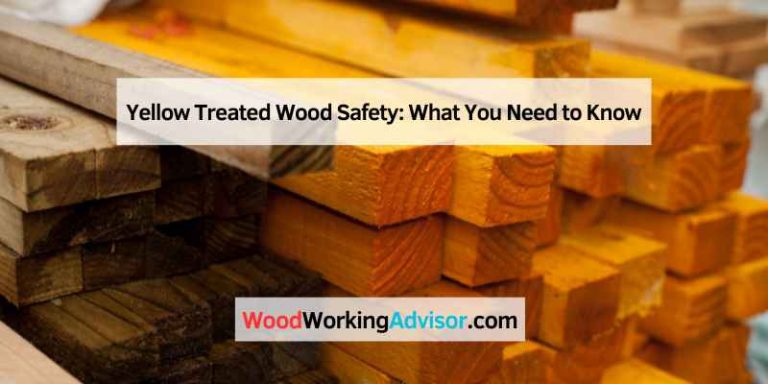
The most obvious sign is if the wood has a greenish or brownish tint. This is often due to the copper-based preservatives. Some treated wood also has a smoother, more uniform appearance than natural wood because it has been pressure-treated.
You might also see small holes from the treatment process.
If the wood is stamped or marked, that’s a clear indicator. Look for labels that say “ACQ,” “CA,” “CCA,” or similar abbreviations. These marks are usually on the ends of the boards or on the sides.
They are put there to let people know the wood has been treated and for what purpose.
Another hint is the source of the wood. If you got it from a construction site for a deck, fence, or playground, it’s very likely treated. Lumber yards sell treated wood for these purposes.
If you’re unsure, it’s always best to assume it’s treated and not burn it.
Visual Clues
Treated wood often has a distinct color. The most common color is a greenish hue, especially in wood treated with copper-based preservatives like ACQ or CA. This green color can fade over time to a grayish or brownish color as the wood weathers.
However, if you see a noticeable green tint, it’s a strong sign that the wood has been treated.
Sometimes, treated wood might have darker spots or lines running through it. These can be areas where the preservative solution has penetrated more deeply. The texture of treated wood can also be different.
It might feel smoother or more dense than untreated wood, especially if it was pressure-treated.
Look closely at the ends of the wood. You might see small, uniformly spaced holes. These are entry points for the preservative chemicals during the pressure-treating process.
If you see these small holes, it’s a good indicator that the wood has been treated. They are like tiny fingerprints left by the treatment process.
Sometimes, the wood might also have a faint chemical smell, though this is not always noticeable. The smell can be more apparent when the wood is wet or freshly cut. If you have a piece of wood that looks unusual, feels different, or has a strange color, it’s wise to avoid burning it.
- Greenish or Brownish Tint: The most common visual cue is a greenish color, especially noticeable on newer wood. This tint may darken or fade over time.
- Small Holes: Look for small, even holes on the ends or sides of the wood. These indicate it was pressure-treated.
- Smooth or Dense Texture: Treated wood can sometimes feel smoother or denser than untreated lumber due to the added chemicals and treatment process.
If you’re building something with wood, you’ll usually know if it’s treated because it’s sold specifically for outdoor use and durability. But if you’re obtaining wood from a source where you’re not sure, these visual checks are your first line of defense. Always err on the side of caution.
Stamps and Labels
Many types of treated wood come with stamps or labels indicating their treatment. These marks are an official way to identify the wood. They tell you what chemicals were used and for what purpose.
These labels are usually found on the ends of the lumber or sometimes on the side of the boards.
Common abbreviations you might see include CCA (Chromated Copper Arsenate), ACQ (Alkaline Copper Quaternary), and CA (Copper Azole). While CCA is less common now, you might still find it on older wood. ACQ and CA are more common in modern treated lumber.
These stamps are put there for consumer safety, so you know what you are working with.
Some labels might also indicate the intended use of the wood. For example, wood treated for ground contact will have a higher level of preservatives than wood meant for above-ground use. This information is important for knowing how the wood was designed to perform and what chemicals are in it.
If you see any of these stamps or labels, do not burn the wood. These markings are a direct warning that the wood contains chemicals that are not safe to release into the air through burning. They are a clear sign that the wood should be disposed of properly, not burned for heat.
It is also a good idea to keep any documentation you might have received when purchasing treated lumber. If you built something with treated wood and have leftovers, you should know if it was treated. This helps you identify potential risks later on.
Being aware of these stamps is crucial for making safe decisions.
Example Stamp:
Imagine you find a piece of wood with a stamp that reads “2×4 ACQ Ground Contact”. This tells you it’s a 2×4 piece of lumber treated with ACQ chemicals, and it’s meant for use in direct contact with the ground. The “ACQ” is the key indicator here that it’s treated and should not be burned.
If you ever doubt whether wood is treated, the safest approach is to assume it is and find an alternative. Burning it could lead to health problems and environmental damage. The cost of replacing damaged lungs or cleaning up contaminated soil is far greater than the cost of buying proper firewood.
When in Doubt, Don’t Burn It
This is the most important rule when it comes to treated wood. If you are not 100% sure that a piece of wood is untreated, do not burn it. It is simply not worth the risk.
There are many potential sources of firewood, and treated wood is not one of them.
Think about the source of your wood. Did it come from a reputable firewood supplier? Or did you find it at a construction site, or was it part of an old deck or fence you removed?
If you have any uncertainty about its origin or treatment, it’s best to avoid burning it. Your health and safety come first.
Even if the wood looks like natural wood and has no visible stamps, it might still be treated. Some treatments can be applied in a way that doesn’t leave obvious marks. The only way to be truly safe is to know for certain that the wood is untreated and safe for burning.
This often means buying firewood from a trusted source.
Consider a scenario where someone is trying to save money by using scrap wood. They find some old planks that look like they could be good for a small campfire. They burn them without a second thought.
Later, they start feeling unwell, experiencing headaches and throat irritation. They don’t immediately connect it to the wood, but the symptoms persist. This is a classic case of unintended exposure to treated wood fumes.
The goal is to enjoy a fire safely. This means using wood that burns cleanly and produces only natural smoke. Treated wood goes against this principle.
Always prioritize safety. If there’s any doubt, put the wood aside and find a safe alternative. The peace of mind that comes from knowing you’re not harming yourself or others is invaluable.
Safe Alternatives to Burning Treated Wood
Since burning treated wood is dangerous, it’s important to know what you can burn safely. The best option is always natural, untreated firewood. This is wood that has been harvested from trees and dried properly.
It burns cleanly and produces natural smoke without harmful chemicals.
There are many sources for safe firewood. You can buy it from local firewood suppliers. They often season the wood, which means it has been dried properly.
This makes it burn better and produce less smoke. You can also find seasoned firewood at hardware stores or garden centers.
If you are gathering wood yourself, make sure it is dead and down. This means fallen branches or trees that are no longer alive. Never cut down live trees for firewood.
Also, be sure to check for any signs of treatment or unnatural colors. If you are unsure, it’s best to leave it.
There are also specific types of wood that are better for burning than others. Hardwoods like oak, maple, and hickory tend to burn longer and hotter than softwoods like pine or fir. Softwoods can be good for starting fires, but they burn faster and can create more creosote buildup in chimneys.
Proper storage of firewood is also key. Keep it dry and off the ground. This helps prevent mold and decay.
Well-stored firewood burns more efficiently and safely. By sticking to these alternatives, you can enjoy your fires without worrying about the dangers of treated wood.
Untreated Firewood
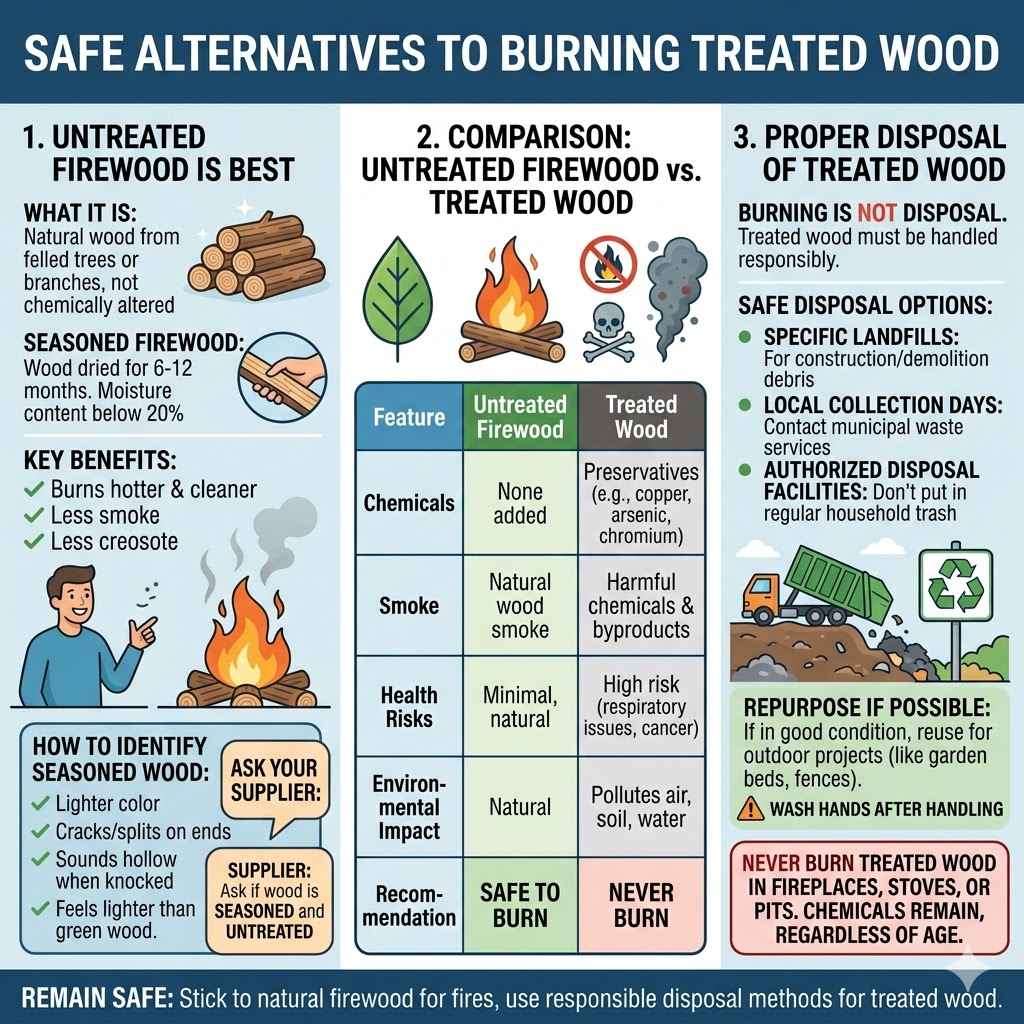
The best and safest wood to burn is completely untreated firewood. This is wood that comes from naturally felled trees or branches. It has not been chemically altered in any way.
When this wood burns, it releases only the natural compounds found in wood. The smoke produced is essentially carbon dioxide, water vapor, and small amounts of other natural gases and particles.
Seasoned firewood is a type of untreated wood that has been dried. Drying wood, or seasoning, reduces its moisture content. This is important because wet wood burns poorly, produces a lot of smoke, and can lead to creosote buildup.
Seasoned wood burns hotter, cleaner, and more efficiently. It typically has a moisture content below 20%.
You can identify seasoned wood by its appearance. It often looks lighter in color and may have cracks or splits on the ends. It also sounds hollow when knocked together and feels lighter than green wood.
A good rule of thumb is to buy firewood that has been seasoned for at least six months to a year.
When you purchase firewood, always ask if it is seasoned and untreated. Reputable suppliers will be able to tell you about the source and drying process of their wood. They want you to have a good experience with your fire.
They know that using the right kind of wood makes all the difference.
Here’s a quick comparison table to help understand the difference:
| Feature | Untreated Firewood | Treated Wood |
|---|---|---|
| Chemicals | None added | Preservatives added (e.g., copper, arsenic, chromium) |
| Smoke | Natural wood smoke | Contains harmful chemicals and byproducts |
| Health Risks | Minimal, natural | High, including respiratory issues and cancer risk |
| Environmental Impact | Natural | Pollutes air, soil, and water |
| Recommendation | Safe to burn | NEVER burn |
By choosing untreated, seasoned firewood, you ensure that your fires are enjoyable, efficient, and most importantly, safe for you, your family, and the environment. This is the key to responsible wood burning.
Proper Disposal of Treated Wood
If you have treated wood that you need to get rid of, burning it is not the right way. Treated wood should be disposed of properly to avoid releasing harmful chemicals into the environment. The best way to dispose of it depends on your local regulations.
In many areas, treated wood is considered construction or demolition debris. You may need to take it to a special landfill that accepts such materials. Some municipalities also have specific collection days or drop-off sites for treated wood.
It’s always a good idea to check with your local waste management services to find out the correct procedure in your area.
Another option is to repurpose the treated wood for its intended use. If it’s still in good condition, you might be able to use it for outdoor projects like building a new garden bed or a small fence. However, remember that even when used outdoors, there can be some risk associated with prolonged contact, especially with older CCA-treated wood.
Always wash your hands after handling treated wood.
If the wood is too damaged to be repurposed, your safest bet is to take it to an authorized disposal facility. Do not put it in your regular household trash bin, as it may contaminate other waste. Also, never burn it in your fireplace, wood stove, or outdoor fire pit.
The risks are too significant.
For example, if you’ve removed an old deck made of treated wood, you can’t just throw the planks in your yard waste bin. You’ll likely need to arrange for a special pickup or transport it yourself to a designated waste disposal site. This ensures that the chemicals are handled responsibly and don’t end up polluting the air or soil.
A common misconception is that if the wood is old, the chemicals are less potent. This is not true. The chemicals remain in the wood, and burning them releases them regardless of the wood’s age.
Therefore, always follow local guidelines for disposal. Responsible disposal is a crucial part of preventing harm from treated wood.
If you are unsure about the disposal options in your area, contact your local government’s public works department or environmental agency. They can provide specific guidance on how to handle treated wood waste. This ensures that the wood is managed in a way that protects both human health and the environment.
Frequently Asked Questions
Question: Is it safe to burn pressure-treated wood?
Answer: No, it is not safe to burn pressure-treated wood. It contains chemicals that release toxic fumes when burned, which can cause serious health problems and pollute the environment.
Question: What are the dangers of burning treated wood?
Answer: Burning treated wood releases harmful chemicals like arsenic, chromium, and copper into the air. These can cause immediate respiratory problems and long-term health issues like cancer. They also harm the environment.
Question: How can I tell if wood is treated?
Answer: Look for a greenish or brownish tint, small holes on the ends, or stamps and labels indicating treatment types like ACQ or CCA. If you are unsure, assume it is treated.
Question: What should I do with treated wood I no longer need?
Answer: Do not burn treated wood. Dispose of it according to your local waste management regulations, which may include taking it to a special landfill or a designated collection site.
Question: Can I burn lumber scraps?
Answer: Only if you are absolutely certain the lumber scraps are untreated. If the scraps came from construction or furniture making, or have any signs of treatment, do not burn them.
Final Thoughts
The question of Can Burning Treated Wood Be Dangerous? has a clear answer. Yes, it is very dangerous.
The chemicals used to preserve wood release toxic fumes when burned. These fumes can harm your lungs, cause long-term health issues, and pollute the environment. Always identify your wood and burn only natural, untreated firewood.
Proper disposal of treated wood is also important. Keep your fires safe and enjoyable by choosing the right wood.