Can Cedar Be Used for Ground Contact: Durability & Benefits
Yes, cedar can be used for ground contact. But it’s not always the best choice.
Let’s dive deeper into why that is. Cedar is famous for its durability and natural resistance to decay. Many people wonder if it can withstand direct contact with the ground. This question often arises when planning outdoor projects like fences, garden beds, or decks.
While cedar does have some natural protective qualities, there are important considerations. Factors like local climate, soil conditions, and the specific type of cedar all play a role. Understanding these aspects can help you decide if cedar is the right wood for your project. In this post, we’ll explore the pros and cons, helping you make an informed choice.
Credit: www.homedepot.com
Durability Of Cedar
Cedar wood has strong natural resistance to decay. This makes it a good choice for outdoor projects. It has oils that keep away insects. These oils also stop fungi from growing. Cedar is less likely to rot compared to other woods.
Cedar can last a long time when used in the ground. It can last up to 20 years. This makes it a good choice for posts and fences. Cedar’s natural oils help it stay strong. It is a reliable option for many outdoor uses.
Types Of Cedar
Western Red Cedar is popular for its rich color and aroma. This wood is resistant to decay and insects. It is often used for outdoor projects. Fences, decks, and even garden boxes. Not all cedar is the same. It is important to choose the right type for your project.
Eastern Red Cedar is known for its fragrance. This wood is also durable and resistant to rot. It is often used for furniture and lining closets. Eastern Red Cedar is also used for outdoor furniture. It is a good choice for ground contact projects. Proper treatment can help it last longer.
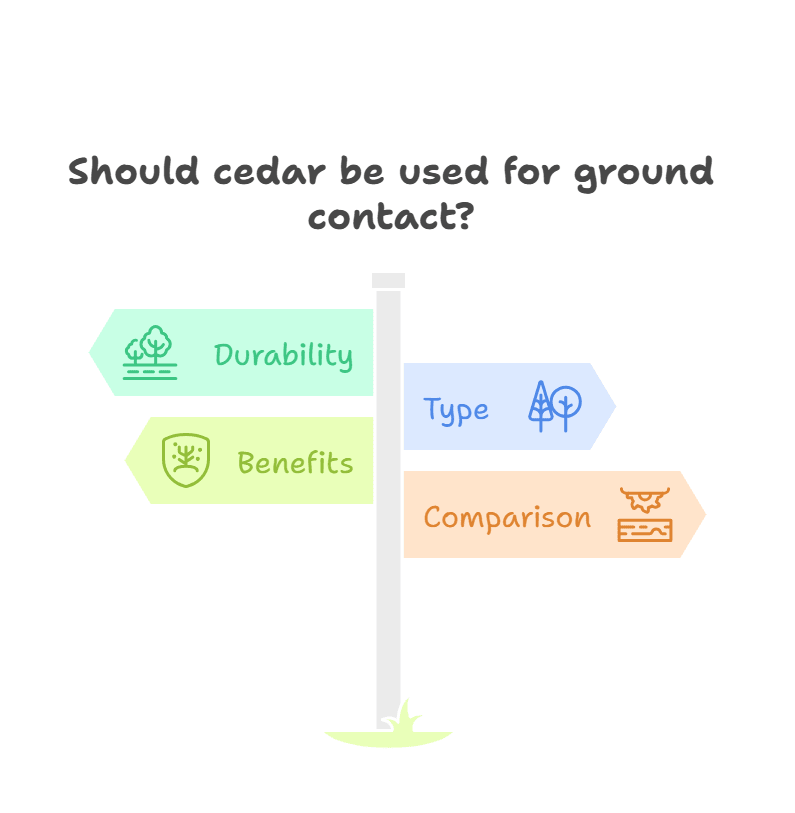
Benefits Of Cedar For Ground Contact
Cedar wood is naturally resistant to rot and insects, making it ideal for ground contact. Its durability and low maintenance ensure long-lasting outdoor projects.
Rot Resistance
Cedar wood is known for its high rot resistance. It contains natural oils. These oils protect the wood from decay. Cedar can last a long time when in contact with the ground. Moisture and insects do not harm it easily. This makes it a great choice for outdoor use.
Pest Deterrence
Cedar has a unique smell. This smell repels many pests. Termites and ants do not like cedar. It keeps these pests away from your wood. Using cedar can save you from pest problems. This makes cedar a good choice for building projects. Especially for those on the ground.
Credit: thebendwi.org
Comparing Cedar With Other Woods
Cedar is excellent for ground contact due to its natural rot resistance. Unlike other woods, it withstands moisture without chemical treatment. This makes cedar a durable choice for outdoor projects.
Pressure-treated Lumber
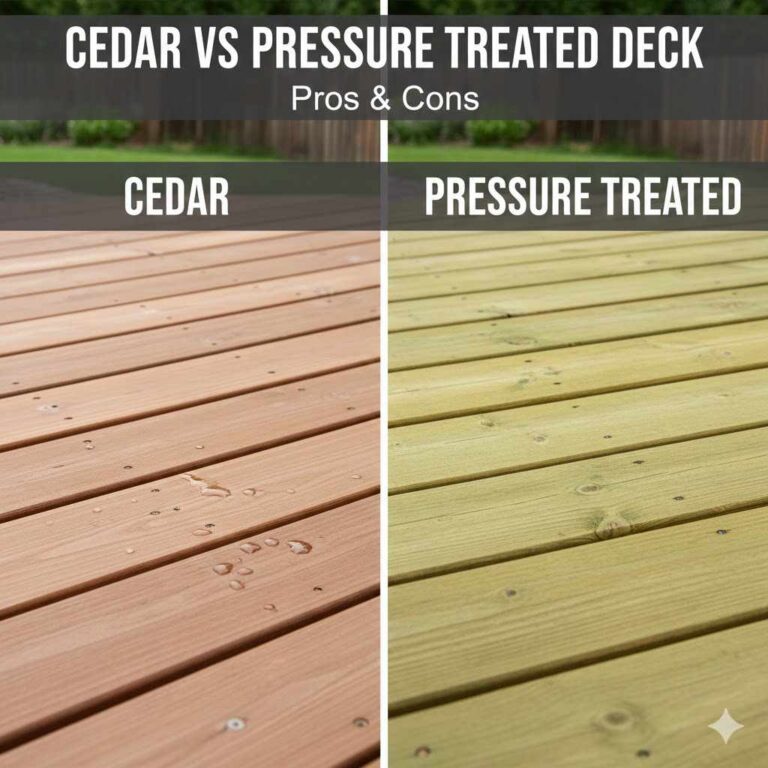
Pressure-treated lumber is made to resist decay. It uses chemicals to stay strong. These chemicals help it last longer. It is a common choice for ground contact. Cedar, on the other hand, is naturally resistant to decay. It does not need chemicals. This makes cedar a safer option. But it may not last as long as treated lumber. Pressure-treated wood is often cheaper too. This can be a big factor for many people.
Redwood
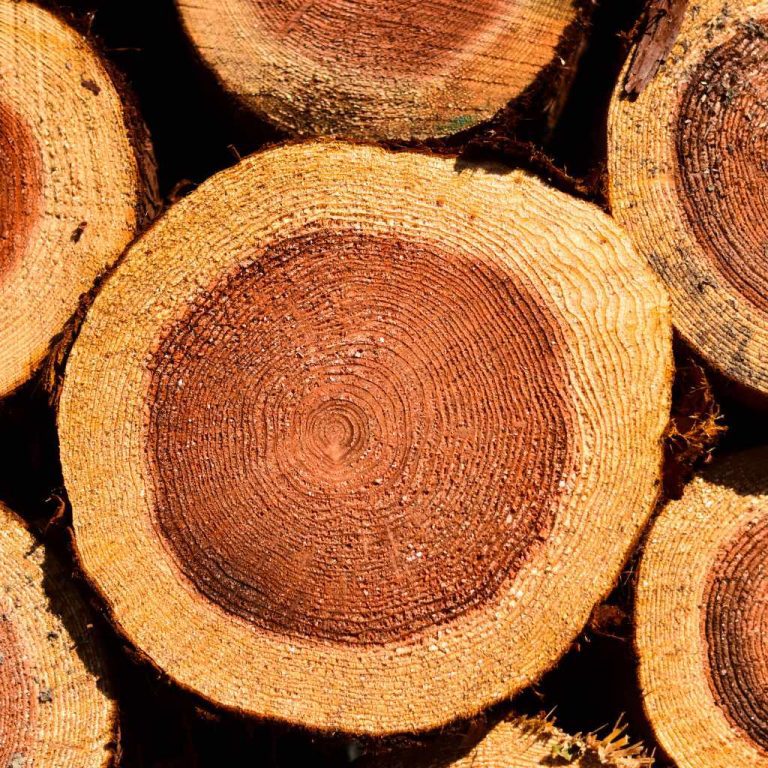
Redwood is another natural wood. Like cedar, it resists rot. It has a beautiful color. Many people like it for its looks. But redwood can be very expensive. It is also not as available as cedar. Cedar is easier to find in stores. Redwood can last a long time. Yet, it needs more care. It can dry out in the sun. Cedar is more stable in different weather. Both are good choices for ground contact. But cedar might be better for most people.
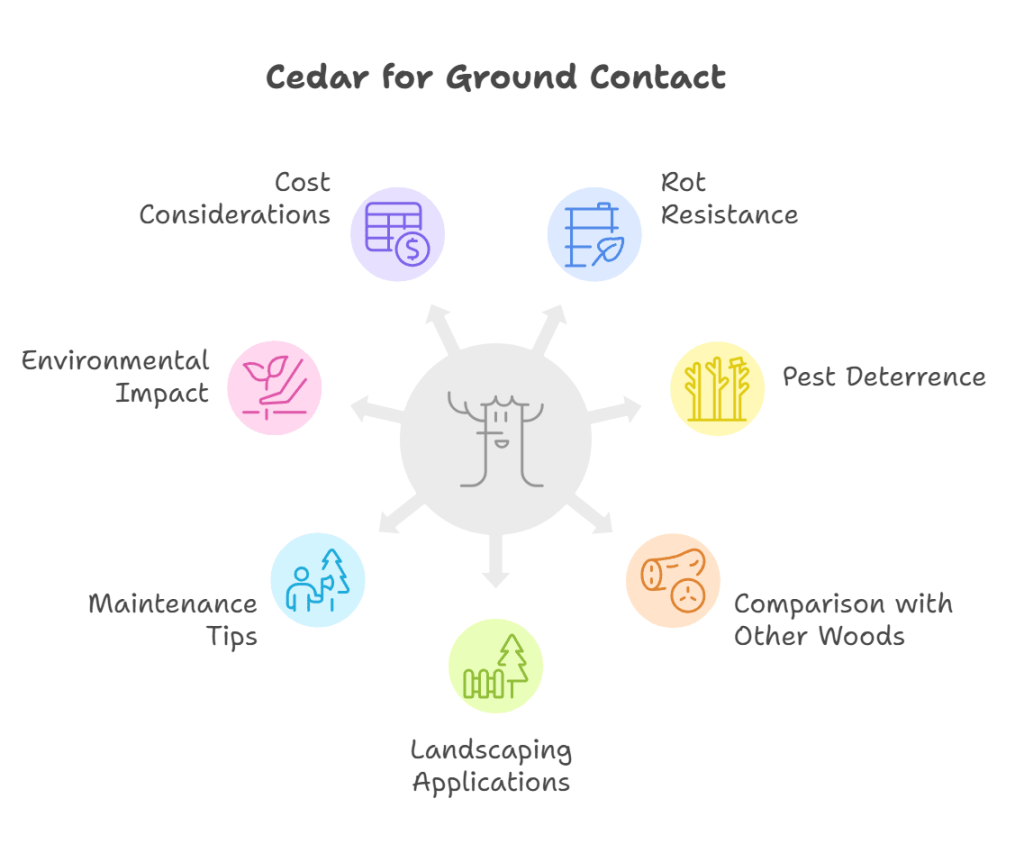
Applications In Landscaping
Cedar is a good choice for garden beds. It resists rot and decay. This means it lasts longer than other woods. It also repels bugs. This helps to keep your plants safe. Cedar has a nice smell too. This makes your garden more pleasant. It is safe for growing vegetables and flowers. Cedar does not need much care. This saves time and effort.
Cedar works well for retaining walls. It is strong and durable. It can hold soil in place. Cedar can handle moisture well. This means it won’t rot easily. It also looks nice in your yard. You can build a wall that lasts many years. Cedar is also lightweight. This makes it easier to work with. It is a good choice for your landscape projects.
Maintenance Tips
Check your cedar wood often. Look for cracks or splits. Pay attention to any signs of decay. Early detection helps. Replace damaged parts quickly. This keeps the wood strong. Regular care extends the life of cedar.
Applying a sealant is essential. It guards the cedar against moisture. Use a water-repellent preservative. This keeps the wood dry. Reapply treatments yearly. Protect the cedar from rot. This ensures its durability. Proper treatment maintains the wood’s quality.
Environmental Impact
Cedar is a sustainable choice for wood. It grows back quickly. It does not need much water. This makes it a good choice for the planet. Cedar trees are grown in managed forests. These forests are well cared for. This helps the environment. Using cedar wood means fewer trees are cut down. It is a smart choice for nature.
Cedar has a low carbon footprint. It does not need much processing. This means less energy is used. Cedar wood is also lightweight. This makes it easy to transport. Using cedar helps reduce carbon emissions. It is a green option for building.

Credit: www.reddit.com
Cost Considerations
Cedar wood costs more than other types of wood. But it lasts longer. Cedar is naturally resistant to decay and insects. This means less money spent on treatments. Upfront cost is higher, but less maintenance is needed. For outdoor projects, cedar can be a good choice. Less hassle in the long run.
Cedar wood keeps its strength over time. It does not warp or split easily. Other wood types may not last as long. Cedar’s durability offers better value. Repairs are less frequent. The natural oils in cedar protect it. Over time, cedar can save money. A sound investment for outdoor use.
Frequently Asked Questions
Is Cedar Good For Ground Contact?
Yes, cedar is good for ground contact. Cedar wood is naturally resistant to decay and insects, making it suitable for ground contact applications.
How Long Does Cedar Last In Ground?
Cedar can last for many years in ground contact. Its natural oils and compounds protect it from rot and pests, extending its lifespan.
Does Cedar Need To Be Treated For Ground Contact?
No, cedar typically does not need treatment for ground contact. Its natural resistance to decay and insects often makes additional treatment unnecessary.
Can Cedar Be Used For Fence Posts?
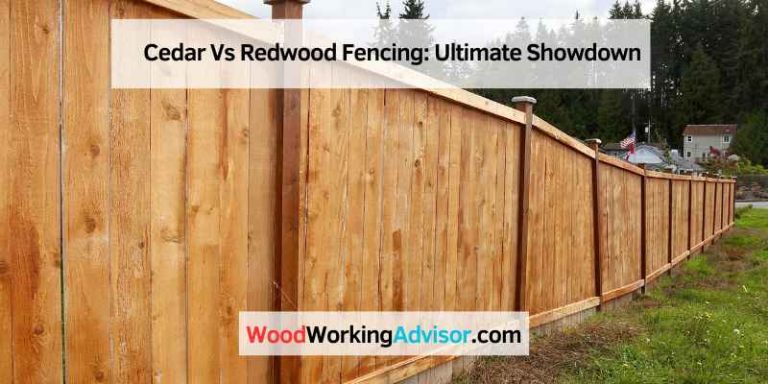
Yes, cedar can be used for fence posts. Its durability and resistance to rot make it an excellent choice for outdoor structures.
Conclusion
Cedar can be a great choice for ground contact projects. Its natural oils resist decay and insects. This makes it durable and long-lasting. Proper treatment and maintenance ensure even better performance. Always choose the right type of cedar for your needs.
Ready to start your project? Consider cedar for a reliable and sturdy option. Happy building!