Australian Red Cedar for Sale: What It Is and What to Pay
Australian Red Cedar (Toona ciliata) is not the same tree as the Western Red Cedar sold at most lumberyards, and it’s genuinely scarce. Nicknamed “Red Gold” by 19th-century settlers, it was logged so heavily out of its native rainforest range along Australia’s east coast (New South Wales up through Queensland) that old-growth boards are now hard to find and priced accordingly. If you’re shopping for it, here’s what you’re actually buying, what it should cost, and how to avoid paying premium prices for a different species entirely.
What Australian Red Cedar Actually Is
Best Finish for Red Cedar Furniture
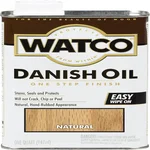 |
Watco Danish Oil, Natural (Quart) – $34.86 A penetrating oil that deepens Australian Red Cedar’s natural red tone without hiding the grain under a thick film.
|
| Scientific name | Toona ciliata |
| Native range | Rainforests of NSW and Queensland, Australia (also found across South and Southeast Asia) |
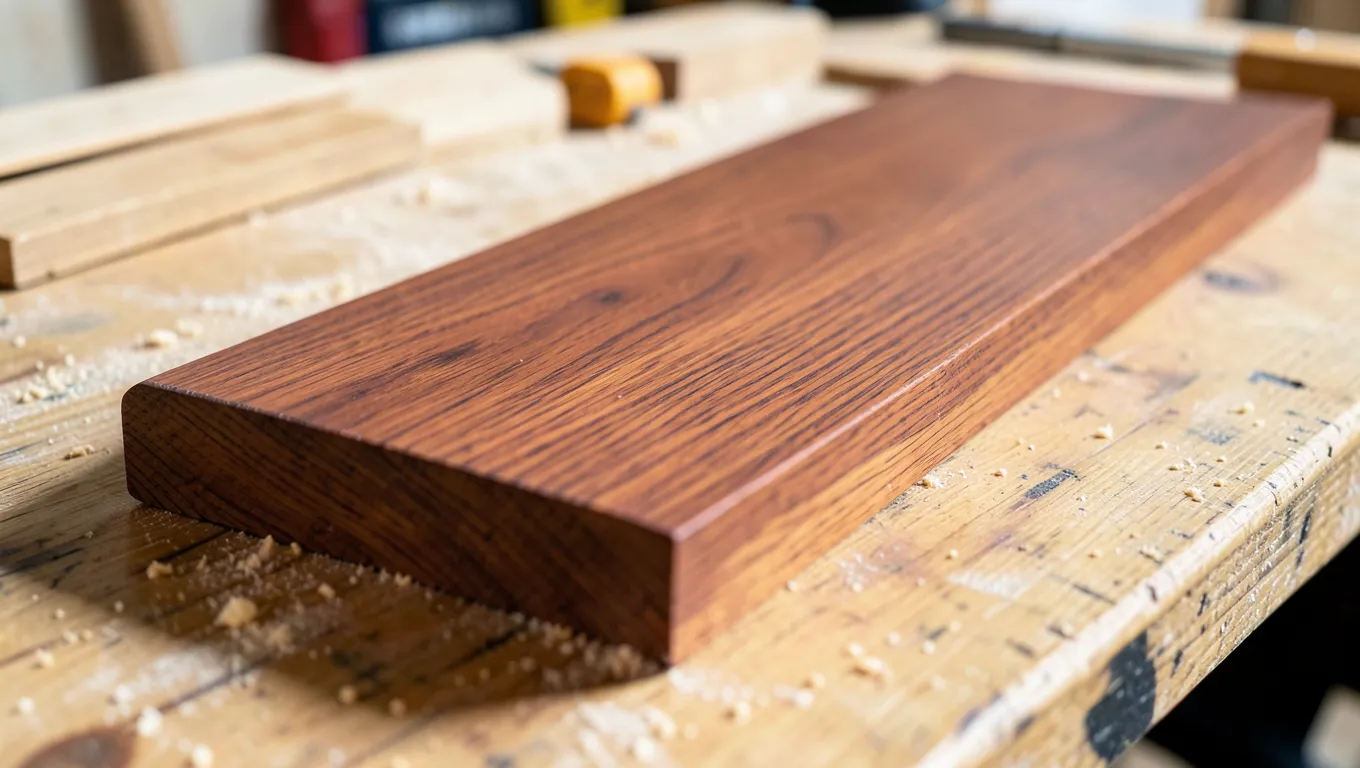
| Color | Pinkish to reddish-brown, deepening with age and light exposure |
| Grain | Straight to slightly interlocked, fine and even texture |
| Density (air-dried) | Roughly 400-600 kg/m³ — noticeably lighter than oak or maple |
| Common uses | Fine furniture, cabinetry, joinery, carving, historically boat building and railway carriages |
The “Hardwood That’s Soft” Mix-Up
Australian Red Cedar is botanically classed as a hardwood (it comes from a broadleaf, deciduous-family tree), but it’s genuinely soft and easy to cut — closer in working feel to a softwood like pine than to oak or maple. This trips people up because “hardwood” sounds like it should mean “hard to cut.” It doesn’t; the hardwood/softwood split is about the tree’s reproductive structure, not the wood’s actual hardness. If you want the full explanation with more species examples, we cover it in our hardwood-vs-softwood breakdown for this exact wood.
Australian Red Cedar vs. Western Red Cedar: Not the Same Wood
Despite sharing “red cedar” in the name, these come from unrelated tree families and aren’t interchangeable:
| Australian Red Cedar (Toona ciliata) | Western Red Cedar (Thuja plicata) | |
|---|---|---|
| Color | Rich pink to reddish-brown | Lighter tan to reddish-brown, more muted |
| Grain | Straight to slightly interlocked | Straight, very consistent |
| Typical use | Fine furniture and carving (indoor) | Decking, fencing, siding, shingles (outdoor rot resistance) |
| Availability | Scarce, mostly reclaimed or small specialty stock | Widely available at most lumberyards |
If a listing is significantly cheaper than other Australian Red Cedar you’re seeing, double-check the species name in the description. Confusion between the two (and with Surian Cedar/Kalantas, a close botanical relative) is common enough in listings that it’s worth confirming before you pay a premium price.
What to Expect on Price and Where to Look
Because old-growth stands were heavily depleted, most Australian Red Cedar on the market today is either reclaimed timber (from old furniture, flooring, or building demolition) or smaller-scale plantation-grown stock, and it’s priced as a specialty hardwood rather than a commodity board. Expect it to cost noticeably more per board foot than a mainstream domestic hardwood like oak or ash. Realistic sourcing options include specialty timber yards in Australia, reclaimed-wood dealers, and woodworking-focused marketplaces — treat any unusually cheap “Australian Red Cedar” listing with skepticism, and ask the seller for the botanical name (Toona ciliata) if it isn’t stated.
Working With and Finishing Australian Red Cedar
Its softness is a real advantage at the bench: it cuts, carves, and sands cleanly with hand tools and doesn’t dull edges quickly. The tradeoff is that the same softness makes it easy to dent or scratch in finished furniture, so it suits pieces that won’t take daily hard wear better than, say, a dining table. A penetrating oil finish suits the wood well, deepening its natural red tone without building a thick surface film that would mask the grain.
A Health Note Worth Knowing
Like many tropical hardwood dusts, Australian Red Cedar sawdust has been associated with skin and respiratory irritation in sensitized individuals, including asthma-like symptoms for some woodworkers. Wear a proper dust mask or respirator when sanding or machining it, same as you would with any fine hardwood dust, and don’t treat “it’s a soft, easy-working wood” as a reason to skip dust protection.
Frequently Asked Questions
Is Australian Red Cedar the Same as Western Red Cedar?
No. They’re unrelated species. Australian Red Cedar (Toona ciliata) has a richer pink-red color and is used mainly for indoor furniture and carving. Western Red Cedar (Thuja plicata) is more tan-brown, straighter grained, and used mainly outdoors for decking, fencing, and siding because of its rot resistance.
Why Is Australian Red Cedar So Expensive?
Heavy 19th and early 20th century logging depleted most of the easily accessible old-growth stands in its native rainforest range. Most of what’s sold today is reclaimed timber or smaller plantation-grown stock, which keeps supply tight and prices well above common domestic hardwoods.
Is Australian Red Cedar a Hardwood or a Softwood?
It’s botanically a hardwood (from a broadleaf tree), even though it’s physically soft and easy to cut. Hardwood vs. softwood is a botanical classification based on the tree’s reproduction, not a measure of how hard the wood actually feels.
What Should I Use to Finish Australian Red Cedar Furniture?
A penetrating oil finish (such as Danish oil) works well because it deepens the wood’s natural red tone without building a thick film that hides the grain. Reapply periodically to maintain color and protection, especially on pieces that see regular handling.
Sponsored / affiliate links. As an Amazon Associate I earn from qualifying purchases. I may earn additional commission from eligible campaigns.
 8 Pack Unfinished Red Cedar Wood Clothes Hangers, Flat Cedar Hangers with 360 Swivel Chrome Hook and Notches for Shirts, Dresses and Strappy Garments
 Rustic Revival | Handmade Reclaimed Barnwood Craft Bundle | Unfinished Authentic Reclaimed Western Red Cedar Wood Planks for DIY, Home and School Projects (24" x 5.5" x .375") 6 Pack