Hinoki Cedar Wood Aroma Diffuser Benefits Explained: Real Science, No Hype
If you’ve come across a “hinoki cedar wood aroma diffuser” while shopping for a natural way to scent your home, there’s one thing worth knowing up front: hinoki isn’t actually a cedar. It’s a Japanese cypress, and that distinction matters more than it sounds, because it explains where the scent comes from, why the wood works as a passive diffuser at all, and why a handful of small published studies have looked at it specifically.
This guide covers what hinoki wood actually is, which benefits are backed by real (if limited) research versus which are just marketing language, how the passive diffusion mechanism works, and a real, currently in-stock product if you want to try one yourself.
What Hinoki Cedar Wood Actually Is (It’s Not Really a Cedar)
Best Hinoki Wood Diffuser Pick
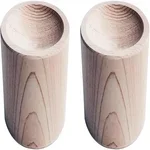 |
IPPINKA Set of 2 Hinoki Wood Aroma Stand – $28.25 A genuine solid-hinoki passive diffuser, made in Japan, that matches everything this article covers — no electricity, no water, just real wood.
|
Despite the common name, hinoki wood comes from Chamaecyparis obtusa, the Japanese cypress — a completely different genus from the true cedars (Cedrus) and from the North American “cedars” like eastern red cedar and western red cedar that most people picture. “Hinoki cedar” is a translation habit that stuck, not a botanical fact. The tree itself has been central to Japanese building and craft since at least the Nara period, around 710 AD, when it was chosen for temple and shrine construction because of its rot resistance, straight grain, and durability. Ise Grand Shrine, one of Japan’s most significant Shinto sites, is rebuilt every 20 years using fresh hinoki timber as part of its Shikinen Sengu tradition.
The scent itself is what people are usually shopping for when they search for a hinoki diffuser. Independent aromatherapy sources describe hinoki’s aroma as dry, fine, and woody, with light terpenic top notes, a soft herbal-lemony brightness, and a warm, faintly spicy undertone underneath. That’s a more specific description than “smells like a forest,” and it’s part of a broader picture of what different wood species actually smell like — hinoki has its own following separate from cedarwood oil or pine.
Key Hinoki Aroma Diffuser Benefits, Backed By What We Actually Know
A lot of pages on this topic list benefits as flat statements of fact. We’d rather separate what’s genuinely documented from what’s traditional use or reasonable inference — hinoki has real research behind it, but it’s not a substitute for medical care, and the studies involved are small.
Relaxation and Mood: What the Published Research Shows
This is the one area where hinoki has actual peer-reviewed backing, not just tradition. A study published in the National Institutes of Health’s PMC database looked at the physiological effect of olfactory stimulation with hinoki cypress leaf oil, and found it reduced oxyhemoglobin concentration in the prefrontal cortex — a marker researchers associate with a calmer, less activated nervous-system state. A related finding: inhaling α-pinene and limonene, two of the major aromatic compounds in hinoki wood odor, was linked to a decrease in systolic blood pressure in study participants.
That’s a genuinely useful, specific finding — but it’s also worth being honest about scope. These are small physiological studies, not large clinical trials, and they measure short-term markers like blood pressure and prefrontal blood oxygenation, not long-term health outcomes. Treat a hinoki diffuser as a pleasant, traditionally-used relaxation aid, not a treatment for anxiety, insomnia, or any diagnosed condition.
Phytoncides and the Forest-Bathing Connection
Hinoki forests are one of the settings most closely tied to shinrin-yoku, or Japanese forest bathing. Trees like hinoki release phytoncides — airborne organic compounds that are part of the tree’s own natural defense system — and separate forest-bathing research has looked at whether inhaling these compounds during a walk in the woods affects markers of immune activity. A hinoki wood block obviously isn’t the same as standing in an actual cypress forest, but the aromatic compounds in the wood itself overlap meaningfully with what’s in the surrounding forest air, which is part of why the scent reads as “outdoorsy” rather than perfumey.

Chemical-Free Air Freshening
Conventional aerosol and plug-in air fresheners commonly rely on synthetic fragrance blends that can include volatile organic compounds (VOCs), some of which are flagged as respiratory irritants for sensitive people. A hinoki wood diffuser has no propellant, no synthetic fragrance oil, and nothing to spray — the scent comes directly from the wood’s own natural oils and resins as it slowly dries. That doesn’t make it a cure for allergies or asthma, but it is a genuinely lower-chemical alternative for anyone trying to cut down on synthetic air-care products at home.
A Note on the Research (Read This Before You Buy)
To be direct about it: hinoki has more research behind its aroma than most wood species sold for home fragrance, which is a real point in its favor. But “more research than most” is still a small, early body of evidence — not a settled medical consensus. If you buy a hinoki diffuser, buy it for the scent, the craftsmanship, and the traditional association with calm, not as a treatment for a health condition. Anyone with a diagnosed anxiety, sleep, or respiratory condition should talk to a doctor rather than relying on a wood block.
How a Hinoki Wood Diffuser Actually Works
Passive Diffusion, No Electricity or Water
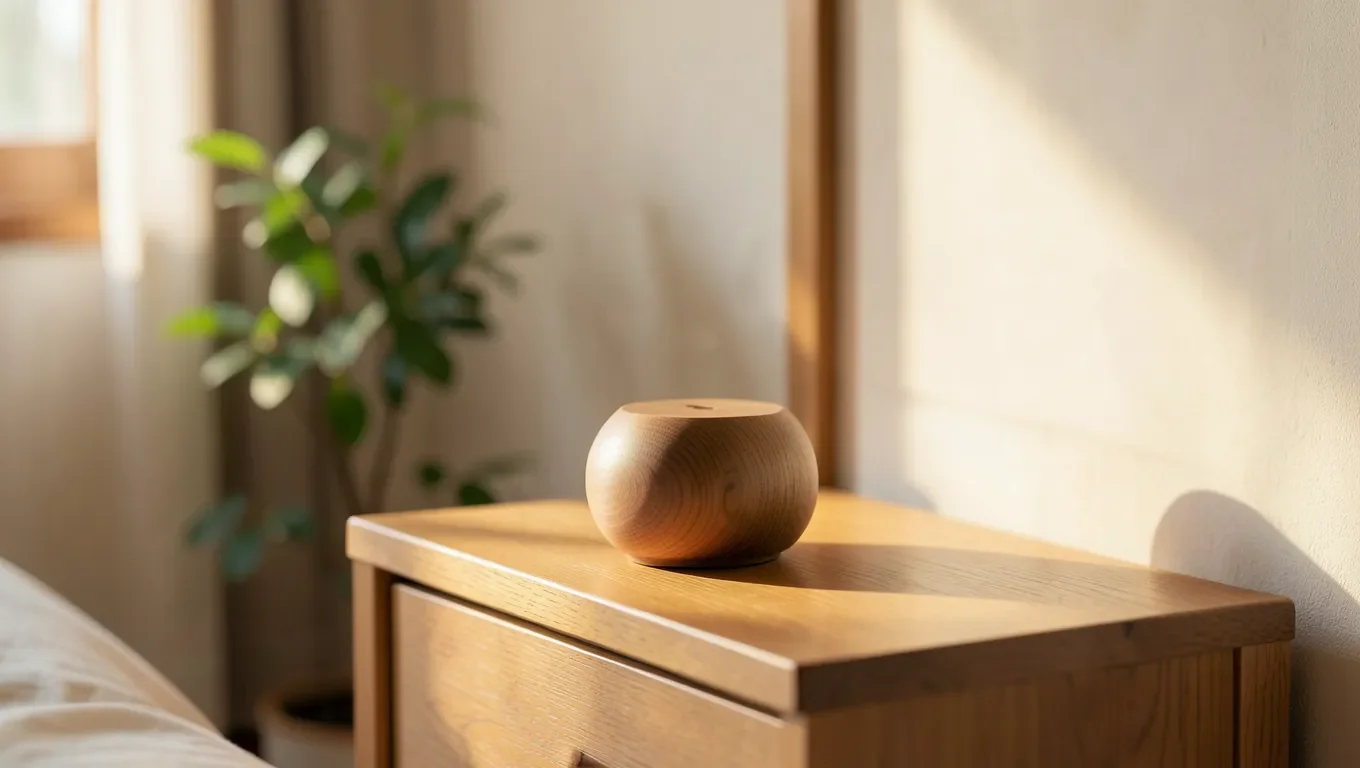
A genuine hinoki diffuser is just solid, untreated wood — usually turned or carved into a block, sphere, or small stand. The wood is naturally porous, and it responds to ambient humidity: as it absorbs and releases small amounts of moisture from the air, it also releases the aromatic compounds stored in its natural oils. There’s no reservoir, no heating element, and nothing to plug in. That’s also why the scent is subtle rather than a strong room-filling burst — it’s a slow release process, not an active diffusion mechanism like an ultrasonic mister.
Humidity and airflow both affect how noticeable the scent is day to day. A bathroom after a hot shower, for instance, will usually pull more aroma out of the wood than a dry, climate-controlled office.
Real Hinoki Wood vs. “Hinoki-Scented” Products
This is worth flagging because it trips people up: a lot of listings for “hinoki diffusers” and “hinoki candles” actually use a synthetic hinoki fragrance oil, not real hinoki wood or essential oil. That’s not automatically a scam — synthetic fragrance is cheaper and more consistent — but it’s a different product with a different scent profile, and it won’t have any of the phytoncide or aromatic-compound overlap with real hinoki forest air discussed above. If the specific appeal for you is genuine solid wood with no added oils or synthetics, check the listing for language like “solid hinoki wood” or “100% Chamaecyparis obtusa,” and be skeptical of anything just labeled “hinoki fragrance.”
Hinoki Wood vs. Other Home Fragrance Methods
Hinoki wood diffusers aren’t the only passive, low-maintenance option out there, and they’re not automatically the “best” choice for every situation — they’re a specific trade-off. Here’s how they stack up against the most common alternatives.
Electric (Ultrasonic) Diffusers
Electric diffusers mist water and essential oil together, which gives a stronger, more customizable scent and doubles as light humidification. The trade-off is upkeep: they need electricity, regular water refills, and periodic cleaning to prevent mineral buildup or mold in the reservoir. Hinoki wood needs none of that, but it also can’t match an ultrasonic diffuser’s scent strength or the ability to switch fragrances on demand.
Reed Diffusers
Reed diffusers are passive like hinoki wood, but they run on consumables — a liquid base and fragrance oil that eventually needs replacing. A hinoki block has an ongoing cost of essentially zero once you own it; the “fuel” is the wood itself, and a light sanding is the only refresh it needs.
Scented Candles
Candles bring ambiance and a strong scent throw when lit, but they’re an open flame, they release some combustion byproducts, and the scent disappears the moment the candle is out. A hinoki diffuser is flameless and always “on” at a low, consistent level — a genuinely different use case rather than a strict upgrade.
Quick Comparison
| Feature | Hinoki Wood Diffuser | Electric Diffuser | Reed Diffuser | Scented Candles |
|---|---|---|---|---|
| Power source | None (passive) | Electricity | None (passive) | Flame |
| Ongoing cost | None (occasional sanding) | Water + oil refills | Oil/reed refills | Replacement candles |
| Scent intensity | Subtle, consistent | Strong, adjustable | Moderate, variable | Strong only while lit |
| Safety | No flame or heat | Safe with proper use | Safe | Fire hazard if unattended |

Tips for Getting the Most From Your Hinoki Diffuser
Placement
Because the scent is subtle, placement matters more than it would for a candle or spray. A nightstand, a small shelf, a desk, or a bathroom counter all work well — anywhere you’re within a couple of feet of it regularly. Keep it out of direct sunlight and away from heat vents, both of which dry the wood out faster than normal use would. Good, if gentle, airflow around it helps; a strong draft or a fan pointed directly at it will just disperse the scent before you notice it.
Reviving the Scent
The surface aroma fades gradually as the outer layer of wood ages, but it’s easy to bring back:
- Use fine-grit sandpaper, around 180 to 220 grit.
- Lightly sand the surface for 30 seconds to a minute — you’re exposing fresh wood, not reshaping it.
- Wipe away the dust with a dry, soft cloth.
- The aroma should be noticeably stronger right after sanding, then settle back to a subtle background level over the next day or two.
Most owners only need to do this every few months, and a well-made piece of solid hinoki can keep producing a noticeable scent for a couple of years with this kind of light, occasional maintenance.
Cleaning and Care
Stick to a dry cloth for regular dusting. Avoid water, soap, or cleaning sprays — they can strip the wood’s natural oils, which are the actual source of the scent, and can encourage warping or mold in a wood this porous. If you want to use it as a closet or drawer freshener as well, a small offcut or a second stand works well tucked among folded clothes, where it also helps pull a little excess moisture out of the fabric.
Frequently Asked Questions
Is hinoki wood actually a type of cedar?
No. Hinoki (Chamaecyparis obtusa) is a Japanese cypress, not a true cedar. “Hinoki cedar” is a common English translation that stuck, but botanically it’s in a different genus from both true cedars (Cedrus) and North American cedars like western red cedar.
How often should I sand my hinoki wood diffuser?
Only when the scent has noticeably faded, which is typically every few months depending on your environment. A light pass with 180-220 grit sandpaper is enough — there’s no need to sand on a fixed schedule.
Can I add essential oils to a hinoki wood diffuser?
You generally shouldn’t need to. Solid hinoki releases its own natural aroma, and adding essential oils isn’t necessary for scent and can leave residue that interferes with how the wood releases its own oils over time. Some hollow-carved “aroma stand” styles are designed to hold a few drops of oil in a shallow well, which is a different design than a solid scent block — check the product description to know which style you’re buying.
Is the scent of hinoki wood strong?
No, it’s intentionally subtle. Hinoki works as a background, ambient scent rather than a strong room-filling fragrance, which is part of the appeal for people who find electric diffusers or candles too intense.
How should I clean a hinoki wood diffuser?
Wipe it with a dry, soft cloth only. Avoid water and cleaning products, since both can strip the natural oils that produce the scent and can damage the wood.
Summary
Hinoki wood is a Japanese cypress, not a true cedar, and its aroma diffuser benefits are a mix of genuine small-scale research (reduced oxyhemoglobin concentration and lower systolic blood pressure from inhaling its natural compounds) and centuries of traditional use in Japanese architecture, bathing culture, and craft. It won’t fill a room with scent the way an electric diffuser or candle can, and it isn’t a medical treatment — but as a chemical-free, low-maintenance way to bring a subtle, forest-linked fragrance into a small space, it’s one of the more genuinely well-documented wood scents you can buy.
Sponsored / affiliate links. As an Amazon Associate I earn from qualifying purchases. I may earn additional commission from eligible campaigns.