Best Cedar for Privacy Hedge: It’s Probably Not True Cedar
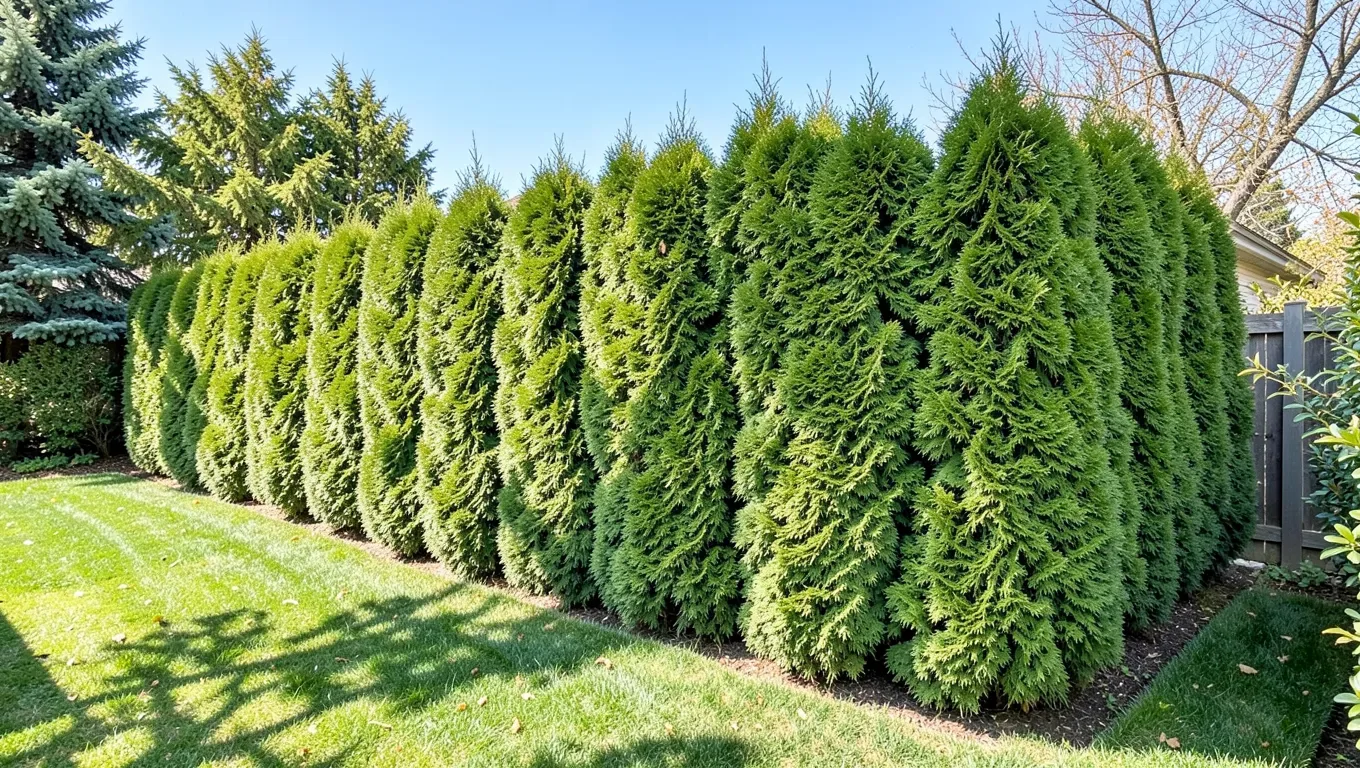
For a fast, reliable privacy hedge, Green Giant arborvitae (a Thuja hybrid, not a true cedar) and Western Red Cedar are the two most planted choices in the U.S. — both grow 3+ feet per year, tolerate a wide range of soils, and reach a dense, full screen faster than the trees most people actually mean when they say “cedar.”
Here’s a mix-up worth clearing up before you buy anything: almost none of the trees sold as “cedar” for privacy hedges in North America are true cedars. Botanical Cedrus (Atlas cedar, Deodar cedar, Lebanon cedar) is a different genus entirely, mostly grown as an ornamental specimen tree, not a hedge plant. What nurseries and homeowners call “cedar” for hedging is almost always Thuja (arborvitae, including Western Red Cedar and Green Giant) or Juniperus (Eastern Red Cedar). It’s not a scam — it’s just decades of common-name overlap — but it matters because true Cedrus species aren’t bred or suited for the tight, dense hedge shearing this article is actually about.
The Best “Cedar” Varieties for an Actual Privacy Hedge
Best Fertilizer for Establishing a Cedar Hedge
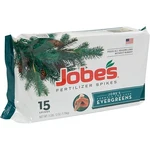 |
Jobe’s Slow Release Evergreen Fertilizer Spikes (15-Count) – $14.78 Feeds new arborvitae and cedar hedge plantings slowly over the root zone instead of a fast-release surface feed that can burn young roots.
|
| Variety | True Genus | Growth Rate | Mature Size | Best For |
|---|---|---|---|---|
| Green Giant Arborvitae | Thuja (hybrid) | 3-5 ft/year | 40-60 ft tall, 12-20 ft wide | Fast, tall screening on larger properties |
| Western Red Cedar | Thuja plicata | 2-3 ft/year | 50-70 ft tall (hedged much shorter) | Dense, soft, natural-looking screens |
| Eastern Red Cedar | Juniperus virginiana | 1-2 ft/year | Up to 40 ft, narrower habit | Tough, drought-tolerant, poor/rocky soil |
| Leyland Cypress | x Cupressocyparis (hybrid) | 3+ ft/year | 50-60 ft, can be kept lower | Fastest instant privacy, needs regular shearing |
| Emerald Green Arborvitae | Thuja occidentalis | 6-9 in/year | 12-14 ft tall, 3-4 ft wide | Narrow spaces, formal, low-maintenance shape |
For most suburban lot lines, Emerald Green arborvitae is the practical pick specifically because of its narrow mature width — it fits a property line without engulfing it the way a wide-spreading Green Giant eventually will. Reserve Green Giant and Leyland Cypress for larger properties where the extra width and height are actually wanted.
Spacing: The Mistake That Ruins Hedges for a Decade
Planting too far apart to “save money” is the single most common privacy hedge mistake, and it’s slow to show — gaps that looked fine at planting stay gaps for years while everyone waits for lateral branches to fill in that were never going to close a 6-foot gap. As a rule of thumb, space plants at roughly 60-75% of their expected mature width: Emerald Green (3-4 ft mature width) goes in at 2.5-3 ft on center, while a wide Green Giant (12-20 ft mature width) can go in at 6-8 ft on center and still close ranks within a few years. Planting closer than that crowds root systems and increases disease risk from poor air circulation; planting wider than that guarantees visible gaps for years longer than necessary.
Soil, Sun, and the First Two Years
All the varieties above want well-drained soil and at least 6 hours of direct sun for dense, even growth — full shade produces a thin, gappy hedge no matter which variety you choose. The first two years after planting are the make-or-break window: deep, regular watering (not frequent shallow watering, which encourages shallow roots) builds the root system that lets the hedge shrug off future drought stress on its own. A 2-3 inch mulch ring keeps roots cool and moist without piling mulch against the trunk itself, which invites rot.
Pruning for a Dense Screen, Not Just a Trim
Shape the hedge slightly narrower at the top than the base (a gentle taper, not a flat vertical wall) so sunlight reaches the lower branches — a hedge sheared straight up and down or wider at the top shades out its own lower growth over time, leading to the bare, leggy-at-the-bottom look common in older, poorly maintained cedar hedges. Light, frequent trims through the growing season maintain density better than one aggressive annual cut, and avoid cutting back into bare old wood on most of these species — many won’t reliably resprout from wood that’s already lost its needles.
Frequently Asked Questions
Is the “cedar” sold for hedges actually cedar?
Usually not botanically. True cedars (Cedrus genus) are a different, mostly ornamental tree. What’s commonly sold as “cedar” for hedges is almost always Thuja (arborvitae, including Western Red Cedar and Green Giant) or Juniperus (Eastern Red Cedar) – the common names overlap, but they’re different genera bred and suited for different uses.
How far apart should I plant a cedar privacy hedge?
Space plants at roughly 60-75% of their expected mature width. A narrow variety like Emerald Green arborvitae (3-4 ft mature width) goes in at about 2.5-3 feet on center; a wide-spreading variety like Green Giant (12-20 ft mature width) can go in at 6-8 feet on center.
What’s the fastest-growing cedar for privacy?
Leyland Cypress and Green Giant arborvitae both add 3 feet or more per year under good conditions, making them the fastest options for closing a screen quickly. The tradeoff is a larger mature size that needs more room and more frequent shearing to keep in bounds.
Why does my cedar hedge look bare at the bottom?
This usually happens when the top of the hedge is sheared wider than the base, shading out the lower branches over time. Prune with a slight inward taper toward the top instead, and avoid cutting back into bare old wood, which many of these species won’t reliably resprout from.
Conclusion
Whatever you plant, it’s very likely arborvitae or juniper rather than true cedar — and that’s fine, since those are the species actually bred for dense hedging. Match the variety’s mature width to your available space, plant at 60-75% of that width apart, and give it two seasons of consistent deep watering before judging how full it looks.
Sponsored / affiliate links. As an Amazon Associate I earn from qualifying purchases. I may earn additional commission from eligible campaigns.