How to Fix Cedar Slats: The Right Repair for Each Type of Damage
Not every damaged cedar slat needs to come out. A clean crack can usually be glued and clamped back together in an afternoon, while a slat with soft, spongy wood or a warp you can’t press flat needs to be replaced outright – and using the wrong fix on the wrong problem is the fastest way to redo the job twice. Cedar’s natural oils also make it behave differently than pine or fir when you’re gluing it, which trips up a lot of DIY repairs before they even start. Here’s how to diagnose what’s actually wrong with your slat and match it to the repair that will actually hold.
Figure Out What Kind of Damage You’re Dealing With
Before you buy anything, look closely at the slat in good light. A hairline crack that follows the grain and doesn’t flex when you press on it is a candidate for gluing. A slat that’s soft when you press a screwdriver tip into it, has dark discoloration soaking through the wood (not just sitting on the surface), or has warped enough that it won’t sit flush against the rail, needs to be replaced – glue can’t fix compromised wood fiber. Loose or rust-streaked screws are a separate, easier problem: usually the fastener has failed, not the slat itself.
Best Glue for Cracked Cedar Slats
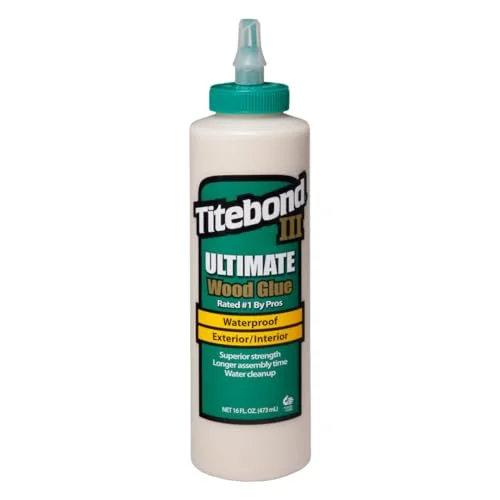 |
Titebond III Ultimate Wood Glue, 16 oz – $9.58 A waterproof, exterior-rated wood glue with a 30-minute clamp time, strong enough to bond a clean crack or split back together on a cedar slat.
|
Repairing a Cracked or Split Slat With Glue
For a clean split – wood that’s still solid on both sides of the crack, just separated – glue is the right first move, and it’s stronger than most people expect. Match the glue to the gap size: a hairline crack takes thin cyanoacrylate (super glue), which wicks into tight splits by capillary action. A gap up to about 1/8 inch calls for a full-strength wood glue or epoxy, applied generously and clamped. Anything wider than that, or a crack that runs through a knot or a load-bearing point, needs a mechanical reinforcement – a butterfly key or a screwed-on backing cleat – because glue alone won’t resist the wood continuing to move.
- Open the crack slightly. Gently work a putty knife into the split so glue can reach the full depth, not just the surface.
- Apply glue generously. Work it in with a thin stick or a glue syringe so it coats both faces of the split, not just one.
- Clamp immediately. A bar clamp or a pair of C-clamps across the slat, padded with scrap wood so you don’t dent the cedar, needs to stay on for the glue’s full clamp time – not just until it feels tacky.
- Wipe squeeze-out before it skins over. A damp rag removes wet glue in seconds; dried glue has to be sanded off and will show under stain.
Why Wood Glue Sometimes Won’t Hold on Cedar
This is the part most repair guides skip. Western red cedar – the species used in most fence and furniture slats – contains natural oils and extractives that interfere with how water-based wood glues (including standard Titebond and other PVA glues) cure. On a meaningful share of western red cedar boards, roughly one in five by some estimates, a standard wood glue joint will look fine going on but fail months later because it never fully bonded to the oily wood surface underneath. You can’t tell which boards are affected just by looking at them.
The fix is simple: for cedar specifically, reach for a two-part epoxy instead of a bottle of standard wood glue, especially on any repair that will bear weight or flex (a fence panel taking wind load, a load-bearing furniture slat). Epoxy doesn’t rely on the same water-based cure chemistry, so it isn’t affected by cedar’s natural oils the same way. If you do use a standard exterior wood glue, do a quick test first – put a small dab on scrap from the same board, let it sit for a few minutes, and check that it’s actually biting into the wood rather than beading up on the surface.
When to Stop Repairing and Replace the Slat
Some damage isn’t a gluing job no matter how careful the repair. Replace the slat outright if you find soft or crumbly wood fiber (a sign of active rot), a warp severe enough that the board won’t sit flat even after clamping, a crack that runs the full length of the board through multiple knots, or damage clustered at both ends of the same slat. Trying to glue a rotted slat back together doesn’t stop the rot – it just hides it until it reappears, usually somewhere worse.
Replacing a single slat is a straightforward swap: measure the old slat’s exact length and thickness, rip a new cedar board to match, and pre-drill screw holes near the ends to avoid splitting the new wood when you drive fasteners in. Match the spacing and fastener pattern of the boards on either side so the repair doesn’t stand out.
Where Cedar Slats Actually Fail First
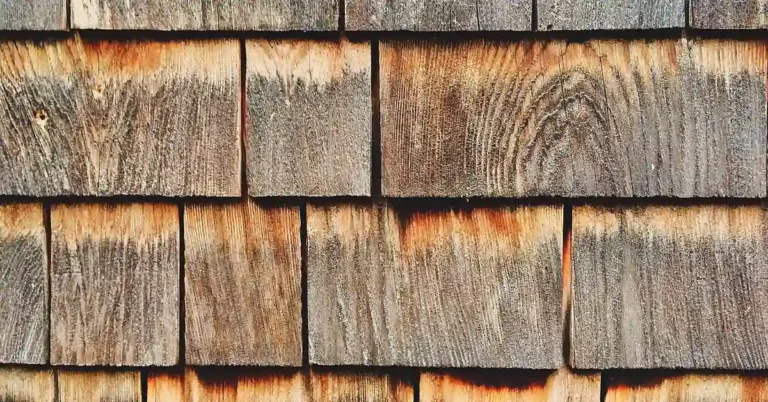
Cedar’s natural thujaplicins give it real rot and insect resistance without any chemical treatment, which is why it’s such a common choice for fences and outdoor furniture in the first place. But that resistance isn’t uniform across a board, and in practice most structural splits don’t start in the open field of a slat – they start at the ends and at fastener points. Repeated wetting and drying makes the wood swell and shrink at the surface faster than the core, which is what causes the fine parallel surface cracks (called checking) that eventually deepen into a structural split, and an unsealed end grain or a screw hole is where that cycle is most aggressive.
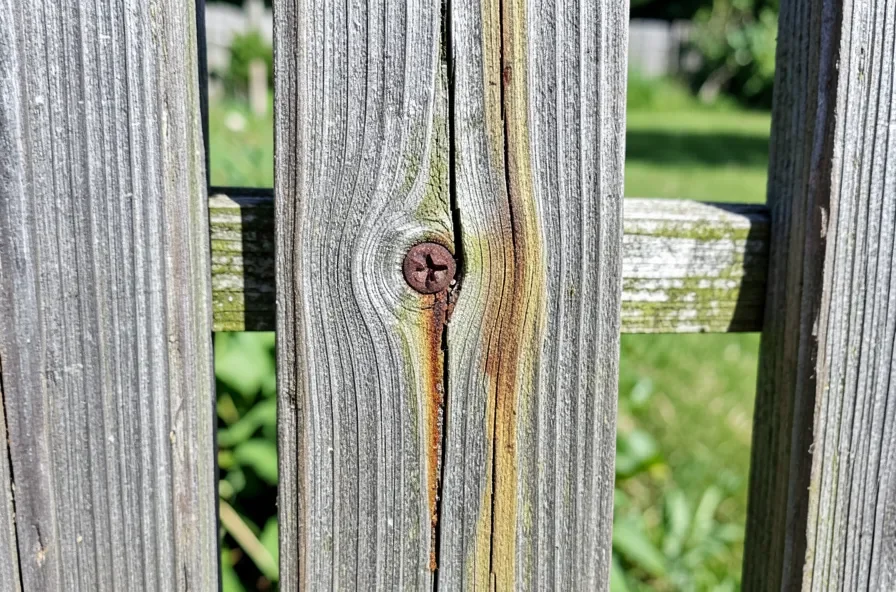
Two things make this worse over time. First, as the boards weather, the natural oils that give cedar its rot resistance gradually dissipate from the surface, which is why a resealed fence holds up longer than one that’s never been touched after installation – a UV-rated exterior finish reapplied roughly every one to two years meaningfully slows this. Second, plain steel fasteners corrode in outdoor exposure and “bleed” rust streaks into the surrounding wood, and that corrosion also weakens the fastener’s grip over time, which is often what turns a “loose slat” into a “cracked slat” as the board works itself free and starts flexing against the remaining screws. Reattaching or replacing a slat with stainless steel or coated exterior screws instead of plain steel avoids restarting that cycle.
If you’re repairing a slat anyway, it’s worth checking the rest of the fence or furniture piece for early checking at fastener points and end grain – catching it there with a fresh coat of sealer is a lot less work than replacing the board later.
Two cedar-repair pages worth checking together with this one: the right way to stain a cedar fence covers resealing after a repair, and making a cedar post last longer covers the same fastener and end-grain issues for posts instead of slats.
Tools and Materials Checklist
| Item | Use |
|---|---|
| Exterior wood glue or 2-part epoxy | Bonds clean cracks and splits; epoxy for oily cedar boards |
| Bar clamps or C-clamps + scrap wood pads | Holds the glued split tight while it cures |
| Putty knife | Works glue into the full depth of a crack |
| Moisture meter | Confirms whether soft-feeling wood is actually rotted |
| Stainless or coated exterior screws | Reattaching/replacing slats without future rust bleed |
| Replacement cedar board | Full slat swap when the damage is beyond gluing |
| UV-rated exterior sealer | Slows the checking cycle that starts new cracks |
Frequently Asked Questions
Can you glue a cracked cedar slat instead of replacing it?
Yes, if the wood on both sides of the crack is still solid. Clean, hairline-to-1/8-inch splits can be glued with wood glue or epoxy and clamped; wider cracks need a mechanical reinforcement like a butterfly key, and rotted or badly warped wood needs full replacement instead.
Why won’t wood glue hold on some cedar boards?
Western red cedar contains natural oils that can interfere with how standard water-based wood glue cures, so a joint that looks fine at first can fail months later. Two-part epoxy isn’t affected by cedar’s oils the same way and holds more reliably, especially on repairs that bear weight.
How do you know if a cedar slat needs full replacement instead of a repair?
Replace the slat if you find soft or crumbly wood (active rot), a warp that won’t press flat even when clamped, a crack running through multiple knots along the full board, or damage at both ends of the same slat. Glue can’t restore wood fiber that’s already broken down.
What causes cedar slats to crack in the first place?
Most structural splits start at the ends of the board or at screw holes, where repeated wetting and drying cycles cause small surface cracks (checking) that deepen over time. Unsealed end grain and corroding steel fasteners both speed this up.
What screws should you use when reattaching or replacing cedar slats?
Use stainless steel or coated exterior-rated screws. Plain steel fasteners corrode in outdoor exposure, bleed rust stains into the surrounding wood, and lose their grip as they corrode, which is a common cause of a slat working loose again after a repair.
Most cedar slat repairs come down to one judgment call: is the wood still structurally sound, or has it actually failed? A clean crack in solid wood is a glue-and-clamp job you can finish in under an hour. Soft, rotted, or badly warped wood isn’t – and no amount of glue changes that. Get that call right, use epoxy instead of standard wood glue on cedar when the repair matters, and keep fastener points and end grain sealed going forward, and a repaired slat should outlast the one it replaced.
Sponsored / affiliate links. As an Amazon Associate I earn from qualifying purchases. I may earn additional commission from eligible campaigns.