How to Get Rid of Fleas on Hardwood Floors (Without Ruining the Finish)
Getting rid of fleas on hardwood floors takes daily vacuuming for 2 to 4 weeks plus a pet-safe treatment like food-grade diatomaceous earth, not vinegar or full-strength borax, which can dull a polyurethane finish over repeated use. Flea pupae can lie dormant in floor cracks for months waiting for a host, so one treatment rarely finishes the job. This guide covers safe treatments, what to avoid on finished wood, and how long eradication actually takes.
Insert your Affiliate Disclosure reusable block here
Why Fleas Show Up on Hardwood Floors (Even Without Carpet)
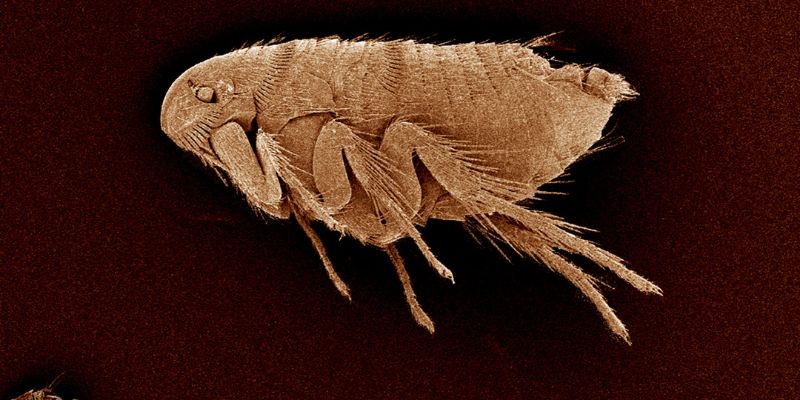
A flea is a small, wingless, blood-feeding insect that jumps between hosts and lays eggs wherever it lands. Hardwood floors have far fewer hiding spots than carpet fiber, but the gaps between boards, the space under baseboards, and dusty corners under furniture still work for a flea’s egg and larval stages. Fleas ride in on pets, shoes, or secondhand rugs, then fall off and breed in those cracks even though the smooth surface itself offers no shelter.
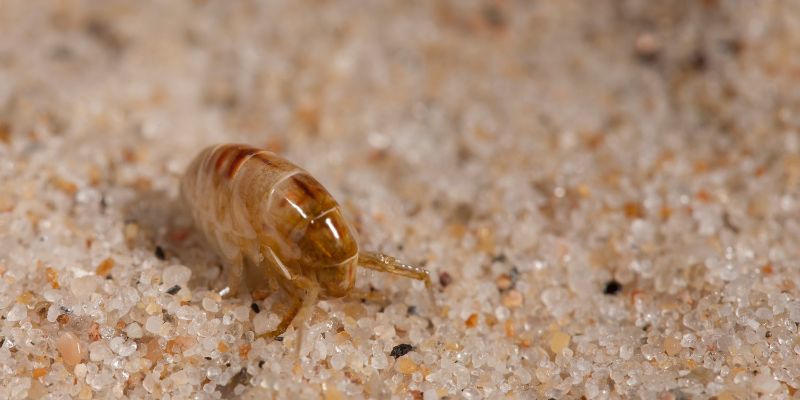
How Long Do Fleas Live on Hardwood Floors?
Not long as adults, but their eggs and pupae can outlast a single cleaning. According to the CDC’s flea life-cycle overview, eggs hatch in 1 to 10 days, larvae develop over 5 to 20 days, and the pupal cocoon stage can stay dormant for weeks — in some cases close to a year — until vibration, heat, or carbon dioxide signals a host is nearby. That dormancy is exactly why floor cracks matter: pupae wedged into a gap between boards can wait out a single vacuuming and hatch weeks later.
📊 A flea’s full life cycle typically runs 2 to 8 weeks, but pupae can remain dormant for up to a year without a host. — Source: CDC, Flea Life Cycles
Is Diatomaceous Earth, Vinegar, or Borax Safe for Hardwood Floors?
This is the question most flea guides skip, and it matters if your floor has a finish worth protecting. Food-grade diatomaceous earth (DE) is the safest of the three for a sealed hardwood floor — it doesn’t react with polyurethane chemically, but it does need to be vacuumed up within 24 to 48 hours, since grinding a fine abrasive powder underfoot before removing it is what can dull a finish over repeated cycles. DE also gets slippery in a thick layer and stops working once it’s wet, so apply it as a thin dusting, not a pile.
Vinegar is the one to avoid on finished wood. It’s acetic acid, and repeated or undiluted use breaks down the chemical bonds in a polyurethane or wax coating, leaving a dull, flattened sheen over time — this is a documented issue with vinegar-based wood cleaners generally, not just a flea-treatment side effect. If you want vinegar’s flea-repelling scent anyway, dilute it heavily (1 part vinegar to several parts water) and never use it as a standing soak.
Borax sits in between. It’s a high-pH abrasive salt, and it needs to be fully vacuumed off within a few hours — never left indefinitely — because it can etch a polyurethane coating the same way DE can if it’s ground in first. Borax is also less proven on hardwood specifically than DE, since fleas breed in organic debris rather than the carpet-fiber environment borax is usually marketed for. Our full borax application guide covers exact ratios and removal timing if you go this route.
| Treatment | Finish-Safety Verdict | Best For |
|---|---|---|
| Food-grade diatomaceous earth | Safe if vacuumed within 24-48 hrs; keep it thin | Cracks, baseboards, under furniture |
| Vinegar solution | Avoid full-strength; dilute heavily, no standing soak | Light surface wipe only |
| Borax | Contested; must be fully removed within hours | Carpet more than bare hardwood |
“Diatomaceous earth products are generally considered low in toxicity, but users should still avoid inhaling the dust and should wear a mask during application — the physical, abrasive action is what affects insects, not a chemical poison.”
Step-by-Step: How to Get Rid of Fleas on Hardwood Floors
Treating Your Pets First
Skip this step and every floor treatment below just gets re-infested. Pets are the source, not the floor.
- Get a vet-approved flea treatment: ask your veterinarian for a topical, oral, or collar treatment rated for your pet’s species and weight.
- Comb before treating: run a fine-tooth flea comb through your pet’s coat to physically remove adult fleas and flea dirt before the treatment takes effect.
- Wash bedding in hot water: launder pet bedding, blankets, and any fabric they sleep on at the hottest safe setting.
- Repeat on schedule: follow the treatment’s reapplication window exactly — most flea products need a second dose to catch fleas that hatch after the first round.
Treating Your Hardwood Floors
- Vacuum daily for 2 to 4 weeks: use strong suction along baseboards, in corners, and under furniture where eggs and larvae collect — vacuuming won’t kill pupae, but it physically removes eggs and triggers dormant pupae to hatch into a stage the next pass can catch.
- Empty the vacuum outside immediately: seal the bag or empty the canister into an outdoor trash bin right away so removed fleas can’t escape back into the house.
- Dust cracks with food-grade DE: apply a thin layer into floorboard gaps and baseboard edges, leave it 24 to 48 hours, then vacuum it up completely.
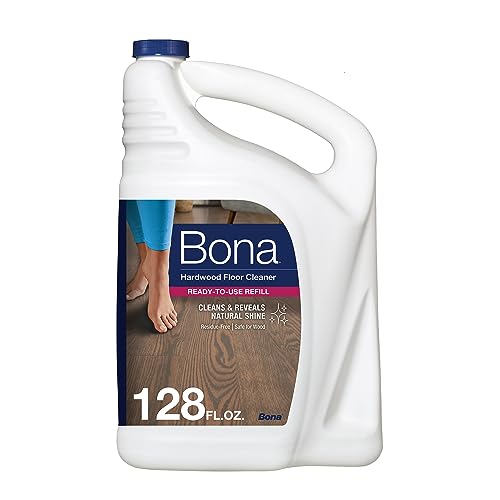
- Mop with a wood-safe, pH-neutral cleaner: warm water and a cleaner made for sealed hardwood removes flea dirt and larval food debris without the finish risk that vinegar carries.
- Steam clean if the floor and finish allow it: high heat kills fleas and eggs on contact, but check your finish manufacturer’s guidance first — some engineered and older finishes aren’t rated for steam.
A flea comb catches what a vacuum misses on your pet, and a wood-safe floor cleaner does the same for the floor without the vinegar risk above. Here’s what we’d actually put in the cart for this job:
Best Flea Treatment Pick for Hardwood Floors
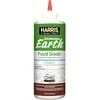
Harris Diatomaceous Earth, Food Grade – $9.99
The puffer-tip applicator makes it easy to dust a thin layer into board gaps and baseboard edges — exactly the 24-to-48-hour application this guide walks through above.
- Best for: dusting floor cracks and baseboards between vacuum passes
- Why we picked it: food-grade and OMRI-listed, the safest of the three treatments for a sealed finish
- Main drawback: stops working once wet, and must be fully vacuumed up on schedule
Compare more flea treatment options
 Option 1 Wondercide Flea & Tick Spray, Rosemary – $26.99
|
 Option 2 Stainless Steel Flea Comb – $6.99
|
 Option 3 Aunt Fannie’s Vinegar-Free Floor Cleaner – $19.99
|
As an Amazon Associate we earn from qualifying purchases.
Preventing Fleas From Coming Back
Prevention is cheaper than a second round of treatment. Once the active infestation clears, keep it from returning with a few standing habits rather than a one-time deep clean.
- Vacuum weekly, not just during an active infestation — a standing routine catches new eggs before they mature.
- Seal visible gaps between boards and along baseboards with an appropriate wood filler or caulk so there’s less crevice for eggs to fall into in the first place.
- Keep pets on a year-round preventative, not just a seasonal one — fleas survive indoors through winter even in cold climates. A cedarwood-based repellent can supplement a vet-approved treatment, though it shouldn’t replace one.
- Use washable area rugs in high-traffic zones near entry points, and wash them on the same hot-water schedule as pet bedding — our guide to cleaning area rugs on wood floors covers the safe method for the floor underneath.
If pets are prone to other hardwood accidents beyond fleas, our guide to removing pet urine stains from hardwood floors covers the separate cleanup process — different problem, same floor.
How Much Does Professional Flea Treatment Cost?
DIY treatment handles most hardwood-floor flea problems within a month. Call a professional when an infestation keeps returning after two full vacuum-and-treatment cycles, when it’s spread beyond one or two rooms, or when a member of the household reacts badly to flea bites.
📊 A single professional flea treatment visit typically runs $75-$400, with full-home fumigation-level infestations reaching $1,000 or more. — Source: industry pest-control pricing data, 2026
Ask any exterminator specifically about hardwood-safe application methods before booking — some fogger and spray formulas leave a residue that needs mopping off sealed floors afterward, and it’s worth confirming that upfront rather than discovering it after the visit.
Frequently Asked Questions
Can fleas live on hardwood floors?
Yes, but they don’t thrive there the way they do in carpet. Adult fleas can jump onto hardwood from pets, and eggs, larvae, and pupae can hide in the cracks between boards, under baseboards, and in dusty corners. The smooth surface itself gives fleas nowhere to burrow, which is why hardwood infestations are usually easier to clear than carpeted ones.
Do fleas prefer carpet or hardwood floors?
Fleas prefer carpet. Deep carpet fibers hold humidity, trap organic debris for larvae to feed on, and offer far more hiding spots than a flat hardwood surface. That’s why the same infestation usually clears faster on hardwood than it would on wall-to-wall carpet in the same room.
Is diatomaceous earth safe for hardwood floors?
Yes, food-grade diatomaceous earth is safe for sealed hardwood as long as it’s applied thin and vacuumed up within 24 to 48 hours. It won’t chemically damage a polyurethane finish, but leaving a thick layer underfoot before vacuuming can cause mechanical abrasion over repeated cycles, and it stops working once it gets wet.
Is borax safe to leave on hardwood floors?
No, not indefinitely. Borax is a high-pH abrasive salt that should be vacuumed up within a few hours of application, never left on the floor long-term. Left ground into a finish, it can etch polyurethane the same way an unvacuumed layer of diatomaceous earth can.
Are flea bombs or foggers safe for hardwood floors?
It depends on the product. Some foggers leave a residue that can stain or dull a hardwood finish if it isn’t mopped off promptly afterward, and manufacturer instructions vary on how long to ventilate and clean before pets or people return to the room. Check the specific product label for hardwood-surface guidance rather than assuming any fogger is finish-safe by default.
Does vacuuming actually kill fleas?
Vacuuming physically removes adult fleas, eggs, and larvae, and the vibration can trigger dormant pupae to emerge into a stage the vacuum can then catch, but it doesn’t reliably kill everything in a single pass. That’s why daily vacuuming for 2 to 4 weeks, not a one-time clean, is what actually breaks the cycle.
Conclusion
Getting rid of fleas on hardwood floors comes down to two things: treating your pets first, and vacuuming consistently for as long as the flea life cycle takes to break, not just until you stop seeing them. Food-grade diatomaceous earth is the safest treatment for a finished floor when it’s applied thin and vacuumed up on schedule — vinegar and full-strength borax carry a real finish-damage risk that’s worth avoiding on wood you want to keep looking good.