Can I Refinish Old Wood Floor Step By Step
Thinking about giving your old, tired wood floors a new lease on life? Many homeowners wonder, Can I Refinish Old Wood Floor? Step-by-Step Guide is a question that often pops up, especially for those new to DIY projects.
It can seem a bit intimidating at first, with all the sanding and finishing involved. But don’t worry! It’s totally doable with the right approach.
We’re going to walk you through it, making it simple and clear. Get ready to see those floors shine again.
Is It Possible To Refinish Old Wood Floors
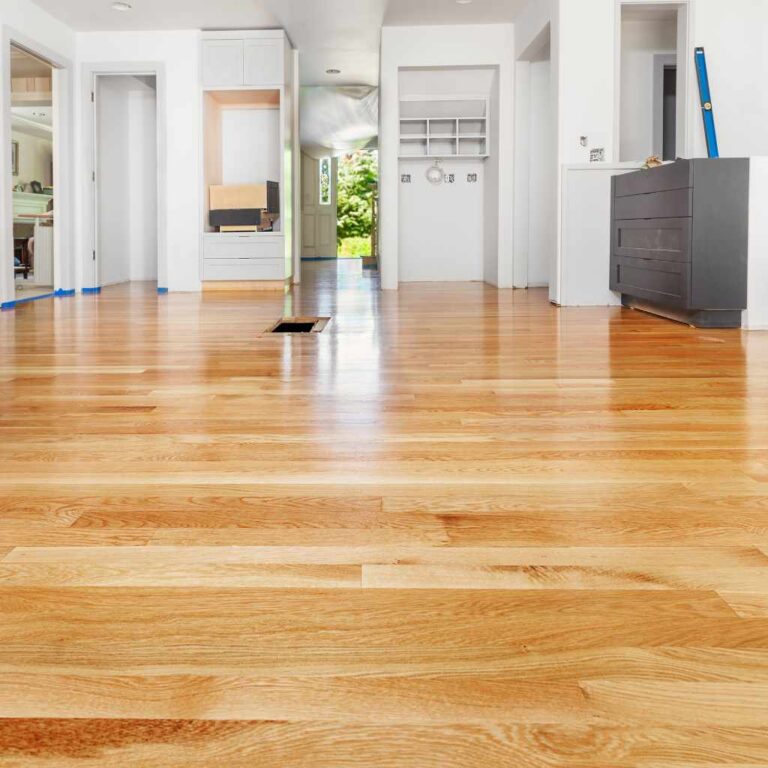
Yes, absolutely! Most old wood floors can be refinished, breathing new life into them and restoring their beauty. The process involves removing the old finish and a thin layer of wood to reveal a fresh surface.
This makes them look like new again, saving you a lot of money compared to replacing them. Refinishing also allows you to change the look by applying a different stain color. It’s a fantastic way to update your home’s appearance.
Assessing Your Wood Floor Condition
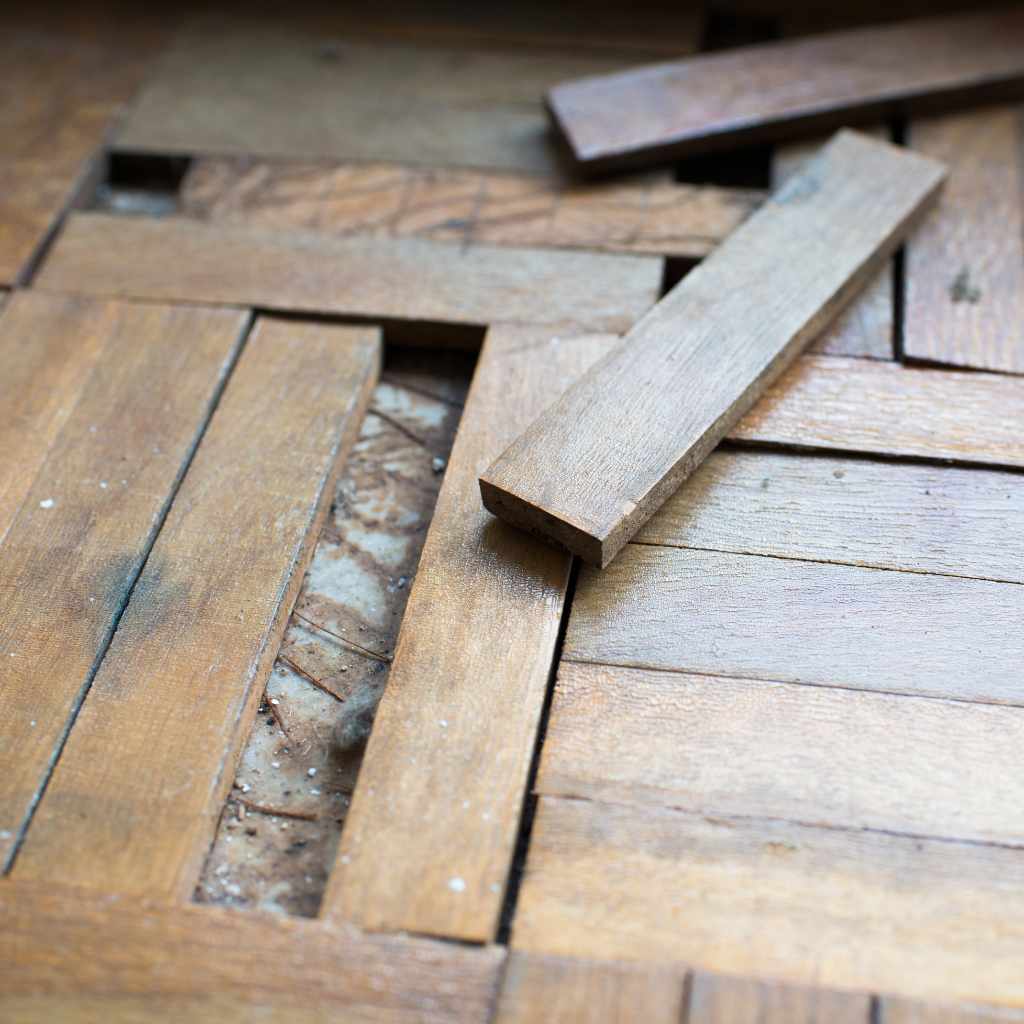
Before you grab any tools, it’s smart to look closely at your floor. You need to see if it’s a good candidate for refinishing. Are there deep gouges, water damage, or warped boards?
If the damage is severe and goes deep into the wood, refinishing might not be the best option. You also want to know what kind of wood you have, as some woods are harder to work with than others. Checking for existing finishes is also important, as it can affect the sanding process.
Inspect the floorboards for any signs of rot or extensive damage from pests like termites. These issues require professional repair or replacement of the affected planks before refinishing can even be considered. Minor scratches and wear and tear are usually fine.
These are the very things refinishing is designed to fix.
Consider the thickness of the wood. If the boards are very thin or have been sanded down many times before, you might not have enough wood left to sand effectively. You can often tell by looking at the edges of the boards where they meet the wall or by checking the height difference between boards if there’s significant cupping.
Types Of Wood Floors That Can Be Refinished
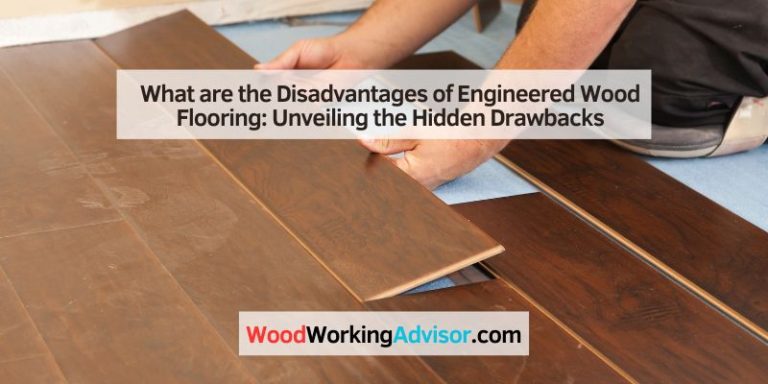
Solid hardwood floors are the stars of refinishing. These planks are made from a single piece of wood and can be sanded down multiple times throughout their lifespan. Engineered wood floors can sometimes be refinished, but it depends on the thickness of the top wear layer.
If the wear layer is thick enough (usually 2mm or more), you can refinish it. Laminate and vinyl floors, however, cannot be refinished; they must be replaced.
Parquet flooring, with its intricate patterns, can also be refinished, but it requires extra care and often specialized sanding techniques. The delicate patterns can be easily damaged by aggressive sanding. So, knowing your floor type is key to deciding if refinishing is the right move.
When in doubt, it’s always a good idea to consult with a flooring professional. They can help you identify your floor type and assess its refinishing potential. They might also be able to tell you how many times it has been refinished in the past.
When Refinishing May Not Be Ideal
If your wood floor has extensive water damage, deep gouges, or is made of a very thin veneer, refinishing might not be a good idea. Severe damage means removing too much wood, which could weaken the floor or even damage it beyond repair. Rotting wood also presents a serious problem that refinishing can’t fix.
If the floor is made of engineered wood with a very thin top layer, sanding it down too much could expose the underlying material. This would ruin the floor’s appearance and durability. Also, if the wood is already very worn and has had many previous refinishing sessions, there may not be enough wood left to sand safely.
Sometimes, even if refinishing is possible, the cost and effort might not be worth it compared to installing new flooring. This is especially true if the existing subfloor is in bad condition or if there are significant issues like mold. Always weigh the pros and cons carefully before starting.
The Step By Step Guide To Refinishing Wood Floors
Now that you know it’s possible, let’s get into the actual steps. This process breaks down the project into manageable parts. You’ll need some tools and materials, but the reward is a beautiful, refreshed floor.
Step 1 Gathering Your Tools And Materials
To start, you’ll need a drum sander for the main floor area and an edge sander for the borders and hard-to-reach spots. A floor buffer can help with a smoother finish. You’ll also need sandpaper in various grits, from coarse (like 36-grit) to fine (like 150-grit or higher).
Don’t forget safety gear: a dust mask or respirator, safety glasses, and ear protection are essential.
You’ll also need a shop vacuum for dust cleanup, tack cloths to remove fine dust particles, wood filler for any holes or imperfections, and stain and finish (polyurethane, lacquer, or oil-based). For application, you’ll need brushes, rollers, and applicators specifically designed for floor finishes. Drop cloths are also handy to protect surrounding areas from dust and spills.
Here’s a quick list to help you prepare:
- Drum sander
- Edge sander
- Floor buffer (optional, but recommended)
- Sandpaper (various grits: 36, 60, 100, 150)
- Dust mask or respirator
- Safety glasses
- Ear protection
- Shop vacuum
- Tack cloths
- Wood filler
- Wood stain (your choice of color)
- Floor finish (polyurethane, lacquer, oil-based)
- Applicator pads, brushes, or rollers
- Drop cloths
- Painter’s tape
- Gloves
Step 2 Preparing The Room
Before you start sanding, clear the room completely. Move all furniture, rugs, and any other items out. Then, remove baseboards and trim if you plan to refinish them separately.
If not, use painter’s tape to protect them from the sanding process. It’s also a good idea to cover any vents or doorways to prevent dust from spreading throughout your house. Seal off the room with plastic sheeting and tape to contain the dust as much as possible.
Ensure all nails are hammered down below the surface of the wood. If you don’t, they can tear the sandpaper and damage your sanding equipment. You can use a nail set for this.
Check for any loose floorboards and secure them with screws or nails.
Step 3 Sanding The Floor
Sanding is the most labor-intensive part. Start with the coarsest grit sandpaper (around 36-grit) on the drum sander to remove the old finish and any deep scratches. Move the sander slowly and steadily across the floor, working in the direction of the wood grain.
Overlap your passes slightly to avoid missed spots.
After the first pass with coarse grit, switch to a finer grit (like 60-grit) and sand the entire floor again. Then, use an edge sander with the same grit sandpaper to sand the perimeter of the room and any areas the drum sander couldn’t reach. Always wear your safety gear during this step because of the significant dust production.
Continue sanding with progressively finer grits (e.g., 100-grit, then 150-grit). Each pass should remove the scratches left by the previous grit. After each sanding pass, vacuum up all the dust thoroughly.
Use the shop vacuum and then go over the floor with a tack cloth. This ensures no dust remains, which is critical for a smooth finish.
The goal is to achieve a smooth, uniform surface. If you notice any areas that still have old finish or deep scratches, you may need to go back to a coarser grit, but try to avoid this if possible. Too much sanding can thin out your wood floor.
A common mistake is not sanding enough, leaving behind the old finish, or sanding too aggressively, creating swirl marks or divots. Patience and consistent technique are key here. For a truly professional finish, some people use a random orbital sander or a floor buffer with a sanding screen after the drum sanding.
This helps to create an exceptionally smooth surface.
Consider the type of wood. Softer woods like pine may require more careful sanding to avoid creating divots. Harder woods like oak can withstand more aggressive sanding.
Always check your sander’s manual for specific operating instructions.
Step 4 Cleaning And Preparing For Stain
Once sanding is complete, thorough cleaning is crucial. Vacuum the entire floor multiple times to pick up every bit of dust. Pay close attention to the gaps between floorboards and along the baseboards.
After vacuuming, use a tack cloth to wipe down the entire floor. This sticky cloth lifts any remaining fine dust particles that the vacuum might have missed. A clean surface is essential for the stain and finish to adhere properly and look good.
Inspect the floor for any remaining imperfections, such as deep scratches or gouges that the sanding didn’t fully remove. Use a good quality wood filler that matches your desired stain color to fill these spots. Apply the filler with a putty knife, pressing it firmly into the defect.
Once dry, gently sand the filled areas smooth with fine-grit sandpaper and clean again with a tack cloth.
If you plan to stain your floor, this is the time to do it. Staining is optional; you can also opt for a clear finish. If staining, ensure you have enough stain to cover the entire floor in one go.
Stir the stain well, but do not shake it, as this can create air bubbles. Apply the stain evenly with an applicator pad or brush, working in small sections. Always follow the manufacturer’s instructions regarding drying times between coats and how to apply the stain.
Testing your stain on a hidden area or a scrap piece of wood is highly recommended. This allows you to see how the color will look on your specific wood and with your chosen finish. Different wood species absorb stain differently, so a test run is invaluable.
After applying the stain, let it dry completely according to the product’s directions. This can take anywhere from a few hours to a full day, depending on the type of stain and environmental conditions like humidity and temperature. Proper drying is vital before moving on to the finish coats.
Step 5 Applying The Finish
Once the stain is dry (or if you skipped staining and are going straight to finish), it’s time to apply the protective coating. Polyurethane is a popular choice for its durability. You can choose between water-based or oil-based polyurethane.
Water-based dries faster and has less odor, while oil-based offers a warmer tone and often greater durability.
Apply the finish in thin, even coats using a high-quality applicator pad, roller, or brush. Work in the direction of the wood grain and maintain a wet edge to avoid lap marks. Avoid applying too much finish at once, as this can lead to drips and an uneven surface.
Let each coat dry thoroughly according to the manufacturer’s instructions, which typically involves light sanding with a very fine grit (like 220-grit) or a screening pad between coats to ensure proper adhesion and a smooth finish.
Use a tack cloth after each sanding to remove any dust before applying the next coat. Most floors will require at least three coats of finish for adequate protection. The final coat should be left to cure completely, which can take several days to a week, before you return furniture to the room.
During the curing period, avoid heavy foot traffic, spills, or dragging anything across the floor.
The type of finish you choose will impact the final look and maintenance. For high-traffic areas, a durable polyurethane is usually the best bet. For a more natural look, consider a hardwax oil finish, which can also be spot-repaired more easily.
Proper ventilation is crucial during this stage. Open windows and doors (weather permitting) and use fans to help circulate air. This not only helps the finish dry faster but also dissipates the fumes.
Always wear gloves and a respirator when applying finishes.
Here’s a typical application sequence for polyurethane:
- Apply the first coat of finish.
- Allow it to dry completely as per instructions.
- Lightly sand the entire floor with 220-grit sandpaper or a floor screening pad.
- Vacuum and wipe down with a tack cloth.
- Apply the second coat of finish.
- Repeat steps 2-5 for any subsequent coats (usually 1-2 more).
- Allow the final coat to cure fully.
Maintaining Your Newly Refinished Wood Floors
Keeping your floors looking great after all your hard work is essential. Regular cleaning and protection will ensure they stay beautiful for years to come. This involves simple habits that make a big difference.
Daily And Weekly Cleaning Practices
For daily maintenance, sweep or vacuum your floors to pick up dust, dirt, and grit. These particles can act like sandpaper underfoot, scratching and dulling the finish over time. Use a vacuum cleaner with a brush roll turned off or a soft-bristle attachment designed for hard floors.
Avoid using steam mops, as excessive moisture can damage wood floors.
For weekly cleaning, use a damp mop with a wood floor cleaner specifically designed for your type of finish. Always wring the mop out thoroughly so it is barely damp, not wet. Apply the cleaner to the mop head, not directly to the floor, to prevent excess moisture.
Clean in the direction of the wood grain. Wipe up spills immediately with a soft cloth.
It’s also a good idea to clean under furniture and rugs periodically to prevent uneven wear. If you notice any dull spots or areas where the finish seems to be wearing down, address them sooner rather than later. Prompt attention can prevent more significant damage.
Protecting Your Floor From Damage
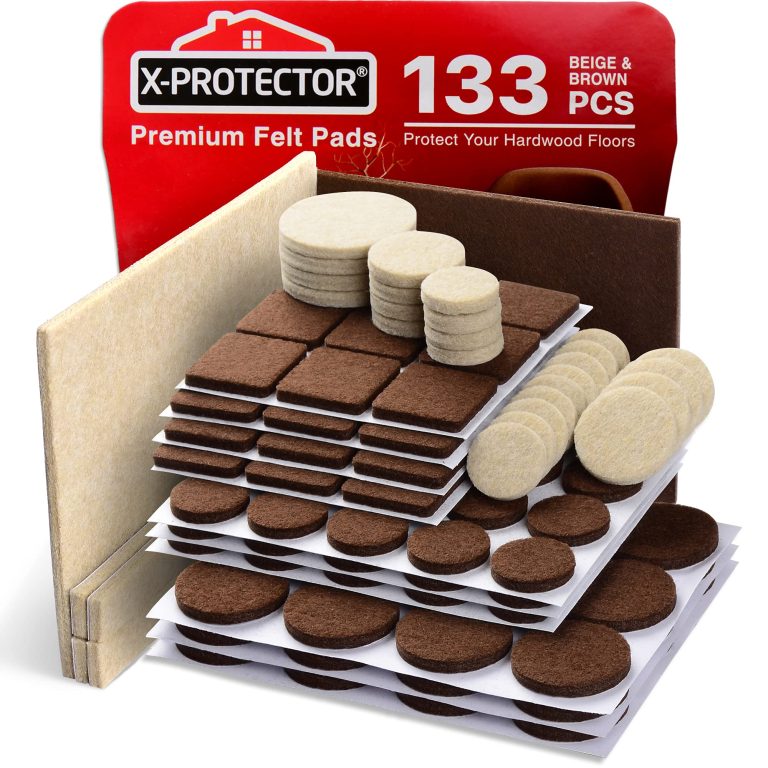
Use furniture pads or felt protectors on the legs of all furniture. This is one of the most effective ways to prevent scratches and dents. Make sure the pads are clean and free of debris.
Replace them if they become worn or dirty.
Use doormats at all entrances to catch dirt, sand, and moisture before they are tracked onto your floors. Place mats both outside and inside entryways. Consider using rugs or runners in high-traffic areas like hallways and entryways.
These can absorb a lot of wear and tear.
Avoid wearing high heels, cleats, or sports shoes on your wood floors, as these can cause damage. Keep pet nails trimmed to prevent scratches. Be careful with items like dragging heavy appliances or dropping sharp objects.
Humidity control is also important. Wood expands and contracts with changes in humidity. Try to maintain a consistent humidity level in your home, ideally between 30-50 percent.
A humidifier or dehumidifier can help regulate this. Extreme fluctuations can cause gaps between boards or buckling.
When To Consider Professional Refinishing Again
Even with the best care, wood floors will eventually show wear. If you notice significant dulling, scratches that go through the finish, or if the floor hasn’t been refinished in 10-15 years, it might be time to consider professional help again. Professionals have access to specialized equipment and expertise that can restore floors to their former glory.
If you’re considering a major change in color, or if your floor has suffered extensive damage like deep gouges or water stains that you can’t repair yourself, a professional refinisher can assess the situation and provide the best solution. They can also offer advice on the latest finishes and techniques.
Sometimes, a DIY refinishing job might not turn out exactly as you hoped. In such cases, a professional can often correct issues that you might not be able to fix on your own. Don’t hesitate to get quotes from a few different reputable companies to compare services and pricing.
Troubleshooting Common Refinishing Issues
During the refinishing process, you might run into a few common problems. Knowing how to address them can save you a lot of frustration and ensure a better final outcome.
Dealing With Dust In The Air
Dust is the biggest challenge. Even with good containment, some dust will escape. To minimize it, seal off the work area with plastic sheeting and tape.
Run an air purifier with a HEPA filter in the room. After each sanding pass, vacuum thoroughly and then wipe down surfaces with a shop vac and finally a tack cloth.
For airborne dust, it is crucial to wear a high-quality respirator mask. Not only does it protect your lungs, but it also prevents dust from settling into the wet finish. Ensure your vacuum cleaner has a good filter, preferably a HEPA filter, to capture fine dust particles effectively.
If you have central air, turn off the system during sanding and finishing to prevent dust from circulating throughout the house. After finishing, allow the room to air out thoroughly before turning the HVAC back on. Consider cleaning the air filters in your HVAC system after the project is complete.
Sanding Marks And Imperfections
If you notice swirl marks from the sander, it usually means the sandpaper wasn’t changed often enough or the pressure was uneven. You can often fix these by sanding with a finer grit or by using a floor buffer with a screening pad. For deeper scratches, you might need to re-sand the area with a coarser grit, ensuring you blend it smoothly into the surrounding area.
Lap marks, which look like darker lines where one pass of the sander or finish applicator overlapped another, can be tricky. If they are in the finish, you might be able to lightly sand them out and reapply a thin coat of finish. If they are in the wood, you might need to re-sand that section.
Always work systematically and overlap your passes consistently.
Inspect your floor carefully under good lighting after each step. A good light source can reveal imperfections you might otherwise miss. Address any issues as you find them, rather than waiting until the end.
Small problems are much easier to fix when they are fresh.
Uneven Stain Absorption
Sometimes, stain doesn’t soak into the wood evenly, leaving blotchy patches. This is more common with soft woods like pine or maple. Using a pre-stain wood conditioner can help prevent this by sealing the wood pores so the stain penetrates more uniformly.
Apply the conditioner according to its instructions before staining.
If you’ve already applied stain and it looks blotchy, you might be able to fix it. Sometimes, wiping with a clean rag dampened with mineral spirits can help blend the color a bit, but this is risky. If the blotchiness is severe, you might need to lightly sand the area down to bare wood and reapply the stain after using a conditioner.
Another technique for controlling stain absorption is to use a different type of stain. For example, a gel stain sits more on the surface and is less likely to be blotchy. Always do test patches in an inconspicuous area to see how the stain and conditioner work together on your specific wood.
Frequently Asked Questions
Question: Can I refinish my existing hardwood floors myself
Answer: Yes, you can refinish most existing hardwood floors yourself. It requires patience, the right tools, and a willingness to learn, but it’s a very achievable DIY project for many homeowners.
Question: How long does it take to refinish a wood floor
Answer: The time it takes can vary depending on the size of the area and your experience, but typically it takes 3-7 days for a standard room, including drying and curing times.
Question: What is the most durable finish for wood floors
Answer: Oil-based polyurethane is generally considered one of the most durable finishes for hardwood floors, offering excellent resistance to wear and tear.
Question: Do I need to remove my baseboards to refinish my floor
Answer: It’s not always necessary. You can carefully tape off your baseboards with painter’s tape to protect them from sanding and finishing, or you can remove them and reattach them afterward for a cleaner edge.
Question: How many times can a wood floor be refinished
Answer: Solid hardwood floors can typically be refinished multiple times, depending on the thickness of the wear layer. Engineered wood floors can only be refinished if they have a thick enough top wear layer.
Final Thoughts
So, can I refinish old wood floor? Step-by-step guide shows it’s a rewarding project you can tackle. The key is careful preparation, systematic sanding with progressively finer grits, and patient application of stain and finish.
Remember to always prioritize safety by wearing your protective gear and ensuring good ventilation throughout the process. Cleaning thoroughly between steps is vital for a professional-looking result. By following these steps and paying attention to the details, you can transform tired, worn-out floors into a beautiful feature of your home.
Don’t be discouraged by the amount of work; breaking it down into smaller tasks makes it manageable. Take your time, and don’t rush any stage, especially sanding and finishing. The effort you put in will be reflected in the stunning, revitalized floors you achieve.
Enjoy your beautiful, updated space!