What Size Drill Bit (or Hole Saw) Do You Need for Can Lights?
A standard twist drill bit can’t cut a can light hole — you need an adjustable hole saw (or a fixed-size drywall hole saw) sized to the fixture’s actual cutout diameter, which is usually printed on the box and is often larger than the light’s nominal size. A “4-inch” recessed can, for example, commonly needs a 4-1/2-inch cutout to fit the trim ring, not a 4-inch hole. Cutting it to the wrong size either leaves a gap the trim can’t cover or makes the fixture too tight to seat properly.
Why a Regular Drill Bit Doesn’t Work Here
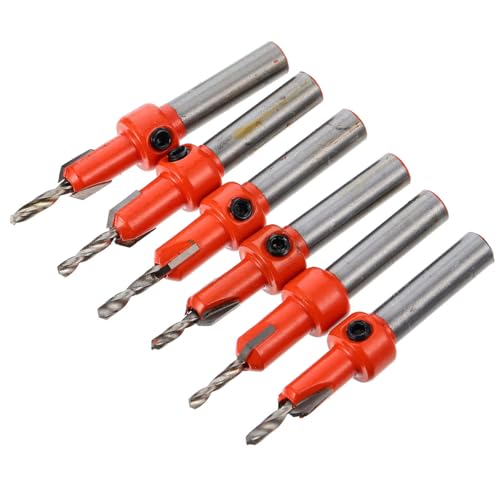
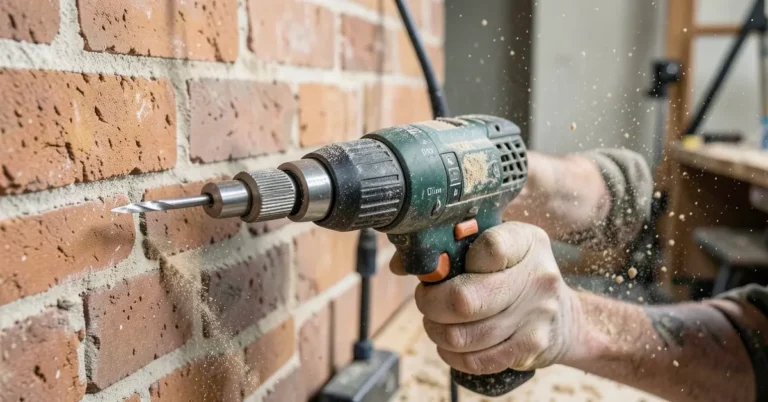
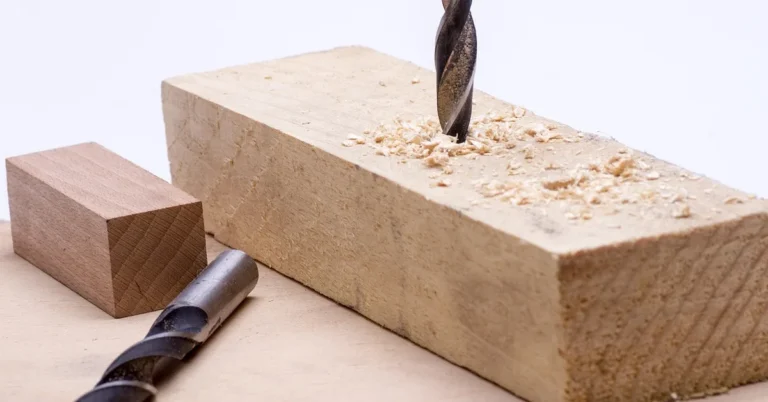
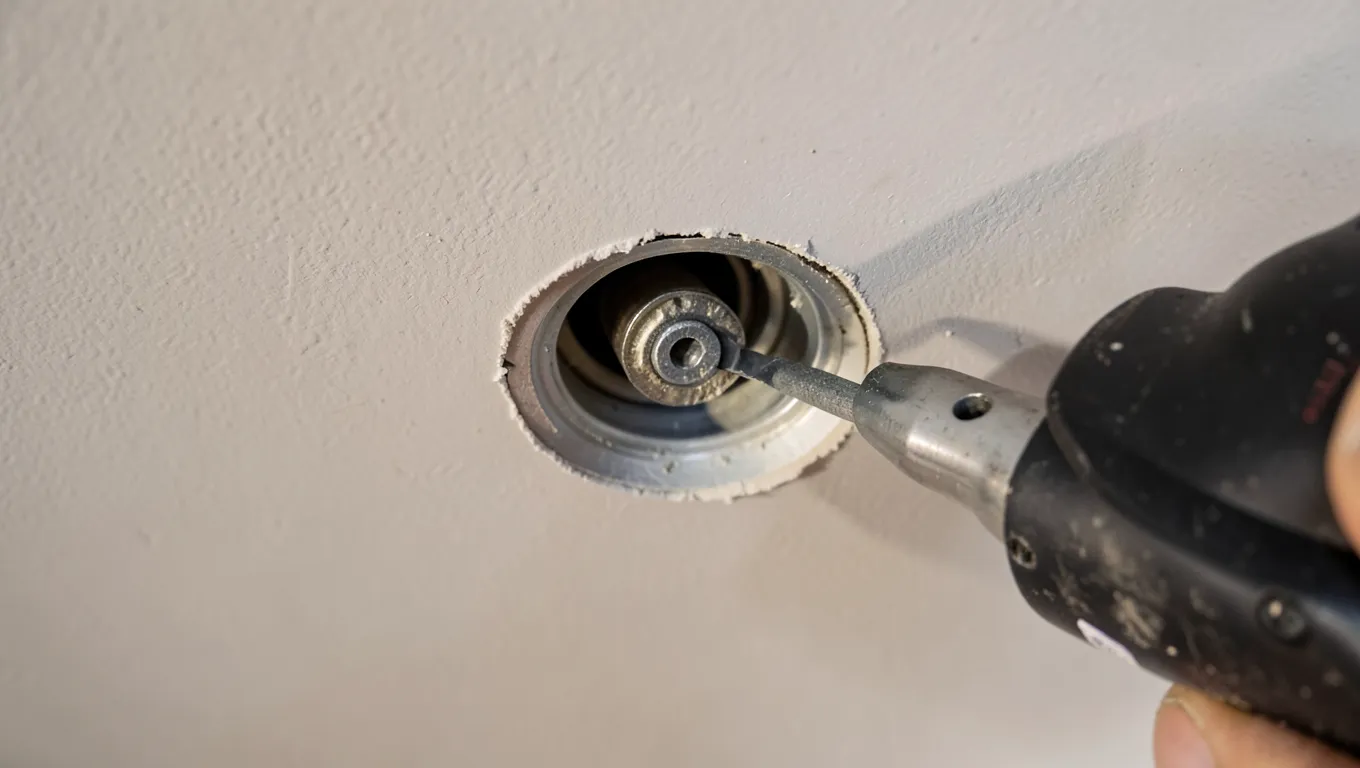
Twist drill bits are made to bore round holes for fasteners and pilot holes, typically well under an inch in diameter. A can light cutout is 4 to 6 inches across, which is far outside what any standard bit is designed or rated to cut. For a hole this size in drywall or plaster ceiling material, the right tools are an adjustable circle-cutting hole saw, a fixed-diameter drywall hole saw sized for common can-light cutouts, a jab (keyhole) saw for a hand-cut approach, or an oscillating multi-tool with a plunge-cut blade.
Find the Real Cutout Size First
Can lights are sold by a nominal size (4-inch, 5-inch, 6-inch) that describes the trim or housing diameter, not the hole you cut. The actual required cutout diameter is printed on the fixture’s packaging or spec sheet, and it’s almost always somewhat larger than the nominal size so the trim ring can overlap the drywall edge cleanly. Common approximate cutouts: a 4-inch can typically needs about a 4-1/2-inch hole, a 5-inch can around 5-1/2 inches, and a 6-inch can around 6-1/2 inches — but treat these as starting estimates and always confirm the exact number on the box or installation instructions before cutting, since it varies by manufacturer and by whether the fixture is a traditional can, a slim retrofit disc, or a new-construction housing.
Tools That Actually Cut This Hole
Adjustable Hole Saw / Circle Cutter
An adjustable hole saw has a sliding or rotating arm that sets the cutting radius to any diameter within its range, which is the most versatile option since one tool covers every common can-light size. Set it to the exact cutout diameter from the fixture’s spec sheet, center it on your marked hole location, and cut at a slow, steady drill speed to avoid tearing the paper face of the drywall.
Fixed-Diameter Drywall Hole Saw
These come in the standard can-light sizes (4, 5, and 6 inches are the most common) and cut a cleaner edge faster than an adjustable cutter since there’s no arm to wobble. They’re worth buying if you’re installing several cans of the same size, less so for a one-off job in a mixed-size project.
Jab Saw or Oscillating Multi-Tool
For a retrofit install in a finished ceiling where you can’t get a drill flush to the surface, trace the cutout with the template that comes with most can-light fixtures, drill a small starter hole inside the line, and cut along the traced circle with a jab saw or an oscillating tool’s plunge blade. This method is slower and less perfectly round than a hole saw, but it works in tight spaces a hole saw can’t reach.
Before You Cut: Check for What’s Above the Ceiling
Always confirm there’s no ceiling joist, wiring, or ductwork directly behind your marked cutout location before cutting — a stud finder or a small inspection hole with a flexible camera can confirm clearance. If you land on a joist, you’ll need to shift the fixture location slightly or choose a “new work” housing designed to mount to the framing with its own bracket instead of relying on the drywall cutout alone.
Common Mistakes
- Cutting to the can’s nominal size instead of its listed cutout diameter. This is the single most common error and leaves a hole too small for the trim to seat flush.
- Using a standard twist drill bit or spade bit to try to enlarge a hole freehand instead of a proper hole saw or template-guided cut, which produces a ragged, off-center opening.
- Not checking for joists or wiring first, which can mean cutting into something structural or hitting a live wire.
- Cutting too fast, which tears the paper face of drywall around the hole edge instead of leaving a clean cut the trim ring can hide.
Bottom Line
Check the exact cutout diameter printed on the can light’s box before you cut anything — it’s usually larger than the fixture’s nominal size. Then cut it with an adjustable or fixed-diameter hole saw sized to that number, not a twist drill bit, and confirm there’s nothing behind the drywall before you start.
Frequently Asked Questions
What size drill bit do I need for a can light?
You don’t use a standard twist drill bit for this. You need an adjustable or fixed-diameter hole saw sized to the fixture’s listed cutout diameter, which is printed on the packaging and is usually larger than the can’s nominal size (a 4-inch can often needs a 4-1/2-inch hole).
What size hole do I cut for a 6-inch can light?
Check the exact number on the fixture’s box, since it varies by manufacturer, but a 6-inch can commonly requires roughly a 6-1/2-inch cutout. Always confirm the listed cutout diameter rather than assuming it matches the nominal size.
Can I use a spade bit or twist bit to cut a can light hole?
No. Spade bits and twist drill bits aren’t designed or sized for a 4-to-6-inch cutout. Use an adjustable hole saw, a fixed-diameter drywall hole saw sized for can lights, or trace and cut the fixture’s included template with a jab saw or oscillating tool.
How do I know if it’s safe to cut a hole where I want the can light?
Use a stud finder or a small inspection hole with a flexible camera to confirm there’s no ceiling joist, duct, or wiring directly behind your marked location before cutting. If a joist is in the way, shift the fixture slightly or use a new-construction housing that mounts to the framing directly.
Sponsored / affiliate links. As an Amazon Associate I earn from qualifying purchases. I may earn additional commission from eligible campaigns.