Can I Use Bona Hardwood Floor Cleaner On Tile? Essential Guide
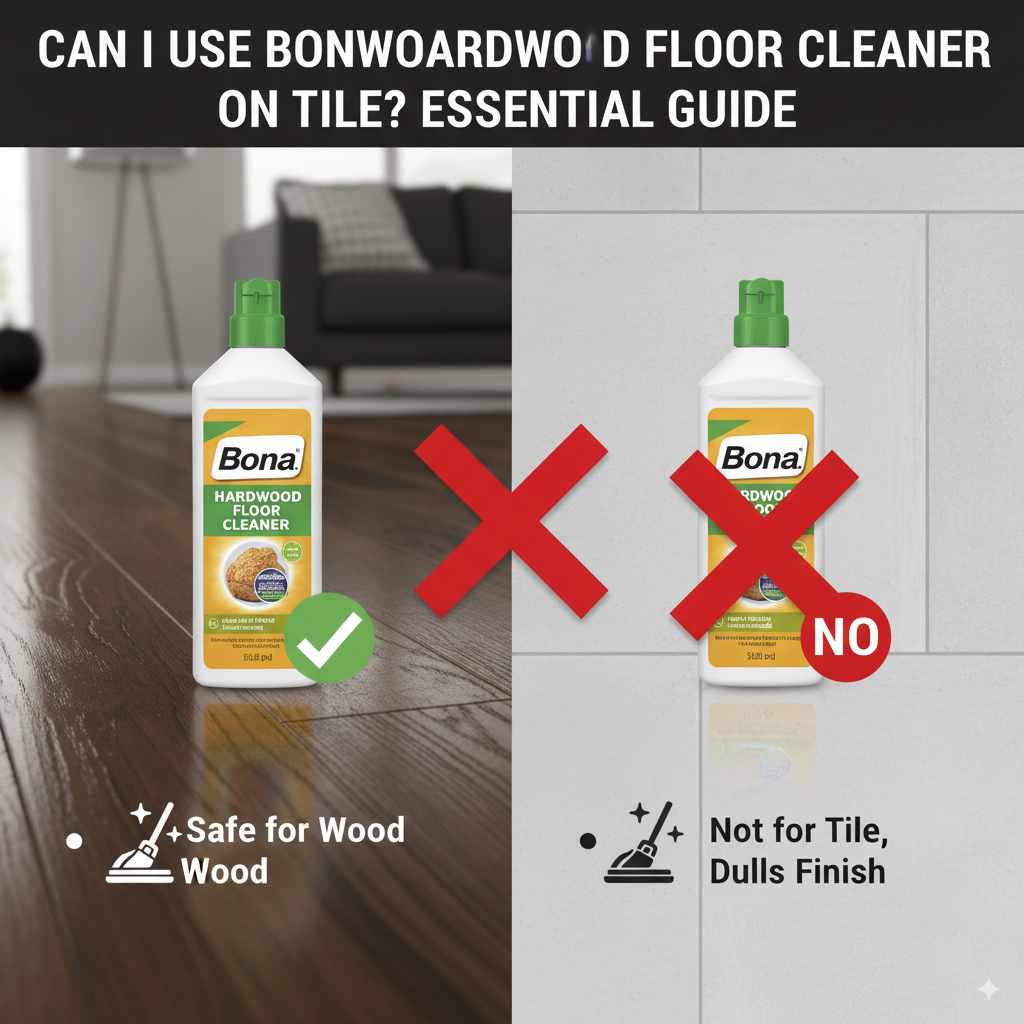
While Bona Hardwood Floor Cleaner is specially formulated for wood, it’s generally not recommended for tile floors. Tile often requires different cleaning solutions to avoid damage or residue. This guide will explain why and suggest the best cleaning methods for your tile surfaces.
Hello fellow DIYers and homeowners! Md Meraj here, your go-to for making home projects feel less daunting and more rewarding. Today, we’re tackling a question that pops up a lot when you’re juggling different flooring types in your home: Can I use Bona hardwood floor cleaner on tile? It’s a common thought—why buy another cleaner if one might do the job, right? Many of us love Bona for its gentle touch on our precious hardwood floors. But when it comes to the tougher, often water-resistant surface of tile, things can get a bit trickier. The good news is, understanding your flooring and the right cleaners is a skill anyone can master. Let’s dive in and clear up the confusion, so you can keep all your floors sparkling without a worry.
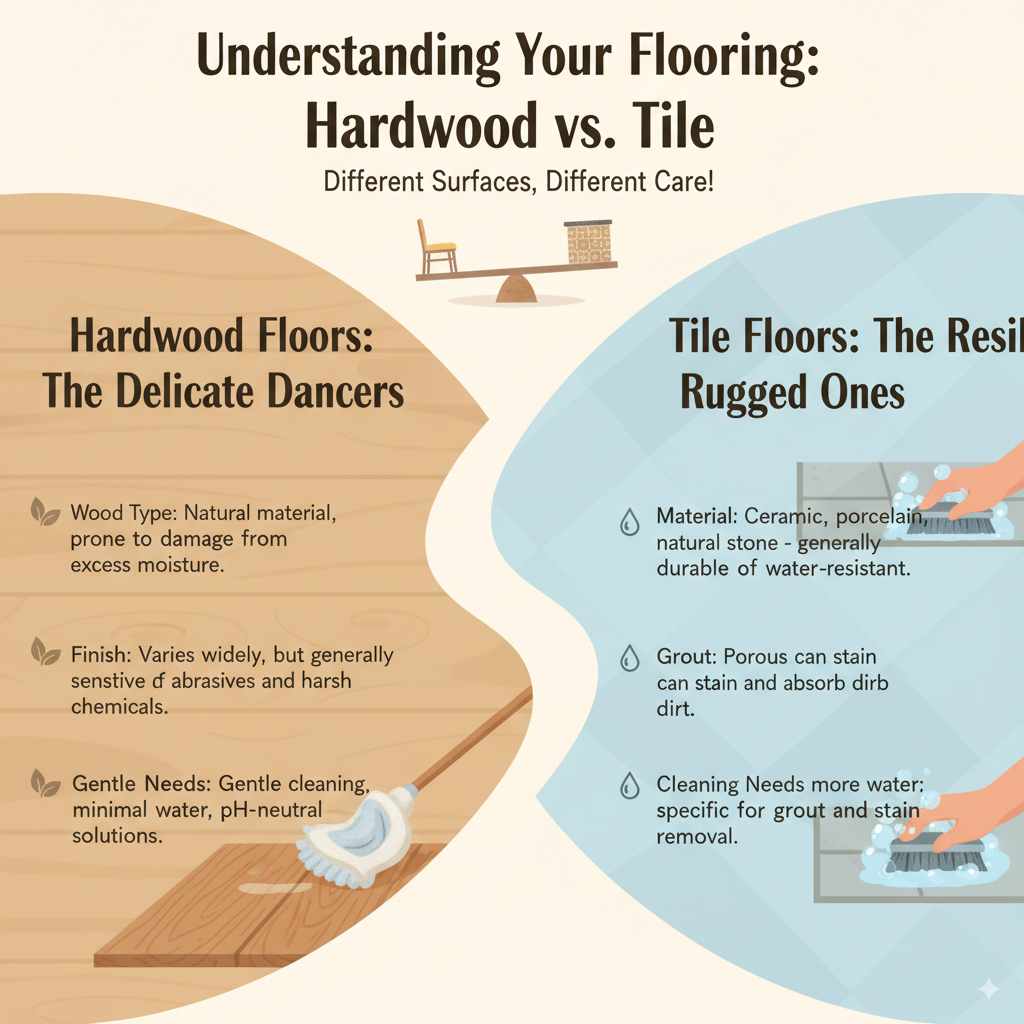
Understanding Your Flooring: Hardwood vs. Tile
Before we decide if Bona hardwood cleaner is tile-friendly, let’s quickly talk about what makes these two surfaces so different. It’s like comparing a delicate piece of furniture to a sturdy countertop – they need different care!
Hardwood Floors: The Delicate Dancers
Hardwood floors are beautiful, warm, and add a timeless elegance to any home. However, they are made of natural wood, which is porous and sensitive to moisture. Think of it like your skin – it can dry out, crack, or get damaged if exposed to too much water or harsh chemicals. That’s why cleaners designed for hardwood are usually pH-neutral and formulated to clean effectively without stripping protective finishes or leaving behind dampness that can warp the wood.
- Wood Type: Natural material, prone to damage from excess moisture.
- Finish: Varies widely, but generally sensitive to abrasives and harsh chemicals.
- Cleaning Needs: Gentle cleaning, minimal water, pH-neutral solutions.
Tile Floors: The Resilient Rugged Ones
Tile, on the other hand, is typically made from ceramic, porcelain, or natural stone. These materials are much more durable and water-resistant than wood. They can handle more moisture and often require stronger cleaning agents to tackle grout lines and persistent dirt. However, even tile has its vulnerabilities. Some natural stones can be etched by acids, and certain finishes (like polished porcelain) can be dulled by abrasive cleaners. The grout in between tiles is a different story – it’s often porous and can stain easily, requiring specific attention.
- Material: Ceramic, porcelain, natural stone – generally durable and water-resistant.
- Grout: Porous, can stain and absorb dirt.
- Cleaning Needs: Can handle more water; specific cleaners for grout and stain removal.
Why Bona Hardwood Floor Cleaner Isn’t Ideal for Tile
Now, let’s get to the heart of the matter: can Bona hardwood floor cleaner work its magic on tile? The short answer is: not really, and it’s best to avoid it.
Bona hardwood floor cleaner is a fantastic product for what it’s designed for. It’s formulated with ingredients that gently lift dirt and grime from sealed hardwood floors without damaging their protective finish. These formulations often contain mild surfactants and a pH-balanced formula. This careful balance is crucial for wood.
However, tile surfaces have different cleaning requirements. What works well for wood might not be effective or could even cause issues on tile. Let’s break down why:
- Formulation Mismatch: Bona’s hardwood cleaner might not have the necessary strength to break down the types of dirt, soap scum, or mineral deposits that often accumulate on tile, especially in bathrooms or kitchens. It might leave a dull film behind because it’s not designed to handle the chemical interactions that occur on tile and grout.
- Residue and Streaking: Because the formula is optimized for wood’s porosity and finish, it might leave a residue on the smoother, less absorbent surface of tile. This can lead to a hazy appearance or noticeable streaks once it dries, which is particularly evident on glossy tile surfaces.
- Grout Ineffectiveness: Tile floors often have grout – those lines between the tiles. Grout is porous and can trap dirt, grease, and mildew. Bona hardwood cleaner likely won’t be potent enough to effectively clean and brighten stained grout. You might end up scrubbing harder without seeing the desired results, or worse, just pushing dirty cleaner into the grout.
- Lack of Disinfection or Heavy-Duty Cleaning: For areas like bathrooms or kitchens, tile floors might require more than just a gentle surface clean. They might need a cleaner with some disinfectant properties or the ability to tackle tougher stains like grease or hard water spots. Bona’s hardwood cleaner is generally not designed for these heavy-duty tasks on tile.
Think of it this way: you wouldn’t use a steak knife to spread butter, and you wouldn’t use a butter knife to cut a steak. Each tool (or cleaner, in this case!) has a specific purpose for optimal results.
What to Use Instead: The Best Cleaners for Tile Floors
So, if Bona hardwood cleaner isn’t the ticket, what should you reach for to make your tile floors shine? Fortunately, there are many excellent, readily available options that are perfect for tile.
The best cleaner for your tile depends on the type of tile and the kind of mess you’re dealing with. Here’s a guide to what works:
For general cleaning of ceramic and porcelain tile:
These are the most common types of tile and are quite resilient. A simple, effective cleaner is often all you need.
- Warm Water and Dish Soap: For everyday dirt and grime, a few drops of mild dish soap (like Dawn or Palmolive) in a bucket of warm water is surprisingly effective. It cuts through grease and general dirt without harming the tile or grout.
- Vinegar Solution: A classic DIY cleaner. Mix warm water with white vinegar (a 1:1 ratio is common, but start with less vinegar, like 1 part vinegar to 4 parts water, to be safe). Vinegar is a great degreaser and disinfectant. Important note: Never use vinegar on natural stone tiles like marble or granite, as its acidity can etch the surface. It’s also best to rinse tile thoroughly after using vinegar to prevent a lingering smell.
- Commercial Tile Cleaners: Many brands offer cleaners specifically designed for tile and grout. Look for ones labeled “for ceramic and porcelain tile.” These are formulated to be safe and effective. Brands like Method, Swiffer WetJet Wood Floor to Multi-Surface Solution (ensure it’s the multi-surface one!), or even simple all-purpose cleaners that explicitly state they are safe for tile can work wonders.
For natural stone tiles (marble, granite, travertine, slate):
These beautiful tiles require a bit more care. Avoid acidic or alkaline cleaners.
- pH-Neutral Stone Cleaners: This is your safest bet. Look for cleaners specifically labeled for natural stone. These are designed to clean without damaging the stone’s surface or its sealant. Brands like MB Stone Care or StoneTech offer excellent stone-specific cleaners.
- Mild Dish Soap and Water: Just like with ceramic, a very mild dish soap (ensure no added degreasers or harsh chemicals) and warm water can be used sparingly. Always test in an inconspicuous area first.
- Avoid: Vinegar, ammonia, bleach, and abrasive cleaners are a big no-no for natural stone as they can cause etching, dulling, or staining.
For grout cleaning:
Grout can be the trickiest part. For tougher grime, you might need something more targeted.
- Baking Soda Paste: Mix baking soda with water to form a paste. Apply it to the grout lines, let it sit for a few minutes, then scrub with a stiff brush (an old toothbrush works well!). Rinse thoroughly.
- Hydrogen Peroxide: For whitening and disinfecting grout, a solution of hydrogen peroxide can be effective. Apply it directly to the grout, let it bubble, then scrub and rinse.
- Grout Cleaners: Commercial grout cleaners are available and can be very effective for stubborn stains. Always follow the product instructions carefully and ensure it’s suitable for your type of grout.
How to Properly Clean Your Tile Floors (Step-by-Step)
Cleaning tile floors is straightforward and doesn’t require professional tools. Here’s a simple, effective method:
- Sweep or Vacuum: Start by removing all loose dirt, dust, and debris. A good sweep with a soft-bristle broom or a vacuum cleaner with the beater bar turned off (to avoid scratching) is essential. This prevents scratching the tile and turning dust into mud.
- Prepare Your Cleaning Solution: Fill a bucket with warm water. Add your chosen tile cleaner according to the product’s instructions. If you’re using dish soap or vinegar, use only a small amount – too much soap can leave residue, and too much vinegar can be harsh. For natural stone, always use a pH-neutral cleaner designed for stone. A good rule of thumb for general cleaning is about 1/4 cup of cleaner per gallon of water.
- Mop the Floor: Dip your mop into the cleaning solution and wring it out thoroughly. You want a damp mop, not a soaking wet one. Excess water can seep into grout lines and potentially cause issues over time or leave streaks. Start mopping from the corner farthest from your exit and work your way backward.
- Focus on Stubborn Spots (Optional): If you have particularly grimy areas or stained grout, you might need to spot-treat. For grout, a baking soda paste and a scrub brush can be applied directly, scrubbed, and then rinsed. For stubborn stains on tile itself, a dedicated tile cleaner or the vinegar solution can be applied with a cloth and gently scrubbed.
- Rinse (If Necessary): This step is important if you used a significant amount of cleaner or a soap-based solution that might leave residue. If you used a very diluted cleaner or a specialized stone cleaner that doesn’t require rinsing, you can skip this. For rinsing, use a fresh bucket of clean water and a damp mop, or simply go over the floor with a damp microfiber cloth.
- Dry the Floor: While tile is generally water-resistant, letting water sit can still lead to dullness or water spots, especially on polished surfaces. Use a clean, dry microfiber cloth or a dry mop to buff the floor dry. This also helps bring out the shine. For very humid environments, ensuring good ventilation helps the floor dry faster.
Pro-Tip: Always test any new cleaning solution in an inconspicuous area first, especially on natural stone or delicate tiles, to ensure it doesn’t cause discoloration or damage.
Bona Products: What Else Can You Use Them For?
It’s important to remember that Bona makes a range of products! While their hardwood floor cleaner is specialized, they do offer multi-surface cleaners that are suitable for tile.
For example, Bona has a Hardwood Floor Cleaner, but they also have a Bona Hardwood Floor Cleaner Premium Spray Mop Cartridge which is technically for hardwood, and a more general Bona Stone, Tile & Laminate Floor Cleaner. If you have multiple floor types, using a cleaner specifically formulated for each is often the best approach. Always check the product label carefully!
Here’s a quick look at what Bona products are generally designed for:
| Bona Product Type | Intended Flooring | Notes |
|---|---|---|
| Bona Hardwood Floor Cleaner | Sealed Hardwood Floors | pH-neutral, low-residue formula for wood. |
| Bona Stone, Tile & Laminate Floor Cleaner | Stone, Ceramic and Porcelain Tile, Laminate, Vinyl, Luxury Vinyl Plank (LVP), Luxury Vinyl Tile (LVT), Sealed Concrete | Specifically formulated to clean these surfaces without streaks or dulling. |
| Bona Polish/Refresher/Recoloring | Sealed Hardwood Floors | Designed to add sheen or repair minor scratches on hardwood finishes. Not for tile. |
| Bona Cleaner for LVP, Tile & Laminate | Luxury Vinyl Plank (LVP), Luxury Vinyl Tile (LVT), Laminate, Tile (ceramic, porcelain, stone) | A versatile option for multiple hard surface floors. Always check label for specific tile compatibility. |
As you can see, Bona does have options for tile, but it’s their dedicated Stone, Tile & Laminate cleaner, not the hardwood-specific one. Using the right product saves you time, effort, and the potential headache of cleaning up mistakes.
When to Call a Professional
While most tile floor cleaning is a DIY-friendly task, there are times when you might want to bring in the experts:
- Extremely Stubborn Stains or Grout Issues: If you’ve tried various methods and your grout is still deeply stained or your tile has inexplicable marks, a professional cleaner may have specialized equipment or stronger solutions.
- Damaged Tile or Grout: If you notice cracks in tiles, loose tiles, or crumbling grout, it might be time for repairs rather than cleaning.
- Natural Stone Restoration: For high-end natural stone floors that have become etched, dull, or heavily stained, professional restoration services can often bring them back to their original beauty. They have polishing and sealing equipment that most homeowners don’t. You can learn more about stone care from resources like the Marble Institute of America (though they are now part of MIA+BSI, the site is still a great resource for technical information).
- Very Large Areas: If you have vast expanses of tile flooring, a professional cleaning service can often complete the job much faster and more efficiently using professional-grade equipment.
Don’t hesitate to call in a pro if you feel overwhelmed or if the problem goes beyond simple cleaning. It’s always better to get it right than to risk damaging your beautiful floors.

FAQs: Your Burning Questions About Bona and Tile
Let’s clear up some common questions to ensure you feel confident about your floor cleaning choices.
Q1: Can I use Bona Hardwood Floor Cleaner on laminate floors?
Generally, no. While laminate floors share some similarities with hardwood (they are often made to mimic wood), they have a different surface structure. Bona hardwood cleaner is too concentrated and not formulated for the specific needs of laminate. Bona does offer a specific cleaner for Stone, Tile & Laminate, which is the recommended product for those surfaces.
Q2: Will Bona hardwood cleaner damage my tile?
It’s unlikely to cause immediate, severe damage to most ceramic or porcelain tiles, but it’s not recommended. It might leave a residue, a dull film, or streaks that are difficult to remove. For natural stone tiles, the ingredients, even if mild for wood, could potentially etch or dull the surface over time.
Q3: How often should I clean my tile floors?
For general cleaning, sweeping or vacuuming daily or every other day is ideal to prevent dirt build-up. Mopping once or twice a week is usually sufficient for most households. High-traffic areas or kitchens might benefit from more frequent mopping.
Q4: Is it okay to use bleach on my tile floors?
Use bleach with extreme caution. While it can disinfect, it can also dull the finish on some tiles and is very harsh on grout. Diluted bleach can be used in bathrooms for sanitizing, but it’s often not necessary and other cleaners are gentler. Never mix bleach with ammonia or vinegar, as this creates toxic fumes.
Q5: My tile looks dull after cleaning. What did I do wrong?
This is often due to using too much cleaner, the wrong type of cleaner, or not rinsing thoroughly. Many cleaners, especially those with waxes or soaps, can leave a residue on tile that builds up over time and causes dullness. Using a pH-neutral cleaner and rinsing with clean water typically resolves this. For Bona hardwood cleaner on tile, this is a common side effect.
Q6: Can I use Bona Hardwood Floor Cleaner on vinyl or LVP?
No, Bona hardwood cleaner is not formulated for vinyl flooring. Vinyl and LVP have their own specific cleaning needs, and using a hardwood cleaner could lead to residue or damage. Bona does make a cleaner specifically for Vinyl, Tile, and Laminate floors.
Q7: What’s the difference between Bona Hardwood Floor Concentrated Cleaner and the spray mop cartridge?
The concentrated cleaner (for refillable spray mops or buckets) is designed for a specific dilution. The spray mop cartridges are pre-mixed and ready to use in either a Bona spray mop or similar device. While both are for hardwood, the concentrations and specific ingredients may vary slightly. Neither should be used on tile.