Signs of Mold Under Hardwood Floors: A Homeowner’s Guide to Detection and Prevention
Mold under hardwood floors is hard to spot early precisely because it’s hidden – by the time it’s visible, it’s usually already spread through the subfloor. A mold problem under your floor almost always announces itself through indirect signs first: smell, changes in the wood itself, or health symptoms, before you ever see the mold directly. Catching those early signs is what keeps a small, containable problem from becoming a full subfloor replacement.
What Is Mold, and Why Does It Grow Under Hardwood Floors?
Check Before You Cut Into a Board
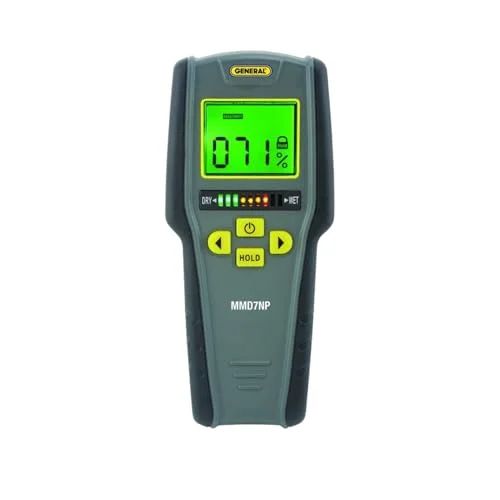 |
General Tools Pinless Digital Moisture Meter Reads relative moisture in a floor non-destructively, so you can confirm a suspect area before prying up any boards.
|
Mold is a fungus that needs three things to grow: moisture, warmth, and still air. The space under a hardwood floor can provide all three if there’s a hidden leak, chronic high humidity, or poor subfloor ventilation. Water gets in from a slow plumbing leak, a spill that soaked through seams in the flooring, or humidity that condenses against a cold subfloor, and once trapped there with no airflow, it creates exactly the environment mold needs. This isn’t just a cosmetic problem – unchecked mold degrades the wood structurally over time and can affect indoor air quality throughout the room above it.
Common Signs of Mold Under Hardwood Floors
Musty Odors That Won’t Go Away
A persistent damp, earthy smell – often compared to wet cardboard or gym socks – is one of the earliest and most reliable signs of hidden mold. Because mold under a floor is enclosed, the smell is often strongest low to the ground or in a specific corner rather than spread evenly through the room. A musty odor that returns after cleaning and airing out the room, especially one concentrated near a specific section of floor, is worth investigating further rather than masking with air freshener.
Discoloration or Staining
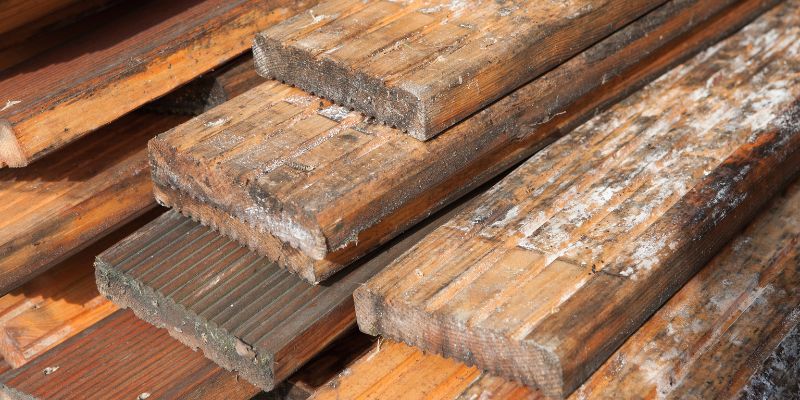
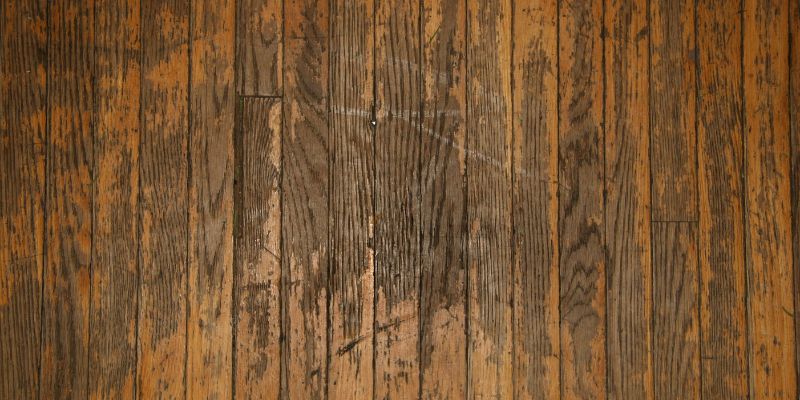
Dark spots, uneven staining, or patches that don’t follow the wood’s natural grain pattern can indicate mold growing on the underside of the boards or on the subfloor beneath. This shows up most often near known moisture sources – under a dishwasher, near a bathroom threshold, or along an exterior wall prone to condensation.
Warping or Buckling Floorboards
Wood swells when it absorbs moisture, and boards that are lifting, curving, or no longer sitting flush against their neighbors are a sign that moisture has been trapped underneath for some time – the same conditions mold needs to establish itself. Warping on its own doesn’t confirm mold, but it confirms the moisture problem that leads to mold, which makes it worth checking further.
Cupping or Crowning
Cupping is when a board’s edges curl upward relative to its center, creating a shallow U-shape; crowning is the opposite, with the center bulging higher than the edges. Both patterns point to uneven moisture absorption across the board’s thickness, usually from below, and both are common early indicators in the same areas where hidden mold eventually turns up.
Allergic or Respiratory Symptoms
Mold spores are a known respiratory irritant and allergen. Sneezing, a persistent stuffy or runny nose, itchy eyes, or a cough that flares specifically while spending time in one room (and eases elsewhere) can point to airborne mold exposure from below the floor, particularly in households with asthma or existing allergies.
Visible Mold Growth
By the time mold is visible – fuzzy patches in green, black, or white, usually found by lifting a loose board or moving furniture and a rug – the growth has typically already spread further than what’s immediately visible. Visible mold is the clearest possible confirmation, but it also means the problem is further along than if caught at the odor or discoloration stage.
Causes of Mold Under Hardwood Floors
Excess Moisture and Humidity
Indoor humidity consistently above roughly 60% creates conditions favorable to mold growth, especially in basements, bathrooms, and kitchens where humidity tends to run higher than the rest of the home. A dehumidifier helps manage the symptom, but the underlying cause – poor ventilation, a leak, or excess moisture load from the room’s use – needs to be addressed directly.
Leaks and Water Damage
A slow, unnoticed leak from a supply line, appliance connection, or roof does far more damage over months than a single obvious spill, because it goes unaddressed the entire time it’s happening. Check under sinks, behind and beneath appliances like dishwashers and washing machines, and around window and door thresholds periodically for early signs of a slow leak.
Poor Ventilation
Moisture that can’t evaporate and escape stays trapped against the subfloor. Basements and enclosed rooms with limited airflow are especially prone to this, and improving ventilation with fans, cracked windows, or a properly sized HVAC system reduces the standing moisture mold depends on.
Subfloor Issues
Plywood and concrete subfloors both hold moisture readily if they weren’t properly sealed or fitted with a vapor barrier during installation. A subfloor without adequate moisture protection is far more vulnerable to mold, even when the visible hardwood above shows no obvious signs of a problem yet.
How to Confirm Mold Under Your Floors
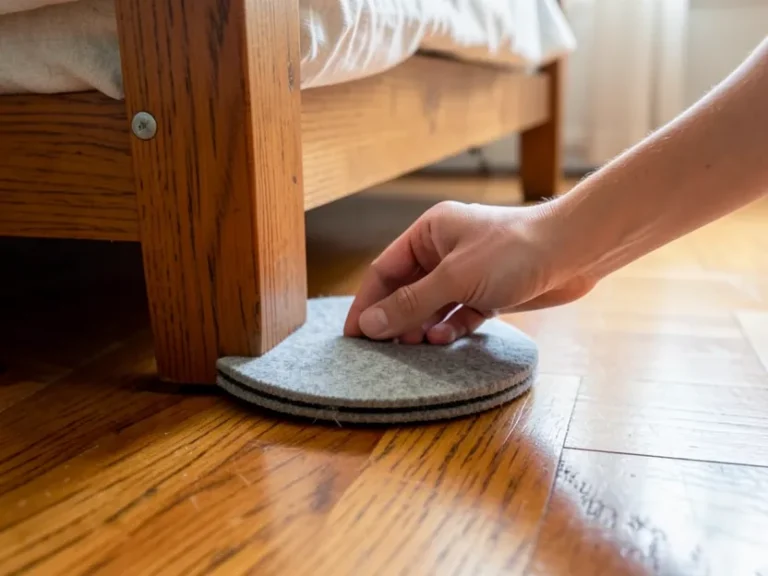
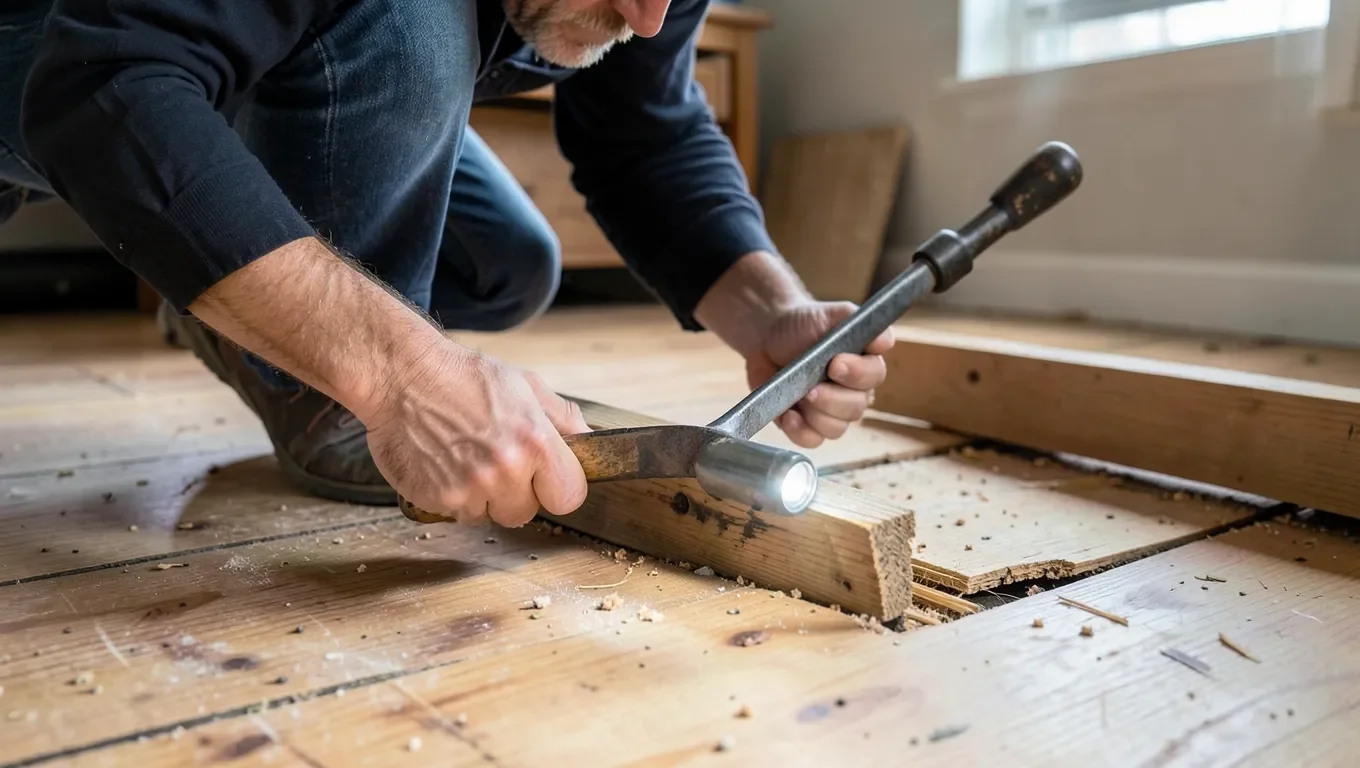
- Inspect visually. Move furniture, lift rugs, and check for discoloration or warping. If a board is already loose, gently pry it up with a flat bar and inspect the subfloor underneath with a flashlight.
- Use a moisture meter. A pinless moisture meter reads relative moisture content in the wood without damaging it. Readings consistently above roughly 15-20% indicate a moisture problem worth investigating further, even without visible mold yet.
- Consider a professional inspection. A mold or moisture inspector can use tools like infrared thermal cameras to spot hidden moisture patterns behind and under materials that a visual check or handheld meter alone would miss.
- Use a DIY mold test kit for a lab-confirmed answer on a suspicious area – swab or air-sample kits are inexpensive and typically return results within a week.
Health Risks of Mold Under Hardwood Floors
| Health Risk | Symptoms | Who’s Most at Risk? |
|---|---|---|
| Allergic Reactions | Sneezing, runny nose, itchy eyes | People with allergies or asthma |
| Respiratory Issues | Coughing, wheezing, shortness of breath | Children, elderly, or those with lung conditions |
| Skin Irritation | Rashes or redness | Anyone exposed to mold spores |
| Toxic Mold Exposure | Headaches, fatigue, neurological issues | Rare, but serious with certain molds like black mold |
How to Prevent Mold Under Hardwood Floors
Control Humidity Levels
Keep indoor humidity in the 30-50% range using a dehumidifier where needed, and check levels periodically with an inexpensive hygrometer rather than guessing.
Fix Leaks Immediately
Inspect pipes, appliance connections, and roof areas on a regular schedule rather than waiting for visible damage to prompt a check.
Improve Ventilation
Open windows when weather allows, run exhaust fans in bathrooms and kitchens, and consider improving whole-house ventilation in chronically damp areas like basements.
Seal the Subfloor
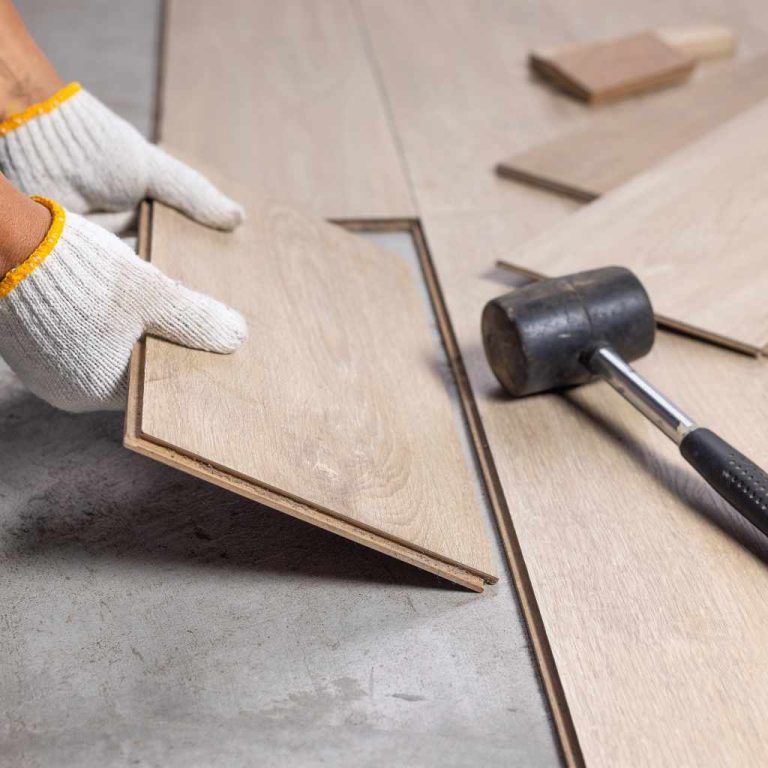
When installing new hardwood, make sure the subfloor has a proper vapor barrier – this single step prevents a large share of moisture-related subfloor problems down the line.
Clean Without Overwatering
Vacuum regularly and mop with a damp, not wet, mop, drying the floor immediately afterward rather than letting water sit and work its way into seams.
What to Do If You Find Mold
- Contain the area with plastic sheeting and tape to limit spores spreading to the rest of the home while you assess and work.
- Remove affected floorboards if the mold is limited to a small, well-defined area – a flat bar and careful prying can often lift damaged boards without disturbing surrounding ones.
- Clean with a mold-specific product (such as Concrobium or a similar EPA-registered mold cleaner), wearing gloves and a respirator mask, and make sure the area is fully dry afterward before replacing flooring.
- Call a remediation professional for larger infestations – spread beyond a small, contained area is a real reason to bring in a company equipped to handle it safely rather than risk spreading spores further.
- Replace damaged subfloor or hardwood sections as needed – wood that has structurally degraded from prolonged mold exposure needs replacing, not just cleaning.
Conclusion
Mold under hardwood floors is manageable when caught early – a persistent musty smell, warping boards, or unexplained allergy symptoms are all worth investigating rather than dismissing. Controlling humidity, fixing leaks promptly, and checking suspect areas with a moisture meter keeps most homes from ever reaching a full infestation. When in doubt, a professional inspection or remediation service is worth the cost against the alternative of letting hidden mold spread unchecked.
Frequently Asked Questions
Why does mold grow under hardwood floors?
Mold grows under hardwood floors because of moisture, warmth, and poor airflow. Leaks, high humidity, or spills can create the perfect environment for mold to thrive.
How can I tell if there’s mold under my floors without lifting them?
Look for signs like musty odors, warped or discolored boards, or unexplained allergies. A moisture meter or professional inspection can confirm it without removing boards.
Is mold under hardwood floors dangerous?
Yes, it can be. Mold can damage your floors and cause health issues like allergies or respiratory problems, especially for kids, the elderly, or people with asthma.
Can I clean mold under my floors myself?
For small areas, yes, with proper safety gear and mold-specific cleaners. But for large infestations, it’s safer to hire a professional to avoid spreading spores.
How can I prevent mold from coming back?
Control humidity with a dehumidifier, fix leaks quickly, improve ventilation, and seal your subfloor. Regular cleaning and inspections help too.
Sponsored / affiliate links. As an Amazon Associate I earn from qualifying purchases. I may earn additional commission from eligible campaigns.