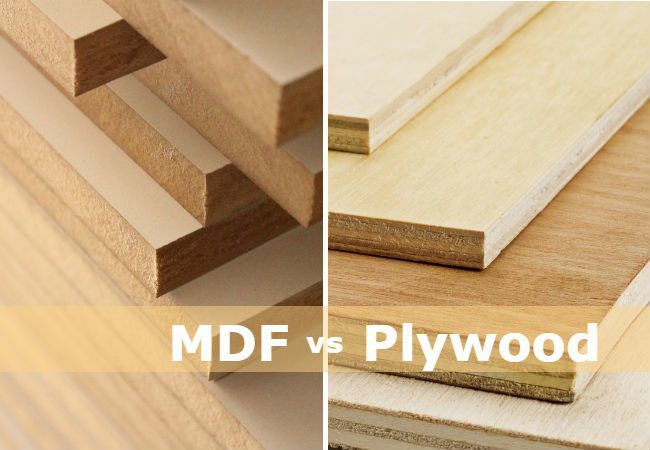
Can MDF Cause Allergies? Discover the Truth
Have you ever wondered why you suddenly start sneezing or feel a bit off after assembling that new piece of furniture? You might not realize it, but the culprit could be MDF, or Medium-Density Fiberboard.
This popular material is found in many homes, yet it might be more than just a sturdy base for your shelves. What if the very thing that’s supposed to organize your space is quietly stirring up allergies? Before you dismiss those sniffles as mere coincidence, let’s dig deeper into how MDF could be affecting your health.
Understanding its potential impact might just change how you furnish your home. Keep reading to uncover the surprising connection between MDF and allergies, and learn what you can do to protect yourself and your loved ones.
What Is MDF?
MDF stands for Medium-Density Fiberboard. It is made from wood fibers. These fibers are combined using wax and resin. The mixture is then pressed into flat panels. MDF is often smooth and dense. It can be cut and shaped easily. This makes it popular in many projects.
MDF is used in furniture. Tables, chairs, and shelves often use it. It is also found in cabinets. Many homes have MDF in their kitchens. Industries use it for door panels. It is also used in moldings and flooring. MDF is chosen for its versatility and cost-effectiveness.

Credit: www.reddit.com
Potential Allergens In Mdf
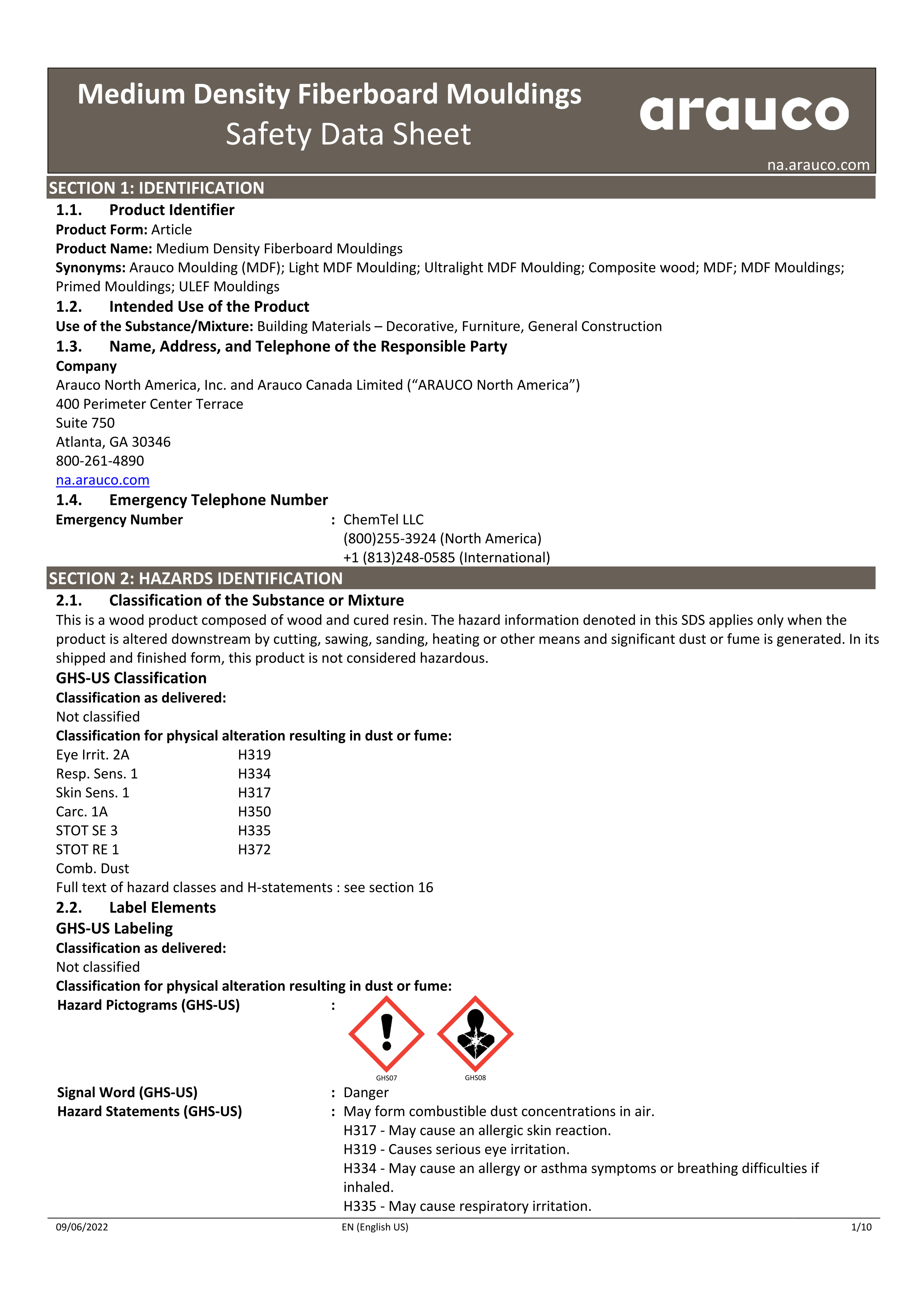
MDF, or Medium-Density Fiberboard, can sometimes trigger allergies due to the formaldehyde used in its production. Sensitive individuals may experience respiratory issues or skin irritation. Proper ventilation and handling can help reduce these risks.
Chemicals And Additives
MDF is made using strong chemicals. These chemicals might cause skin irritation. Some people may get allergic reactions. Formaldehyde is one common chemical. It is used in MDF glue. It can cause breathing problems. These problems are worse for sensitive people. Other chemicals in MDF might cause allergies. MDF can also have additives. These additives help with strength and appearance. They may cause allergic reactions in some people.
Dust And Particulate Matter
MDF creates a lot of dust. This dust can be harmful. It may cause sneezing or coughing. Breathing MDF dust can be difficult. Dust can get into eyes and nose. It may cause itchiness. Some people get red eyes. Sensitive skin can feel itchy. Protective gear helps avoid dust problems. Masks and goggles help a lot. Keep areas clean to reduce dust. Vacuuming often keeps dust away.
Symptoms Of MDF Allergies
Breathing problems may arise from MDF exposure. Dust from MDF can irritate the lungs. Shortness of breath is common. Coughing and wheezing might happen. Asthma symptoms can worsen. Sneezing is frequent. Some experience a runny nose. Airway inflammation is possible.
Contact with MDF may cause skin rashes. Redness is often seen. Itching can be severe. Skin might become dry. Peeling may occur. Blisters are rare but possible. Swelling might happen around affected areas. Scratching can worsen the condition.
MDF dust can irritate eyes. Redness and watering are common. Burning sensations might occur. Throat can feel scratchy. Dry throat is frequent. Voice may become hoarse. Some experience difficulty swallowing. Throat tightness is possible.
Credit: na.arauco.com
Who Is At Risk?
Workers in factories face risks from MDF dust. This dust can irritate the lungs. Carpenters and furniture makers are also at risk. They handle MDF regularly. Protective gear is important. Masks and gloves can help. They keep the dust away from skin and lungs. Proper ventilation is also key. It reduces dust in the air.
People who love DIY projects might use MDF. Cutting and sanding can release dust. This dust can cause sneezing and itching. Using safety gear is wise. Wearing masks protects the lungs. Gloves keep hands safe. Working in open spaces is best. It helps in keeping the air clean.
Preventive Measures
Ensuring good air flow can reduce allergy risks. Open windows to let fresh air in. Use fans to keep air moving. Air purifiers help clean the air. They catch dust and small particles. Keep them clean for best results.
Wear gloves to protect your skin. Use a mask to cover your nose and mouth. This stops dust from entering your lungs. Safety goggles keep eyes safe from tiny particles. Always check equipment before use.
Handle materials with care to avoid accidents. Clean work area often. Use tools correctly for safety. Store materials properly. Do not rush tasks. Take breaks to stay alert.
Alternatives To MDF
Solid wood is a good choice for furniture. It is natural and safe. No chemicals added. Bamboo is another option. It grows fast and is eco-friendly. Plywood is also safer. It uses fewer chemicals than MDF. Check labels for safety certifications.
Reclaimed wood is both green and stylish. It reuses old wood. No new trees cut. Cork is another green choice. It is soft and safe. Cork comes from tree bark. Trees stay alive. Cork is also sound-proof. Recycled metal is strong and durable. It is great for outdoor use.
Expert Opinions And Studies
Many experts have studied MDF or Medium-Density Fiberboard. It is a common material in furniture. Some research shows it can cause allergies. Dust from MDF can irritate the nose and throat. People may sneeze or cough. Allergic reactions can happen to some people. But not everyone feels the same.
Health experts suggest using masks when cutting MDF. This helps to avoid inhaling dust. Work in a well-ventilated area. Airflow reduces dust in the air. Cleaning often can help too. Keep surfaces dust-free. It’s important to watch for symptoms. Stop using MDF if allergies occur. Always follow expert advice for safety.
Credit: na.arauco.com
Myths And Misconceptions
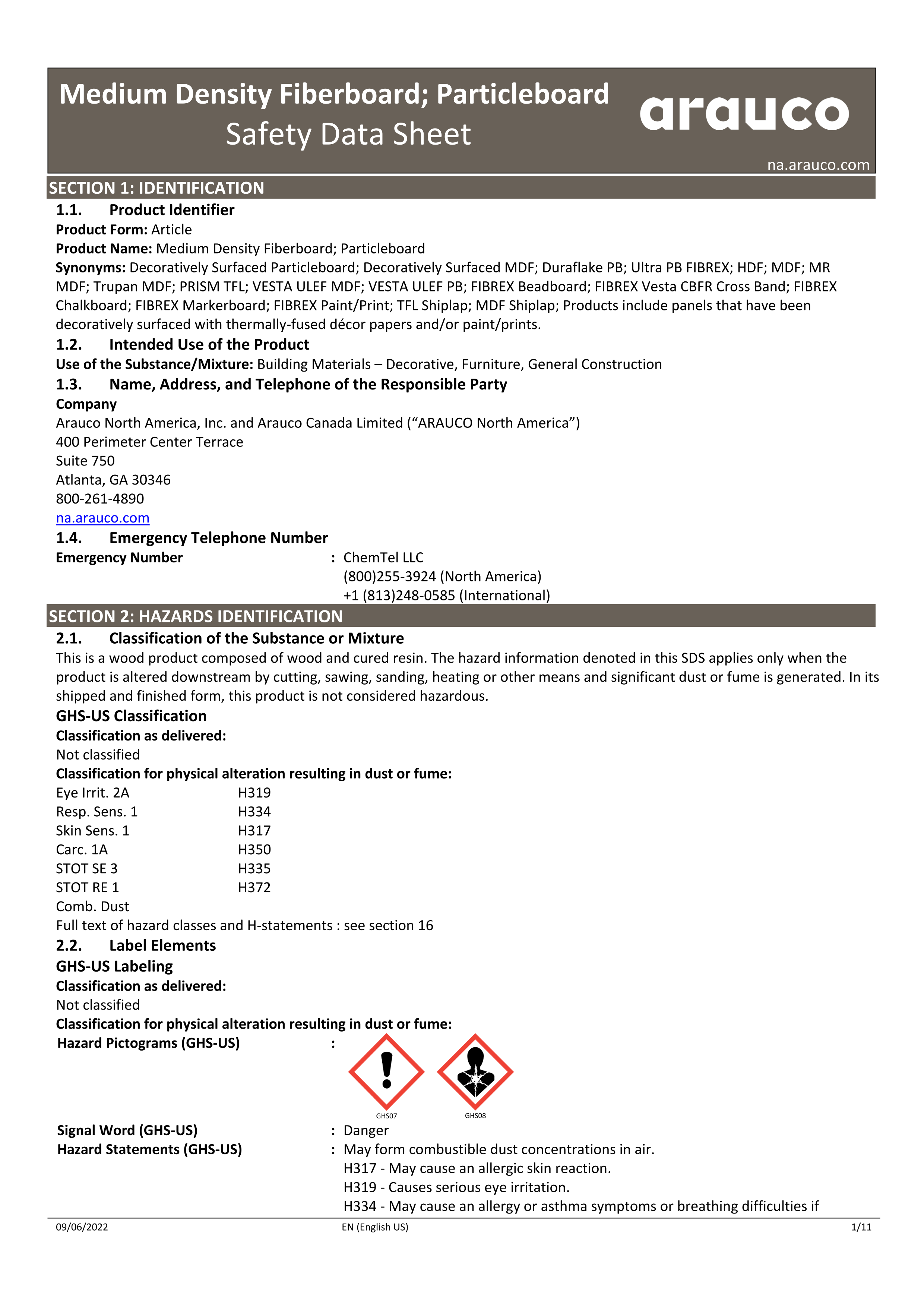
Many believe MDF causes allergies. People hear it’s dangerous. MDF is often misunderstood. It contains formaldehyde. Formaldehyde can irritate. But not everyone gets allergies. Most people are fine with MDF. Proper sealing reduces risks. Sealed MDF is safer. Not all MDF has high formaldehyde. Low-emission MDF is available. People often confuse MDF with other materials. Wood dust is a common allergen. Dust from cutting MDF can be harmful. Wearing masks helps reduce exposure. Safety measures are important. Many myths make MDF seem worse. Knowing the facts is crucial. Public perception differs from reality. Understanding MDF helps make safe choices.
Frequently Asked Questions
Can I Be Allergic To Mdf?
Yes, you can be allergic to MDF. MDF dust may irritate eyes, skin, and respiratory system. Symptoms include rash, coughing, and sneezing. Using protective gear when handling MDF can reduce exposure and prevent allergic reactions. Consult a healthcare professional if symptoms persist or worsen.
Is It Bad To Breathe In MDF Dust?
Breathing in MDF dust can be harmful. It contains formaldehyde and wood particles, which may cause respiratory issues. Use protective gear and ensure proper ventilation while working with MDF to minimize exposure.
Is MDF Harmful To Health?
MDF can release formaldehyde, a potential irritant. Proper ventilation minimizes risk. Use masks when cutting or sanding MDF. Choose low-emission MDF for safer indoor use.
Does MDF Off Gas?
Yes, MDF can off-gas formaldehyde. This occurs due to the adhesives used in its production. Opt for low-emission MDF products to minimize exposure. Proper ventilation can help reduce any potential risks associated with off-gassing. Always check for certifications like CARB compliance for safer options.
Conclusion
MDF can sometimes cause allergies. Sensitive individuals should be cautious. Symptoms might include sneezing or skin irritation. Proper ventilation helps reduce risks. Consider using protective gear when working with MDF. Choosing low-emission MDF could minimize exposure. Always check for symptoms after exposure.
Consult a doctor if symptoms appear. MDF is useful but requires safety measures. Awareness is key for safe usage. Prioritize health and safety always.