Can MDF Be Used for Shelves? Yes, If You Support the Span
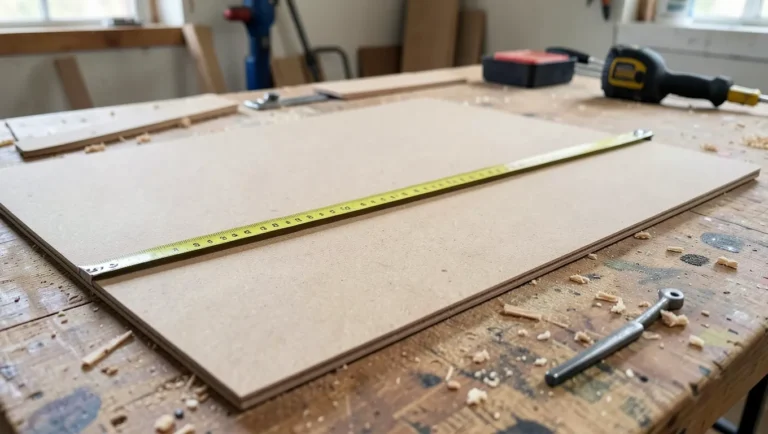
Yes, MDF works for shelves, but span matters: unsupported 3/4-inch MDF starts to visibly sag under normal book or decor weight past roughly 24” between supports. Add an edge strip, a steel L-bracket underneath, or keep spans short, and MDF holds up as well as plywood for most household shelving.
This versatile and cost-effective material is often seen as a practical choice, but does it really meet your needs? Before you make any decisions, it’s crucial to understand the advantages and limitations of using MDF for shelving. Dive into this article to uncover the secrets of MDF and learn if it’s the perfect fit for your next project.
What MDF Actually Is
Best Sealer for Raw MDF Edges
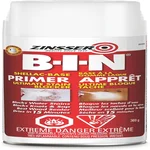 |
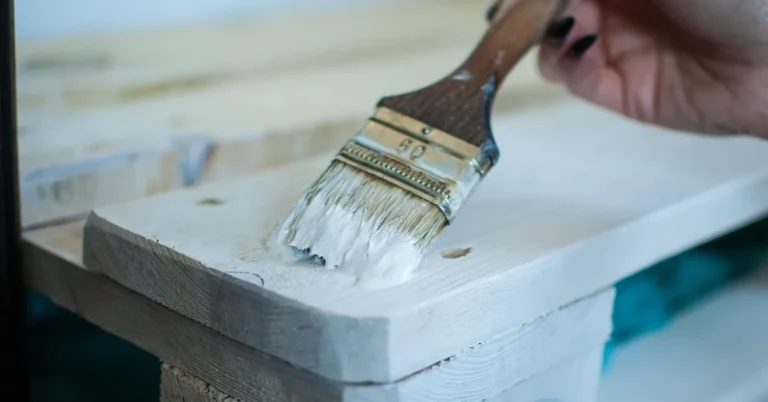
Zinsser B-I-N Shellac-Base Primer-Sealer Spray, 13 oz – $14.03 Sealing the exposed MDF edges and screw points with this shellac primer before painting stops the fuzzy edge-swelling that ruins most DIY MDF shelves.
|
MDF (medium-density fiberboard) is made by breaking wood down into fine fibers — not chips or veneer, but a wood-pulp-like fiber similar to what goes into paper — then binding those fibers with a urea-formaldehyde resin and pressing the mat under heat and high pressure into a dense, uniform panel. That process is exactly why MDF has no visible grain: there’s no wood structure left to show, just a compressed fiber-and-resin composite that’s remarkably flat, smooth, and consistent from sheet to sheet. It also runs noticeably denser than solid wood or plywood, typically 45–50 lb per cubic foot, which is why a 3/4-inch MDF shelf feels heavier in hand than the same-size piece of pine or birch plywood.
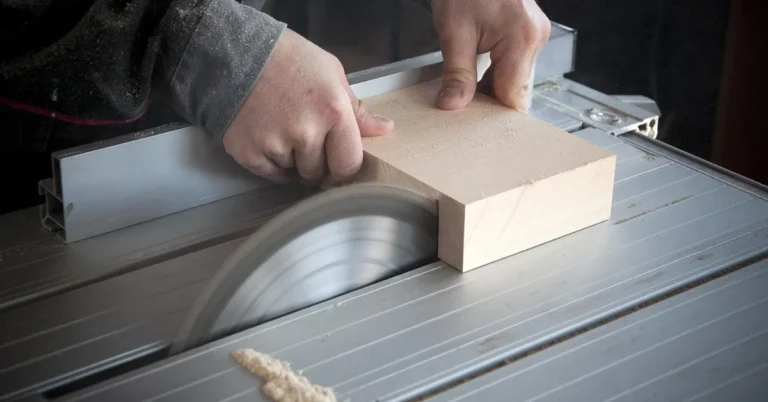
That density cuts both ways for shelving. On the plus side, MDF machines beautifully — a router bit or table saw blade glides through it without the tear-out or splintering solid wood can throw, and its smooth, grain-free face is close to the ideal substrate for paint, since there’s no grain telegraphing through the finish the way it can on oak or ash. On the downside, the same fine, loosely-bound fiber structure that machines so cleanly is also what makes MDF vulnerable at cut edges: exposed fiber wicks water fast, and unlike solid wood, it doesn’t just swell and shrink back — it mushrooms and stays swollen, which is the single most common way a homemade MDF shelf fails. Sealing every cut edge before finishing, as covered above, is the fix. If you’re building shelves from scratch rather than repurposing an existing unit, our step-by-step guide to building MDF shelves walks through the cutting and edge-sealing sequence in order.
MDF vs. Plywood vs. Solid Wood for Shelving
Plywood gets its strength from cross-grain construction — alternating layers of veneer glued with their grain running perpendicular to each other — which is what lets a 3/4-inch plywood shelf span roughly 25–35% farther than the same-thickness MDF before sagging under an identical load. Plywood also holds a screw far better at a cut edge than MDF does, because real wood fiber grips a threaded screw shank; MDF’s loose fiber structure can crumble or strip out under repeated screw-and-unscrew cycles, especially near an edge, which is why cabinet hardware and shelf-pin holes in MDF often need a screw insert or at minimum a pilot hole sized close to the screw’s root diameter. Where MDF wins is cost and finish quality: a sheet of paint-grade MDF typically runs cheaper than cabinet-grade plywood, and it needs no edge-grain filling or veneer-patching to get a flawless painted look.
Solid wood sits at the other end of the tradeoff. A hardwood shelf in oak, maple, or ash will out-span and out-last both engineered options and can be sanded, stained, or refinished repeatedly over decades, but it also moves with humidity — expanding and contracting across the grain seasonally — in a way that neither MDF nor plywood does nearly as much, and solid lumber costs several times more per board foot than either engineered option. See our full breakdown of how MDF stacks up against solid wood species for shelving if you’re weighing species options rather than just MDF vs. plywood. For a painted bookshelf or closet shelf where the goal is a clean, budget-friendly finish and the load is books or folded linens rather than a home gym’s worth of weight plates, MDF is a legitimate, practical choice; for a shelf that needs to survive years of heavy daily use or show off real wood grain, plywood or solid wood earns its higher price.
Finishing and Installing MDF Shelves the Right Way
MDF takes paint, laminate, and veneer well because of that same grain-free, ultra-smooth surface — a coat of primer followed by two coats of a quality latex or oil enamel gives a furniture-grade finish that would take considerably more sanding and grain-filling to achieve on real wood. A thin real-wood or PVC edge-banding strip along the visible front edge does double duty: it hides the compressed fiber edge (which otherwise reads as an obvious tell that the shelf isn’t solid wood) and adds real stiffness along that edge like a beam flange, which is part of why edge-banded MDF shelves resist sag noticeably better than raw-edge ones of the same span.
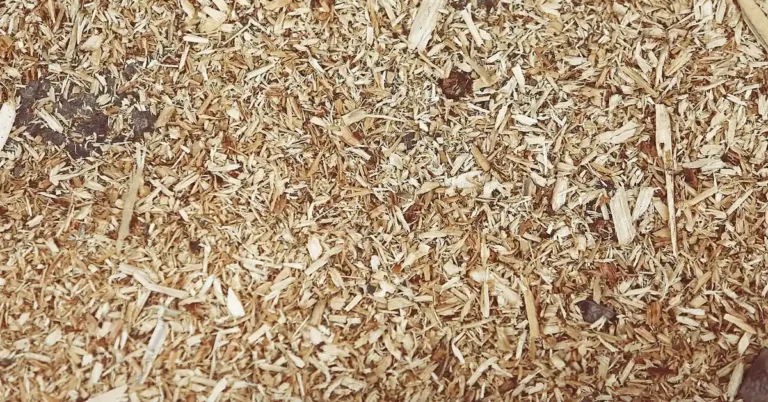
For cutting, a sharp carbide-tipped blade with a higher tooth count (60-plus teeth on a table saw, or a fine-tooth blade on a track saw) keeps the cut edge from fuzzing, and a dust mask is worth wearing since MDF dust is extremely fine and can carry trace formaldehyde from the resin. When mounting, use shelf-pin holes or brackets rather than relying on a single screw driven straight into an MDF edge — that’s the weakest connection point on the whole panel, as noted above — and for anything heavier than paperback books or light decor, a French cleat or a bracket under the shelf every 16–24 inches keeps the span short enough that sag never becomes visible.
Living With MDF: Cleaning, Moisture, and Disposal
Day-to-day care for a painted or laminated MDF shelf is simple: a dry or barely-damp microfiber cloth for dusting, and a well-wrung cloth with mild soap for the occasional stain, dried immediately afterward. The one habit worth building is keeping standing water and wet items off any exposed or unsealed MDF surface — a sweating glass or a leaking planter left on an MDF shelf for even a day can leave a soft, swollen spot that paint alone won’t fully hide once it dries, because the damage happens inside the fiber structure, not just on the surface.
On the environmental side, MDF is typically made from recycled sawmill byproducts — sawdust and wood chips that would otherwise be waste — bound with a urea-formaldehyde resin, and most MDF sold today in the US is manufactured to meet CARB Phase 2 or TSCA Title VI formaldehyde-emission limits, which cut off-gassing substantially compared to older-generation panels. Where MDF struggles environmentally is at end of life: the resin content means it can’t go through standard wood recycling, and burning it releases formaldehyde and other combustion byproducts, so scrap MDF should go to a municipal waste facility or a specialty wood-waste recycler rather than a burn pile or a home fireplace.
How Much Span Before MDF Actually Sags
The specific number most MDF-shelving articles leave out: 3/4-inch MDF holds a light load (books, decor) fine up to about 24 inches of unsupported span before sag becomes visible over months of steady weight. Push past 30–36 inches unsupported and even a moderate load will bow the shelf noticeably within a year. Plywood of the same thickness tolerates roughly 25–35% more span before the same sag shows up, because its cross-grain layers resist bending better than MDF’s uniform fiber structure. The fix isn’t switching materials — it’s adding a hardwood edge strip along the front (which stiffens the whole board like a beam flange) or a middle support bracket on longer runs.
Frequently Asked Questions
How Thick Should MDF Be For Shelves?
3/4-inch (18mm) MDF is the standard choice for load-bearing shelves, holding books and decor across spans up to about 24 inches without visible sag. For lighter-duty shelves like cabinet interiors, 1/2-inch (12mm) is usually enough, and either thickness benefits from a support bracket on longer runs.
Is MDF Or Plywood Better For Shelves?
Plywood spans roughly 25–35% farther than MDF before sagging and holds screws better at a cut edge, making it the stronger structural choice. MDF wins on cost and paint-finish quality, so it’s the better pick for lighter-duty, painted shelving on a budget.
When Should You Not Use MDF?
Skip MDF in bathrooms, kitchens near a sink, or anywhere outdoors, since exposed or unsealed fiber swells and mushrooms permanently when it stays wet. It’s also a poor choice for heavy load-bearing spans or joints that rely on screw-holding strength at a cut edge.
What Is The Biggest Drawback Of Using MDF?
Moisture sensitivity at exposed edges is MDF’s biggest practical drawback — once raw fiber swells from water contact, it doesn’t shrink back the way solid wood does. Weaker edge screw-holding and the resin’s formaldehyde content (mitigated by CARB2/TSCA-compliant panels) are the other two tradeoffs worth knowing before choosing it.
Conclusion
MDF makes a genuinely solid shelving material as long as you respect its two real limits: keep unsupported spans under roughly 24 inches for 3/4-inch stock, and seal every cut edge before the shelf ever sees paint or moisture. Do both, and a painted MDF shelf holds books and decor as reliably as plywood at a lower cost and a noticeably smoother finish — it’s only once you push past those limits, with a longer span or a damp room, that MDF starts to show its weak points.
Sponsored / affiliate links. As an Amazon Associate I earn from qualifying purchases. I may earn additional commission from eligible campaigns.