Can You Spray Paint Metal? Yes — Skip Primer on These 6 Metals
Spray paint bonds to any clean, sanded metal — but only nonferrous metals like aluminum, brass, copper, tin, bronze, and pewter can skip primer entirely. Steel, iron, and galvanized surfaces still need a rust-inhibiting primer, or the paint will peel or bubble within months. This guide covers which metals need primer, how many coats hold up outdoors, and the exact dry times between coats.
Do You Need Primer to Spray Paint Metal?
Best All-Surface Metal Paint Pick
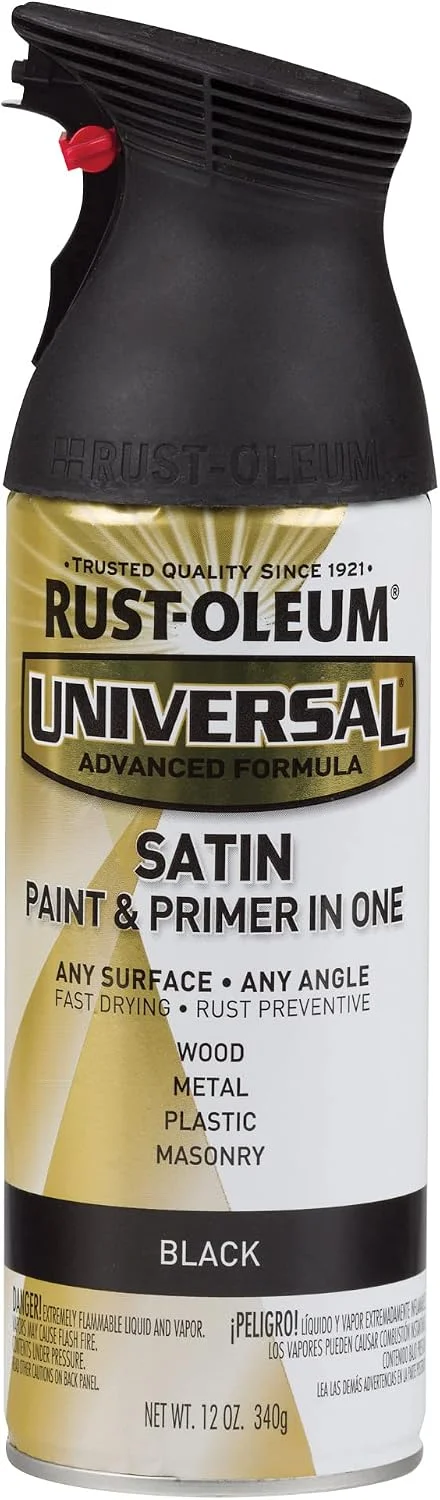 |
Rust-Oleum Universal All Surface Spray Paint, Satin Black – $7.29 This is a paint-and-primer-in-one formula, which fits directly into this guide’s primer-skipping rule for nonferrous or already-primed metal — and it still adds a rust-inhibiting topcoat once you’ve separately primed bare steel or iron.
|
Nonferrous metal is any metal that doesn’t contain iron — aluminum, brass, copper, tin, bronze, and pewter are the common examples around the house. These metals don’t rust the way steel does, so a light sanding to dull the shine is often enough prep before spray paint goes straight on. Steel, cast iron, and galvanized steel are the metals that still need a dedicated rust-inhibiting primer first, or the finish will fail early.
📊 Most metal spray-paint jobs hold up with 2-3 light coats; high-traffic pieces like railings and chairs need up to 5 thinner coats for real abrasion resistance. — Source: Bob Vila, 2026
How to Prep Metal for Spray Paint
Skipping prep is the single biggest reason spray paint fails on metal — it peels, chips, or lets rust resurface underneath (see our guide on how to remove paint from metal without scratching it if you’re starting from a bad prior coat). The steps below apply whether you’re working on a steel patio chair, an aluminum mailbox, or a rusty iron railing.
Clean and Degrease the Surface
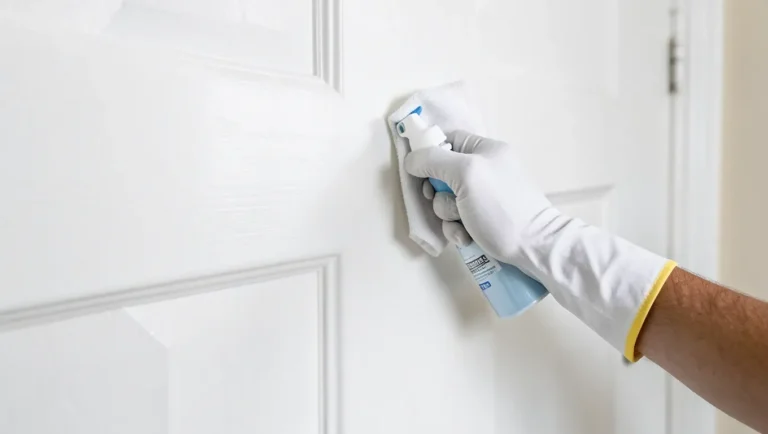
Wipe the entire surface with a degreaser or isopropyl alcohol to remove oils, wax, and fingerprints — paint won’t bond to a greasy layer no matter how good the primer is. Rinse off any soap residue, then dry the piece completely; trapped moisture under the paint is a direct path to rust.
Sand Bare Metal or Remove Rust
New or smooth metal only needs a light scuff with 180-220 grit sandpaper to give primer something to grip. If there’s rust or peeling paint, sand it down to bare metal with 80-120 grit first, then finish with 180-220 grit and wipe away dust with a tack cloth alternative — any rust left under the new coat will spread back through it.
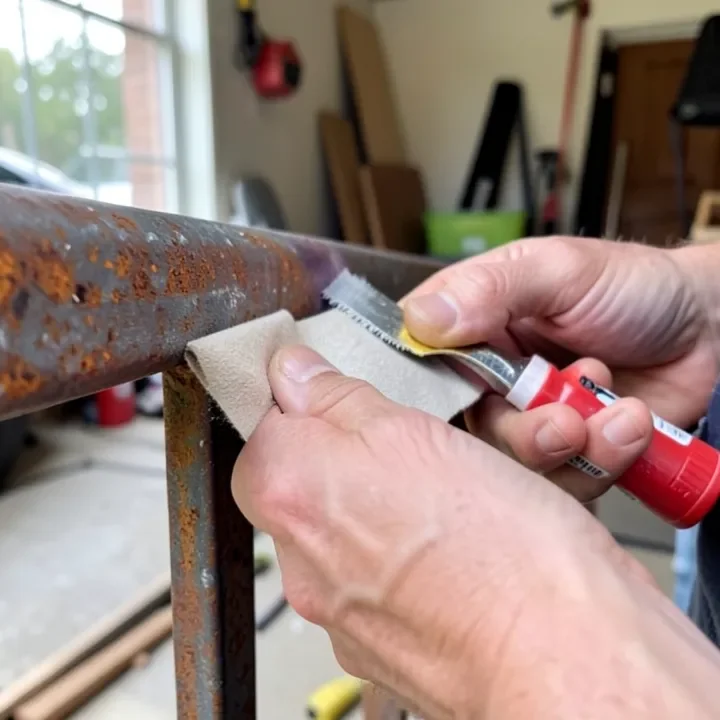
Prime Ferrous Metal (Steel, Iron, Galvanized)
For bare steel or iron, use a rust-inhibiting primer in thin, even coats held 8-12 inches from the surface. Galvanized metal needs a bonding or etching primer instead, since standard primer struggles to grip the zinc coating — the same logic applies to exterior metal doors, which see the same zinc-coating problem. Let primer dry 15-30 minutes before adding paint.
How to Spray Paint Metal Step by Step
Once the surface is clean, sanded, and primed where it needs to be, the paint itself goes on in thin, overlapping passes rather than one heavy coat.
Apply the First Coat
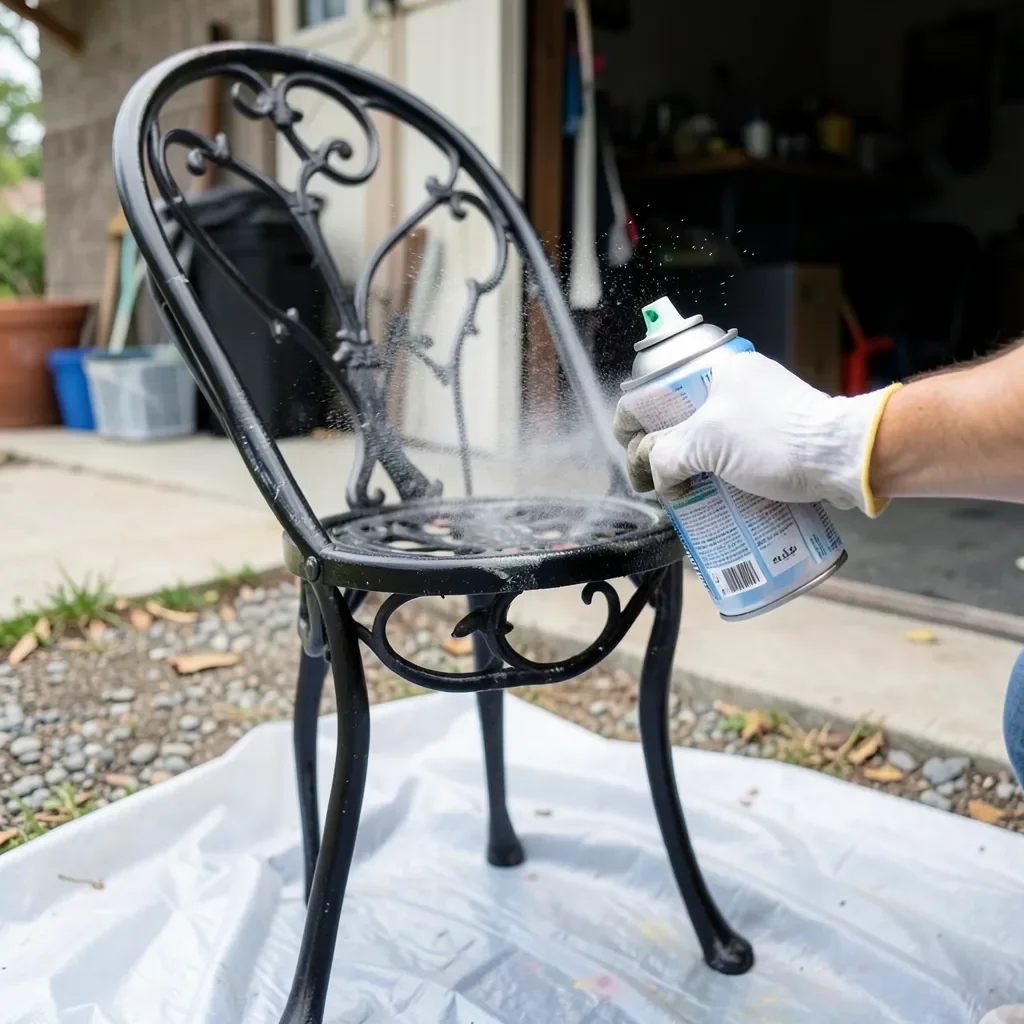
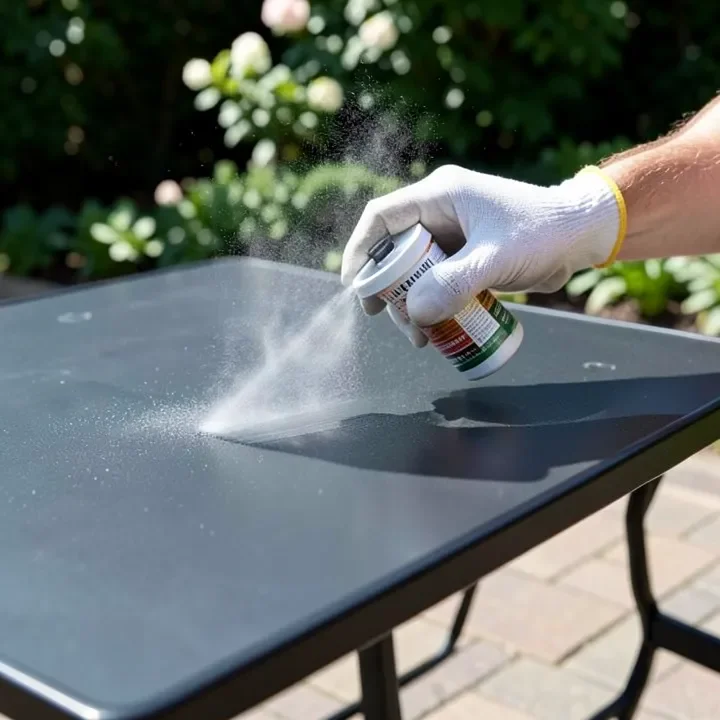
Shake the can for a full minute after the mixing ball starts rattling, then spray from 8-12 inches away using steady, sweeping strokes. Start and stop each pass just past the edge of the piece — called off-edge spraying — to avoid the drips that happen when you stop mid-surface.
Build Up Coats
Wait until each coat is dry to the touch, usually 15-30 minutes, before adding the next. Most projects need 2-3 coats for full coverage; darker colors typically need fewer coats than light colors going over a dark surface. More than 4-5 coats can actually hurt flexibility and adhesion.
 ” loading=”lazy”/>
Seal with a Clear Coat
A clear coat isn’t required, but it adds scratch resistance and a uniform sheen on pieces that get handled often or sit outside. Let the color coat cure for at least a few hours — 24 hours for maximum durability — then apply 1-2 light clear coats. More than that can yellow over time or build up a plastic-looking layer.
According to Krylon’s own application guide, only bare nonferrous metals — aluminum, brass, copper, tin, bronze, and pewter — can skip primer after sanding; every other metal still needs it for lasting adhesion.
Safety Precautions for Spray Painting Metal
Spray paint outdoors or in a garage with the door fully open — good ventilation clears the solvent fumes and helps the paint dry faster. A respirator mask, safety glasses, and gloves are worth wearing any time you’re spraying for more than a few minutes.
The propellant in spray cans is flammable, so keep cans away from open flames, sparks, and heat, and never puncture or burn an empty can. After finishing, turn the can upside down and spray until only clear propellant comes out — this clears the nozzle so it won’t clog before your next project.
Frequently Asked Questions
How long does spray painted metal last?
Properly prepped metal with primer and a clear coat can last several years outdoors and over a decade indoors. UV exposure, moisture, and physical wear are what shorten that lifespan the fastest.
Can you spray paint rusty metal?
Yes, but only after sanding away loose rust and switching to a rust-converting or rust-inhibiting primer. Painting directly over untreated rust lets it keep spreading underneath the new finish — our guide to painting over rust with Rust-Oleum covers this in more depth.
Do you need primer to spray paint metal?
Only for ferrous metals like steel, cast iron, and galvanized steel. Bare nonferrous metals — aluminum, brass, copper, tin, bronze, and pewter — can skip primer once they’re sanded and degreased.
Can you spray paint galvanized metal?
Yes, but the zinc coating resists standard primer. Use a bonding or etching primer made for slick surfaces, and let new galvanized metal weather outdoors for a few months first if possible.
How many coats of spray paint does metal need?
Most projects need 2 to 3 light coats for full color and rust protection. High-traffic pieces like railings, chairs, or tool cabinets hold up better with 4 to 5 thinner coats instead of fewer heavy ones.
Wrap Up
Spray paint works on metal as long as the surface matches the prep it needs: bare nonferrous metal can skip straight to paint after sanding, while steel, iron, and galvanized surfaces need a rust-inhibiting or bonding primer first. Thin, overlapping coats — 2-3 for most projects, up to 5 for high-traffic pieces — and a clear coat where it counts will get you a finish that holds up for years.
Sponsored / affiliate links. As an Amazon Associate I earn from qualifying purchases. I may earn additional commission from eligible campaigns.