Can You Use a Swiffer on Hardwood Floors? Yes, Dry Mode Is Safest
Yes — but which Swiffer you mean actually changes the answer. The dry Swiffer Sweeper, the one that uses electrostatic cloths to grab dust, hair, and grit, is safe on almost any sealed hardwood floor with no real controversy attached. The Swiffer WetJet, which sprays a liquid cleaning solution onto the floor before the pad wipes it up, is the one that deserves a more careful answer. Swiffer’s own marketing calls its solution hardwood-safe, but a number of flooring manufacturers and hardwood-care professionals actually recommend against wet-mopping systems like the WetJet on hardwood specifically, because standing liquid — even a “wood-safe” one — can work into seams and a worn finish over time. Here’s the real breakdown, not just a blanket yes.
Swiffer Sweeper (Dry) vs. WetJet (Wet): The Real Safety Difference
Best Hardwood-Specific Alternative to a Generic Wet Mop
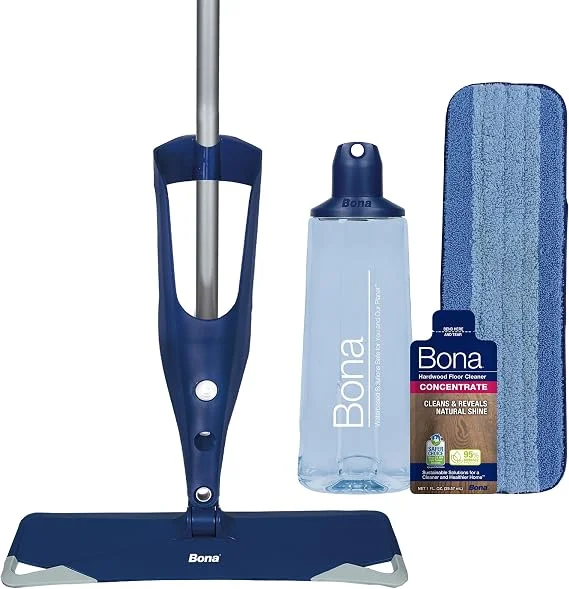 |
Bona Premium Hardwood Floor Spray Mop – $41.97 Built specifically for sealed hardwood, not adapted from a multi-surface formula the way the WetJet’s solution is — it mists a metered, controlled amount of pH-neutral cleaner instead of the heavier soak a WetJet pad delivers.
|
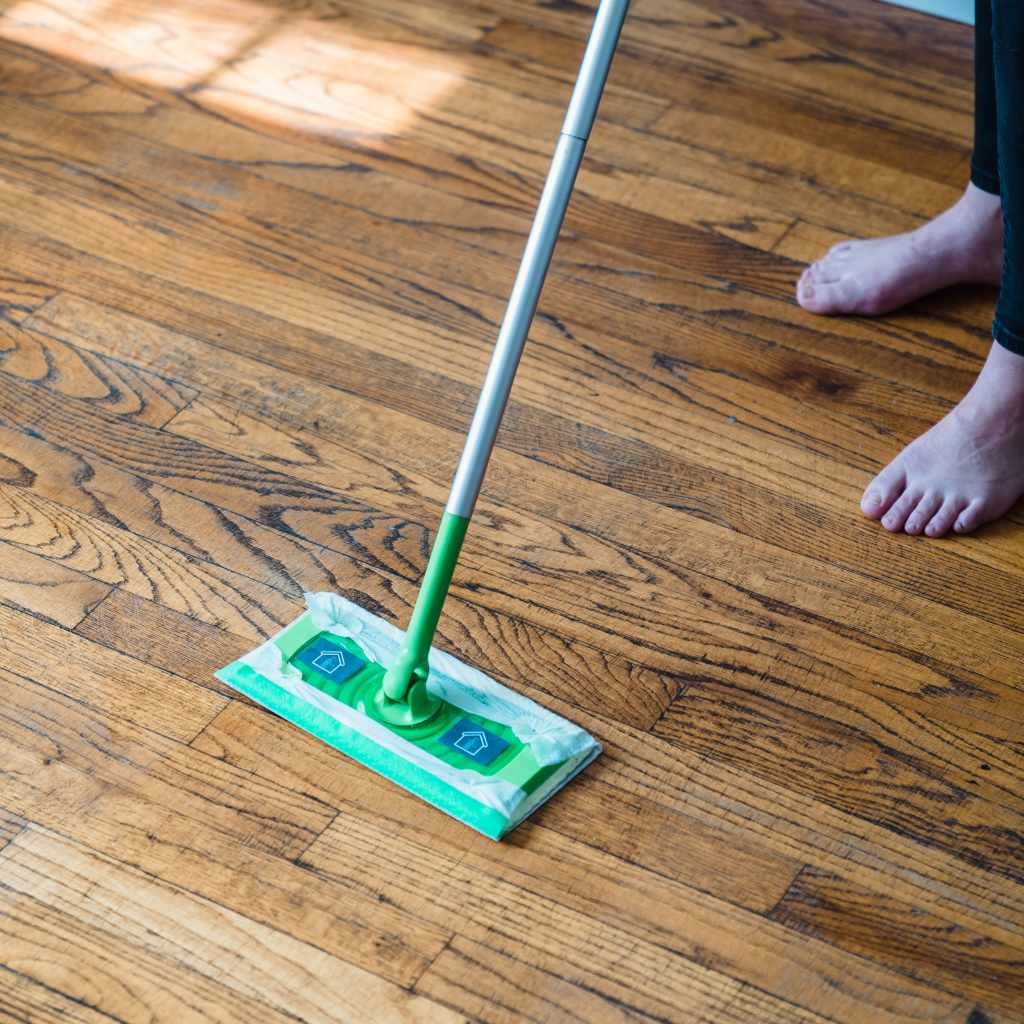
The dry Sweeper never puts liquid on the floor at all — the cloths use an electrostatic charge to grab dust, pet hair, and grit, so using it is functionally the same as dry-dusting. There’s no finish, no seam, and no wood species that reacts badly to that. If you’re only using the dry cloths, you can stop worrying and sweep away.
The WetJet is different because it’s a spray-and-wipe system: a trigger on the handle dispenses a metered shot of liquid cleaning solution directly onto the floor, and the pad wipes it up a few seconds later. Swiffer states its Wood floor solution is safe for finished, sealed hardwood, and for a floor in good condition, used occasionally, that’s generally true. The disagreement comes from flooring manufacturers’ own care guides. Several — including warranty language from major hardwood brands — specifically restrict approved cleaning to “damp, not wet” methods and name their own approved cleaners, which excludes spray-mop systems like the WetJet by name in some cases. Three concrete reasons show up again and again in that guidance:
- Alkalinity and repeated exposure. WetJet solution is water-based and mildly alkaline. On an oil or wax finish especially, repeated exposure over months can dull or cloud the surface even when no single mopping looks like it did any harm.
- Moisture at seams. Hardwood boards aren’t a single sealed sheet — they’re individual planks with seams between them. Liquid that sits for even a short time can wick into those seams, especially near doorways, sinks, or high-traffic lanes where the finish is thinner from foot traffic. Once moisture is under the finish, it doesn’t fully evaporate the way surface water does, and that’s what causes the subtle cupping or graying that shows up months later, not right after mopping.
- Warranty language. Most hardwood flooring warranties explicitly restrict cleaning methods, and using a wet-mopping system outside those terms — regardless of what the mop’s own bottle claims — can technically void the finish warranty. Check your specific flooring manufacturer’s care page before making the WetJet part of your regular routine.
So the honest answer isn’t a flat yes or no. The dry Sweeper is basically always fine. The WetJet is fine on a floor with an intact, recently-refinished factory finish, used sparingly and wiped dry right after — but if your floor’s finish is older, worn in high-traffic spots, or you don’t actually know its condition, treat the WetJet as a “probably not, use a hardwood-specific system instead” rather than a yes.
Two related questions come up often enough that we’ve covered them separately. If you use the wet cloth refills on a Sweeper rather than the WetJet’s spray reservoir, the exposure is lighter but not zero — see Are Swiffer Wet Pads Safe for Hardwood Floors? for how that specific product compares. And if you want the actual ingredient-level breakdown of the WetJet’s wood-formula solution against its regular multi-surface solution, that’s covered in Swiffer WetJet: Wood vs. Regular Solution.
How to Tell If Your Floor’s Finish Can Actually Handle It
Before you decide whether the WetJet or any wet-mopping system is safe for your specific floor, you need to know two things: what kind of finish you have, and how worn it currently is. A film-forming finish like polyurethane creates a protective layer on top of the wood, so it tolerates brief moisture contact much better than a penetrating oil or wax finish, where the floor itself is more directly exposed. If you’re not sure which you have, run a simple test: place a few drops of water on an inconspicuous spot and wait ten minutes. If the water beads up, you likely have a polyurethane or similar film finish. If it soaks in and darkens the wood, you have an oil or wax finish and should be far more cautious with any wet-mopping method, WetJet included.
Wear matters as much as finish type. A floor refinished within the last year or two has a fuller, more intact protective layer than one that’s five-plus years past its last refinish, even if both started with the same polyurethane coat. High-traffic lanes, areas in front of sinks, and spots near exterior doors wear down first and are exactly where seam moisture does the most damage. If your floor is older or you can see dulling in traffic patterns already, that’s the floor where a WetJet-style system is the wrong tool — not because the solution itself is dangerous, but because the finish protecting the wood underneath it is already compromised.
Best Practices If You Use a Wet-Mopping System on Hardwood
- Dry-sweep or vacuum first. Grit under a wet pad acts like sandpaper. Clear loose debris before any liquid touches the floor.
- Spot-test in a closet or under furniture. Apply the solution, wait a few minutes, and check for discoloration or dulling before treating the whole room.
- Use less solution than you think you need. A light mist that flashes dry in under a minute is the goal — not a visibly wet floor.
- Work in small sections and dry as you go. Don’t let liquid sit on the floor while you mop the rest of the room; follow the wet pad with a dry microfiber cloth a few seconds behind it.
- Never let liquid pool at seams, baseboards, or doorway transitions. These are the spots most likely to absorb moisture into the subfloor side of the boards.
- Limit frequency. Reserve wet-mopping for every couple of weeks and rely on dry sweeping or a microfiber dust mop for everyday maintenance.
Alternatives If You’d Rather Skip the Wet-Mop Question Entirely
If the moisture debate above makes you want to sidestep it altogether, there are three solid options that don’t carry the same seam-moisture risk as a spray-and-wipe system.
Reusable Microfiber Mops
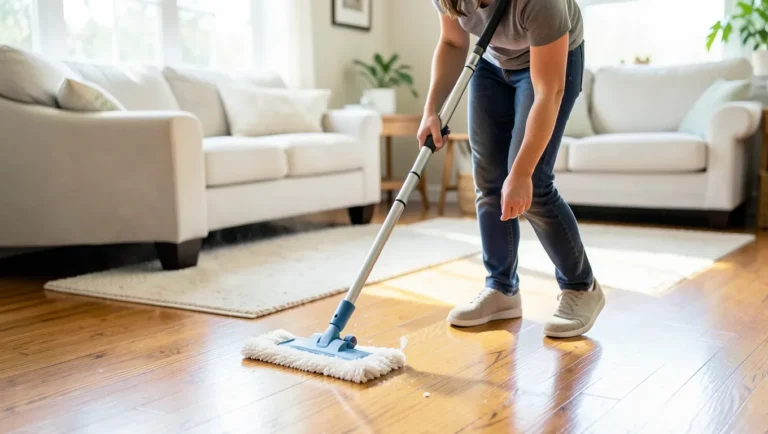
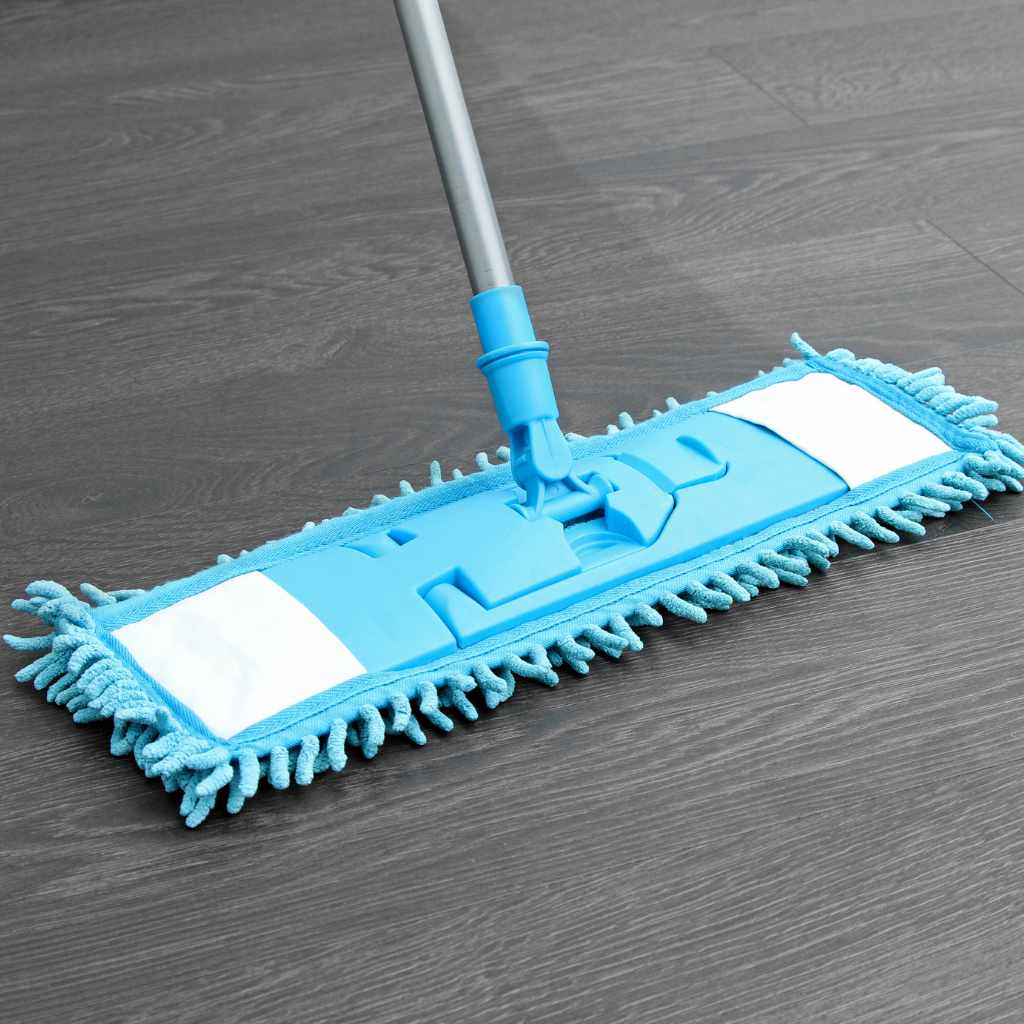
A flat microfiber mop with a washable pad handles both dry dusting and light damp cleaning without the ongoing cost of disposable refills. Wrung out well — damp, not dripping — a microfiber pad picks up dust and light grime while leaving far less residual moisture on the floor than a WetJet pass, and the pads are machine-washable, so there’s no recurring cost the way there is with Swiffer cloths or WetJet solution cartridges.
Vacuums with a Hard-Floor Setting
A vacuum with a dedicated hard-floor or bare-floor attachment — soft brush roll or brush-off entirely, no beater bar — removes grit and pet hair without scratching the finish, and it’s the fastest way to handle the daily debris that would otherwise get dragged around under a wet pad. This is purely a dry-cleaning method, so it carries zero moisture risk, and it’s the step you should do before any wet-mopping regardless of which system you use.
Steam Mops (With Real Caveats)
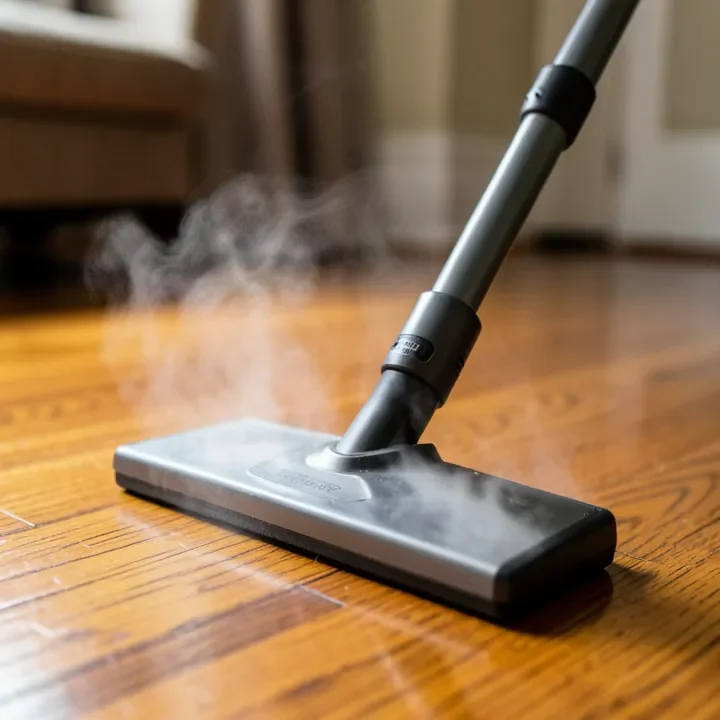
Steam mops use heated water vapor rather than liquid solution, which sounds gentler, but the moisture concern doesn’t go away — it changes shape. Steam can force moisture into seams faster than a room-temperature solution because heat opens the wood grain slightly, and most hardwood flooring manufacturers explicitly advise against steam mops for exactly that reason. If you already own a steam mop, check your specific flooring manufacturer’s care guidance before using it on hardwood at all; for most solid or engineered hardwood, it’s a bigger risk than the WetJet debate above, not a safer alternative to it.
Robot Vacuum-Mop Combos
If you’d rather automate the whole pass instead of choosing a manual tool, a robot vacuum-mop combo carries the same moisture logic as the WetJet debate above, just handled by the robot’s own hardware instead of your hand on a trigger. Our automatic wood floor cleaner guide covers what to check – a metered water pump and automatic mop-lift on carpet – so the robot doesn’t leave hardwood any wetter than a well-wrung WetJet pad would.
Frequently Asked Questions
Is the dry Swiffer Sweeper safe for all hardwood floors?
Yes. Because the dry Sweeper uses electrostatic cloths with no liquid involved, it’s safe on any sealed hardwood floor regardless of finish type or age.
Can you use a Swiffer WetJet on hardwood floors?
Generally yes on a floor with an intact, recently-finished surface, used sparingly and dried immediately after. On an older or worn finish, it’s safer to use a hardwood-specific spray mop system instead.
Does using a Swiffer WetJet void a hardwood floor warranty?
It can. Most hardwood warranties restrict cleaning to specific damp-mopping methods and name approved cleaners, and using a wet-mopping system outside those terms can technically void the finish warranty even if the mop’s own label calls it wood-safe.
How do I know if my floor’s finish can handle a wet mop?
Drop a little water on an inconspicuous spot and wait ten minutes. If it beads up, you have a film finish like polyurethane that tolerates brief moisture better. If it soaks in and darkens the wood, you have an oil or wax finish and should be much more cautious with any wet-mopping method.
What’s the difference between Swiffer Wet Pads and the WetJet?
Wet Pads are pre-moistened cloths used with the dry Sweeper handle, so they carry less liquid than the WetJet’s sprayed solution. See our full breakdown at Are Swiffer Wet Pads Safe for Hardwood Floors?
Final Thoughts
Can a Swiffer be used on hardwood floors? The dry Sweeper: yes, without much to think about. The WetJet: yes, but only as an occasional tool on a floor with a solid, intact finish — not as your everyday mopping routine, and not on a floor with worn or unknown finish condition. If you want a wet-clean option built specifically for hardwood rather than adapted from a general-purpose formula, a dedicated hardwood spray mop system is the safer everyday choice, and dry sweeping or vacuuming should still handle most of your day-to-day maintenance either way.
Sponsored / affiliate links. As an Amazon Associate I earn from qualifying purchases. I may earn additional commission from eligible campaigns.