Can Termites Eat Redwood? What Homeowners Must Know
Many homeowners wonder if termites can munch on redwood. It’s a common question because redwood is known for being tough and resistant to rot. But sometimes, even the strongest wood can attract unwanted guests.
This guide breaks down Can Termites Eat Redwood? What Homeowners Must Know in a way that’s easy to grasp. We’ll walk through it step by step, so you’ll feel confident about protecting your home.
Get ready to learn what you need to know.
Understanding Termites and Redwood
This section explores the relationship between termites and redwood. While redwood is often thought to be termite-resistant, this isn’t always the full story. We’ll look at the specific properties of redwood that make it less appealing to termites and the conditions under which termites might still target it.
Understanding these nuances is key for any homeowner.
The Natural Defenses of Redwood
Redwood trees produce natural compounds, like tannins and thujaplicins, that act as a deterrent to many wood-destroying insects. These chemicals make the wood taste bad and even toxic to some pests, including certain types of termites. This inherent resistance is one of the primary reasons redwood has been a popular building material for outdoor structures and homes in termite-prone areas.
The very composition of redwood wood fiber is less digestible and less appealing to the average termite colony compared to softer, less chemically-rich woods.
These natural oils and extracts help the wood resist decay from fungi and deter insects. This makes it a durable choice for decks, fences, and siding. It’s a natural defense system built into the tree itself, offering a level of protection that man-made treatments aim to replicate.
The density of redwood also plays a role, making it harder for termites to tunnel through.
However, these defenses are not foolproof. Several factors can diminish redwood’s resistance. The age and species of the redwood tree can influence the concentration of these protective compounds.
Furthermore, the way the wood is processed and treated after harvesting can affect its natural defenses. For instance, if redwood is cut into thinner pieces or exposed to constant moisture without proper sealing, its natural resistance can be compromised.
When Redwood Becomes a Target
Despite its natural defenses, termites can and do eat redwood under certain circumstances. This usually happens when other food sources are scarce or when the redwood has been compromised in some way. For example, redwood that is in constant contact with soil, especially damp soil, can absorb moisture and lose some of its repellent qualities.
This moist environment is also ideal for termites.
Another factor is the presence of fungal decay. If redwood has begun to rot due to prolonged exposure to moisture or other environmental conditions, the rot can break down the wood fibers. This process can make the wood more palatable to termites, overriding its natural chemical resistance.
Termites are often drawn to damaged or weakened wood, and decay creates such conditions.
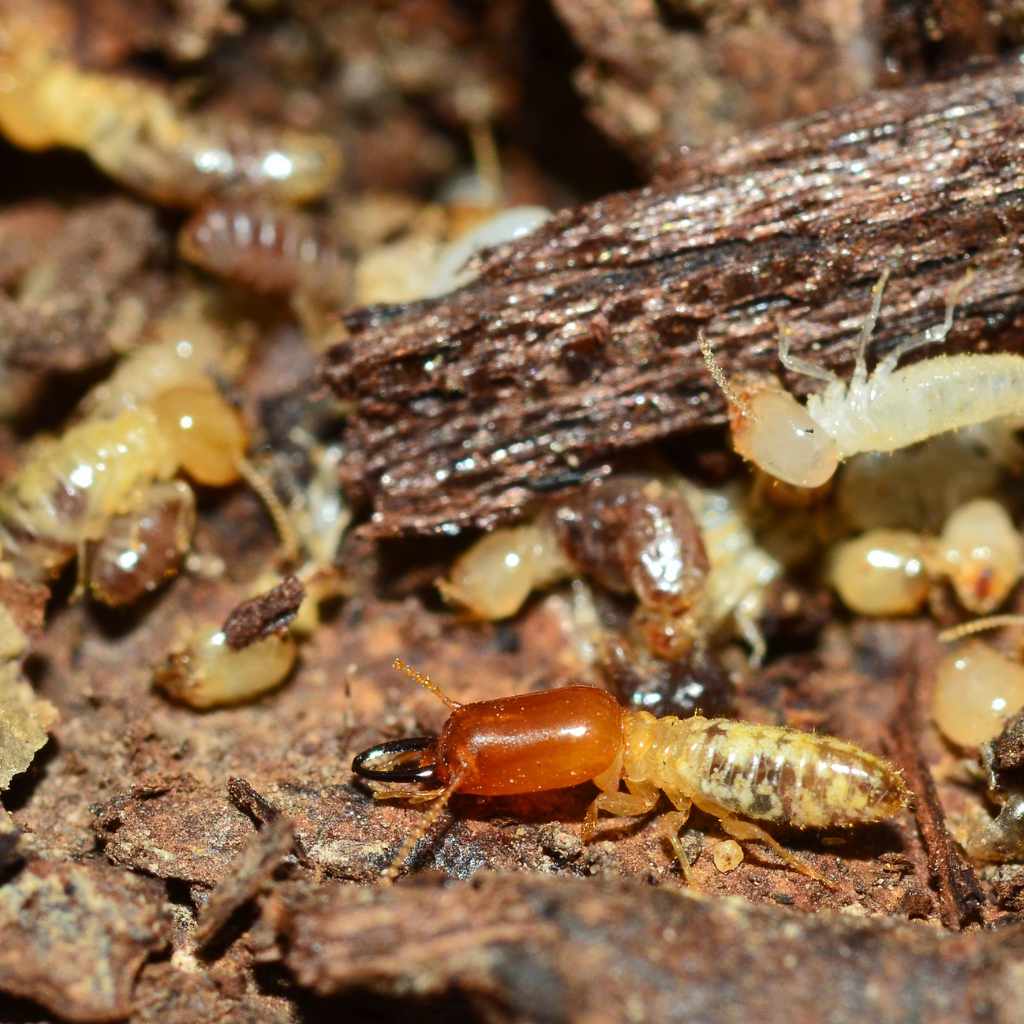
The type of termite also matters. Subterranean termites, which build their nests in the soil, are the most common threat. They can travel long distances and are less deterred by the wood’s natural properties if they are desperate for food or if the wood is accessible and appealing due to moisture or decay.
Drywood termites, while less common in many regions and typically found in drier environments, can also infest redwood, especially if it’s part of the structural wood of a building.
Statistics show that while redwood is considered one of the more resistant woods, no wood is entirely immune. Reports from pest control companies indicate that redwood structures, especially older ones or those exposed to harsh elements, do sometimes show signs of termite damage. This underscores the importance of regular inspections and preventative measures, regardless of the building material.
Identifying Termite Threats to Redwood Structures
Knowing what to look for is your first line of defense. This section helps you spot the signs that termites might be showing interest in your redwood. We will cover common indicators, like mud tubes and frass, and explain how to recognize them even on redwood surfaces.
Early detection is crucial for preventing significant damage.
Signs of Termite Activity
Termite activity can be subtle, but there are tell-tale signs to watch for. One of the most common indicators, especially for subterranean termites, is the presence of mud tubes. These are narrow, pencil-sized tunnels made of soil, mud, and termite saliva.
Termites build these tubes to travel between their underground nests and their food source (your redwood structure) while staying protected from predators and dry air.
You might find these mud tubes on exterior walls, foundation walls, crawl space supports, or even on wooden beams inside your home. They are typically found in darker, more humid areas. If you see them, it’s a strong signal that termites are present and actively foraging.
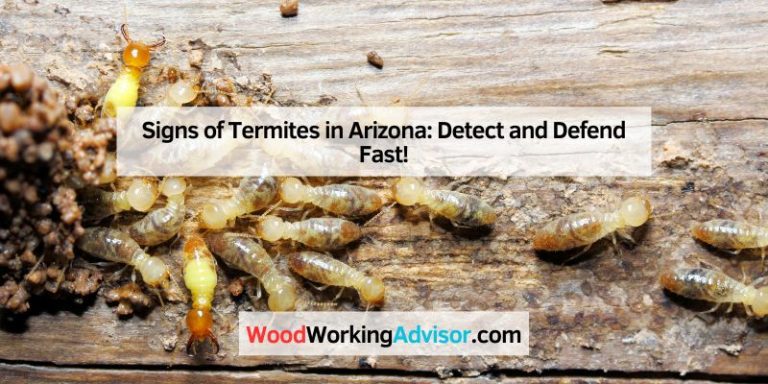
You can gently break open a small section of a mud tube; if you see tiny, pale insects moving inside, they are termites.
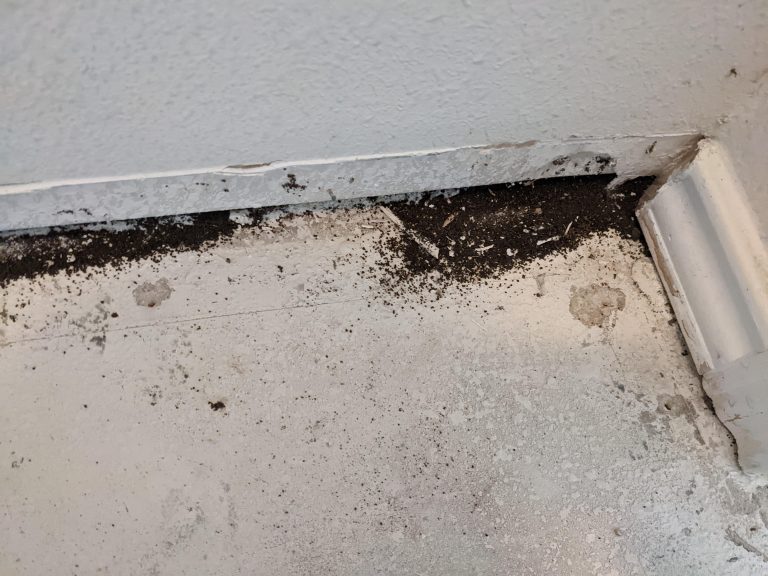
Another significant sign is the presence of termite droppings, often called frass. Drywood termites, in particular, leave behind small, pellet-like droppings that resemble sawdust or coffee grounds. These droppings are often found in piles near infested wood.
Frass from drywood termites is typically dry, hexagonal in shape, and can vary in color depending on the wood they have consumed.
Other signs include the appearance of discarded wings, especially around windowsills and doors. Termites swarm periodically to establish new colonies, and when they do, they shed their wings. Finding a pile of small, translucent wings can indicate that a swarm has occurred inside or near your home.
Also, look for wood that sounds hollow when tapped, or surfaces that seem blistered or discolored.
In a study on termite infestations in wooden structures, researchers found that homeowners who performed regular visual inspections of their property were significantly more likely to detect termite activity in its early stages. This proactive approach is vital, as visible signs like mud tubes or frass are often present long before structural damage becomes apparent.
Distinguishing Termite Signs from Other Issues
It’s important to be able to tell termite signs apart from other common problems. For instance, mud tubes can sometimes be confused with natural soil formations or drainage channels. However, termite mud tubes have a distinct, constructed appearance, often showing a consistent diameter and texture.
They are also typically found in locations that provide shelter and moisture, unlike random soil deposits.
Termite frass is also different from sawdust. Sawdust usually consists of fine particles of wood with sharp edges, while termite frass is more granular and pellet-like. Furthermore, sawdust is usually found near woodworking activities, whereas frass is indicative of an insect infestation.
Homeowners should examine the texture and consistency of any suspect material.
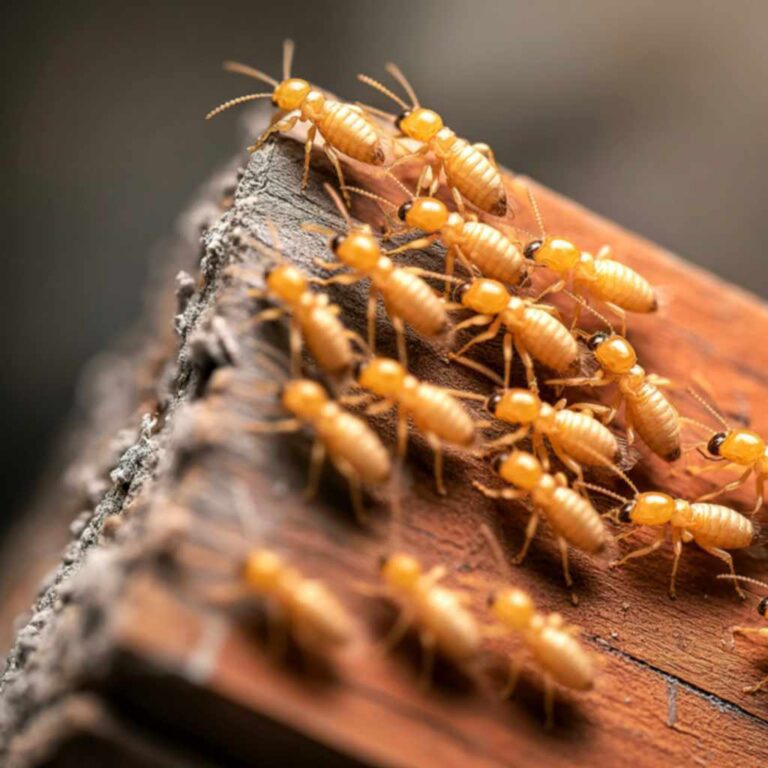
Swarming termites can also be mistaken for flying ants. However, ants have a distinctly segmented body and a pinched waist, whereas termites have a broader, more uniform body shape. Termites also have straight antennae that look beaded, while ant antennae are elbowed.
Observing these physical differences can help in accurate identification.
Finally, wood damage from other sources like water rot or mechanical damage can look similar to termite damage. Water rot often causes wood to become soft, spongy, and discolored with visible mold or mildew. Mechanical damage might result from impacts or improper handling.
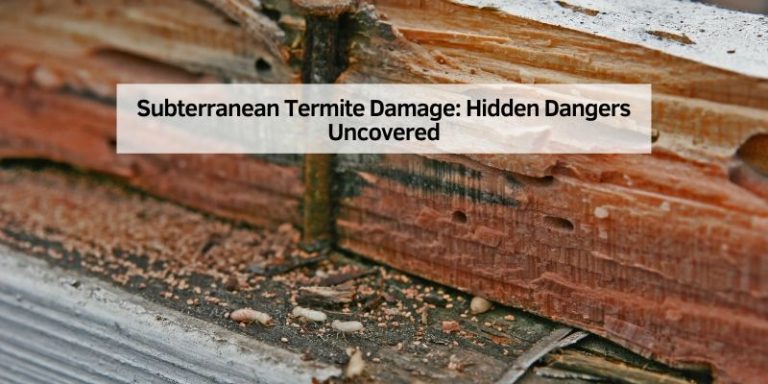
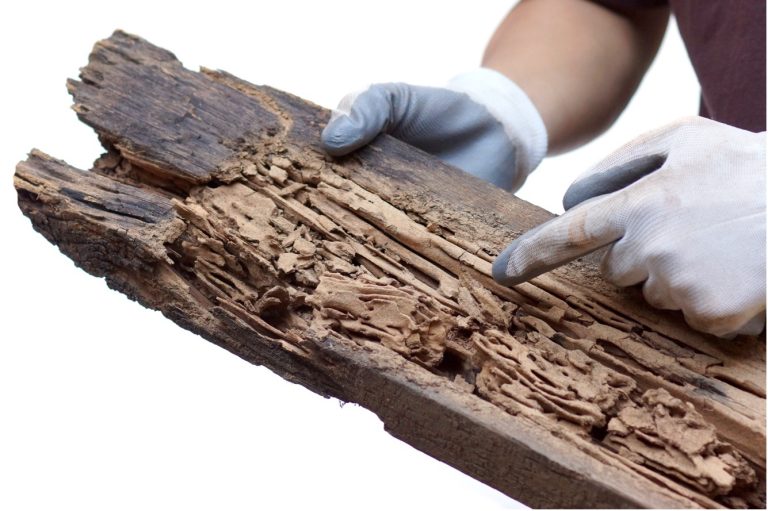
Termite damage, on the other hand, typically involves tunnels and galleries eaten out from the inside of the wood, often leaving a thin veneer of wood or paint on the surface.
Professional Termite Inspection and Treatment for Redwood
When you suspect termites, calling in the experts is the best step. This section explains why a professional inspection is so important and what treatment options are available to protect your redwood. We’ll cover how professionals assess the situation and the different methods they use to eliminate termites effectively.
The Importance of Professional Inspections
Professional termite inspections are crucial for accurately identifying the presence and extent of a termite infestation. Trained inspectors have the knowledge and tools to detect signs that a homeowner might miss. They know where termites are likely to hide and can assess the risk factors unique to your property and the type of wood used in its construction, like redwood.
An inspection typically involves a thorough examination of both the interior and exterior of your home. Inspectors will look for mud tubes, damaged wood, frass, and other indicators of termite activity. They will also check for conditions that might attract termites, such as moisture problems or wood-to-ground contact.
This comprehensive approach ensures that no potential entry points or infestations are overlooked.
The results of a professional inspection provide a clear picture of the infestation, including the species of termite involved and the severity of the damage. This information is vital for developing an effective treatment plan. Without a professional assessment, you might attempt DIY solutions that are ineffective or even exacerbate the problem.
A professional inspection isn’t just for active infestations; it’s also a valuable preventative measure. Many pest control companies offer annual termite inspections, which can catch problems before they become serious and costly to repair. For homeowners with redwood structures, which are perceived as resistant but not immune, these regular checks offer peace of mind.
A 2023 survey by a leading pest control association revealed that properties inspected annually by professionals were 40% less likely to suffer significant termite damage compared to those with infrequent inspections.
Effective Treatment Methods for Termite Infestations
Once termites are identified, various treatment methods can be employed. The choice of treatment often depends on the type of termite, the extent of the infestation, and the homeowner’s preferences. One common method is liquid termite barriers.
These are termiticides applied to the soil around the foundation of your home.
This barrier creates a protective zone that termites must cross to reach your structure. When they come into contact with the termiticide, they die. Some liquid termiticides also work as a transfer poison, meaning that termites that come into contact with the treated soil can carry the poison back to their colony, spreading it to other termites.
This can be very effective in eliminating the entire colony.
Another widely used method is termite baiting systems. These systems involve placing bait stations around your property. The bait stations contain a slow-acting insecticide mixed with a cellulose material that termites find attractive.
Termites consume the bait and carry it back to their colony, sharing it with other termites, including the queen.
This baiting method can effectively eliminate entire colonies over time. It’s often considered a more environmentally friendly option as it uses less chemical volume. Regular monitoring and replenishment of the bait are essential for its ongoing success.
Baiting systems are particularly useful for subterranean termites.
For drywood termites, direct wood treatment is often employed. This can involve injecting termiticides directly into infested wood or fumigating the entire structure. Fumigation, also known as tenting, is a more drastic measure that involves covering the entire house with a tarp and filling it with a gas that penetrates all wood materials, killing termites within.
This is typically reserved for severe infestations.
Here are some treatment options and their typical applications:
- Liquid Termiticides Applied to soil around the foundation to create a barrier. Effective against subterranean termites. Requires reapplication periodically.
- Termite Baiting Systems Stations placed in the ground containing attractant and slow-acting insecticide. Effective for subterranean termites, works over time to eliminate colonies. Requires regular monitoring.
- Direct Wood Injection Termiticides injected directly into infested wood. Used for localized drywood termite infestations.
- Fumigation (Tenting) Entire structure is enclosed and treated with gas. Used for severe drywood termite infestations. Requires vacating the property for a period.
A case study from California highlighted how a home with extensive redwood siding experienced a drywood termite infestation. Traditional liquid treatments were less effective due to the wood’s density. The homeowners opted for a fumigation treatment, which successfully eradicated the termites and prevented further structural damage.
This demonstrates how different treatment methods are suited for different termite types and wood materials.
Preventing Termite Infestations in Redwood
Prevention is always better than cure. This section offers practical, actionable advice on how to make your redwood structures less attractive to termites. We’ll discuss simple home maintenance tips and environmental modifications that can significantly reduce the risk of an infestation.
Keeping termites away is key to protecting your investment.
Environmental Modifications and Maintenance
One of the most effective ways to prevent termite infestations in any wooden structure, including those made of redwood, is to reduce moisture. Termites need moisture to survive. Ensure that your property has good drainage, with downspouts directing water away from your foundation.
Fix any leaky pipes or faucets promptly, both inside and outside your home.
Keep your redwood structures, such as decks and fences, properly sealed and maintained. Regularly inspect the sealant for cracks or wear, and reapply as needed. This not only protects the wood from moisture but also makes it less appealing to termites.
Avoid direct wood-to-ground contact whenever possible. If your redwood deck or fence posts touch the soil, consider using concrete footings or gravel barriers.
Trim trees and shrubs so they do not touch or overhang your redwood siding or roof. This prevents termites from using them as bridges to reach your home. Also, keep firewood, lumber scraps, and other potential wood food sources away from your house foundation.
These items can serve as breeding grounds for termites.
Regularly clean out gutters and ensure they are not clogged. Clogged gutters can lead to water pooling and increased moisture around your home’s foundation, creating an attractive environment for subterranean termites. Also, ensure that crawl spaces are well-ventilated and dry.
Here’s a quick checklist for prevention:
- Ensure good drainage around your home’s foundation.
- Fix all leaks promptly, both interior and exterior.
- Seal and maintain redwood structures regularly.
- Prevent direct wood-to-ground contact.
- Trim vegetation away from your home.
- Keep firewood and debris away from the house.
- Clean gutters regularly.
- Ensure crawl spaces are well-ventilated.
Understanding Termite-Resistant Practices
Using termite-resistant practices goes beyond basic maintenance. It involves understanding how construction methods can impact termite vulnerability. For redwood, this means considering how it’s used in conjunction with other building materials.
For instance, using metal flashing or barriers where wood meets concrete can prevent termites from traveling up the foundation into the wood structure.
When building new structures or undertaking renovations that involve redwood, ensure that building codes related to termite prevention are followed. This might include specific requirements for foundation construction, ventilation, and the use of treated lumber in certain areas, even if the visible redwood is naturally resistant.
Consider using termite-resistant materials for components that are particularly vulnerable, such as sill plates or joists that are close to the ground. While redwood itself is quite resistant, pairing it with other protective measures offers a more comprehensive defense. This layered approach is especially beneficial in areas with a high termite population.
Educating yourself and your family about termite signs is also a preventive measure. The sooner you spot a problem, the easier and less expensive it will be to deal with. Make it a habit to do a visual scan of your home’s exterior and interior for any unusual signs regularly.
A study on homeowner practices in termite-prone regions found that those who implemented at least three preventive maintenance strategies, such as regular sealing of wood and ensuring proper drainage, had a significantly lower incidence of termite infestations. This highlights the effectiveness of consistent, proactive measures. For example, a homeowner in Florida noticed their redwood deck posts were starting to show signs of surface decay after several years of direct contact with moist soil.
By installing gravel barriers and ensuring better airflow around the posts, they stopped the moisture buildup and deterred potential termite activity before it could take hold.
Frequently Asked Questions
Question: Can termites eat redwood?
Answer: Yes, termites can eat redwood, although redwood is naturally more resistant to termite damage than many other types of wood due to its natural oils and compounds. They are more likely to attack redwood if other food sources are scarce, if the wood is damaged, or if it’s consistently exposed to moisture.
Question: What are the signs of termites on redwood?
Answer: Signs include mud tubes on exterior surfaces, piles of pellet-like droppings (frass) near infested areas, discarded wings, wood that sounds hollow when tapped, and visible damage like tunnels or galleries within the wood. Even though redwood is tough, termites can still create these tell-tale signs.
Question: Is all redwood termite-resistant?
Answer: While redwood generally offers good resistance, the level of resistance can vary depending on the specific type of redwood tree, its age, and how the wood was harvested and treated. Older redwood or redwood that has been exposed to constant moisture and decay may be more vulnerable.
Question: How often should I get my redwood home inspected for termites?
Answer: It’s generally recommended to have a professional termite inspection at least once a year, especially if you live in a region with a high termite population. For homes with significant redwood components, regular inspections are a wise preventative measure.
Question: What is the best way to prevent termites from attacking my redwood?
Answer: Prevention involves reducing moisture around your home, keeping redwood structures sealed and maintained, preventing direct wood-to-ground contact, trimming vegetation away from your house, and promptly addressing any signs of damage or decay. Regular maintenance and awareness are key.
Final Thoughts
When considering Can Termites Eat Redwood? What Homeowners Must Know, the key takeaway is that while redwood offers good natural protection, it is not entirely immune to termite attacks. Termites can indeed feast on redwood, especially if conditions are right.
Understanding the natural defenses of redwood, recognizing the subtle signs of termite activity, and knowing when to call in the professionals are your strongest defenses. Proactive prevention through proper maintenance and environmental control can significantly lower the risk. Don’t hesitate to get regular professional inspections, as early detection can save your redwood structures from extensive damage.
Staying informed and vigilant is the best strategy for protecting your home.