Can You Clean Hardwood Floors With Bleach Safely?
Thinking about cleaning your hardwood floors and wondering, Can You Clean Hardwood Floors With Bleach? It’s a question many homeowners face when dealing with dirt and stains. The answer isn’t always straightforward, and it’s easy to make mistakes that could damage your beautiful floors. Don’t worry, though; we’re here to help! We’ll explore the best ways to clean your hardwood floors. We’ll show you step-by-step how to do it safely and effectively. Let’s get started and uncover the right approach.
What You Need to Know About Hardwood Floors and Bleach
Hardwood floors add a touch of elegance to any home. They are a significant investment, making their care a priority. The cleaning methods chosen play a vital role in maintaining their beauty and extending their lifespan. Many cleaning products available promise easy maintenance. However, the wrong choice can lead to damage. One common product that homeowners often consider is bleach. It is known for its strong cleaning power. Bleach can cause problems for hardwood floors if not used correctly. The interaction of bleach and wood surfaces can be tricky, as bleach is a powerful substance. It has the potential to strip away the floor’s finish and even discolor the wood itself.
Types of Hardwood Floors and Their Finishes
Before you even think about cleaning your hardwood floors, you must determine what type of wood and finish you have. Different types of wood and finishes require unique care methods. Ignoring this step can lead to damage. Common hardwoods include oak, maple, and cherry. Each has varying levels of density and durability. The floor’s finish protects the wood from moisture, scratches, and stains. Some common finishes include polyurethane, varnish, and oil-based finishes. Each finish has its own properties and reactions to cleaning agents. For example, some finishes are more resistant to water and chemicals than others. Understanding your floor’s wood type and finish is the first step toward proper cleaning.
-
- Solid Hardwood: This type consists of planks made from a single piece of wood. It is known for its durability and authentic look. Solid hardwood floors are susceptible to moisture damage. Excessive water exposure can cause warping or cupping. The finish on these floors acts as the first line of defense. Knowing the type of finish is key.
Solid hardwood floors bring warmth and character to a home. They can last for generations with proper care. These floors are often sanded and refinished to restore their beauty. Solid hardwood may have a polyurethane or oil-based finish. That finish provides a protective layer against everyday wear and tear.
-
- Engineered Hardwood: Engineered hardwood is constructed with a core of plywood or high-density fiberboard. A thin layer of solid wood is on top. This design provides more stability than solid hardwood, especially in areas with humidity changes. Engineered hardwood is less prone to warping. However, the surface layer is still susceptible to damage. The finish on engineered hardwood is as important as the type of wood.
Engineered hardwood floors are an excellent choice. They are stable and often less expensive than solid hardwood. This makes them a popular choice for many homes. Engineered hardwood has a finish. It protects the wood from scratches, stains, and moisture. Regular maintenance can keep these floors looking great for many years.
-
- Pre-finished vs. Unfinished Hardwood: Pre-finished hardwood comes with a factory-applied finish. This can include polyurethane or oil-based coatings. The benefit of pre-finished floors is the convenience of installation. These floors are ready to use once installed. Unfinished hardwood requires finishing after installation. This allows for customization, like choosing the finish and the stain. Both pre-finished and unfinished floors need specific cleaning care based on their finish.
Whether you choose pre-finished or unfinished hardwood, the finish is what you see and what protects the wood. Pre-finished floors have a consistent look and are ready to go. Unfinished floors offer more options in terms of color and sheen. Knowing your floor type is essential when selecting cleaning products and methods.
How Bleach Affects Hardwood Floors
Bleach is a powerful disinfectant, often used to eliminate germs and brighten surfaces. However, its chemical composition makes it less suitable for hardwood floors. Bleach, typically sodium hypochlorite, is a strong oxidizing agent. It reacts with the wood and its finish. This can cause discoloration, fading, and even damage the wood fibers themselves. On wood, bleach can remove the protective layer, causing the wood to become more vulnerable to moisture and stains. The reaction is especially concerning on stained or colored wood, as bleach can remove the color unevenly. Bleach can cause irreversible damage to your hardwood floors. It’s important to understand the risks before using it for cleaning.
-
- Discoloration: Bleach is known for its bleaching properties, meaning it can lighten or remove color. When used on hardwood floors, this can lead to uneven patches and a faded appearance. The extent of the discoloration depends on the concentration of the bleach. It also depends on the type and finish of the wood. The effect is typically more noticeable on stained or darker woods.
Bleach can remove the stain and make the wood look lighter. Over time, the floor will look uneven. The original appearance of your hardwood may be hard to restore. Bleach will change how your floors look. It is often best to avoid it.
-
- Damage to Finish: Hardwood floors have a protective finish. It shields the wood from scratches and spills. Bleach can break down this finish. That can make the floor more vulnerable to wear and tear. A damaged finish can lead to moisture seeping into the wood. That leads to warping, cracking, and decay. The finish helps preserve the appearance of the hardwood.
Regular maintenance will keep the finish intact. Be careful when cleaning hardwood floors. Avoid using harsh chemicals. Regular cleaning with the right products will help protect your floors. It will also help maintain their beauty.
-
- Wood Fiber Damage: In severe cases, bleach can weaken the wood fibers. This can make the floor more susceptible to scratches and dents. This damage is more likely with high concentrations of bleach. It is also more probable when the bleach is left on the floor for a long time. Over time, the floor’s structural integrity can suffer.
Bleach can lead to more serious issues. The damage can affect the look of the wood. It can also cause problems with how the floor functions. Bleach must be used very carefully. The best approach is to avoid it altogether on hardwood floors.
Cleaning Alternatives: Safe Methods for Hardwood Floors
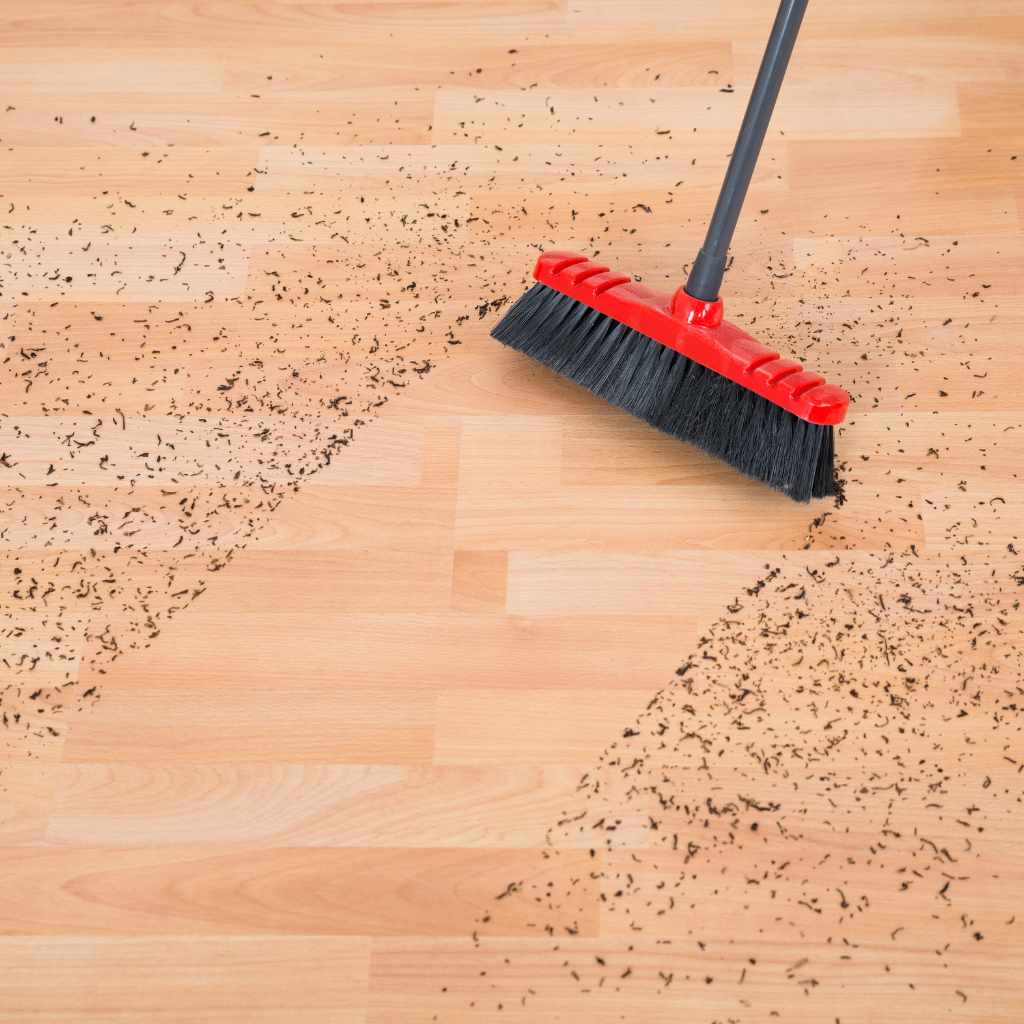
While bleach can damage hardwood floors, several safe and effective cleaning methods exist. These alternatives will help you maintain your floors without harming the wood or finish. These methods are designed to gently remove dirt and stains. They keep your floors looking beautiful for a long time. Using the right cleaning agents and techniques is essential. You’ll find a solution that works for you by understanding these options.
Safe Cleaning Products for Hardwood Floors
Choosing the right cleaning products is key to maintaining hardwood floors. There are several options designed to clean and protect your floors without the harsh effects of bleach. These products are usually gentle. They are effective at removing dirt and grime. They also preserve the finish of your floors. These products are usually safer for your floors and your health. They are great choices for routine cleaning.
-
- pH-Neutral Cleaners: pH-neutral cleaners are specifically formulated for hardwood floors. They are mild and won’t damage the finish. These cleaners effectively remove dirt and spills. They don’t leave streaks behind. Always test any cleaner in an inconspicuous area. That will ensure it doesn’t cause discoloration.
pH-neutral cleaners are a great choice for your hardwood floors. They are designed to clean without damaging your floors. They are safe for most finishes. They are easy to use. These cleaners are widely available and come in various forms, like sprays and pre-moistened pads.
-
- Vinegar and Water Solution: A solution of white vinegar and water is a natural and effective cleaner. Vinegar is a mild acid that can cut through dirt and grime. Mix one part white vinegar with ten parts water. Use a damp mop or cloth to apply the solution to your floors. Avoid using too much water. It can seep into the wood and cause damage.
Vinegar and water are a simple and safe way to clean your floors. It is also an affordable option. The solution is gentle. It is great for everyday use. Always make sure to test the vinegar solution first. Do this in an area that isn’t easily seen. That will ensure it doesn’t harm the finish.
-
- Commercial Hardwood Floor Cleaners: Many commercial cleaners are designed for hardwood floors. These cleaners come in various formulations, including sprays, concentrates, and pre-moistened pads. When choosing a commercial cleaner, read the label. Make sure the cleaner is suitable for your floor’s finish. Follow the manufacturer’s instructions for best results.
Commercial hardwood floor cleaners offer a convenient solution. They are designed to be safe and effective. These cleaners come with clear instructions. They make the cleaning process easier. When selecting a commercial cleaner, make sure it is suitable for your floor type.
-
- Considerations for Oil-Based Finishes: If your hardwood floors have an oil-based finish, you need to be cautious about cleaning products. Avoid cleaners containing ammonia or harsh chemicals, which can strip away the finish. Use cleaners made for oil-based finishes. That will help maintain the floor’s beauty and protection. Always test cleaning products in an unseen area.
Oil-based finishes need specialized cleaning products. The right cleaner will keep the floor looking its best. Cleaners designed for oil-based finishes help the floor’s finish last longer. They are often gentle but effective. Always make sure you test the cleaner first.
Step-by-Step Cleaning Guide
Cleaning hardwood floors involves several steps. The steps must be followed to achieve the best results. Using the right techniques helps preserve your floors’ beauty and longevity. Here’s a step-by-step guide to keep your hardwood floors clean and well-maintained. This process will help you avoid harsh chemicals like bleach.
-
- Preparation: Begin by removing any furniture or items from the floor. Sweep or vacuum the floor to remove loose dirt and debris. This helps prevent scratches during the cleaning process.
Prepare the area by moving any furniture or other items. Sweep or vacuum the floor to remove dust and debris. This will prevent scratches and dirt accumulation. This step makes the floor easier to clean. It also protects the finish.
-
- Cleaning Solution: Choose a cleaning solution appropriate for your floor’s finish. Follow the manufacturer’s instructions to mix the solution correctly. A pH-neutral cleaner is often an excellent choice.
Select a cleaning solution suitable for your floor type and finish. Follow the manufacturer’s directions for mixing. Using the right solution helps ensure the cleaning is effective. It also prevents any damage to the floors.
-
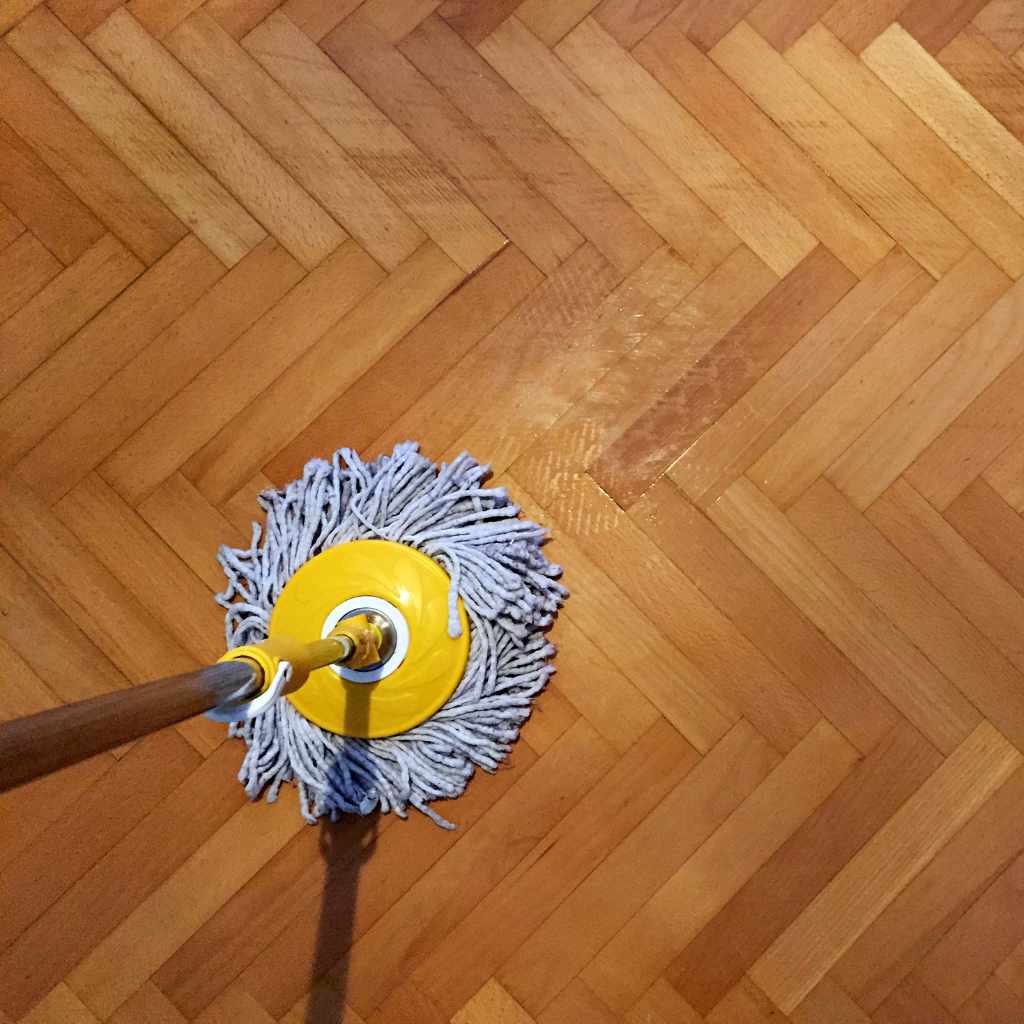
- Mopping or Application: Use a microfiber mop or a soft cloth. Lightly dampen the mop or cloth with the cleaning solution. Avoid over-saturating the floor. Too much water can damage the wood.
Use a microfiber mop or a soft cloth. Apply the cleaning solution gently to the floor. Make sure not to oversaturate the floor. Too much water can harm the wood. Mopping or wiping in the right way can help clean without leaving streaks.
-
- Cleaning Technique: Mop or wipe the floor in the direction of the wood grain. This helps to clean the floor. It also prevents streaks and promotes even cleaning. Work in small sections to keep the floor clean and prevent the cleaning solution from drying on the floor.
Always mop or wipe the floor in the direction of the wood grain. Working in sections ensures effective cleaning. It also helps prevent streaks. This is an important step to keep the floors looking great.
-
- Drying: After cleaning, allow the floor to dry completely. Open windows or use fans to speed up the drying process. Do not walk on the floor until it’s completely dry. That prevents marks and damage.
Let the floor dry completely after cleaning. This is an important step to ensure the floor doesn’t get damaged. Do not walk on the floor. Give it time to dry. This helps to keep your floors in great condition.
Dealing With Stains and Discoloration
Even with careful maintenance, hardwood floors can suffer from stains and discoloration. These issues can happen from spills, pet accidents, or other incidents. Addressing these problems immediately and using the right techniques can minimize damage and restore your floors. Understanding how to handle different types of stains and discoloration will help you keep your hardwood floors looking their best. It will also help you avoid the use of harsh chemicals like bleach.
Identifying Different Types of Stains
Before treating a stain, it’s important to identify the type of stain. Knowing the stain’s source helps you choose the correct cleaning method. Different types of stains require different approaches to remove them safely and effectively. Identify the stain to know how to fix it. This approach can help preserve your floors’ finish and avoid further damage.
-
- Water Stains: Water stains can appear as white or cloudy patches on the floor. They typically occur when water sits on the floor for too long. These stains can often be removed by using a dry cloth or a heat source.
Water stains are a common problem for hardwood floors. They result from water sitting on the floor’s surface. These stains often appear white or cloudy. Identifying water stains helps you use the right cleaning method. With prompt action, they can be removed before causing lasting damage.
-
- Pet Stains: Pet stains can be a challenge. They can include urine, feces, or vomit. These stains can cause discoloration and odors. Clean up these stains quickly. Use enzymatic cleaners to remove stains and odors.
Pet stains can cause both cosmetic and hygienic issues. Identifying pet stains allows for a targeted cleaning approach. This helps to remove the stain. It also helps to prevent odors and potential damage to your floor. The right approach is critical for the floors and the home.
-
- Food and Beverage Stains: Food and beverage spills can leave a variety of stains. These stains range from sticky residue to dark spots. Clean these spills promptly with a pH-neutral cleaner. Avoid letting spills sit on the floor.
Food and beverage stains can damage hardwood floors. Swift action prevents permanent stains. Use the right cleaning methods to remove food and beverage stains. That will help maintain the beauty and integrity of your hardwood floors.
-
- Ink and Marker Stains: Ink and marker stains can be challenging to remove. Use alcohol-based cleaners or commercial ink removers. Test these solutions in an inconspicuous area. That will help ensure they don’t harm the finish.
Ink and marker stains can leave a mark on your hardwood floors. The prompt use of suitable cleaning agents can help remove these stains. Always test cleaners in a hidden area. That will make sure they don’t damage your floors.
Treating Stains and Discoloration
Once you identify the type of stain, you can choose the correct cleaning method. Treating stains promptly will help you prevent permanent damage. Some stains might require more specialized methods. However, quick action is often the key to successful stain removal. Always test any cleaning agent in a small area first. That will make sure it is safe for the finish. Taking the right steps can help preserve the floors and keep them beautiful.
-
- For Water Stains: Use a dry cloth to wipe the affected area. You can also use a hairdryer or a heat lamp. Hold the heat source a few inches from the floor. Do not apply too much heat, as it can damage the finish.
Water stains require immediate attention. Quickly remove the moisture. Use a dry cloth to wipe away the water. Try to use a heat source, like a hairdryer, to help dry the area. Always avoid applying too much heat. This method can help remove the water stains from the hardwood floors.
-
- For Pet Stains: Clean up pet stains as soon as you discover them. Use an enzymatic cleaner specifically designed for pet messes. Follow the manufacturer’s instructions. That will eliminate the stain and the odor.
Pet stains require a different approach. Since pet stains can cause damage and leave odors, prompt action is essential. Clean the area with an enzymatic cleaner. That will help remove the stain and any lingering smells. This can keep your floors clean and fresh.
-
- For Food and Beverage Stains: Wipe up spills immediately. Use a pH-neutral cleaner and a soft cloth to clean the area. Work in the direction of the wood grain. That will prevent streaks.
Quick action is key to tackling food and beverage stains. Quickly wipe up spills with a pH-neutral cleaner. Then, clean in the direction of the wood grain. You can avoid lasting stains by doing this. The floors will look their best.
-
- For Ink and Marker Stains: Apply rubbing alcohol or a commercial ink remover to a clean cloth. Gently blot the stain. Avoid rubbing, as this can spread the stain. Repeat until the stain is gone. Then, wipe the area with a damp cloth.
Ink and marker stains require a focused cleaning. Use rubbing alcohol or a commercial ink remover. Gently blot the stain with a clean cloth. Repeat the process until the stain is gone. This will help remove the stain. It will also help keep the hardwood floors in great condition.
Avoiding Common Cleaning Mistakes
Several mistakes can harm your hardwood floors. Many homeowners make these mistakes without realizing the damage they are causing. It’s essential to know and avoid these errors to maintain your floors’ beauty and extend their lifespan. By avoiding these common mistakes, you can protect your floors and keep them looking their best. You can avoid the need for harsh chemicals like bleach.
Common Errors to Avoid
Several errors can damage hardwood floors. These mistakes can cause scratches, dull the finish, and even lead to irreversible damage. By understanding and avoiding these common errors, you can protect your floors and maintain their beauty. Proper care and careful practices will ensure the longevity of your hardwood floors.
-
- Using Too Much Water: Over-saturating hardwood floors with water is a common mistake. Excess water can seep into the wood. That leads to warping, cupping, and other damage. Always use a damp mop. Avoid using too much water.
Hardwood floors and water do not mix. Using too much water is a common error that can harm your floors. This can cause significant damage. Protect your floors by using a damp mop. Be careful and avoid over-saturating them with water.
-
- Using Harsh Chemicals: Harsh chemicals, such as bleach, ammonia, and abrasive cleaners, can strip away the floor’s finish. They can also damage the wood. These chemicals cause discoloration. Always use pH-neutral cleaners specifically designed for hardwood floors.
Harsh chemicals can do more harm than good. They can damage the finish and discolor your floors. Always use pH-neutral cleaners. They are made for hardwood floors. That will help maintain your floors and keep them safe.
-
- Using Abrasive Cleaning Tools: Using abrasive cleaning tools, like steel wool or scouring pads, can scratch the floor’s surface. Scratches can dull the finish and make the floor look worn. Always use soft cloths or microfiber mops when cleaning your floors.
Abrasive cleaning tools can create scratches. Scratches can make your floors look dull and worn. They can also remove the finish. Always use soft cloths or microfiber mops. These tools are gentler. They are safer for your hardwood floors.
-
- Ignoring Routine Maintenance: Failing to sweep or vacuum your floors regularly. Not cleaning spills promptly. Neglecting to protect your floors with mats and felt pads can damage your floors. Proper maintenance is critical for extending the life of your floors.
Ignoring routine maintenance will eventually harm your floors. Regularly sweep, vacuum, and clean up spills. Use mats and felt pads to protect your floors. Regular maintenance will help preserve the beauty of your hardwood floors.
How to Prevent Damage During Cleaning
Preventing damage during cleaning involves several simple but critical steps. Taking these precautions will help maintain your floors’ beauty and prevent costly repairs. Using the right techniques can help keep your floors looking their best for many years. You can avoid harsh chemicals like bleach.
-
- Use Proper Cleaning Tools: Use a microfiber mop or soft cloth. Avoid using abrasive tools. Microfiber mops and soft cloths are gentler. They effectively remove dirt and grime without scratching the surface.
Using the right tools is important for cleaning. Avoid using anything abrasive. Instead, use a microfiber mop or a soft cloth. They will keep the hardwood floors looking great.
-
- Test Cleaners in an Inconspicuous Area: Before applying any cleaner to the entire floor, test it in a hidden area. This will make sure the cleaner doesn’t cause discoloration or damage. This is a very important step.
Testing cleaners in a hidden area will make sure they do not damage your floors. This is an important step to prevent any issues with the finish or the color of the hardwood. Always do this before you clean the whole floor.
-
- Protect Floors from Scratches: Place mats at doorways. Use felt pads under furniture legs. These will help protect the floors from scratches. Removing your shoes indoors can also help prevent scratches.
Use mats and felt pads. Protect your floors from scratches. This helps keep them in good shape. Protect the floors by removing your shoes indoors. This simple step can prevent damage.
-
- Address Spills Promptly: Clean up spills immediately. Wipe up any spills as soon as you see them. This will prevent staining and water damage. This is the best way to maintain the floor’s beauty.
Promptly clean up any spills. This prevents staining and water damage. Taking quick action will keep your hardwood floors looking their best.
Can You Clean Hardwood Floors With Bleach? The Verdict
So, Can You Clean Hardwood Floors With Bleach? The answer is generally no. While bleach may seem like a quick solution for cleaning, it can be a significant hazard to your floors. The potential for discoloration, finish damage, and wood fiber damage makes bleach a risky choice. It’s often best to avoid using it on your hardwood floors. Instead, stick to gentle, safe cleaning methods. You can protect your investment by using the correct techniques. You can also make sure your floors look great for years.
Frequently Asked Questions
Question: Is bleach safe for any type of hardwood floor?
Answer: No, bleach is generally not safe for any type of hardwood floor because it can damage the finish and the wood.
Question: What’s the best cleaner for routine cleaning?
Answer: A pH-neutral cleaner made for hardwood floors is the best choice for everyday cleaning.
Question: Can I use vinegar to clean my hardwood floors?
Answer: Yes, a diluted solution of white vinegar and water can be effective, but always test it in an inconspicuous area first.
Question: How do I remove pet stains from my hardwood floors?
Answer: Use an enzymatic cleaner designed for pet messes to remove stains and odors.
Question: What should I do if bleach has already been used on my hardwood floors?
Answer: If bleach has been used, assess the damage and consider professional refinishing or repair to restore the floor’s appearance.
Final Thoughts
Taking care of your hardwood floors doesn’t have to be complicated. You’ve now seen that the use of bleach is not a good idea. Instead, opt for safer cleaning methods, such as pH-neutral cleaners or vinegar solutions. Remember to identify your floor type and finish. Choose the correct cleaning products. The use of proper cleaning tools and techniques are essential. It can prevent damage and maintain the beauty of your floors. Be careful about spills and discoloration. Quick action and the right cleaning methods will often solve most problems. Remember, the best approach is regular, gentle cleaning. It is essential to protect your hardwood floors for years. With the right care, you can keep your floors beautiful. They can add warmth and elegance to your home for a long time.