Lumber Liquidators Engineered Hardwood Flooring: Open in 2026?
Lumber Liquidators filed for Chapter 11 bankruptcy in August 2024, was rescued by founder Tom Sullivan’s F9 Investments months later, and was acquired by Bed Bath & Beyond’s parent company in 2026 — the stores never actually closed. Buying from a company that changed hands twice raises real warranty and stock questions. This guide covers what happened, which engineered hardwood flooring lines are still sold, real current prices, and what warranty coverage looks like now.
Insert your Affiliate Disclosure reusable block here.
Quick Answer
Yes — Lumber Liquidators is still open in 2026. It survived an August 2024 Chapter 11 bankruptcy, was bought back by founder Tom Sullivan through F9 Investments, and was acquired by Bed Bath & Beyond’s parent company in a 2026 deal worth roughly $150 million. Stores and the Bellawood, Virginia Mill Works, and Builder’s Pride engineered hardwood lines are still being sold — but confirm warranty terms directly before buying, since ownership has changed twice in two years.
What Happened to Lumber Liquidators? (2024 Bankruptcy to the 2026 Sale)
Best Pre-Install Check Pick
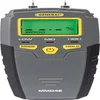
General Tools MMD4E Moisture Meter for Wood
A pin-type meter that reads subfloor moisture percentage directly — the exact check most engineered hardwood warranties require before installation.
- Best for: Confirming subfloor moisture is under 12% before laying engineered planks
- Why we picked it: Simple pin-type reading, no calibration needed, budget-friendly for a one-time install
- Main drawback: Pins leave tiny marks in the subfloor, not the finished floor
Compare more engineered hardwood install & care options
 Option 1 Klein Tools ET140 Pinless Meter
|
 Option 2 Bona Hardwood Floor Polish
|
 Option 3 Minwax Hardwood Floor Cleaner
|
As an Amazon Associate we earn from qualifying purchases.
Lumber Liquidators — which had rebranded as LL Flooring in 2020 — filed for Chapter 11 bankruptcy protection on August 11, 2024, carrying nearly $110 million in long-term debt as slowing home sales and higher interest rates cut into flooring demand. The Richmond, Virginia-based chain, which operated 442 stores nationwide, initially announced 94 store closures and began preparing to wind down entirely after no buyer came forward at auction.
Three months later, company founder Tom Sullivan stepped back in and bought the business out of bankruptcy through his investment firm, F9 Investments, keeping the remaining stores open under the original Lumber Liquidators name — the same retailer that also sells composite and wood decking alongside its flooring lines. In April 2026, F9 Investments agreed to sell the business to Bed Bath & Beyond’s parent company for approximately $150 million, marking the retailer’s entry into building-materials distribution. As of this update, Lumber Liquidators stores and its online catalog remain active and selling flooring.
Is Lumber Liquidators the Same Company as LL Flooring?
Yes, with one wrinkle worth knowing. Lumber Liquidators renamed itself LL Flooring in 2020 to distance the brand from a 2015 formaldehyde scandal involving Chinese-made laminate flooring. When Tom Sullivan reacquired the company out of bankruptcy in late 2024, he switched the branding back to the original Lumber Liquidators name. If you bought flooring under the LL Flooring name between 2020 and 2024, your product and warranty are from the same underlying company — just a different sign over the door at the time.
Which Engineered Hardwood Lines Does Lumber Liquidators Sell Now?
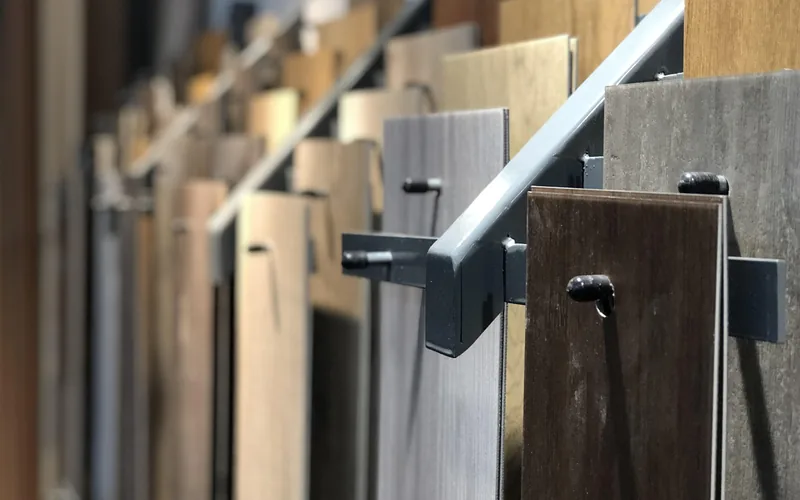
Lumber Liquidators carries three main engineered hardwood brands, and current listed prices are far more specific — and far more useful for budgeting — than a generic “starting at” figure. Prices below are per square foot and reflect what the retailer’s own catalog listed for these lines as of this update; expect them to shift with sales and stock.
| Brand | Example Product | Price per Sq Ft |
|---|---|---|
| Builder’s Pride | 3/8″ Gunstock Oak | $2.84 – $2.99 |
| Virginia Mill Works | 3/8″ Vintage French Oak Distressed | $3.19 – $3.99 |
| Virginia Mill Works | 1/2″ Tobacco Road Acacia Distressed | $6.64 – $6.99 |
| Bellawood | 1/2″ Acacia Quick Click | $7.59 – $9.49 |
Builder’s Pride sits at the entry-level price point and is the line most comparable to a standard 3-inch gunstock oak engineered board. Virginia Mill Works adds distressed, hand-scraped textures at a mid-range price, and Bellawood — Lumber Liquidators’ house premium brand — carries the longest wear layers and the lifetime residential warranty the company is best known for. Golden and honey tones from any of the three lines work especially well in kitchen hardwood floor layouts where you want the wood to read warm under both daylight and overhead lighting.
How Wear Layer Thickness Affects How Long the Floor Lasts
The wear layer is the solid wood veneer bonded to the top of an engineered board — it’s the only part that can ever be sanded and refinished. Its thickness in millimeters, not the brand name, is what actually determines how many times a floor can be refinished before the plywood core shows through.
| Wear Layer | Refinishes Possible | Best For |
|---|---|---|
| 1.2mm | 0 — below the 2.5mm sanding-safety floor | Low-traffic rooms on a tight budget |
| 2mm | 0 – 1, light screen only | Bedrooms, guest rooms |
| 3 – 4mm | 2 – 3 | Living rooms, hallways |
| 5 – 6mm | 5+ | High-traffic areas, resale-value floors |
The National Wood Flooring Association sets 2.5mm as the minimum wear layer a sander can safely work without risking the glue line underneath — anything thinner is effectively a one-life floor. Bellawood’s engineered lines run in the 3–4mm range on most SKUs, which is why it carries the lifetime residential warranty; Builder’s Pride entry-level boards typically sit closer to 2mm and are better suited to rooms that see light foot traffic. If you’re still deciding between engineered and solid wood hardwood flooring altogether, wear layer thickness is the single biggest factor that should drive that decision.
Checking Your Subfloor Before You Install
Engineered hardwood is more dimensionally stable than solid wood, but it still moves with moisture. Most warranty claims that get denied trace back to a subfloor that was never actually checked before installation — not a defect in the plank itself.
- Acclimate the boards: Let the sealed cartons sit in the installation room for 48–72 hours so the wood equalizes to room humidity before you open them.
- Test the subfloor moisture: Use a pin or pinless moisture meter on the concrete or plywood subfloor — most manufacturers, including Bellawood, require a reading under 12% before they’ll honor a warranty claim.
- Check for flatness: Lay a straightedge across the subfloor; gaps larger than 3/16 inch over 10 feet need to be leveled first.
- Choose the right method: Click-lock floating installation works over most subfloors without nails or glue, while glue-down is preferred over concrete slabs below grade.
Caring for Engineered Hardwood Long-Term
Engineered hardwood needs less babying than solid wood, but the finish and the thin wear layer still dictate how you clean it. For the full range of upkeep, repair, and refinishing guides, see our complete wood flooring guide — but these habits protect the investment for decades instead of just a few years.
- Sweep or vacuum with a hard-floor setting weekly to keep grit from scratching the finish.
- Clean spills with a barely-damp mop and a cleaner made for hardwood — standing water is the fastest way to void a warranty on engineered boards.
- Use furniture pads under every leg and re-check them yearly; pads compress and lose their cushioning.
- Keep indoor humidity between 35% and 55% year-round to prevent the wood layers from expanding or contracting unevenly.
- Trim pet nails regularly — sharp nails are one of the most common causes of finish-only scratches that don’t need a full refinish.
Does Your Warranty Still Apply After the Ownership Changes?
Bellawood’s lifetime residential warranty and the shorter warranties on Builder’s Pride and Virginia Mill Works are tied to the product line, not to which parent company owns the retailer that day — so a floor bought in 2022 under LL Flooring, in 2025 under the reorganized Lumber Liquidators, or after the 2026 sale should carry the same coverage on paper. In practice, warranty claims after two ownership changes in two years go smoother when you keep your original receipt, the product’s lot number from the box, and photos of the subfloor moisture reading from installation day. If a claim gets questioned, that documentation — not a phone call alone — is what resolves it.
Frequently Asked Questions
Is Lumber Liquidators still open in 2026?
Yes. Lumber Liquidators survived a 2024 Chapter 11 bankruptcy, was bought back by founder Tom Sullivan, and was acquired by Bed Bath & Beyond’s parent company in a 2026 deal. Stores and its engineered hardwood lines are still operating and selling flooring.
What was the problem with Lumber Liquidators flooring?
Lumber Liquidators flooring had issues with high levels of formaldehyde in some Chinese-made laminate products sold between 2012 and 2015, a carcinogenic chemical the company was fined over. That issue was specific to laminate imports from that period, not to the engineered hardwood lines covered in this guide.
What are the negatives of engineered wood?
Engineered wood is more prone to water damage than solid wood if the finish is breached, and boards with a thin wear layer (under 2.5mm) can only be refinished once, if at all. It’s also typically priced close to or above solid wood at the premium end. It remains popular because it resists warping and cupping better than solid wood over radiant heat or in humid climates.
What is the best wear layer thickness for engineered hardwood?
A 3mm to 4mm wear layer is the sweet spot for most homes — it clears the National Wood Flooring Association’s 2.5mm sanding-safety threshold and allows 2 to 3 refinishes over the floor’s life. Go with 5mm or 6mm for high-traffic areas, and 2mm is acceptable only for low-traffic rooms where you don’t expect to ever refinish.
How long should engineered hardwood floors last?
Engineered hardwood floors can last 20 to 30 years with a thin wear layer and proper care, or 80-plus years for a 5–6mm wear layer that gets refinished periodically. Regular cleaning and keeping indoor humidity stable are the two biggest factors in reaching the long end of that range.
Does Lumber Liquidators still honor its lifetime warranty after the ownership change?
The warranty is tied to the Bellawood, Virginia Mill Works, or Builder’s Pride product line rather than to a specific owner, so coverage should carry over through the 2024 and 2026 ownership changes. Keep your receipt, the product lot number, and installation photos on hand, since claims move faster with documentation after any corporate transition.
Conclusion
Lumber Liquidators is still in business in 2026 despite a 2024 bankruptcy and two ownership changes, and its Bellawood, Virginia Mill Works, and Builder’s Pride engineered hardwood lines remain on the shelves at real, verifiable prices. Match the wear layer thickness to how much traffic the room actually gets, check your subfloor moisture before you install, and keep your paperwork — that combination matters more to how the floor holds up than which company’s name is on the sign this year.
Sponsored / affiliate links. As an Amazon Associate I earn from qualifying purchases. I may earn additional commission from eligible campaigns.
 East West Furniture SP-5HH05 Sango Premier Engineered Hardwood Flooring - European Oak - 1/2 in x 7 in x Random Length Handscraped, 26.24 sqft/box, Shadow Grey
 East West Furniture SP-7HH02 Sango Premier Engineered Hardwood Flooring - European Oak - 1/2 in x 7 in x Random Length Handscraped, 26.24 sqft/box, Special Walnut